Quick Info
Curated Experiences
Shizuoka Ancient Japan History and Culture Tour
Toro Archaeological Site and Museum Visit
Japanese Prehistoric Sites Day Tour
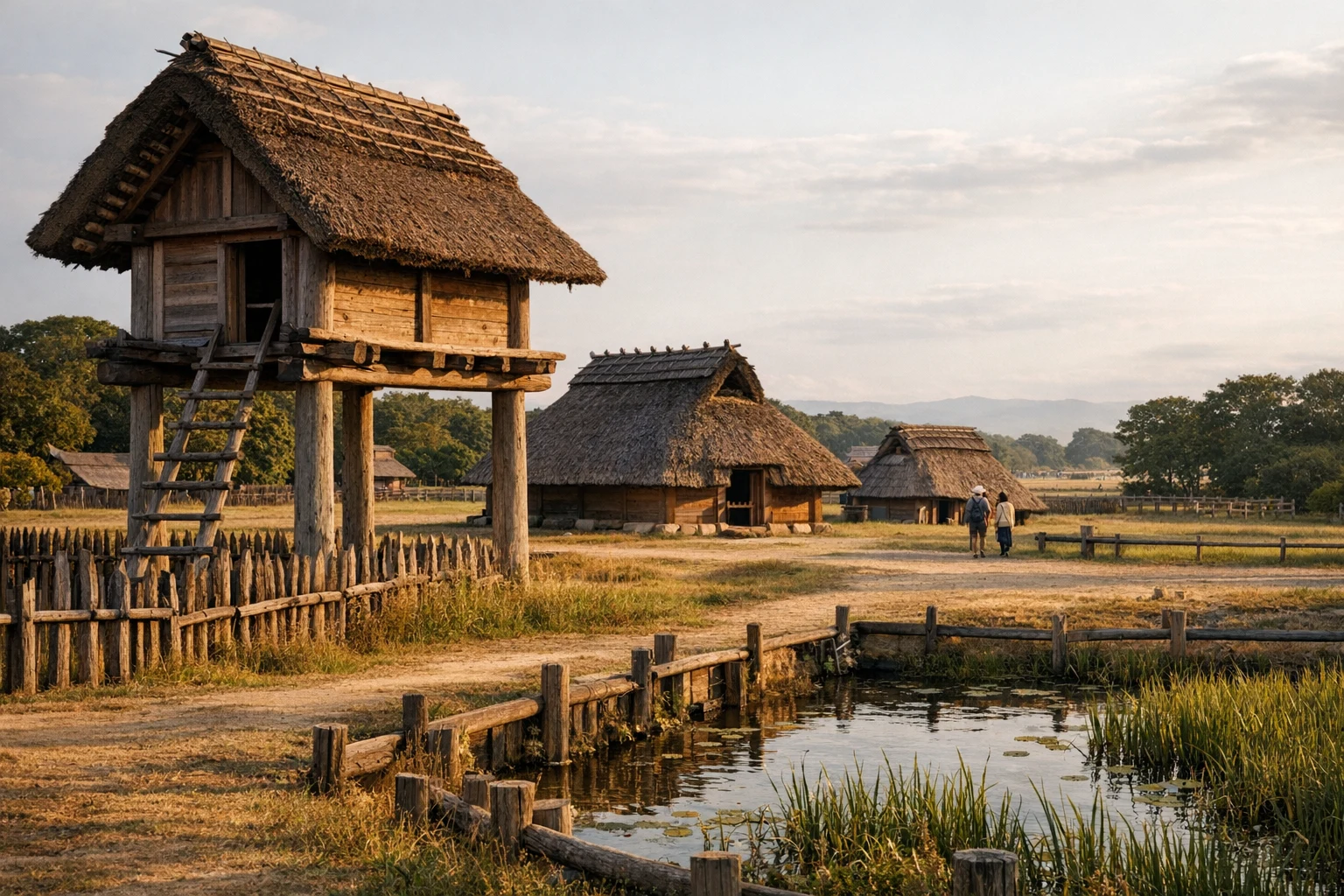
Nestled within the heart of Shizuoka Prefecture, the Toro Archaeological Site stands as a remarkable testament to Japan’s distant past. Here, just a few kilometers north of today’s bustling Shizuoka city and a short journey from the iconic views of Mount Fuji, you’ll step into a world shaped some two thousand years ago. The Toro Archaeological Site in Japan is a living window to the Yayoi period, an era when small communities pioneered rice cultivation and began to lay the agricultural foundations upon which Japanese civilization would thrive. As you wander through the carefully reconstructed dwellings, wooden storehouses, and paddy fields, you begin to sense the day-to-day activities that once animated these grounds between the late 1st century BCE and the early centuries CE.
The setting is tranquil: verdant trees surround the site, and the gentle hum of modern Shizuoka recedes as you pass through the entrance. The Toro Archaeological Museum (Toro Museum) greets visitors with interpretive exhibits, ancient tools, and artifacts uncovered beneath the earth. But what truly sets Toro apart is the hands-on atmosphere—this isn’t just a park of static ruins. The site offers a rare opportunity to stand within actual outlines of excavated houses, examine carefully recreated wooden tools, and follow boardwalks tracing where rice once grew in water-logged fields. Every feature, made with reference to archaeological data, evokes daily life in Japan’s earliest settled agricultural communities.
For those fascinated by the story of how rice and village life reshaped a nation, Toro Archaeological Site delivers an experience both immersive and educational. Whether you’re a student of history, a family curious about the ancient roots of Japan, or a traveler exploring the archipelago beyond the typical shrines and castles, Toro’s gentle landscape and evocative reconstructions anchor you in the deep continuity of Japanese life. In the rolling horizon of modern Shizuoka, the past and present meet seamlessly at Toro.
History
Origins in the Yayoi Period
The discovery of the Toro Archaeological Site in 1943, during World War II, was a pivotal moment for Japanese archaeology. Construction workers, digging to build military installations, inadvertently uncovered wooden remains deeply embedded in the soil—evidence of a settlement with house foundations, storage facilities, and waterlogged rice paddies. The site, quickly recognized for its significance, became a touchstone for understanding the Yayoi period (approximately 300 BCE–300 CE), one of Japan’s most transformative eras.
Before the Yayoi people, the Japanese archipelago was inhabited by the Jomon, distinguished by their hunter-gatherer lifestyles and distinctive pottery. Around 300 BCE, waves of migration from the Asian continent and technological innovation began to reshape Japan. One hallmark was the introduction of wet rice agriculture, bringing settled life and new forms of social organization. Toro became a classic example of a Yayoi rice-farming village, dating to the end of the 1st century BCE and operating for roughly a century. The settlement’s heart was a community organized around seasonal farming cycles, paddy fields, and communal labor.
From Discovery to National Heritage
Excavations at Toro, spanning from 1947 to the 1960s, revealed much more than mere foundations. Archaeologists uncovered postholes for elevated granaries, reconstructed through careful layering of earth and water, and water channels vital for paddy irrigation. The soil preserved organic materials rarely seen at other Japanese sites—wooden implements, plows, paddles, and even remnants of woven textiles. Such artifacts dramatically expanded the understanding of Yayoi life, subsistence, and social order.
During the postwar period, Toro gained national and international attention. It symbolized a new era in Japanese identity, one rooted not only in imperial court narratives or samurai culture but in the everyday rhythms of early agrarian communities. As a result, the Toro Archaeological Site was designated a National Special Historic Site (Tokubetsu Shiseki) by the Japanese government in 1952. This recognition protected the area and provided resources for ongoing research, conservation, and future museum development.
Archaeological Impact and Continuing Research
Toro’s importance is twofold: first, for the preservation and presentation of an authentic Yayoi settlement; second, for advancing archaeological methodology in Japan. The site was among the earliest large-scale open-area excavations, serving as a prototype for subsequent digs throughout the country. Detailed stratigraphy, water-based preservation techniques, and experimental reconstructions all contributed new approaches to understanding prehistoric Japan.
In the decades since Toro’s initial excavation, research has continued. Modern techniques—such as soil chemistry analysis, pollen studies, and digital mapping—offer further insight into the Yayoi period’s agricultural economy, environmental adaptation, and trade. Contemporary studies also compare data from Toro with other sites, clarifying the variety of social structures across regional Yayoi communities. The story of Toro is thus ongoing, renewed with every generation of archaeologists and visitors drawn to this crucial chapter in Japanese history.
Key Features
Walking into the Toro Archaeological Site today, visitors immediately notice the reconstructed buildings that dot the park’s open lawns. What distinguishes these structures is a commitment to archaeological accuracy, offering a rare chance to physically experience the spatial layout and materials of a real Yayoi-period village.
At the heart of the site are several pit dwellings (tateana jukyo), each designed with sunken floors and peaked thatched roofs. The interiors are dim and cool, with central hearths once used for warmth and cooking. These houses were the nuclei of Toro’s domestic life, providing shelter for families during Japan’s humid summers and chilly winters. Surrounding the homes, tall, stilted granaries loom—purpose-built to keep harvested rice dry and safe from pests. Constructed entirely from wood with raised floors and thatched coverings, these granaries are a testament to Yayoi ingenuity in adapting to a wet, temperate climate.
One of Toro’s most exceptional features is its reconstructed rice paddy field. Boardwalks curve around low flooded plots, echoing the original village’s layout. Visitors may walk alongside the paddies, observing how ancient irrigation channels directed water from nearby streams and rainfall. Seasonal demonstrations at the site sometimes include rice planting and harvesting using replica Yayoi tools, giving vivid life to archaeological theory.
Beyond the reconstructed dwellings and paddies, the Toro Archaeological Museum (Toro Museum) serves as the interpretive centerpiece. Inside, you’ll find displays of wooden implements excavated from the site, from spades and hoes to intricate weaving tools for basketry and textiles. The museum also showcases pottery shards, personal ornaments, and models reconstructing daily life within the village. Interactive exhibits let visitors try their hand at ancient crafts or compare the weight of early wooden farming tools. Multilingual information panels provide insight for international guests and contextualize Toro within wider Japanese prehistory.
Outside, the spacious park area is landscaped with care, preserving unearthed features while providing peaceful walking paths and rest areas shaded by local flora. Interpretation boards guide visitors through the site’s various components, linking each feature to the broader context of Yayoi culture and Japanese origins.
Toro’s unique blend of archaeological authenticity, educational value, and hands-on experiences make it an inspiring destination not only for enthusiasts of ancient history, but also for families and travelers seeking a tranquil, meaningful excursion in the Japanese countryside.
Getting There
Reaching the Toro Archaeological Site is straightforward, making it a convenient addition to any itinerary in central Japan. Toro sits in the Suruga Ward of Shizuoka City, about 5 kilometers north of the central JR Shizuoka Station. As a transportation hub, Shizuoka is easily accessible via Japan’s extensive rail network, including the famous Tokaido Shinkansen (bullet train), which connects Tokyo and Osaka with frequent, rapid services throughout each day.
From JR Shizuoka Station, visitors have several options for reaching Toro. The simplest is taking a local taxi, costing around ¥1,500–¥2,000 and delivering you to the site entrance in about 15 minutes. Alternatively, Shizutetsu Justline buses run regularly from the station area toward Sunpu Park and Toro, with the closest stop being “Toro Isekinenkan-mae.” The bus ride is approximately 20 minutes and costs about ¥260 one way. From the bus stop, it is a short, well-signposted walk to the archaeological park.
For those enjoying cycling, rental bikes are available near Shizuoka Station. The route to Toro is flat, with dedicated lanes in parts, and the ride takes about 25–30 minutes through suburban neighborhoods and quiet green spaces. By car, Toro is just 10 minutes from the Tomei Expressway’s Shizuoka Interchange, with ample parking available next to the site’s visitor center.
If you are traveling from Tokyo, the Shinkansen Kodama or Hikari services will whisk you to Shizuoka in just over an hour, while from Nagoya, the trip is also quick and convenient. The accessibility of the Toro Archaeological Site means it can be visited as a half-day excursion from major cities or as part of a larger exploration of central Honshu’s cultural and natural treasures.
When to Visit
The Toro Archaeological Site welcomes visitors year-round, but your experience can vary depending on the season. Spring (March to May) is an especially appealing time, as temperatures are mild, cherry blossoms (sakura) frame the park in delicate pink, and the surrounding gardens come alive. In early summer (June), you may catch rice planting demonstrations in the reconstructed paddies, a practice echoing millennia of agricultural tradition.
Summer (June to September) brings lush greenery to Toro, but be prepared for humid conditions and occasional rain, especially during Japan’s tsuyu (rainy season) in June and July. While indoor areas like the museum provide comfort, bring an umbrella or hat for the outdoor portions of your visit. Early mornings or late afternoons offer the most pleasant temperatures.
Autumn (September to November) is another favored season. As the rice fields turn golden and nearby maples and ginkgo trees blaze with color, the site offers a peaceful and evocative backdrop for exploration. If you time your visit for October, you may witness traditional harvest festivals or special events highlighting Yayoi culture and cuisine.
Winter (December to February) is quieter and chillier. The landscape may appear stark, but the absence of crowds creates a contemplative atmosphere. The museum remains open, and guided tours continue, though outdoor activities may be limited in inclement weather.
For the fullest experience—combining outdoor exploration, hands-on events, and natural beauty—spring and autumn are ideal. However, each season brings its own charm, and the site’s accessibility ensures a rewarding visit whatever your travel window.
Quick Facts
| Feature | Details |
|---|---|
| Location | Suruga Ward, Shizuoka City, Shizuoka Prefecture, Japan |
| Coordinates | 34.9932° N, 138.3891° E |
| Established | Approximately 1st century BCE (Yayoi period) |
| UNESCO Status | Not a UNESCO site, but registered as a National Special Historic Site |
| Main Attractions | Reconstructed Yayoi dwellings, rice paddy, archaeological museum |
| Best Seasons to Visit | Spring (March–May) and Autumn (September–November) |
| Opening Hours | 9:00 AM – 4:30 PM (varies by season and event) |
| Admission Fee | ¥210 for adults, free for children (museum area) |
| Accessibility | Yes—wheelchair friendly paths and multilingual signage |
| Nearest City | Shizuoka (5 km from JR Shizuoka Station) |
| Family Friendly | Yes, with hands-on exhibits and open park space |
| Website | https://www.shizuoka-touro.jp/ |
Frequently Asked Questions
What is the Toro Archaeological Site famous for?
Toro is renowned as one of the best-preserved Yayoi-period settlements, famous for its ancient paddy fields and reconstructed dwellings.
Is the site easily accessible for non-Japanese speakers?
Yes, signage in English is available, and the on-site museum provides information in multiple languages.
Are there guided tours available at Toro?
Yes, guided tours are sometimes offered, but it is advisable to check ahead. Audio guides can also be rented at the museum.
How much time should I budget for a visit?
Plan for 2-3 hours to fully explore the site, museum, and reconstructed village.
Is Toro Archaeological Site suitable for families with children?
Absolutely. Children enjoy exploring the reconstructed buildings and hands-on exhibits at the museum.
Nearby Ancient Sites
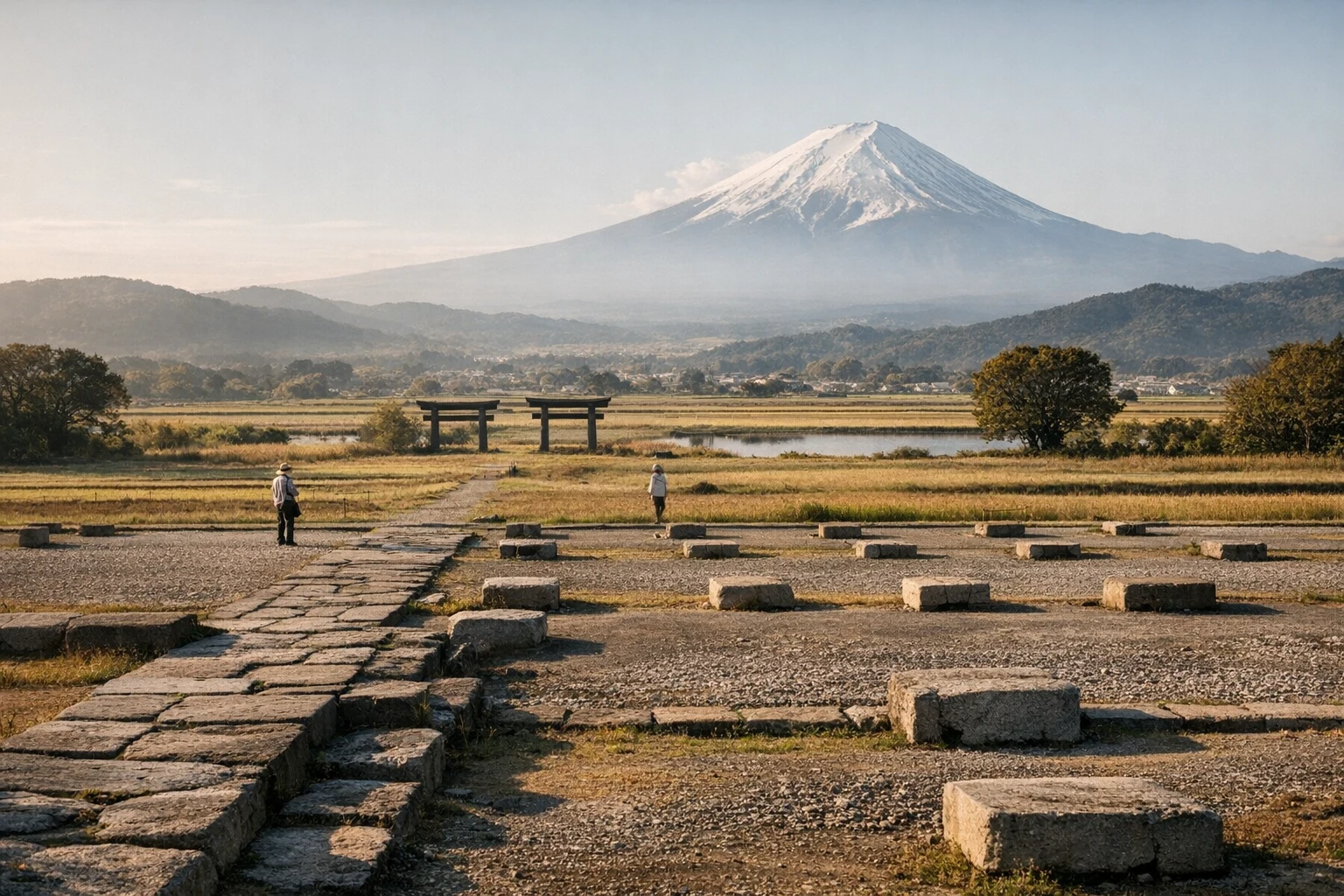
Fujiwara Palace Ruins
Early Japanese imperial stateDiscover Japan’s Fujiwara Palace Ruins, the vast remains of the first fully planned imperial capital...
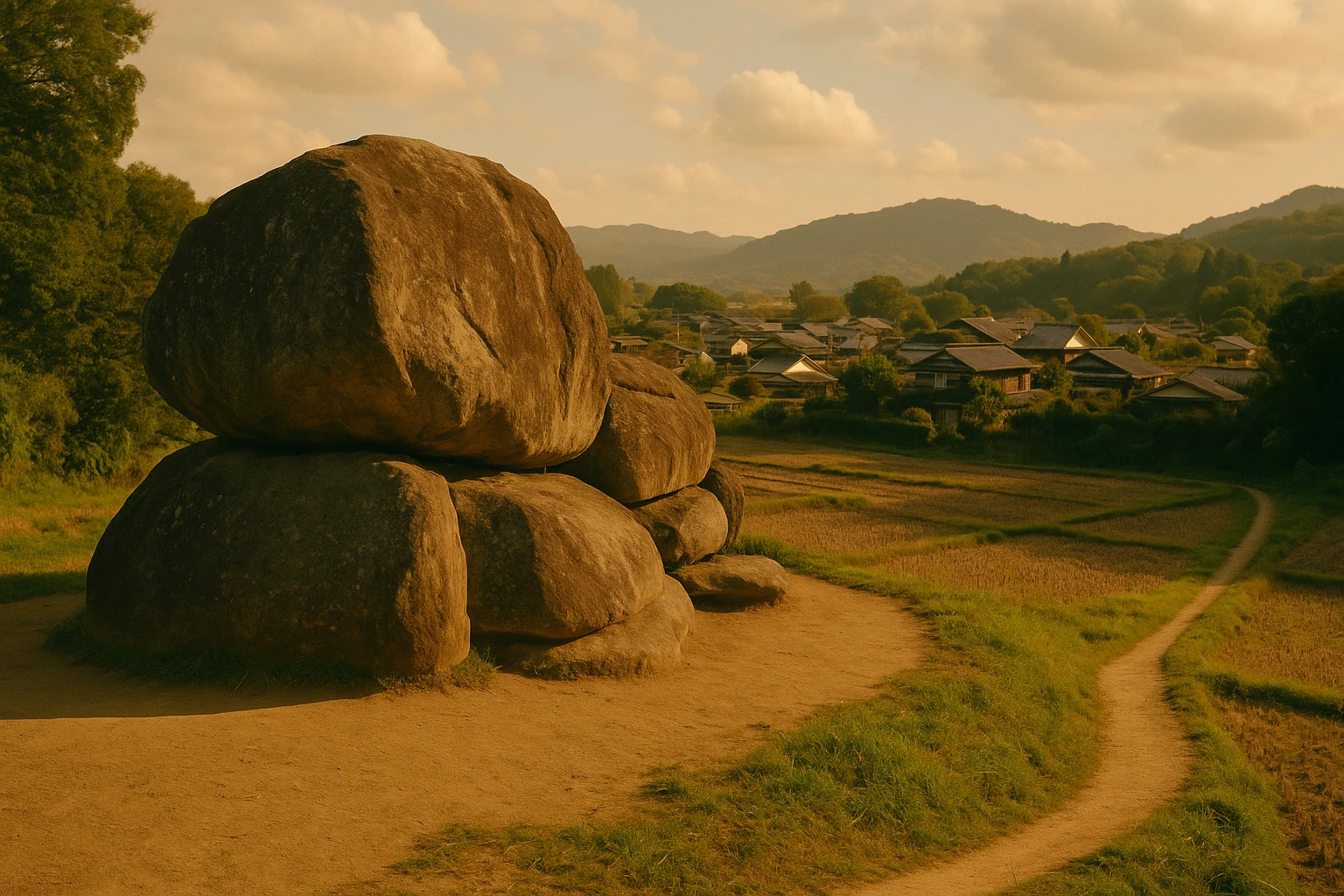
Asuka Historical Sites
Yamato CourtDiscover Asuka's ancient tombs, Buddhist temples, and enigmatic stone monuments — Japan's cradle of ...
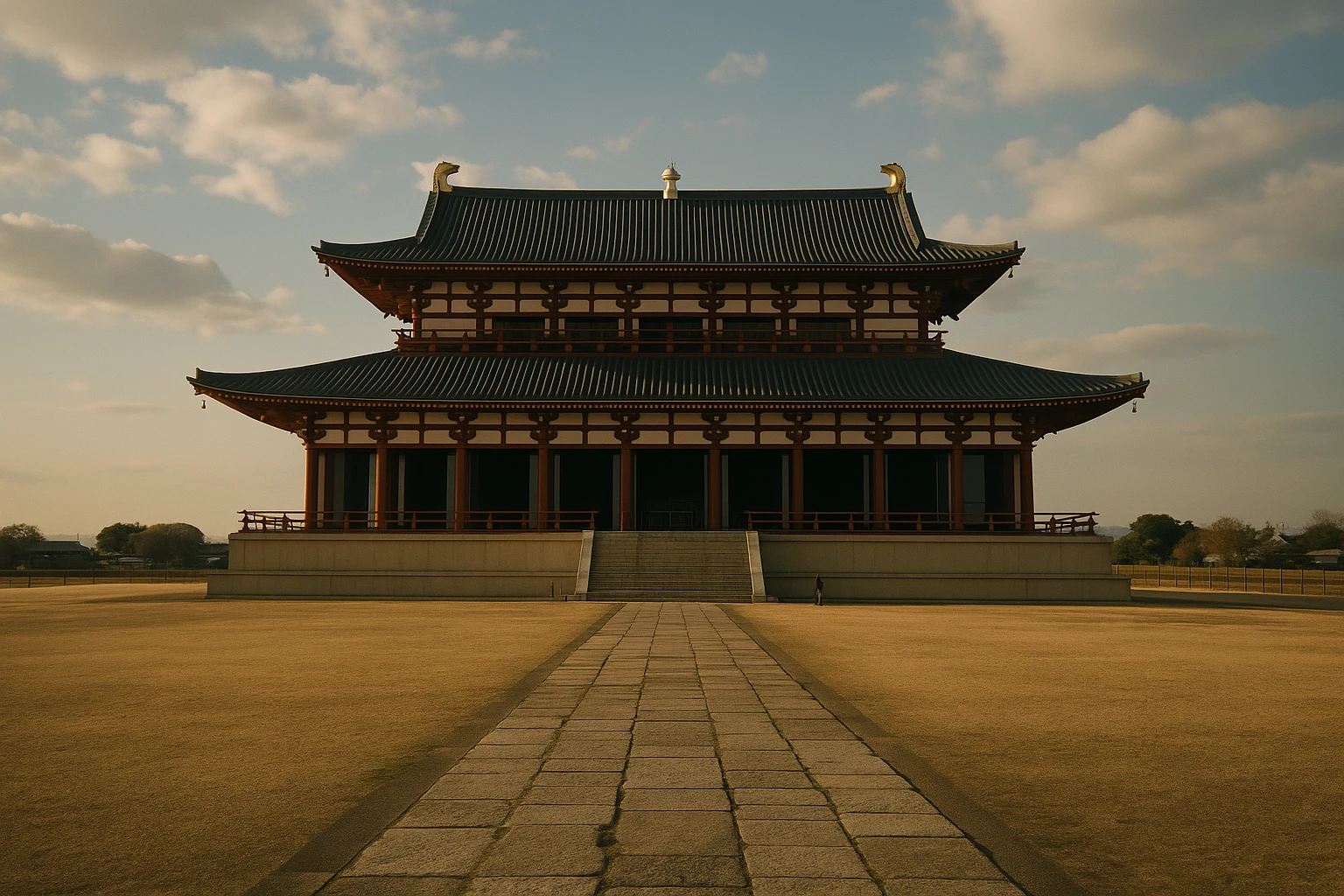
Heijo Palace Site
Nara Period JapanWalk the vast grounds of Japan's 8th-century imperial capital in Nara — a UNESCO World Heritage Site...