Quick Info
Curated Experiences
Verona Arena Skip-the-Line Entry and City Walking Tour
Arena di Verona Opera Night Experience
Verona Highlights: Arena, Juliet Area, and Hidden Streets
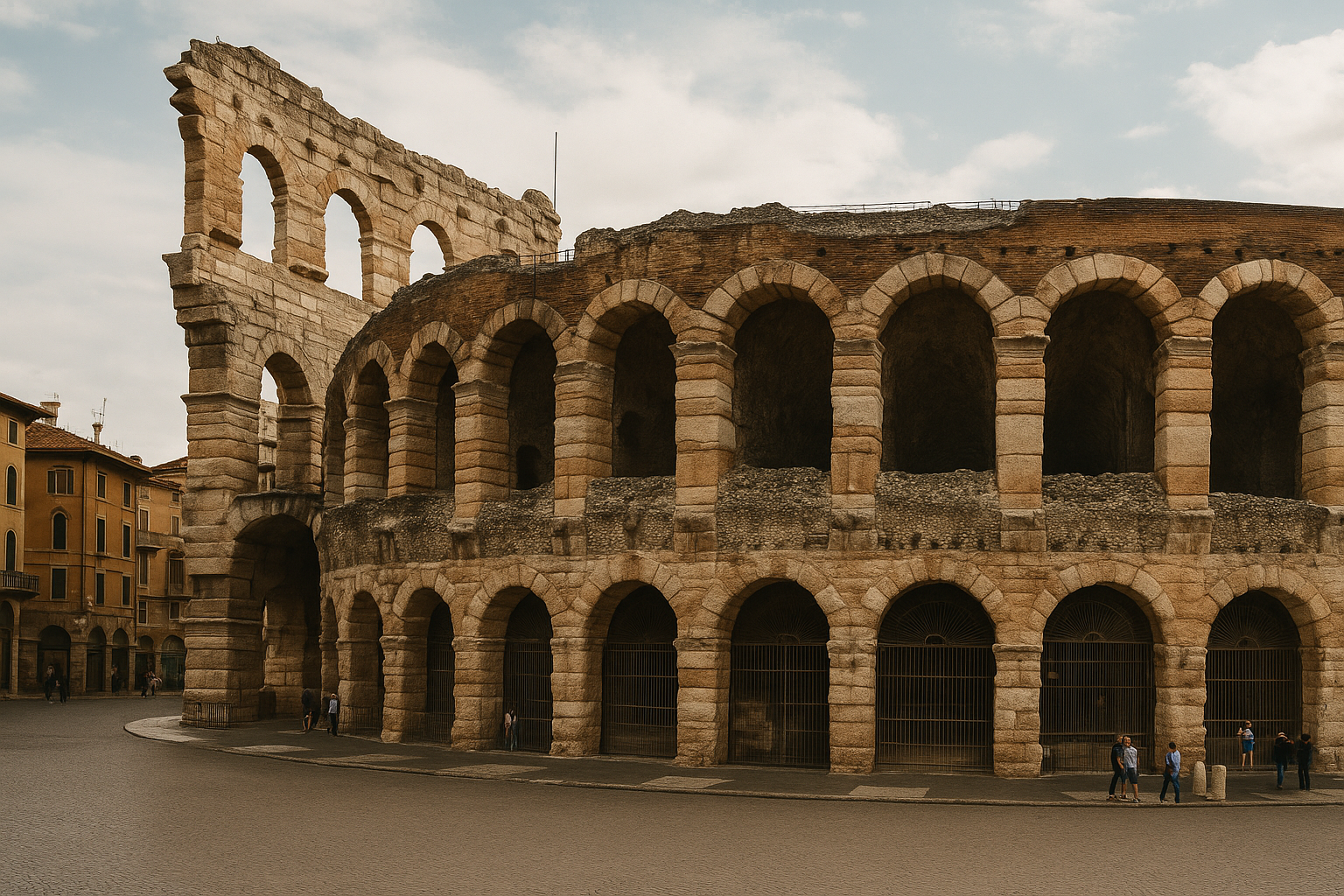
You walk across Piazza Bra on a summer evening and there it is, filling the western edge of the square with two tiers of pink-white limestone arches that have been standing since the reign of Tiberius. The Arena di Verona does not feel like a ruin. It feels like a building that is still working. People are filing through the same vomitoria that channeled Roman crowds nearly two thousand years ago, except tonight they are carrying opera programs and small cushions instead of food and betting tokens for gladiatorial combat.
That is what makes Verona Arena singular among Roman amphitheaters. The Colosseum in Rome is larger and more famous, but it is a museum piece — scaffolded, ticketed, roped off. Verona Arena is a functioning performance venue that seats 15,000 people for live opera, concerts, and festivals every summer. The Roman engineering that was designed to move thousands of spectators efficiently through entrances, staircases, and tiered seating still does exactly that, every night, without modification to the basic circulation logic.
If you want to understand Roman architecture not as archaeology but as infrastructure that works, Verona is where you go.
Historical Context
The amphitheater was constructed around 30 CE, during the early years of the Roman Empire, making it roughly 50 years older than the Colosseum. Roman Verona (Verona Augusta) was an important city on the road network connecting the Po Valley to the Alpine passes, and the amphitheater reflected both the city’s prosperity and its role as a center for public spectacle and social control. The building originally stood just outside the city walls, following Roman convention that placed large entertainment structures on urban peripheries where crowd management was easier.
At its completion, the arena could hold an estimated 30,000 spectators, making it one of the largest amphitheaters in the Roman world. The outer ring originally rose to three stories of arched arcades, though a major earthquake in 1117 destroyed most of the outermost wall. Only four bays of the original third story survive, standing at the northwest corner of the building as a visible reminder of the full original scale. The two inner rings of arcades remain remarkably intact, preserving the structural logic and aesthetic rhythm that made Roman amphitheater architecture so effective.
Through the medieval and early modern periods, the arena served shifting purposes: executions, tournaments, fairs, and civic gatherings all took place within its walls. The building was never fully abandoned or quarried to destruction, partly because it remained too useful as a gathering space and partly because Veronese civic identity was already wrapped up in the structure. When opera performances began in the arena in 1913 — inaugurated with a production of Aida to celebrate the centenary of Verdi’s birth — the amphitheater entered its modern chapter as one of the world’s most prestigious open-air opera venues.
That continuous functional history is what separates Verona from every other surviving Roman amphitheater. The building was not rediscovered or rescued. It was never lost.
What to See
The Exterior Arcades and Piazza Bra Approach
Before entering, spend time outside. The two surviving rings of arcades demonstrate the Roman system of superimposed arches that distributed structural loads while creating a visually rhythmic facade. Walk the full perimeter of the building (roughly 10 to 15 minutes) and note how the arena’s elliptical footprint, measuring approximately 152 by 123 meters, integrates with the surrounding city fabric. At the northwest corner, the four surviving bays of the original outer wall rise dramatically above the rest, showing you how the full three-story elevation once appeared. The contrast between this fragment and the current roofline makes the 1117 earthquake damage viscerally comprehensible.
Practical tip: The view from Piazza Bra’s cafe terraces in late afternoon gives you the best photographic angle of the arena’s main facade in warm light. Grab a seat, order an Aperol spritz, and study the building before you enter.
The Cavea (Seating Bowl)
Inside, the cavea is the revelation. The elliptical seating bowl survives essentially complete, with 44 rows of pink Veronese marble and limestone ascending from the arena floor to the upper rim. The geometry is precise and purposeful: every seat has a clear sightline to the central performance space, and the acoustic properties are strong enough that unamplified voices carry to the upper rows during opera performances. Climb to the highest accessible tier for the full effect. From the top, you can read the entire structural system — the radial walls, the concentric corridors, the vomitoria that channel spectator flow — as a single integrated machine.
Practical tip: During daytime visits, the upper rows are fully exposed to sun. Mornings offer cooler conditions and softer light for photography of the interior. Bring a hat.
Structural Passages and Vomitoria
The internal corridors and vomitoria (the arched passages that connect the outer arcades to the seating tiers) are where you feel the engineering most directly. These barrel-vaulted passages were designed to move large crowds efficiently and to provide structural support for the massive weight of the seating above. Walk through several and notice how the proportions shift as you move from outer to inner rings. The stone surfaces preserve tool marks, repair patches, and evidence of the building’s long history of use and adaptation.
Practical tip: The corridors are cooler than the open seating bowl, making them good refuge points on hot days. They also offer interesting photographic framing of the arena floor and upper seating through their arched openings.
The Arena Floor and Stage Zone
During daytime museum hours, you can access the arena floor level, which is where gladiatorial combat, animal hunts, and public executions once took place. The central space is surprisingly intimate when viewed from floor level rather than the upper seats. During opera season, the floor is occupied by staging and seating infrastructure, so the experience differs depending on when you visit. If possible, time a daytime visit outside the opera season setup period to see the floor unobstructed.
Practical tip: Check with the ticket office about current floor access, as it varies with event scheduling and restoration work.
Roman Verona Beyond the Arena
Stepping outside the amphitheater, several other Roman remains are within a short walk. The Porta Borsari, a 1st-century city gate about 5 minutes north, preserves a richly decorated facade. The Arco dei Gavi, a 1st-century honorific arch, stands near the Castelvecchio bridge. The Roman Theatre and Archaeological Museum across the Adige River offer a complementary perspective on Roman entertainment architecture in a more intimate, hillside setting. Together, these sites make Verona one of the best cities in northern Italy for experiencing the Roman urban layer.
Practical tip: The Roman Theatre across the river is often overlooked by visitors focused on the Arena. It is smaller and more atmospheric, with a museum above that adds archaeological depth to your Verona Roman history circuit.
Timing and Seasons
The opera season runs from mid-June through early September, and this period defines the arena’s rhythm. If you want to attend a performance, book well in advance; popular productions sell out weeks ahead. If you want a quiet daytime archaeological visit, the morning hours before the evening performance setup begins are your window.
Spring (April through mid-June) offers the best conditions for a purely architectural visit: temperatures around 55 to 75°F (13 to 24°C), manageable crowds, and no competition with evening event logistics for daytime access.
Summer (mid-June through August) is opera season and peak tourist season simultaneously. Daytime temperatures run 77 to 90°F (25 to 32°C) and the open cavea can be punishing at midday. Visit early morning for daytime exploration, then return in the evening for a performance.
Autumn (September through November) brings a return to quieter conditions, with temperatures dropping from 70 to 50°F (21 to 10°C). October light is particularly good for photography of the exterior arcades.
Winter (December through February) is cold by Italian standards, with highs around 39 to 46°F (4 to 8°C) and occasional fog. The arena is least crowded and can feel strikingly atmospheric when the piazza is quiet.
For the best overall experience, visit on a weekday morning in May or early June, then return for an opera performance on a warm summer evening.
Tickets, Logistics, and Getting There
Daytime museum admission: Approximately $12 to $15 USD (10 to 13 euros). The Verona Card, priced at roughly $22 to $27 USD for 24 or 48 hours, covers arena entry plus most other city museums and churches and is worth it if you plan to visit the Roman Theatre, Castelvecchio, and other sites.
Opera tickets: Range from approximately $30 USD for unreserved stone step seating (gradinate) to $250 or more USD for premium numbered seats in the lower tiers. The stone step seats are the most atmospheric option — you sit where Roman spectators sat, on the original limestone — but you will want a cushion (rentable at the venue for about $3 to $5 USD) and should arrive early to claim a good position.
Daytime hours: Typically 8:30 AM to 7:30 PM (shorter in winter; may close earlier on opera performance days for stage setup). Confirm current hours before visiting, especially during opera season transition periods.
Getting there: Verona Arena sits in Piazza Bra, the city’s central square. From the Verona Porta Nuova train station, it is a 15-minute walk or a short bus ride (routes 11, 12, or 13; approximately $1.50 USD). From the Verona airport, buses and taxis reach the city center in 15 to 25 minutes. If driving, park outside the historic center (ZTL restrictions apply) and walk in. Major parking garages near Piazza Bra include Arena Parking and Parcheggio Centro.
From other cities: Verona is well connected by high-speed rail. Milan is about 1 hour 20 minutes, Venice about 1 hour 10 minutes, and Bologna about 1 hour. The train station is an easy walk from the arena.
Practical Tips
- For opera nights, bring a cushion or rent one at the venue. Stone seating is authentic but punishing after 3 hours.
- Bring a light layer for evening performances. Even in summer, temperatures can drop noticeably after sunset in the open-air venue.
- Arrive at least 45 minutes before curtain for opera performances. Unreserved stone step seating is first-come, first-served, and the best positions go early.
- Bag size restrictions apply for performances. Keep it to a small purse or crossbody bag to speed security screening.
- Candles are traditionally distributed at some performances, creating a spectacular visual effect when the arena is lit by thousands of small flames. This is not a gimmick; it is genuinely moving.
- The cafe terraces along the eastern edge of Piazza Bra offer the best pre-show dining with arena views. Reserve ahead in summer.
- Combine your arena visit with a walk through Verona’s other Roman remains for a more complete picture. The full Roman circuit (Arena, Porta Borsari, Arco dei Gavi, Roman Theatre) takes about 3 hours at a comfortable pace.
Suggested Itinerary
Morning Archaeological Visit (2 hours): Arrive at the arena by 9:00 AM for interior access with minimal crowds. Spend 45 minutes exploring the cavea, climbing to the upper tiers, and walking the internal corridors. Exit and walk the full exterior perimeter (15 minutes). Then head north to the Porta Borsari and Arco dei Gavi for complementary Roman context (30 minutes combined). Cross the Ponte Pietra to the Roman Theatre and Archaeological Museum for a different perspective on Roman Verona (45 minutes).
Afternoon Cultural Extension (2 hours): Lunch in the historic center near Piazza delle Erbe. Visit Castelvecchio and its museum for medieval Verona context. Walk along the Adige River embankment for views back toward the Roman Theatre hillside.
Evening Opera Experience (4 hours): Return to Piazza Bra by 7:00 PM. Secure your stone step seat or find your numbered section. Watch the arena fill as sunset colors the limestone. Performance begins around 9:00 PM (confirm with your ticket) and typically runs 2.5 to 3 hours with intermission.
Nearby Sites
Colosseum, Rome is about 3.5 hours south by high-speed train. The comparison between the two amphitheaters is one of the best structural conversations in Roman archaeology. Verona is smaller, better preserved in its seating bowl, and still functioning; the Colosseum is grander in scale and more damaged in fabric but carries incomparable cultural weight.
Palatine Hill, Rome pairs with a Colosseum visit as the center of Roman imperial power and offers a different lens on the political system that produced buildings like the Verona Arena.
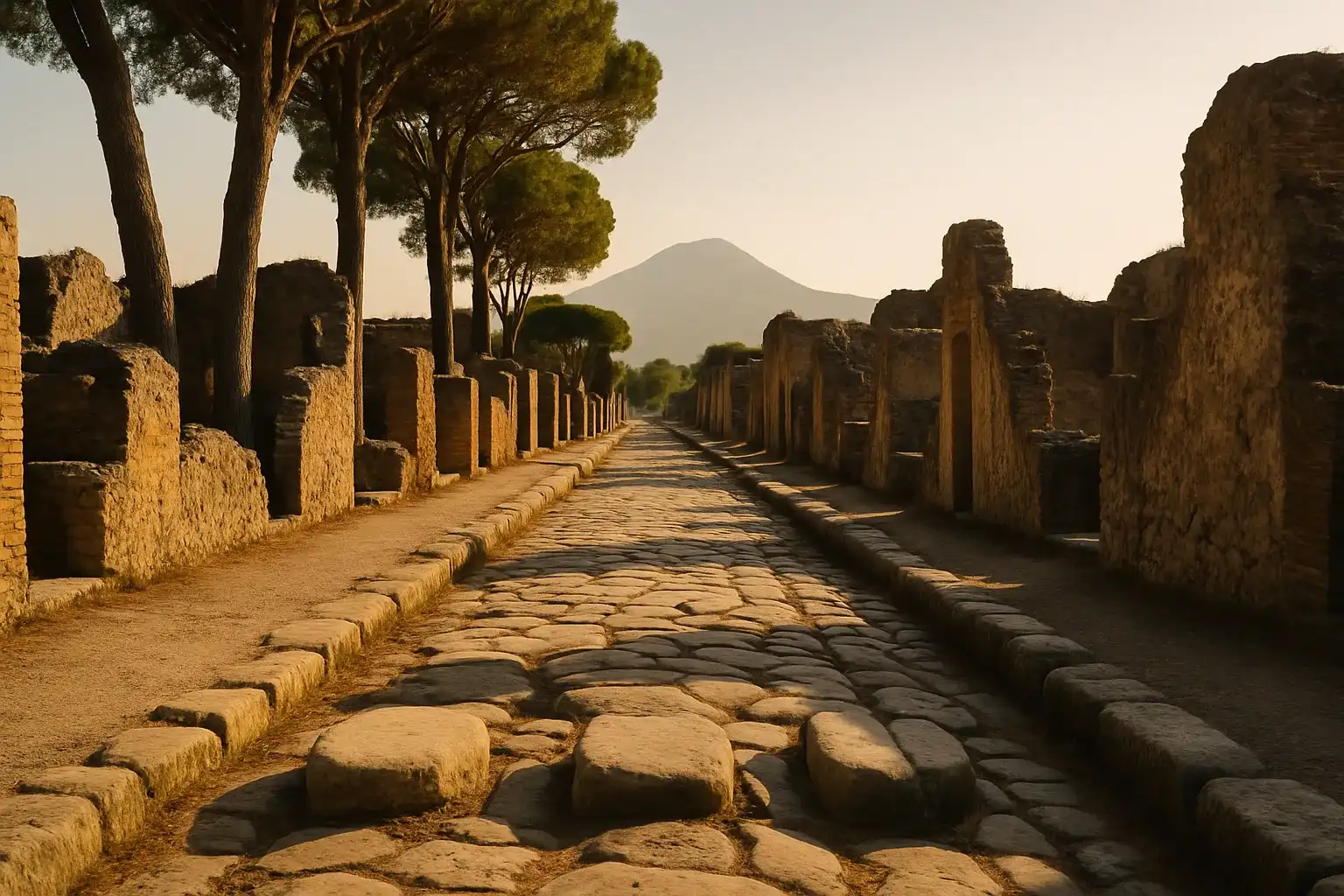
Pompeii is about 4.5 hours south by train (via Naples). Its own amphitheater, the oldest surviving stone amphitheater in the Roman world (c. 70 BCE), predates Verona and provides context for the building type’s development. The broader Pompeii site adds a complete urban system to your understanding of Roman public architecture.
Arch of Constantine, Rome rounds out a Roman triumphal architecture circuit when combined with Verona’s Arco dei Gavi and the city’s remaining Roman gates and bridges.
Final Take
Verona Arena is the place where the gap between the ancient world and the present collapses most dramatically. You are sitting on the same stone, in the same configuration, watching a performance unfold in the same acoustic space that was engineered for spectacle before the Colosseum was even planned. The building does not ask you to imagine what it was like when it was alive. It is alive. Two thousand years of earthquakes, wars, and changing tastes have not interrupted its fundamental purpose: to gather a crowd and give them something worth watching.
On a warm July night, with the last daylight fading behind the surviving fragment of the third-story arcade and thousands of small candle flames flickering across the stone tiers, the Verona Arena does not feel ancient. It feels inevitable.
Discover More Ancient Wonders
- Colosseum — Rome’s iconic amphitheater and the benchmark for Roman spectacle architecture
- Pompeii — A complete Roman city preserved by Vesuvius, with its own pioneering amphitheater
- Palatine Hill — The political heart of the Roman Empire on the hill above the Forum
- Italy Ancient Sites Hub — Plan your full Roman Italy route
- Budget Travel Guide — Practical tips for seeing ancient Italy affordably
Quick Facts
| Attribute | Details |
|---|---|
| Location | Piazza Bra, Verona, Veneto, Italy |
| Country | Italy |
| Region | Veneto |
| Civilization | Roman Empire |
| Historical Period | 1st century CE - present |
| Established | c. 30 CE |
| Capacity | ~15,000 (modern); ~30,000 (original) |
| Daytime Entry | ~$12-$15 USD (€10-13) |
| Opera Tickets | ~$30-$250+ USD |
| Opera Season | Mid-June through early September |
| Best Daytime Visit | Weekday mornings, spring or early autumn |
| Coordinates | 45.4386, 10.9944 |
Frequently Asked Questions
Is Verona Arena older than the Colosseum?
Yes. Verona Arena dates to around 30 CE, while the Colosseum opened in 80 CE. Verona's amphitheater is smaller but remarkably intact and still used for performances.
Do I need separate tickets for daytime visits and opera performances?
Yes. Standard daytime museum admission and evening opera tickets are separate products with different pricing and seating categories.
When is the best time to visit Verona Arena?
Early morning is best for quieter daytime exploration. For performances, arrive before sunset to settle in and enjoy the atmosphere before the show starts.
Is Verona Arena worth visiting if I have already seen the Colosseum?
Absolutely. Verona Arena offers a different experience: easier circulation, strong preservation, and a rare chance to see a Roman amphitheater still functioning as a live venue.
Can you bring bags into Verona Arena during opera nights?
Small bags are usually allowed after security checks, while large luggage and bulky backpacks may be restricted. Confirm current venue rules on your ticket confirmation.
Nearby Ancient Sites
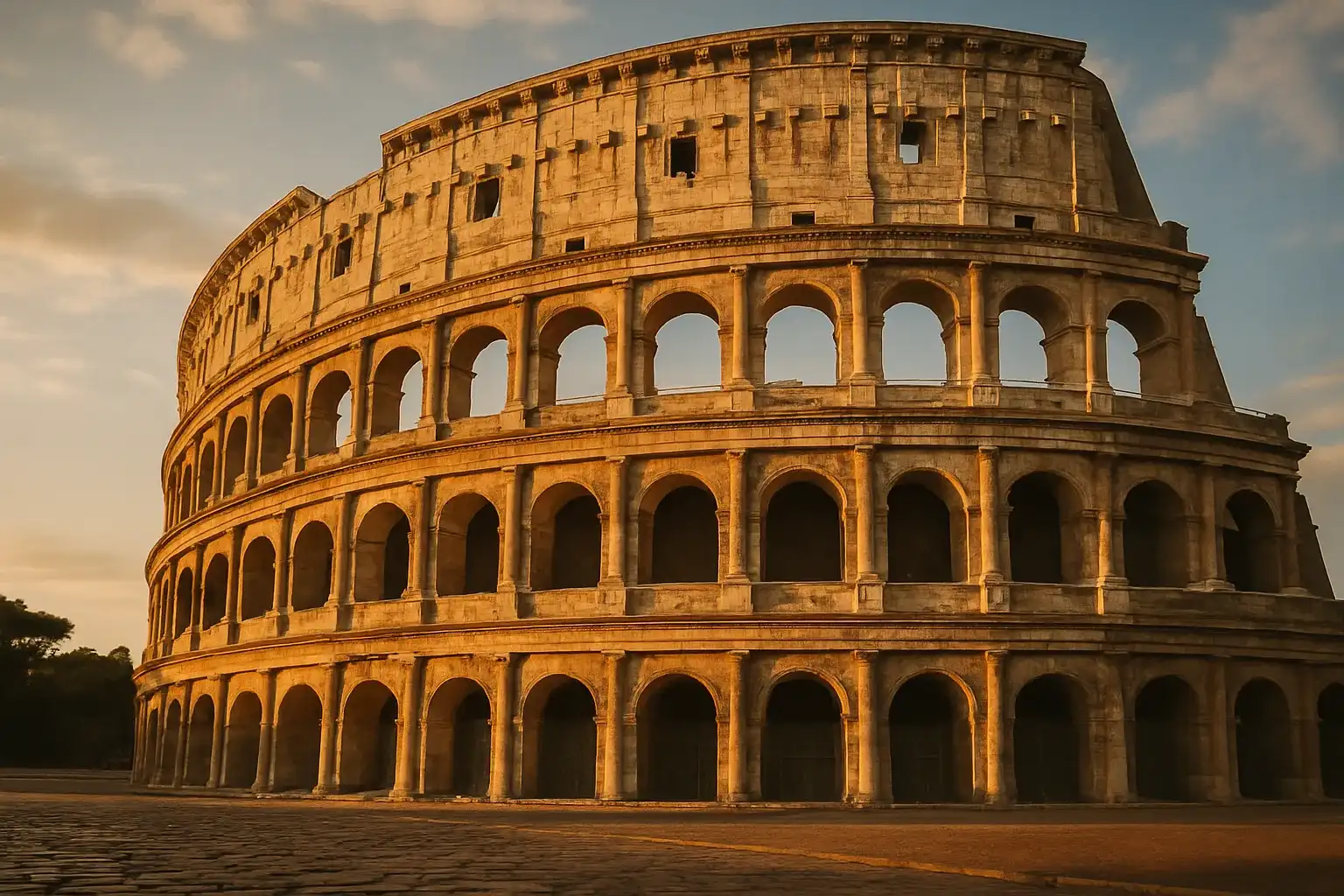
Colosseum Rome: Complete 2026 Guide to Arena Floor, Tickets, and Timing
Roman EmpirePlan the perfect Colosseum visit with timed-entry strategy, Arena Floor and underground access tips,...
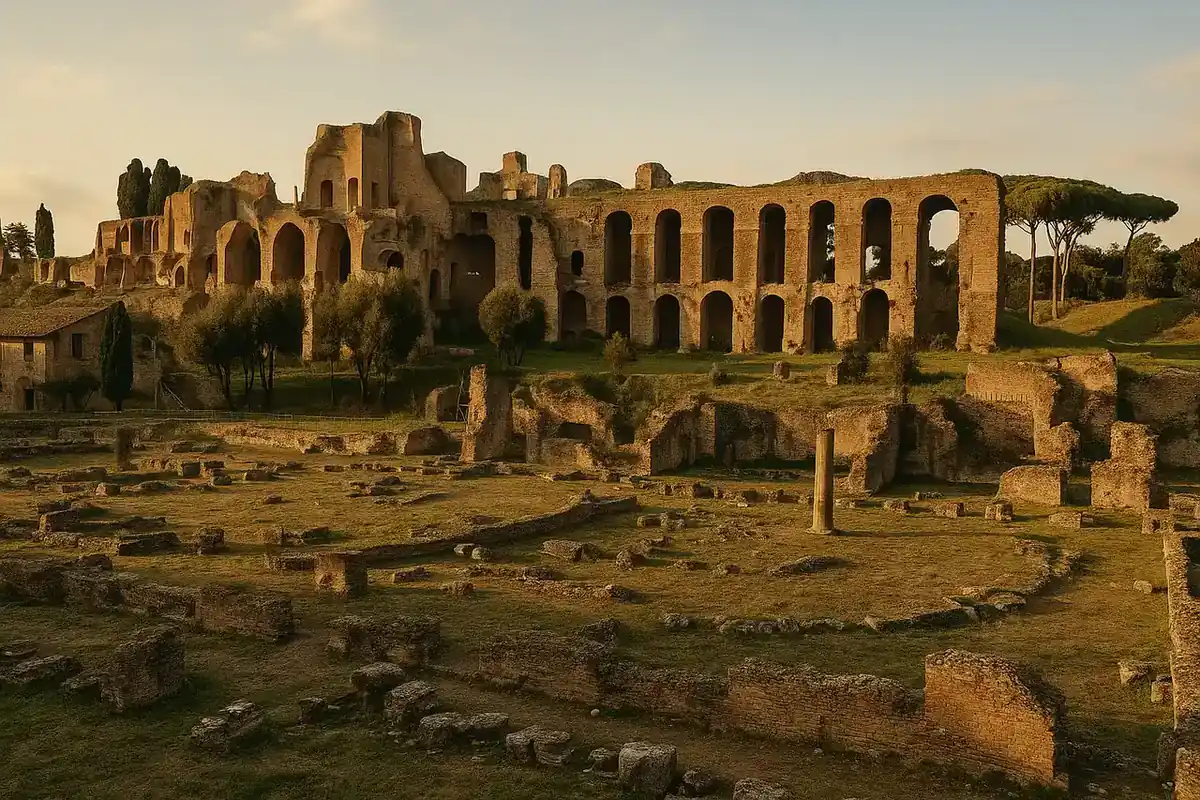
Palatine Hill Rome: Emperors' Palaces & Birthplace of Rome Guide
Roman EmpireExplore Palatine Hill, Rome's oldest neighborhood and imperial palace complex. Complete 2026 guide t...
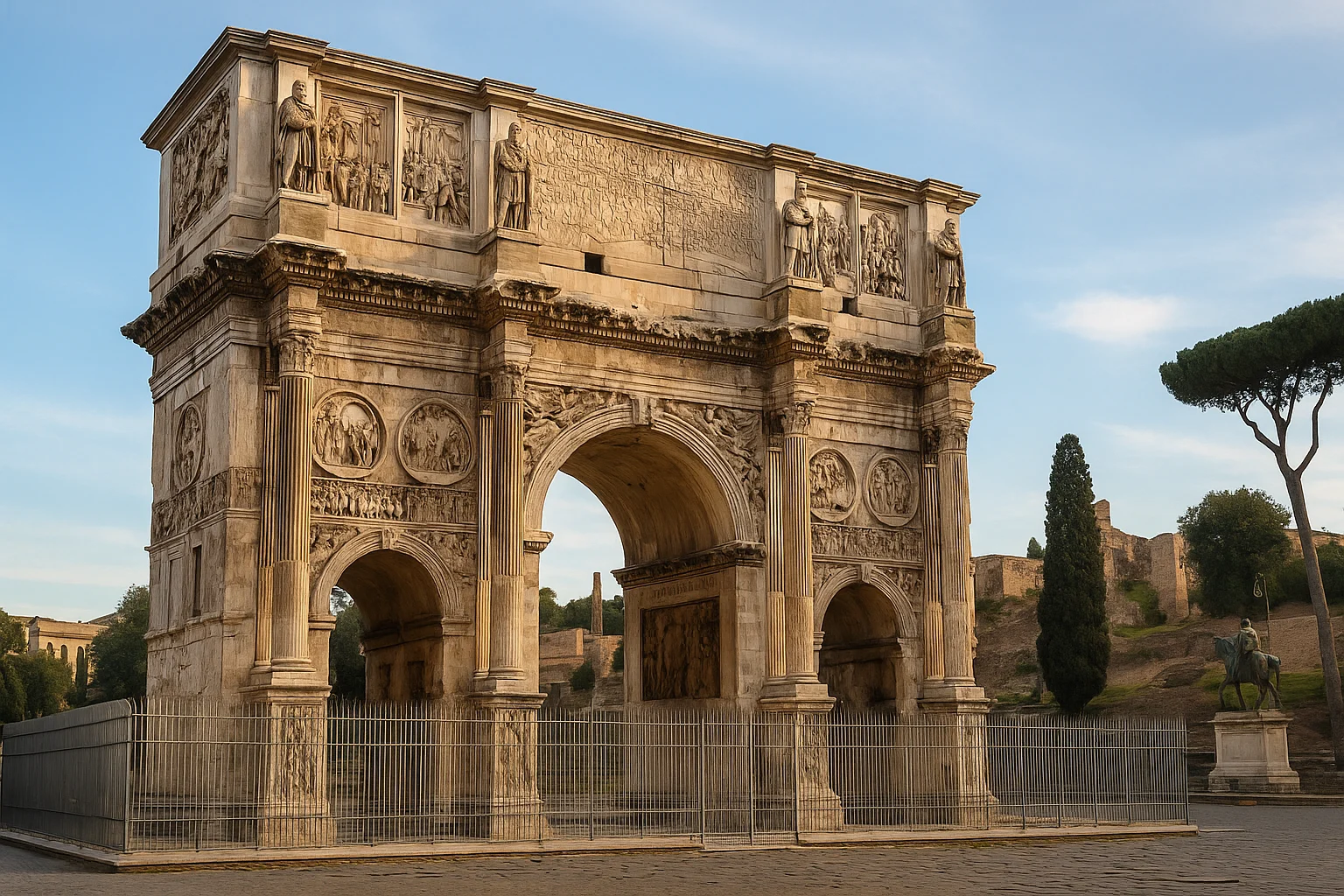
Arch of Constantine Rome: Triumph Over Maxentius Guide
Roman EmpireThe Arch of Constantine commemorates Constantine's 312 CE victory. Spolia details, best photo angles...
Pompeii Italy Travel Guide: Frozen in Time, Complete 2026
Roman EmpireWalk the streets of ancient Pompeii with our complete guide. Discover the best routes, must-see hous...