Quick Info
Curated Experiences
Inca Jungle Trail to Machu Picchu 4 Days
Vilcabamba and Espiritu Pampa Archaeological Adventure
Private Vilcabamba Route Expedition from Cusco
Vitcos Yurak Rumi in Peru does not announce itself with grand ticket gates, museum queues, or polished pathways. It appears gradually, in folds of cloud forest and mountain pasture where roads narrow, conversations slow down, and history feels close enough to touch. This Vitcos Yurak Rumi Peru travel guide begins with that reality: you are entering a frontier landscape that once sheltered Inca power in retreat, not a fully staged archaeological park. The stones here are quieter than Machu Picchu’s famous walls, but their silence carries a different kind of force.
For many travelers, Vitcos is the missing chapter in the Inca story. You likely know the imperial capitals and postcard citadels; fewer visitors follow the Vilcabamba line where the Neo-Inca state endured after the Spanish invasion. At Ancient Travels, we recommend Vitcos Yurak Rumi for travelers who care about this transitional world: a place of royal estates, ritual architecture, and political resistance set in hard terrain. In this guide, you will find the site’s historical arc, the key monuments at Rosaspata and Yurak Rumi, transport strategy from Cusco, practical visiting advice, seasonal planning, and smart ways to combine Vitcos with other major Peru destinations.
History: The last Inca frontier in Vilcabamba
Imperial foundations before the crisis (15th century CE)
The area now associated with Vitcos likely developed within the expansion phase of the Inca Empire during the 15th century, when royal estates and administrative nodes spread across strategic valleys around Cusco. Inca planners favored places that could support agriculture, movement, and ritual control at once, and the Vilcabamba corridor offered all three. Rosaspata, the architectural core linked to Vitcos, appears to have functioned as an elite center rather than a mass urban settlement. Its location on the eastern Andean flank connected highland governance with lower montane zones, a recurring imperial strategy for managing diverse ecological belts.
Manco Inca and the Neo-Inca turn (1536-1544 CE)
After the Spanish seizure of Cusco, Manco Inca Yupanqui first collaborated under pressure, then launched a major anti-colonial revolt in 1536. As Spanish control hardened, he and his followers withdrew into the Vilcabamba region, where terrain offered defensive depth and room to reorganize. Vitcos emerged in this period as one of the most important Neo-Inca centers, functioning as a political refuge and ceremonial anchor in a fractured world. Rather than an isolated hideout, it appears to have been part of a distributed resistance network with routes, storehouses, and linked settlements supporting prolonged autonomy.
From stronghold to contested memory (mid-16th century)
The decades after Manco Inca’s death were marked by succession struggles, Spanish pressure, and negotiated pauses that rarely lasted. Neo-Inca rulers maintained symbolic sovereignty from Vilcabamba, even as colonial institutions expanded nearby. Vitcos and associated shrines like Yurak Rumi likely retained ritual and legitimizing functions during this era: places where authority was enacted through ceremony as much as military control. Written colonial references are fragmentary and often biased, but they still suggest that these mountain centers remained politically meaningful long after outsiders assumed the Inca world had collapsed.
Fall of Vilcabamba and afterlives (1572 onward)
In 1572, Spanish campaigns under Viceroy Toledo ended the Neo-Inca state with the capture and execution of Túpac Amaru I. This date is often treated as a final endpoint, yet landscapes like Vitcos did not simply switch off. Local movement, memory, and selective reuse continued, while monumental sectors slowly deteriorated under weather and vegetation. The historical break was real, but lived continuity persisted in trails, toponyms, and community knowledge. Understanding Vitcos requires holding both truths at once: a political defeat and a cultural afterlife that remained grounded in place.
Archaeological rediscovery and modern research (19th-21st centuries)
External scholarly interest in Vilcabamba grew in the late 19th and early 20th centuries as explorers sought the “last” Inca capitals and compared documentary clues with surviving ruins. Over time, Peruvian archaeologists and international teams documented Rosaspata, Yurak Rumi, and related sites, refining identifications that were once speculative. Research remains ongoing, and debates continue over exact functions of specific structures, route networks, and ceremonial choreography. For visitors today, this matters: Vitcos is not a finished historical museum but an actively interpreted landscape where archaeology, oral memory, and rugged geography still shape each other.
The Key Monuments: What to See at Vitcos Yurak Rumi
Rosaspata palace sector
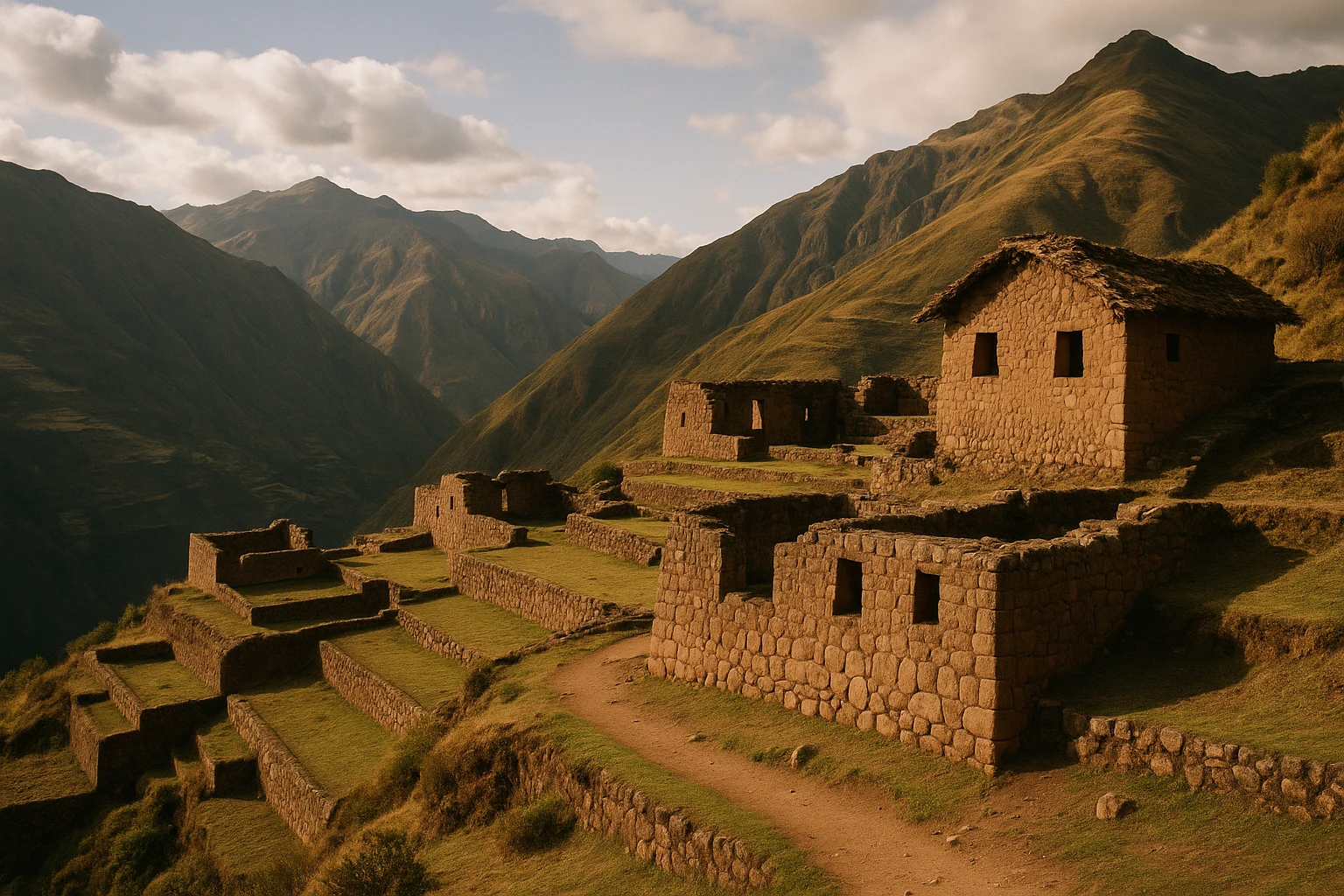
Rosaspata is the main built complex associated with Vitcos, and it immediately reads as an elite Inca architectural environment rather than a village ruin. You see long rectangular compounds, terrace edges, and wall lines arranged to organize movement, status, and visibility. Although much of the finest stone facing has weathered or been displaced, the planning logic remains clear: this was a place where authority was hosted, performed, and protected. Many researchers connect Rosaspata with royal occupation in the Manco Inca era, which helps explain why the site combines domestic, administrative, and ceremonial cues in relatively compact space. Walk slowly through this sector and trace door alignments; the architecture still directs your body through social hierarchy.
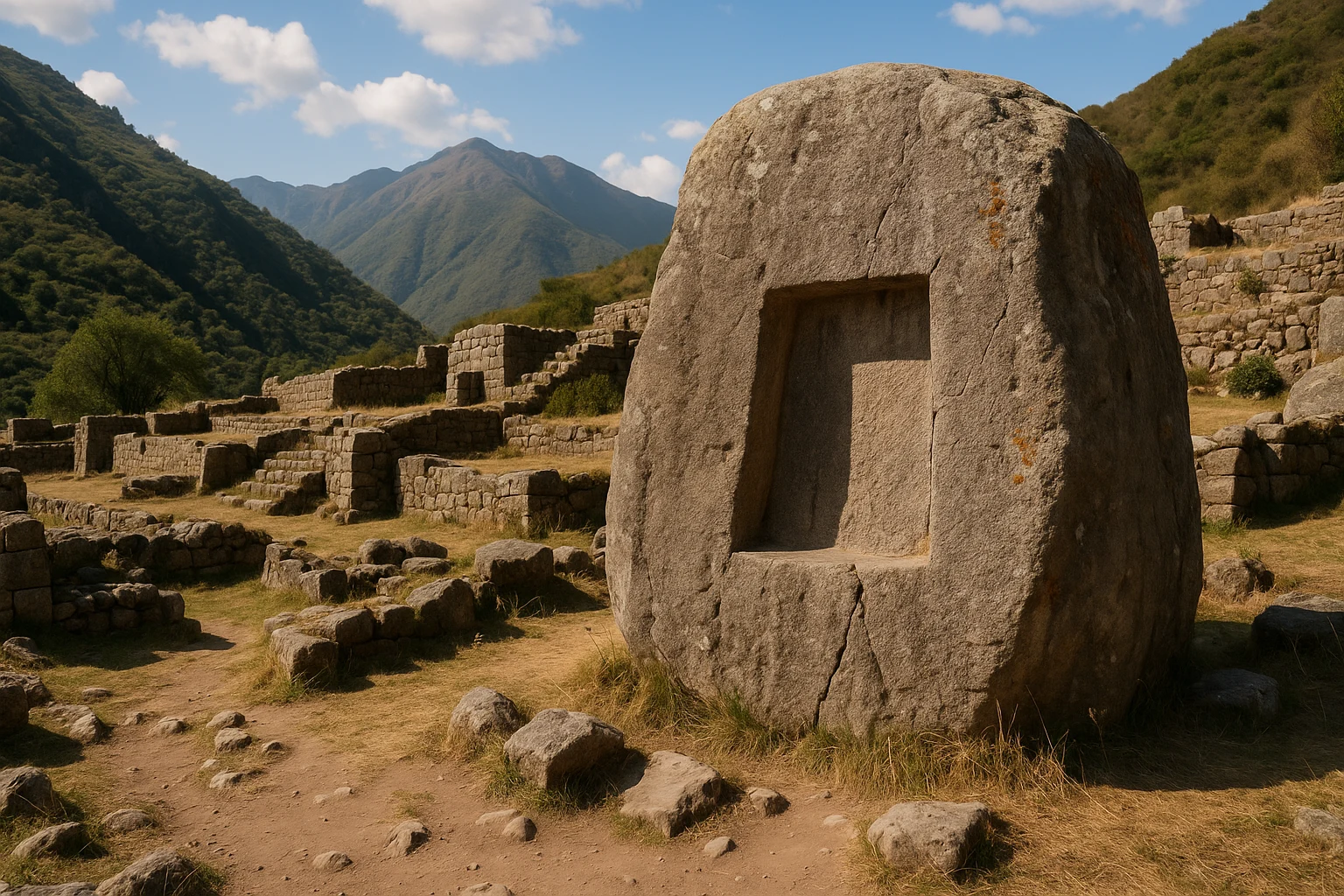
Yurak Rumi (the White Rock shrine)
Yurak Rumi is the spiritual center of a Vitcos visit and one of the most intriguing ritual stones in the Neo-Inca world. The carved white outcrop features channels, niches, and shaped planes that suggest controlled liquid offerings, solar observation, and ceremonial display. Unlike freestanding temples, this shrine fuses geology and architecture: the sacred feature is the mountain’s own material, modified rather than replaced. That distinction matters in Inca cosmology, where stones, springs, and peaks were animate presences, not neutral backgrounds. In practical terms, the carving details are easiest to appreciate in angled morning or late-afternoon light, when shallow relief becomes visible across the rock surface.
Terrace systems and slope engineering
The terraces around Vitcos are often overlooked by visitors rushing between named monuments, but they are central to understanding how the site functioned. These retaining walls stabilized unstable mountain ground, created cultivation bands, and managed water flow in a wet-dry seasonal cycle. Inca and Neo-Inca political endurance depended on logistics as much as ritual legitimacy; terraces like these were infrastructure for food, labor coordination, and erosion control. Even where wall tops are damaged, you can still read the contour-following geometry that made occupation possible in steep terrain. If you care about how Andean states actually worked, spend real time in these “non-monument” sectors.
Ceremonial pathways and connecting spaces
Between Rosaspata and Yurak Rumi, movement corridors likely carried more than foot traffic. Their alignments and transitions suggest processional use, linking elite architecture with sacred stone in a patterned sequence. In many Andean sites, ritual power is not concentrated at a single altar but distributed across pathways, thresholds, and pauses where offerings, speeches, or observances occurred. Vitcos seems to follow that logic. As you walk, look for shifts in elevation and narrowed passages that frame what comes next. These are not random terrain effects; many are deliberate choreographies of approach, revelation, and control.
Rural settlement traces near Huancacalle
The broader Vitcos landscape includes smaller habitation traces near modern communities such as Huancacalle, where older foundations and reused stone indicate long-term occupation around the main ceremonial-administrative core. These areas help correct a common misconception that archaeology consists only of “important” monumental nodes. In reality, Vitcos was embedded in a living regional system of households, fields, and route maintenance. You may not find polished signage here, but you will find context: the everyday social fabric that made elite and ritual life possible.
Mountain viewpoints and defensive logic
Several natural overlooks around the site reveal why Vitcos mattered strategically in the Vilcabamba era. Ridge views open toward valley approaches, and weather windows can be monitored across long distances. In periods of instability, this visibility offered warning time and route awareness for communities moving between highland and cloud-forest zones. The same viewpoints now give travelers a sense of isolation that maps cannot convey. Bring layered clothing and be ready to shoot photos quickly when cloud cover lifts; mountain light changes in minutes, and a clear panorama can close almost immediately.
Getting There: Transportation and Access
Vitcos Yurak Rumi is reachable by road plus short site walks, but remoteness and variable surface quality make logistics the biggest part of the experience.
From Cusco via Santa Teresa corridor
Most travelers depart Cusco early, crossing Sacred Valley approaches before continuing toward Santa Teresa and the Vilcabamba-facing routes. Travel times vary widely with weather, road maintenance, and transfer efficiency.
- Private 4x4 with driver: Usually 900-1,600 PEN ($240-425 USD) for long-distance day use or one-way transfer blocks, depending on vehicle class and season.
- Mixed public transport + local transfer: Often 140-280 PEN ($37-74 USD) total per person, but requires multiple changes and flexible timing.
- Organized archaeology day/overnight route: Higher cost, but coordinates permits, local guidance, and return timing more reliably than ad-hoc arrangements.
From Santa Teresa or local Vilcabamba access points
Travelers already in Santa Teresa district or nearby valleys can reduce total road time by arranging local 4x4 transfer toward Huancacalle and the Vitcos zone.
- Local taxi/4x4 hire: Commonly 180-420 PEN ($48-112 USD) depending on distance, waiting time, and road conditions.
- Motorbike + guide support: Sometimes possible in dry months for experienced riders, but not recommended in heavy rain periods.
- Self-drive rental 4x4: Feasible for advanced mountain drivers; verify fuel planning and recovery options before departure.
Admission and hours
Vitcos and Yurak Rumi access practices can vary by district administration, community oversight, and conservation priorities, so verify current rules before travel. Visitors generally bring cash in soles for local entry or maintenance fees, often modest compared with transport costs. As a planning baseline, many travelers budget around 10-30 PEN ($3-8 USD) in local on-site fees, though this can change. Site exploration is usually done during daylight hours, with morning arrival preferred for clearer weather and easier footing. Card payment infrastructure is limited, and mobile signal can be inconsistent, so treat the visit as primarily cash-and-offline logistics.
Practical Information
For most visitors, Vitcos is less about ticket complexity and more about route readiness. Carry enough water, snacks, and weather protection to handle delays, because road conditions can stretch return times unexpectedly. Footing at both Rosaspata and Yurak Rumi can include uneven stones, wet grass, and slick dirt, so closed-toe hiking shoes with grip are far better than casual sneakers.
Expect limited formal services right at the archaeological sectors. Restrooms, food stalls, and clear interpretive signage may be minimal or absent depending on season and local administration activity. Bring small bills in soles for local fees and incidental purchases, and do not assume card acceptance. If you are combining Vitcos with longer mountain travel, a trekking pole is useful on muddy inclines, and a light rain shell is essential even in drier months because weather can shift rapidly. The best on-site visiting window is usually early to mid-morning, when cloud cover is lighter and terrain is cooler for walking.
When to Visit: Seasonal Considerations
Spring shoulder (September-November)
Conditions typically range around 11-24°C (52-75°F), with dry spells in September and October followed by increasing rainfall toward November. Crowds are generally low to moderate, and landscapes begin to green up after the dry-season peak. This season is good for travelers who want fewer groups and are comfortable with occasional weather interruptions.
Summer wet season (December-February)
Expect frequent rain, slick roads, and muddy approach paths, with temperatures often around 12-23°C (54-73°F). Visitor numbers are low, which can make the site feel especially quiet, but transport unpredictability increases. Waterproof layers, extra travel buffer, and flexible schedules are mandatory if you visit during this period.
Autumn transition (March-May)
March can still be wet, but April and May usually offer improving road reliability with lush scenery and moderate temperatures around 10-24°C (50-75°F). Crowds remain lighter than Peru’s flagship circuits, making this a strong balance window for many travelers. For most itineraries, late April through May is the best all-around compromise.
Winter dry season (June-August)
This is typically the most stable period for access, with clearer skies and daytime temperatures around 8-22°C (46-72°F), though mornings can be chilly at elevation. Crowds rise modestly, but Vitcos still feels uncrowded compared with major Peru icons. If your top priority is dependable logistics and better mountain visibility, winter dry season is the safest bet.
Combining Vitcos Yurak Rumi with Cusco and the Vilcabamba corridor
Vitcos works best when you frame it as part of a wider Vilcabamba-history itinerary rather than a rushed detour from Cusco. A smart sequence starts with acclimatization in Cusco for at least two nights, then a pre-dawn departure around 4:30-5:00 AM for long overland transit. Reaching the site zone by late morning gives enough time to explore Rosaspata first and arrive at Yurak Rumi in better light around 1:00-2:00 PM, when carved details can still read clearly if cloud cover cooperates.
If you can spare an overnight, the experience improves significantly. Day one covers the transfer and main monuments without pressure to sprint back immediately; day two can include nearby route segments tied to Vilcabamba history before returning toward Cusco. This slower rhythm also protects you against weather delays, which are common in shoulder and wet months.
A strong broader itinerary is Cusco, then Vitcos, then either Choquequirao or the Sacred Valley depending on your energy and interests. For archaeology-focused travelers, pairing Vitcos with Choquequirao creates a compelling Neo-Inca-to-imperial frontier narrative. For mixed-culture itineraries, follow Vitcos with Ollantaytambo and Pisac, where architecture is more conserved and easier to interpret comparatively. Either way, plan meals and fuel stops in advance because service density drops fast outside major hubs. Total time for a satisfying Cusco + Vitcos + one additional anchor site is usually 4-6 days minimum, and 7-8 days is much more comfortable.
Why Vitcos Yurak Rumi Matters
Vitcos Yurak Rumi matters because it captures the Inca world at its most humanly exposed: after imperial certainty, before complete disappearance, in a landscape where power had to be rebuilt day by day. Here you see architecture that still carries authority, but also adaptation, improvisation, and strain. The White Rock shrine is not monumental in the way modern tourism expects; its force comes from intimacy, from carved surfaces that invite close reading rather than distant admiration.
It also matters because it reframes what “important ruins” means. Some sites impress through scale, others through preservation. Vitcos impresses through historical tension. You are standing where ceremony, strategy, and survival overlapped in the final Neo-Inca decades, and that overlap gives the place uncommon emotional gravity. If Machu Picchu can feel like a perfected memory, Vitcos feels like history still in motion.
Travelers who make the effort to come here usually leave with a different relationship to the Andes: less checklist, more continuity; less spectacle, more understanding. And that is exactly why this difficult, quiet site belongs in a serious Peru journey.
Quick Facts
| Attribute | Details |
|---|---|
| Location | Vilcabamba corridor near Huancacalle, Cusco Region, Peru |
| Ancient Name | Vitcos (associated center), with Yurak Rumi ritual sector |
| UNESCO Status | Not separately inscribed; part of the broader Inca cultural landscape |
| Established | c. 15th century CE royal estate and shrine complex |
| Distance from Cusco | Roughly 180-220 km route-dependent, typically full-day overland travel |
| Entry Fee | Local fees commonly around 10-30 PEN ($3-8 USD), cash recommended |
| Hours | Daylight access; morning arrival strongly recommended |
| Best Time | Late April-September for more reliable roads and clearer skies |
| Suggested Stay | 2-3 hours on site; full day or overnight including transfers |
| Primary Highlight | Yurak Rumi (White Rock) carved ritual stone complex |
Explore More Peru
- Choquequirao: Remote Inca mountain complex with monumental terraces and famous white-llama reliefs.
- Machu Picchu: The iconic Inca citadel, best visited with advance circuit planning.
- Ollantaytambo: Living Inca town and fortress-temple in the Sacred Valley.
- Huchuy Cusco: Lesser-visited highland ruins with broad valley views and Inca masonry.
Plan your complete route with our Peru Ancient Sites Guide, and prepare logistics with our Sacred Valley itinerary guide.
Frequently Asked Questions
How much time should I plan for Vitcos Yurak Rumi?
Plan at least 2-3 hours on site if you want to see both Rosaspata and the Yurak Rumi shrine without rushing. If road conditions are slow, most visitors treat it as a full-day outing from the Santa Teresa or Vilcabamba corridor. Add extra time in rainy months because paths around the ruins can be slick.
What is the best time of year to visit Vitcos?
The driest and easiest period is generally May through September, when roads and footpaths are more reliable. April and October can be excellent shoulder months with greener hills and lighter crowds. December through March is wetter and can mean mud, reduced visibility, and longer travel times.
Do I need a guide to visit Yurak Rumi?
A guide is not always legally required, but it is strongly recommended because signage is limited and the site's history is layered. A knowledgeable local guide helps distinguish Rosaspata structures from ritual areas at Yurak Rumi and explains the Manco Inca context. For independent travelers, hiring a guide in advance from Cusco or Santa Teresa is the safest option.
How do I get to Vitcos from Cusco?
Most travelers go by private vehicle via the Sacred Valley and Santa Teresa area, then continue by local roads toward Huancacalle and the site zone. Depending on route, weather, and road work, total travel can take 6-10 hours each way. Organized 4x4 transport is usually more reliable than piecing together local transfers.
Is there an entrance fee at Vitcos Yurak Rumi?
Local access and conservation fees can change, and collection practices may vary by season or district administration. Travelers typically carry cash in Peruvian soles and should budget for small local fees in addition to transport costs. Confirm current requirements with local tourism offices or your operator before departure.
What exactly is Yurak Rumi, and why is it important?
Yurak Rumi, often translated as the White Rock, is a carved ritual stone complex linked to Inca ceremonial activity in the Vilcabamba region. Its channels, niches, and sculpted surfaces suggest libation and solar-lunar ritual functions rather than domestic use. It is one of the clearest sacred features connected to the Neo-Inca landscape after the Spanish conquest.
Nearby Ancient Sites
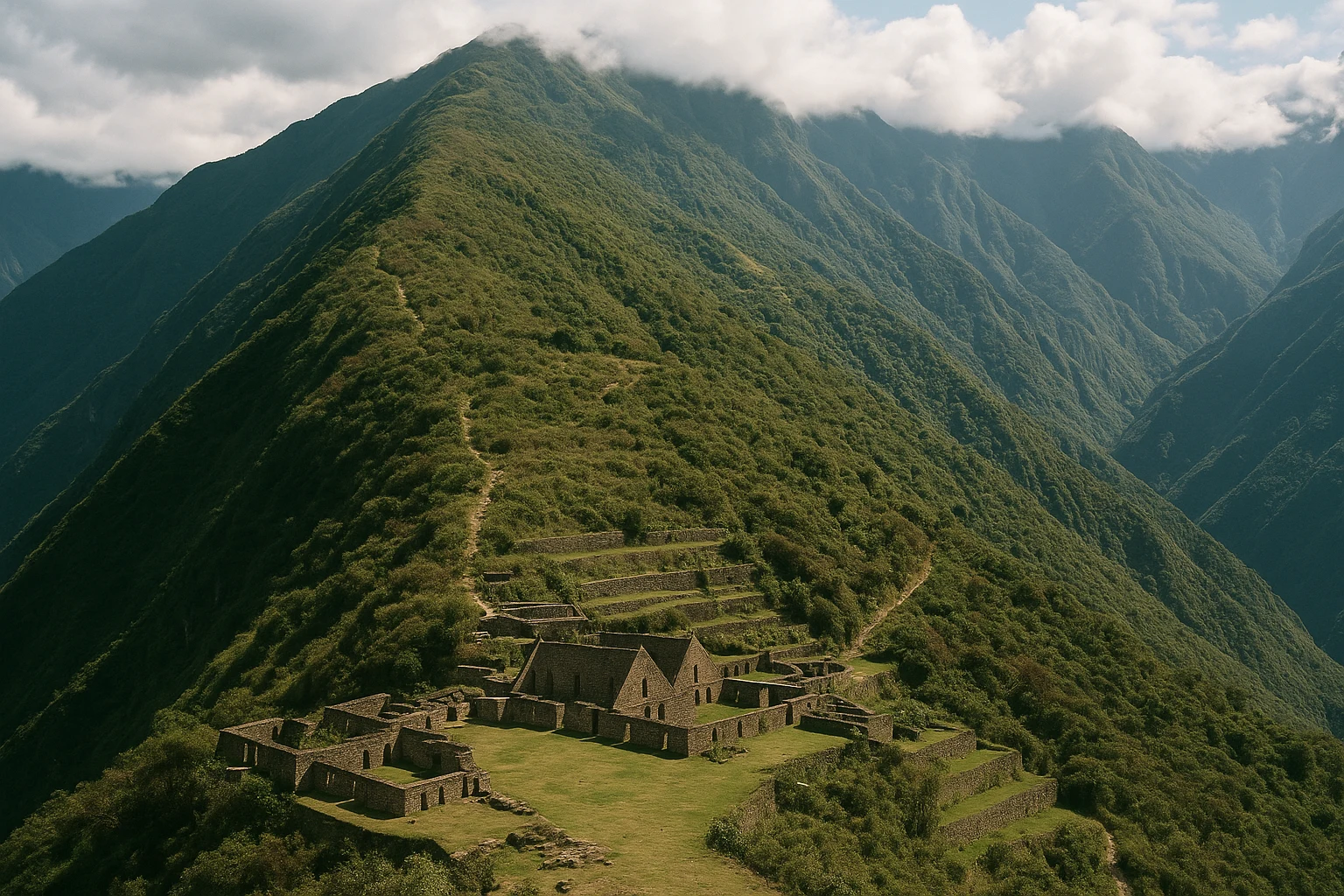
Choquequirao Peru Guide 2026: Inca Terraces & Llama Reliefs
Killke-Inca-Spanish Colonial-era rediscoveryPlan the Choquequirao trek in Peru with route details, permits, and timing to see Inca terraces, cer...
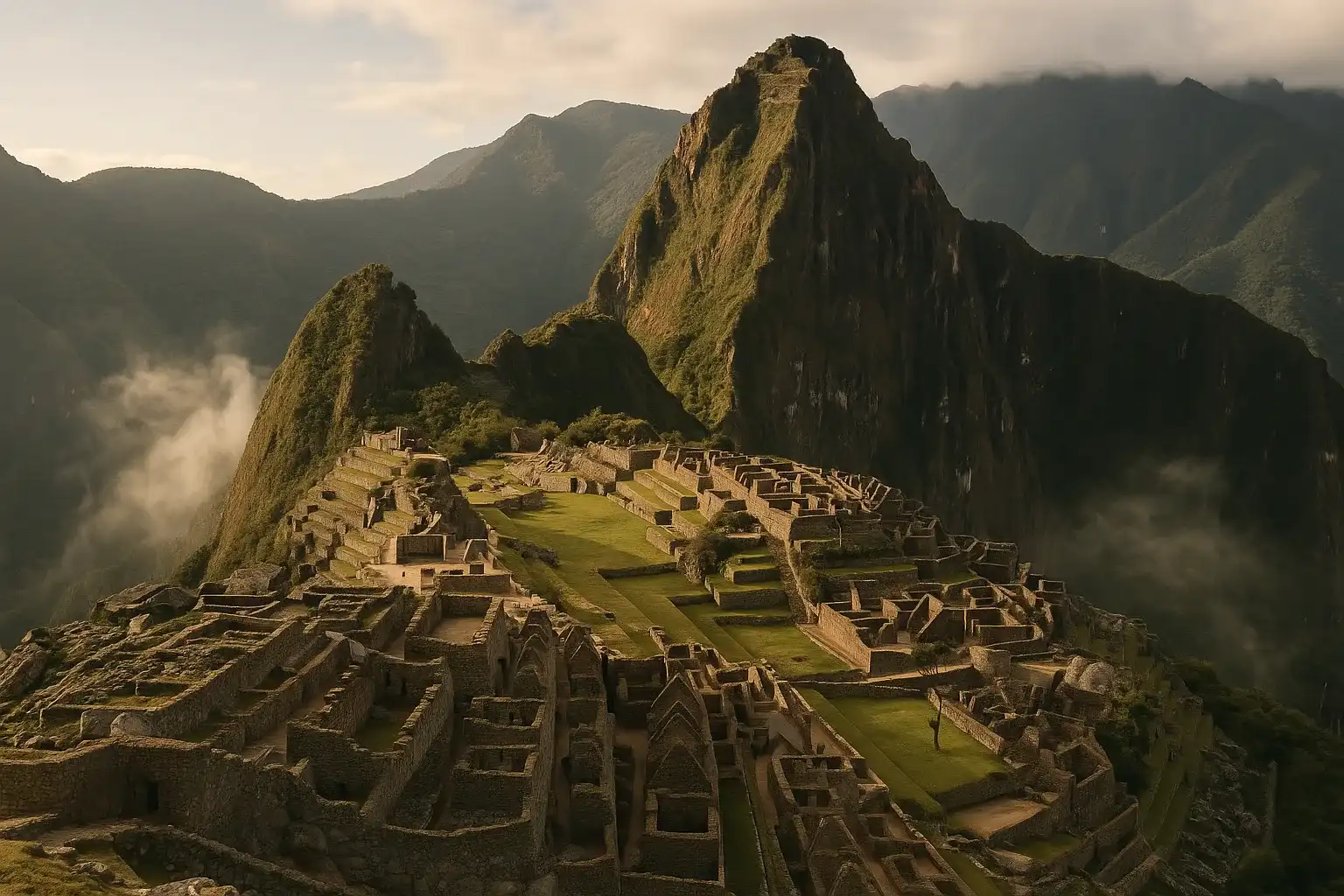
Machu Picchu Peru Travel Guide 2026: Circuits, Tickets & Entry Tips
Inca EmpireNavigate Machu Picchu's 2026 circuit system with our definitive guide. Learn how to choose your rout...
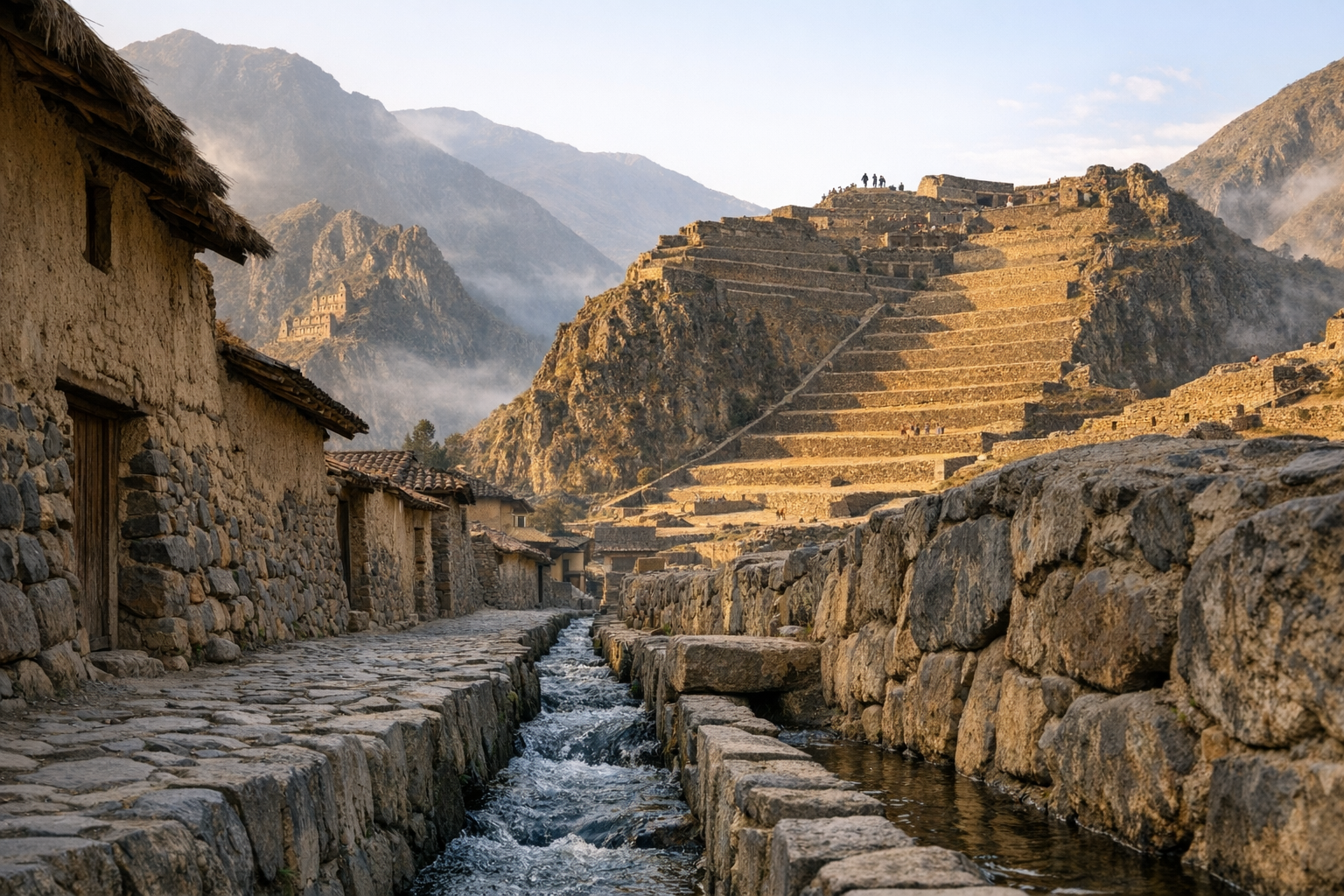
Ollantaytambo Peru Guide 2026: Inca Fortress & Sacred Valley Town
IncaVisit Ollantaytambo in Peru's Sacred Valley: explore the Inca fortress terraces, the Sun Temple, and...
Huchuy Cusco Peru Guide 2026: Inca Terraces & Sacred Valley Trek
Killke-IncaPlan a visit to Huchuy Cusco in Peru with trail options from Cusco, ruins highlights, ticket basics,...