Quick Info
Curated Experiences
Avebury, Silbury Hill, and West Kennet Small-Group Tour
Private Avebury Landscape Archaeology Day
Stonehenge and Avebury Heritage Route
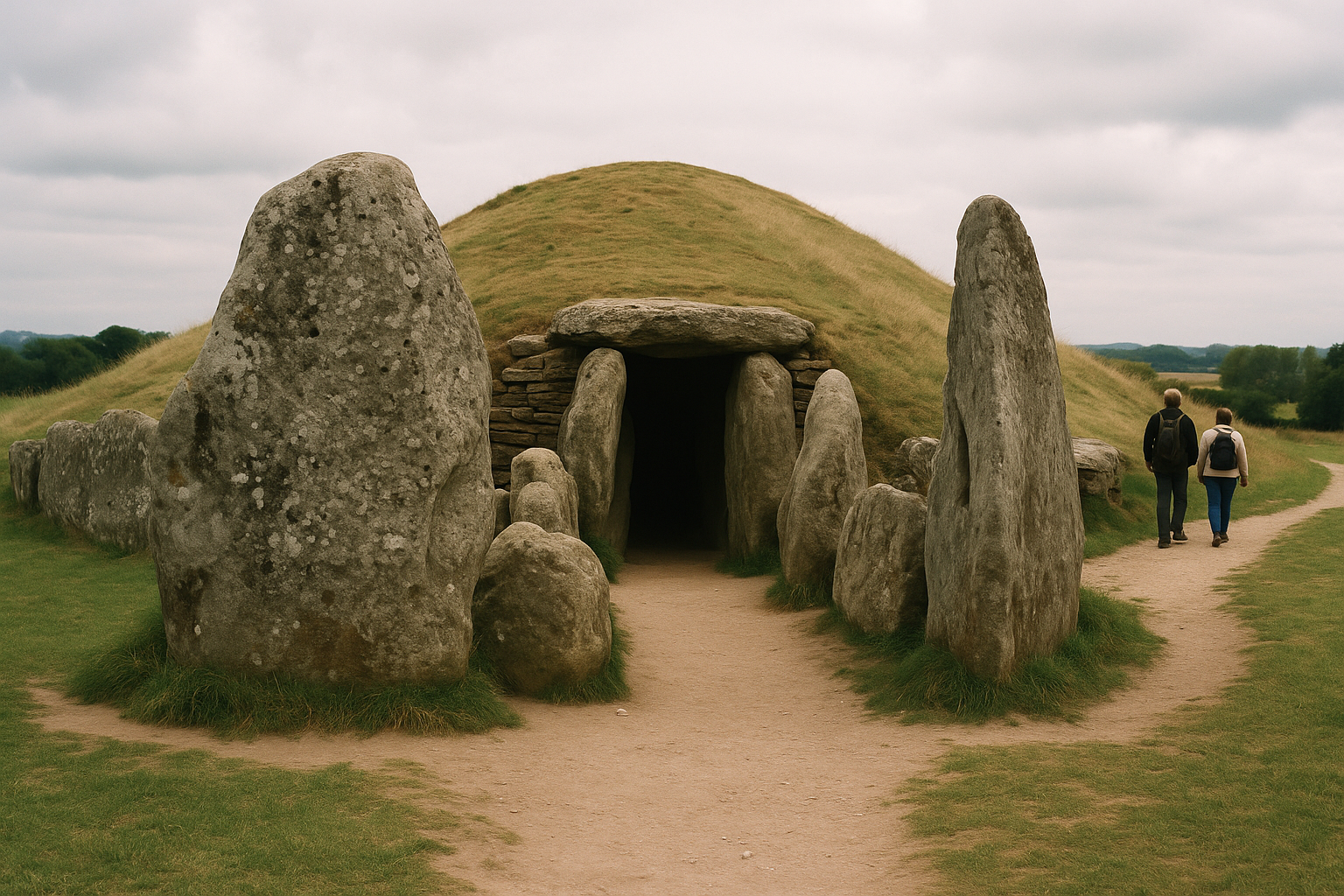
West Kennet Long Barrow is one of the largest and most accessible Neolithic chambered tombs in Britain. Built around 3650 BCE on a chalk ridge above the Kennet Valley, it predates Stonehenge by roughly a thousand years and remained in active use for over a millennium before being deliberately sealed with massive sarsen blocking stones. Unlike most prehistoric burial monuments in the UK, visitors can walk directly into its stone-lined chambers, making this one of the few places on earth where you physically enter a structure built more than five and a half thousand years ago.
The walk from the road takes about 15 minutes through open farmland, climbing gently to the ridge. When the mound appears — long, grass-covered, stretching roughly 100 meters along the hilltop — the scale surprises. Photographs do not prepare you for how large this barrow actually is. And then you step inside, and the cool, still air closes around you, and the massive sarsen capstones press low overhead, and you understand that you are standing in a space where a Neolithic community placed their dead for a thousand years.
For travelers working through southern England’s prehistoric landscape, West Kennet is not a minor add-on to an Avebury visit. It is a primary site that anchors the western end of the Avebury ceremonial complex and offers something no other monument in the region does: the interior experience of a Neolithic tomb, unmediated by glass barriers or guided-tour ropes.
Historical Context
Construction began around 3650-3600 BCE during the early Neolithic, when farming communities were establishing permanent settlements across southern Britain. This was a period of profound social transformation — hunter-gatherer bands giving way to settled agricultural communities that organized labor, claimed territory, and built monuments to anchor their relationship with the land and the dead. West Kennet Long Barrow is one of the earliest and largest expressions of that new world in Wiltshire.
The tomb was built using local sarsen stones for the interior chambers and chalk rubble quarried from flanking ditches for the mound itself. The labor involved was substantial: archaeologists estimate that the construction required thousands of person-hours, involving quarrying, transporting heavy sarsen boulders, shaping chamber walls, and raising capstones that weigh several tons each. This was not the work of a single family. It was a communal project that demanded organizational capacity and shared purpose.
For roughly a thousand years, the chambers received human remains. Skeletal analysis from the 1955-56 excavations by Stuart Piggott and Richard Atkinson identified at least 46 individuals — men, women, and children of varying ages, with no obvious hierarchy in placement. The bones show signs of having been periodically rearranged: skulls separated from long bones, femurs grouped together, smaller bones displaced. This pattern suggests the community maintained an ongoing, active relationship with the dead rather than treating burial as a single, sealed event. The tomb was a place people returned to repeatedly across generations, a repository of ancestral presence rather than a closed crypt.
Around 2500-2200 BCE, during the late Neolithic or early Bronze Age, the chambers were deliberately filled with earth, rubble, and cultural deposits (including Grooved Ware and Beaker pottery, flint tools, and beads), and enormous sarsen stones were placed across the forecourt entrance to seal the tomb permanently. This closing was not casual destruction. It was a planned ritual act, likely tied to shifting cultural practices as society moved toward individual round-barrow burials and the monument-building traditions that would culminate in the final phases of Stonehenge.
The barrow was first opened in the 1850s by John Thurnam, a pioneering but methodologically rough excavator. The more rigorous 1955-56 excavation by Piggott and Atkinson recovered the bulk of the skeletal and artifactual evidence that now informs our understanding of early Neolithic funerary practice in Britain. The chambers were subsequently cleared and made accessible to visitors, and the site has been open ever since.
What to See
The Chambers
This is the defining experience of the site. The passage leads from the forecourt into a central corridor with two side chambers on each flank and a terminal chamber at the far end — five chambers in total. The sarsen uprights supporting the massive capstones are visibly ancient, their surfaces weathered and stained with lichen. Ceiling heights vary; in places you will need to stoop, and in the terminal chamber you can stand nearly upright. Give your eyes time to adjust to the dim light. Stand still for a moment and register the acoustic quality — the stillness inside is markedly different from the open ridge, and many visitors remark on the sense of enclosure and weight that the stones create. This is a space designed to hold the dead, and even empty it retains that character.
The Mound
Before or after entering the chambers, walk the full length of the barrow. At roughly 100 meters, it is far larger than most visitors expect from photographs. The scale becomes clear only on foot. Notice how the mound follows the ridge contour, maximizing its visibility from the valley below, from the direction of Silbury Hill, and from the Avebury complex to the northwest. The flanking ditches, from which chalk was quarried during construction, are still visible as shallow depressions running parallel to the mound.
The Blocking Stones
The large sarsen stones across the forecourt area mark the deliberate sealing of the tomb. These are not structural supports but closing stones, placed as a final ritual act roughly 1,500 years after the tomb was first built. Their size and careful placement deserve close examination — they represent a conscious decision by a later community to end the tomb’s active use and mark that ending with monumental permanence.
The Sightlines
From the area near the entrance, look south toward Silbury Hill. On a clear day, the massive artificial mound — the largest prehistoric earthwork in Europe — is plainly visible across the valley. Look northwest toward Avebury. These sightlines are not coincidental. West Kennet, Silbury Hill, Avebury Stone Circle, the West Kennet Avenue, and the Sanctuary all form part of a designed ceremonial landscape that Neolithic communities maintained and expanded across centuries. Understanding these visual connections transforms the visit from a quick stop at a grassy mound into something considerably more layered.
Timing and Seasons
West Kennet Long Barrow is open year-round with no restrictions on visiting hours, making it one of the most flexible heritage sites in Britain. The best months are April through October, when daylight is long, paths are drier, and the chalk landscape shows its fullest color. Temperatures range from 50-70°F (10-21°C) in the main visiting season.
Visit on weekday mornings for the quietest experience, particularly if you want time alone inside the chambers. The chambers are small enough that even three or four groups create a sense of crowding. Summer weekends and school holidays bring more visitors, and solstice periods (late June and late December) attract pagan and spiritual groups who use the site for ceremonies.
Late afternoon light, particularly in spring and autumn, brings out the texture of the chalk landscape and the sarsen stones beautifully, and is the best window for photography. Winter visits are viable — the site is fully accessible — but the path can be muddy and the ridge is cold and exposed. Winter temperatures average 36-46°F (2-8°C), and shorter daylight limits the window.
Tickets, Logistics, and Getting There
There is no entrance fee and no staffed facility at West Kennet Long Barrow. The site is managed by English Heritage and is freely accessible at all times. This open-access model is one of the site’s great virtues — no timed tickets, no crowds funneled through a visitor center, no barriers between you and the stones.
The barrow sits roughly 1.5 kilometers south of Avebury along the A4. A small layby on the A4 provides parking for approximately 8 to 10 cars. From the layby, the walk to the barrow takes 15 to 20 minutes along a farm track and then a footpath that climbs gently to the ridge. The path crosses open farmland and is not paved — in wet weather, it becomes muddy and slippery.
From London, the Avebury area is roughly 90 minutes west by car via the M4 and A4. From Bath, the drive is about 40 minutes east. No direct public transport reaches the layby; the nearest bus stop is in Avebury village, from which the barrow is a roughly 30-minute walk. Organized day tours from London, Bath, or Salisbury that include West Kennet typically cost $129-249 per person and combine the barrow with Avebury and Silbury Hill.
The Alexander Keiller Museum in Avebury village provides essential interpretive context for the entire landscape and is worth visiting before or after the barrow. The Avebury National Trust car park (pay-and-display) is the most convenient base for a combined Avebury/West Kennet visit.
Practical Tips
- Wear shoes with good grip. The path is a mix of farm track, grass, and bare earth that becomes muddy after rain. The incline is modest but consistent.
- Bring a small flashlight or use your phone light inside the chambers. Natural light reaches the interior on bright days, but the side chambers are quite dark.
- Carry water. There are no facilities at the monument — no toilets, no food, no shelter.
- Respect the site. West Kennet Long Barrow is an open-access scheduled monument, and its continued availability depends on responsible visitor behavior. Do not move stones, light candles or fires inside the chambers, or leave any objects behind.
- The chambers are small and low-ceilinged. Visitors with claustrophobia or significant mobility limitations should be aware that the passage requires stooping and the floor is uneven packed earth.
- A pair of binoculars helps for tracing sightlines to Silbury Hill and Avebury from the ridge.
- Combine West Kennet with Avebury and Silbury Hill for a half-day or full-day Neolithic landscape experience. The three sites are within walking distance of each other and gain enormously from being visited together.
Suggested Itinerary
Start at Avebury Stone Circle and the Alexander Keiller Museum for the central ceremonial space and interpretive context (1 to 1.5 hours). Walk or drive south along the A4 to the Silbury Hill viewpoint (15 minutes viewing; climbing is not permitted). Continue to the West Kennet layby and walk to the barrow (15 to 20 minutes each way). Spend 30 to 45 minutes at the barrow, including entering the chambers, walking the mound’s full length, and tracing the sightlines.
Total time for the three-site loop: 3 to 4.5 hours depending on pace and interest level. If you have a full day, add the Sanctuary (the site of a former timber and stone circle on Overton Hill, connected to Avebury by the West Kennet Avenue) and the East Kennet Long Barrow, which is unexcavated and overgrown but visible from the footpath network and provides a useful comparison.
For a broader Wiltshire day, add Stonehenge (roughly 30 minutes south by car) for the later monumental phase of Neolithic and Bronze Age construction.
Nearby Sites
Avebury Stone Circle is the centerpiece of the ceremonial landscape and the natural starting point for any visit to this area. The massive henge and stone circle, with its village built inside the monument itself, provides the spatial and interpretive context that makes West Kennet and Silbury Hill more legible. Avebury is roughly 1.5 kilometers north.
Silbury Hill is visible from West Kennet’s ridge and represents the largest prehistoric artificial mound in Europe. Climbing is not permitted, but the scale is visible from the roadside viewpoint, and its deliberate visual relationship to West Kennet reinforces the designed quality of this landscape. The viewpoint is about 1 kilometer northwest of the West Kennet layby.
Stonehenge is approximately 30 minutes south by car and covers a later phase of Neolithic and Bronze Age monumental construction. Visiting both Avebury and Stonehenge in a single day gives you the fullest possible survey of Wiltshire’s prehistoric heritage, though each site deserves at least 2 hours.
For travelers interested in Neolithic and Bronze Age funerary traditions more broadly, Newgrange in Ireland’s Boyne Valley offers a different passage-tomb tradition from a roughly contemporary period — a useful transatlantic comparison for serious prehistoric-site enthusiasts.
Discover More Ancient Wonders
- Avebury Stone Circle — Neolithic henge and stone circle in the heart of the Wiltshire landscape
- Stonehenge — The most famous prehistoric monument in Britain
- Newgrange — Neolithic passage tomb in Ireland’s Boyne Valley
- Boyne Valley Passage Tombs — Knowth, Dowth, and the broader Bru na Boinne complex
- Our guide to Neolithic and Bronze Age sites across Britain and Ireland
Final Take
West Kennet Long Barrow is not a site that overwhelms through scale or visual spectacle. Its power is direct and physical: you walk into a space built more than five thousand years ago, stand among the same stones that held the dead of a Neolithic community, and emerge onto a ridge that still connects visually to the monuments those people built across the surrounding landscape. The chambers are low, the light is dim, the air is cool. For a few minutes you inhabit the same space that Neolithic communities used for a thousand years of burial, rearrangement, and return.
Walk the mound, trace the sightlines, sit on the ridge if the weather allows, and let the landscape do its work. West Kennet does not explain itself with panels and audiovisuals. It simply lets you in, and what happens after that is between you and the stones.
Quick Facts
| Attribute | Details |
|---|---|
| Location | Near Avebury, Wiltshire, England |
| Country | United Kingdom |
| Region | Wiltshire |
| Civilization | Neolithic Britain |
| Historical Period | Early to Late Neolithic |
| Built | c. 3650-3600 BCE |
| Sealed | c. 2500-2200 BCE |
| Length | Approximately 100 meters |
| Burials Found | At least 46 individuals |
| Admission | Free, open access, no restrictions |
| Managed By | English Heritage |
| Coordinates | 51.4083, -1.8536 |
Frequently Asked Questions
Can you go inside West Kennet Long Barrow?
Yes, visitors can usually enter the reconstructed chambers, but access depends on site conditions and respectful behavior inside the monument.
How long should I plan for West Kennet Long Barrow?
Most travelers should allow 45 to 75 minutes including the uphill walk, chamber visit, and time to take in the surrounding landscape.
Is West Kennet Long Barrow suitable for all mobility levels?
The approach involves a steady incline on uneven paths, so it may be challenging for visitors with limited mobility or in wet weather.
Nearby Ancient Sites
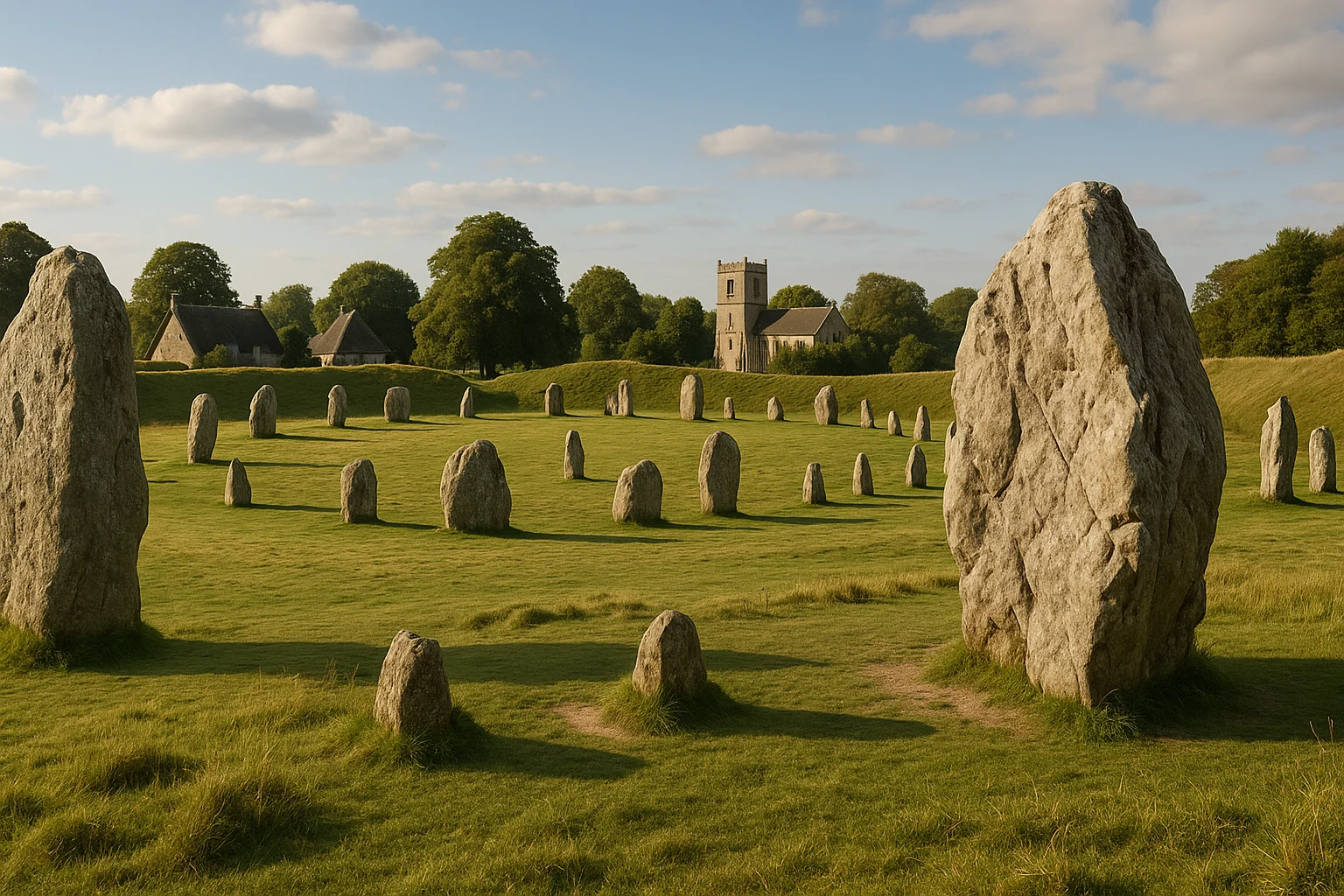
Avebury Stone Circle Travel Guide 2026: Best Walk Routes, History, and Visit Planning
Neolithic BritainPlan a stronger visit to Avebury Stone Circle with practical walking routes, landscape context, and ...
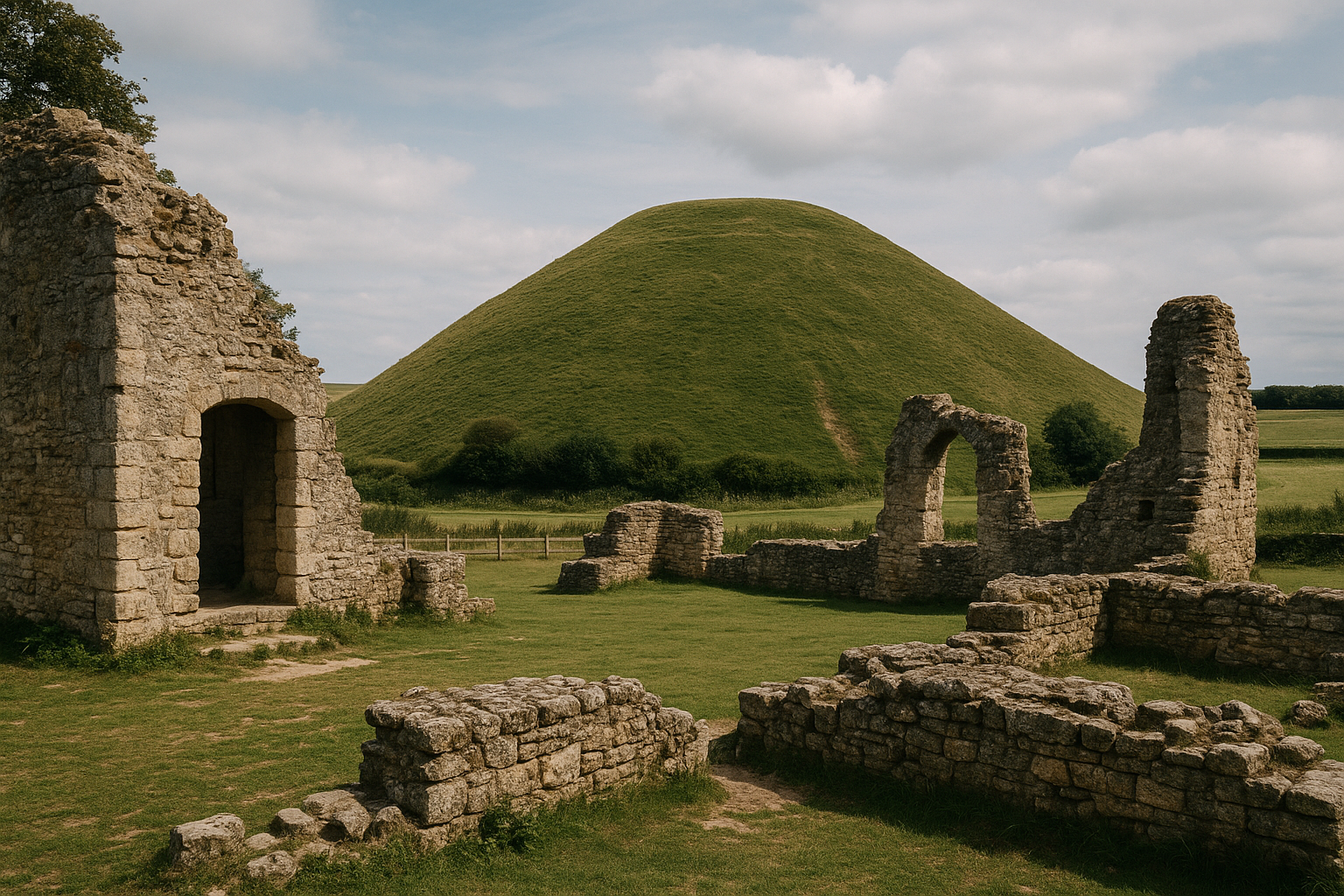
Silbury Hill Travel Guide 2026: Visiting Wiltshire’s Largest Prehistoric Mound
Neolithic BritainPlan a smart stop at Silbury Hill with practical access notes, archaeology context, and easy itinera...
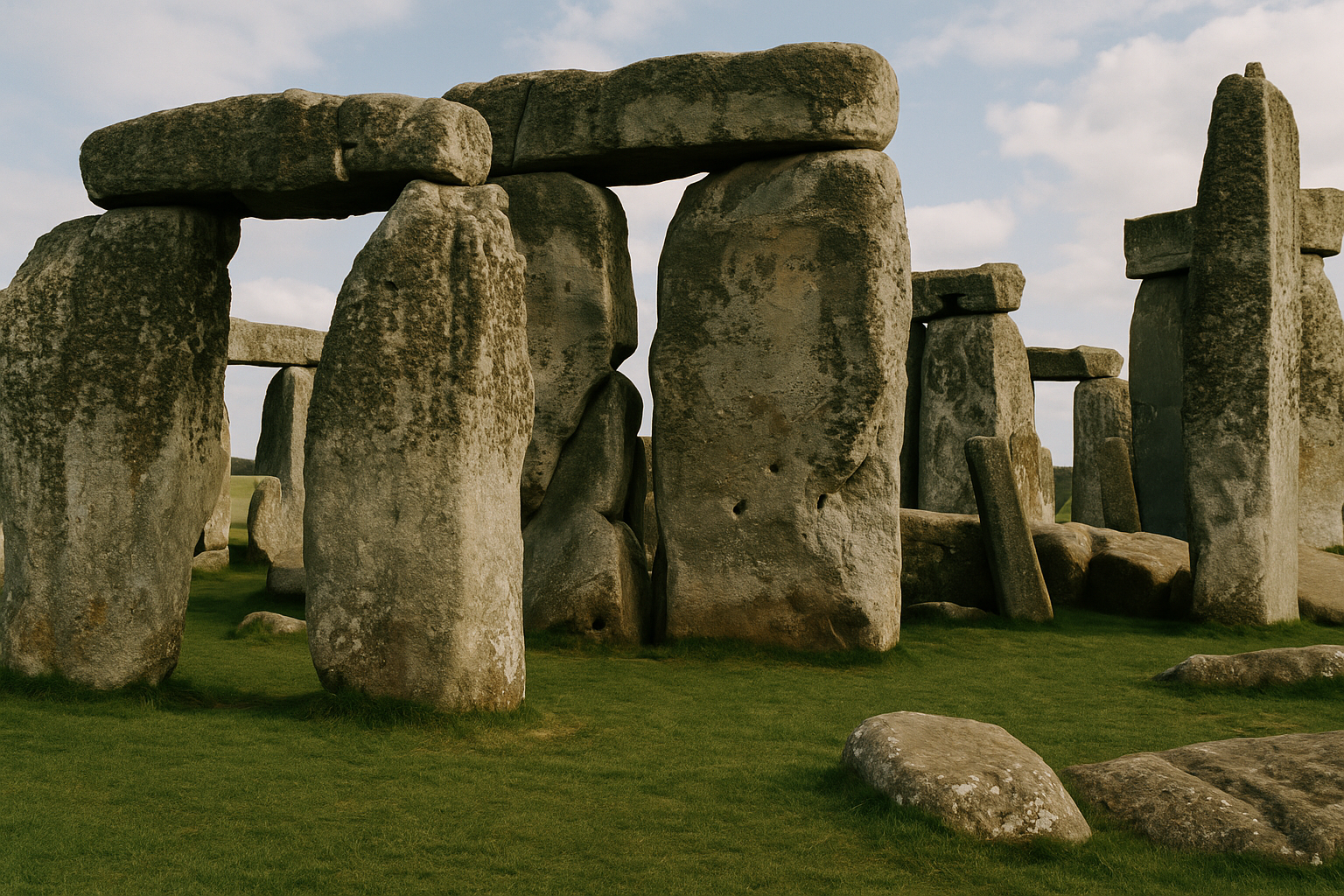
Stonehenge Travel Guide 2026: Solstice History, Tickets, and Day-Trip Planning
Neolithic and Bronze Age BritainPlan a smooth visit to Stonehenge with practical ticket timing, transport options from London and Ba...