Quick Info
Curated Experiences
Huaraz City Tour with Willkawain and Monterrey
Ancash Archaeology Tour: Willkawain and Regional Museum
Private Huaraz Heritage Day: Willkawain and Callejon Villages
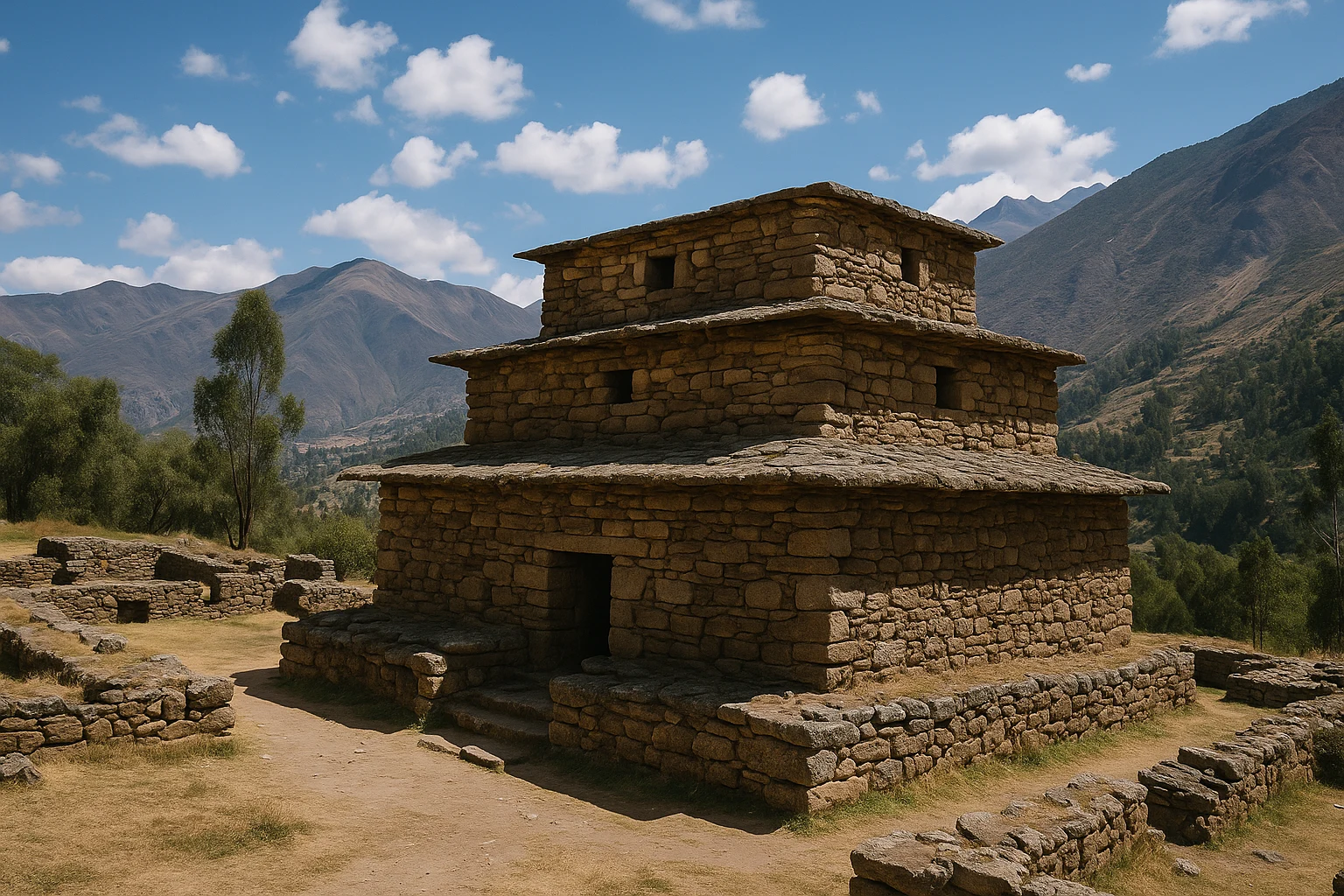
Wilkawain in Peru is one of those places that catches you off guard: compact in footprint, quiet in atmosphere, and historically larger than it first appears. Just outside Huaraz in the Ancash highlands, this Wari-period funerary complex rises in dark stone against a broad Andean sky, with the white summits of the Cordillera Blanca often hovering in the distance. This Wilkawain Peru travel guide starts with that contrast. You are not arriving at a giant citadel. You are stepping into a concentrated architectural statement about death, memory, and power in the Middle Horizon Andes.
Many visitors race through Huaraz on their way to glacier trails and high lakes, but Wilkawain rewards a different pace. It offers a rare chance to stand inside a highland mausoleum tradition that sits between earlier regional cultures and later imperial systems. At Ancient Travels, we recommend it as an anchor for understanding Ancash beyond trekking. In the sections below, you will find the site’s layered history, the key monuments to prioritize, practical transport and ticket details, seasonal strategy, and a realistic way to combine Wilkawain with nearby cultural stops in and around Huaraz.
History: A Highland Mortuary Center Between Worlds
Recuay roots in the Ancash highlands (c. 200 BCE-600 CE)
Before Wilkawain emerged in its best-known form, the Ancash region was shaped by Recuay and related highland communities that developed distinctive stone architecture, sculptural traditions, and funerary practices. These societies occupied valleys and slopes where agriculture depended on careful water management and social cooperation across altitude zones. Mortuary architecture held political meaning: tombs were not simply places of burial but enduring markers of lineage, territory, and ancestral legitimacy. The cultural groundwork that later allowed Wilkawain to function as a formal funerary center likely began in this long Recuay phase, when stone building knowledge and ancestor-focused ritual were already deeply embedded in local life.
Wari expansion and provincial integration (c. 600-900 CE)
During the Wari expansion across parts of the central Andes, Ancash became connected to broader Middle Horizon networks of administration, ritual exchange, and elite symbolism. Wilkawain is widely interpreted as a product of this period, reflecting both regional continuity and supraregional influence. The site’s masonry and chambered architecture suggest a funerary-ceremonial role linked to status display, possibly for local elites aligned with Wari political-religious systems. Rather than a military fortress, the complex appears to have functioned as a controlled space of memory where the dead and the living were woven into institutional authority. In this sense, Wilkawain tells a familiar Andean story: imperial integration not by erasing local traditions, but by reorganizing them into new hierarchies.
Post-Wari transitions and local persistence (c. 900-1470 CE)
As Wari influence receded, many highland centers shifted into more localized political landscapes. Wilkawain’s use likely changed over time, with some sectors repurposed, abandoned, or ritually reinterpreted by communities inheriting the site. Archaeological evidence from Ancash broadly suggests that memory persisted even when centralized systems weakened. Monuments continued to matter because they anchored social identity in place. While documentation is thinner than for later Inca centers, the broader pattern is clear: the end of one political order rarely meant total rupture. Instead, landscapes like Wilkawain moved through phases of selective continuity and adaptive reuse.
Colonial era neglect and landscape change (16th-19th centuries)
Following the Spanish conquest, highland mortuary and ceremonial sites outside major colonial corridors often entered long periods of neglect. Stones were removed from some structures, pathways shifted, and agricultural use expanded around older architectural cores. Wilkawain survived in part because of its location and local recognition, though weathering and erosion gradually altered exposed sectors. As happened across the Andes, colonial religious frameworks recast pre-Hispanic sacred geographies, but they did not erase local memory entirely. Place names, oral references, and recurring visitation patterns helped keep these ruins legible to surrounding communities.
Modern archaeology and heritage stewardship (20th century-present)
Systematic study of Wilkawain accelerated in the twentieth century as Peruvian archaeology expanded regional documentation beyond marquee destinations. Mapping and conservation clarified the site’s multi-level funerary architecture and its place in Ancash’s broader cultural sequence. Today, Wilkawain remains less developed than Peru’s flagship archaeological parks, which is part of its appeal. You can still read masonry, circulation, and chamber logic without heavy infrastructure getting in the way. The tradeoff is practical: interpretation quality depends heavily on local guides and visitor preparation. Ongoing stewardship now balances tourism potential with conservation needs, especially around fragile walls and internal spaces.
The Key Monuments: What to See at Wilkawain
The main mausoleum tower
The defining feature of Wilkawain is the rectangular, multi-level stone mausoleum often described as one of the most distinctive Wari-associated funerary structures in northern Peru. Its thick walls and stacked internal chambers create a compact vertical design that feels both defensive and ceremonial, even though its principal role was mortuary. As you approach, notice how small openings and controlled entrances regulate movement and visibility. This is architecture built to structure ritual access, not open circulation. Inside and around the building, archaeologists have documented contexts interpreted as elite burial spaces, likely used for mummified bundles and offerings. Even without complete interior access, the monument communicates a powerful message: authority can be materialized through permanence, enclosure, and stone. For photos, morning side light best reveals wall texture and construction joints.
Chamber networks and funerary logic
Beyond the exterior silhouette, Wilkawain’s significance lies in how interior and adjacent chamber spaces were organized. Narrow passages, compartmentalized rooms, and layered floors suggest repeated ritual engagement rather than a single burial event. In Andean contexts, elite ancestor remains could remain socially active long after death, participating symbolically in political life through curated display, visitation, and offerings. Wilkawain’s architecture supports that interpretation. You are not seeing a tomb in a strictly modern sense; you are seeing a built system for managing relationships between lineage memory and regional power. Move slowly around visible chamber sectors and watch for variations in masonry quality, which can hint at phased construction or differential status zones.
The surrounding archaeological sector
The broader Wilkawain area includes additional structural traces and landscape features that help situate the main mausoleum in a larger settlement-ritual context. Low wall lines, terraces, and open zones indicate this was never just an isolated building on a hill. It was part of an inhabited cultural landscape linked to routes, water management, and nearby community spaces. This wider reading matters for interpretation. If you treat the site as one photogenic tower, you miss how pre-Hispanic planners integrated funerary monuments into lived territory. Short walks around the perimeter give you a better sense of orientation and topography, especially where the slope opens toward the valley floor.
Views over Huaraz and the Callejon de Huaylas
Wilkawain’s setting adds a strategic and emotional layer to the visit. From higher points near the complex, you can look across modern Huaraz and into the long corridor of the Callejon de Huaylas, with the Cordillera Blanca often framing the horizon. These views are not incidental. Highland ceremonial centers regularly used visual command over routes and agricultural zones to reinforce political meaning. At Wilkawain, the panorama helps explain why this location worked as a funerary-ceremonial node tied to elite identity. Stay a little longer than your first circuit. Shifting cloud and mountain light often transform the site’s atmosphere within minutes.
Getting There: Transportation and Access
Wilkawain is one of the easiest archaeological visits from Huaraz, usually reached in under 30 minutes depending on traffic and starting point.
From central Huaraz
Most travelers leave from the Plaza de Armas area or nearby hotels. The route heads toward Independencia and the villages above the city, with a short final approach on local roads.
- Taxi: Usually S/20-35 ($5-9 USD) one way, around 15-25 minutes depending on traffic and pickup location.
- Local colectivo + short walk: Common budget option at roughly S/3-6 ($0.80-1.60 USD) total, but departures and return timing are less predictable.
- Guided half-day tour transport: Often bundled with city/cultural stops; good for travelers who want interpretation included.
From Monterrey or nearby valley lodging
If you are staying outside central Huaraz, especially near Monterrey, access can be even faster and cheaper than from the city center.
- Local taxi from Monterrey area: About S/12-25 ($3-7 USD), typically 10-20 minutes.
- Private driver for a half-day loop: Useful when combining Wilkawain with museum stops and village viewpoints.
- Rental car: Feasible on paved roads, though narrow sections and local traffic patterns reward cautious driving.
Admission and Hours
Wilkawain generally follows daytime opening patterns, commonly around 8:00 AM to 5:00 PM. Entrance is usually a small local fee in cash, often around S/5-10 ($1-3 USD) depending on updates or combined local management policies. Bring small soles notes, because card payments are rarely available at neighborhood archaeological entrances. Early visits are best: you get softer light on stone surfaces, cooler walking temperatures, and a quieter atmosphere before mid-day group arrivals.
Practical Information
What to bring
- Sun protection: UV intensity is high at altitude even on cool days.
- Water: Bring at least 0.75-1 liter per person for a short visit.
- Footwear: Closed, grippy shoes help on uneven ground and dusty sections.
- Cash in soles: Needed for entry fees, local transport, and small purchases.
- Light layers: Huaraz weather can shift quickly between warm sun and cool wind.
Dress code and etiquette
Wilkawain is not an active church complex, but it is part of a culturally sensitive heritage landscape tied to local identity. Respect barriers, avoid climbing on walls, and keep voices moderate when guides are explaining to other groups. Drone use may require permission and is not always appropriate in small archaeological sectors near communities.
Accessibility
Access is manageable for many travelers, but expect uneven terrain, short inclines, and limited adapted infrastructure. Visitors with reduced mobility may find the main approach possible with assistance while interior or elevated sectors remain challenging. If accessibility is a priority, arrange private transport and ask your hotel or operator to confirm current path conditions in advance.
When to Visit: Seasonal Considerations
Spring (September-November)
Spring in Ancash often brings clearer mornings, moderate visitor numbers, and pleasant daytime conditions around 13-22°C (55-72°F). Afternoon clouds can build over the mountains, but visibility is frequently strong early in the day. This is a comfortable season for combining Wilkawain with additional Huaraz cultural stops without heat stress.
Summer (December-February)
Summer aligns with the wetter season in much of the high Andes. Expect roughly 12-21°C (54-70°F), with higher odds of afternoon rain and occasional slippery ground. Crowds remain moderate, and the surrounding hills can look greener than in peak dry months. Start early, carry a light waterproof layer, and give yourself flexible return timing.
Autumn (March-May)
Autumn is often the sweet spot for cultural visits near Huaraz. Temperatures commonly sit around 11-22°C (52-72°F), with improving trail and road reliability as rains taper. Shoulder-season visitor levels make the site feel calm, and mountain visibility can be excellent. For many travelers, April and May are the best balance of comfort and scenery.
Winter (June-August)
Winter is the dry, high-visibility season, with typical daytime ranges near 10-21°C (50-70°F) and chilly mornings. This is ideal for photography and for pairing Wilkawain with longer day trips such as Chavin de Huantar. Visitor numbers can rise during Peruvian holiday periods, so go early if you want the site at its quietest.
Combining Wilkawain with Huaraz and the Callejon de Huaylas
Wilkawain fits naturally into a half-day cultural sequence, especially for travelers balancing archaeology with trekking days. The most efficient rhythm starts with an early departure from central Huaraz around 8:00 AM, reaching the site by 8:30 AM before larger groups arrive. Spend roughly 90 minutes at the mausoleum and surrounding sectors, taking time for both architectural reading and valley views. By 10:15 AM, continue toward nearby cultural stops in the urban area.
A strong second stop is the Ancash Regional Museum circuit in Huaraz, where lithic sculpture and funerary materials provide context for what you just saw in situ. Arriving around 11:00 AM lets you move through galleries before lunch. By 12:30 PM, head to a traditional restaurant district or back to the center for dishes like caldo de gallina, pachamanca-style preparations when available, or trout from valley farms. If you want a lighter afternoon, continue to Monterrey for a calmer pace and mountain views.
For travelers with one full cultural day, you can extend the route by adding village viewpoints and artisan stops in the Callejon corridor, finishing back in Huaraz around 4:30 PM. If your main itinerary includes Chavin de Huantar on another day, doing Wilkawain first creates a useful chronological bridge: you encounter Middle Horizon funerary architecture up close before moving to the much earlier ceremonial world of Chavin. That sequence makes both sites more intelligible and avoids the common mistake of treating Ancash archaeology as a single, undifferentiated category.
Why Wilkawain Matters
Wilkawain matters because it preserves a scale of Andean history that is often overlooked: not imperial spectacle, but durable regional intelligence. In one compact complex, you can see how architecture organized memory, authority, and the social presence of ancestors. Its chambers and heavy stone lines are less theatrical than Peru’s biggest monuments, yet they reveal something equally important about how power worked in the highlands.
It also matters for the way it rebalances a Huaraz itinerary. Many travelers come to Ancash for glaciers and altitude records, then leave with little sense of the deep human history embedded in the same valleys. Wilkawain corrects that in a single morning. You stand in a funerary center shaped by local traditions and broader Wari-era networks, looking across a landscape still inhabited and cultivated today. That continuity is the point. The mountains are extraordinary, but so are the societies that learned to live, build, remember, and govern among them.
Quick Facts
| Attribute | Details |
|---|---|
| Location | Near Independencia-Huaraz, Ancash, Peru |
| Ancient Name | Wilkawain / Willkawain (regional variant spellings) |
| UNESCO Status | Not individually inscribed; part of Ancash regional heritage landscape |
| Established | c. 700 CE highland funerary-ceremonial complex |
| Distance from nearest hub | ~7 km from central Huaraz (15-25 minutes by road) |
| Entry Fee | Usually S/5-10 ($1-3 USD), cash |
| Hours | Typically around 8:00 AM-5:00 PM |
| Best Time | April-September mornings |
| Suggested Stay | 1-2 hours on site |
| Elevation | Approximately 3,400 m (11,150 ft) |
Explore More Peru
- Chavin de Huantar: Early ceremonial architecture and carved iconography in Ancash’s most important formative site.
- Kotosh: Highland ritual architecture with deep pre-Chavin ceremonial traditions.
- Sechin Alto: Monumental coastal ceremonial complex showing another face of early Andean state formation.
- Wari: Core Middle Horizon urban-planning traditions linked to wider imperial-era networks.
Plan your route with our Peru Ancient Sites Guide. For highland logistics, see our Peru Altitude & Acclimatization Guide.
Frequently Asked Questions
How much time should I plan for Wilkawain?
Most travelers need 1 to 1.5 hours at the core monument and nearby sectors. If you include local interpretation, photos, and a village walk, plan around 2 hours total. A half-day from Huaraz is usually enough when paired with another stop.
How do I get to Wilkawain from Huaraz without a tour?
You can take a short taxi ride, use local transport toward Independencia and continue by shared vehicle, or combine a village colectivo with a short walk. Taxis are the easiest and most reliable option, especially if you are on a tight schedule.
What is the entrance fee at Wilkawain?
Entry is generally a small local fee collected in soles, commonly around S/5-10 depending on updates and whether a guide service is included. Carry cash and small bills, since card facilities are uncommon at neighborhood archaeological sites.
What is the best season to visit Wilkawain?
The dry season from May to September is the easiest for clear views and comfortable walking. Shoulder months can also be excellent with greener hillsides and fewer visitors. During rainy months, morning visits are usually the safest choice.
Is Wilkawain worth visiting if I am already going to Chavin de Huantar?
Yes. Chavin and Wilkawain represent different eras and architectural traditions, so they complement each other rather than overlap. Wilkawain adds a compact, less-crowded Wari perspective close to Huaraz, making it a practical same-day or next-day cultural stop.
What are the main highlights at Wilkawain?
The standout feature is the multi-level stone mausoleum with narrow chambers thought to have held elite funerary bundles. You also get excellent context on regional Wari influence and broad views across the Callejon de Huaylas.
Nearby Ancient Sites
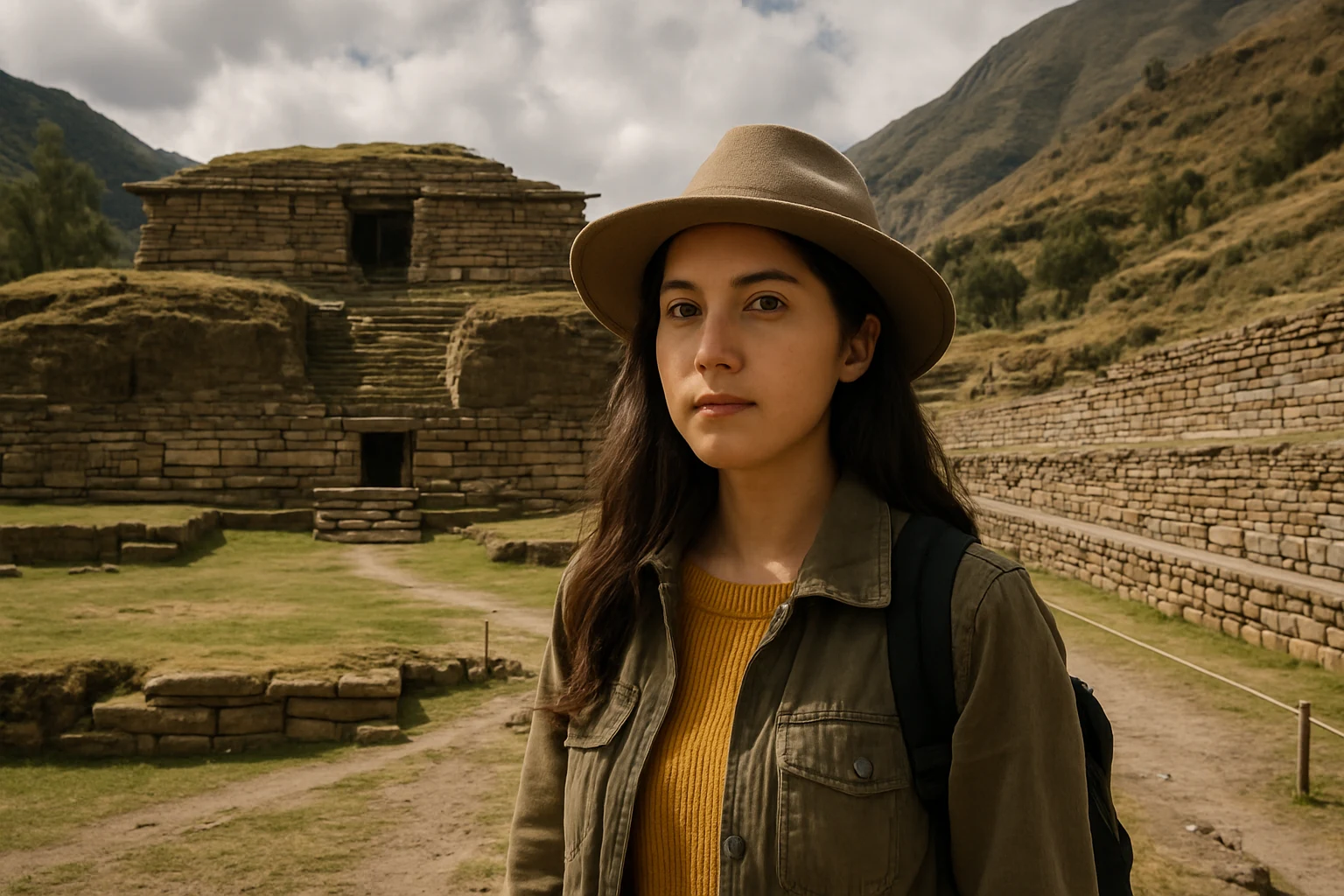
Chavin de Huantar Peru Guide 2026: Lanzon & Temple Galleries
Chavin-Highland Andean-Inca-Modern PeruvianPlan Chavin de Huantar, Peru: see the Lanzon and sunken plaza, reach the site from Huaraz, and time ...
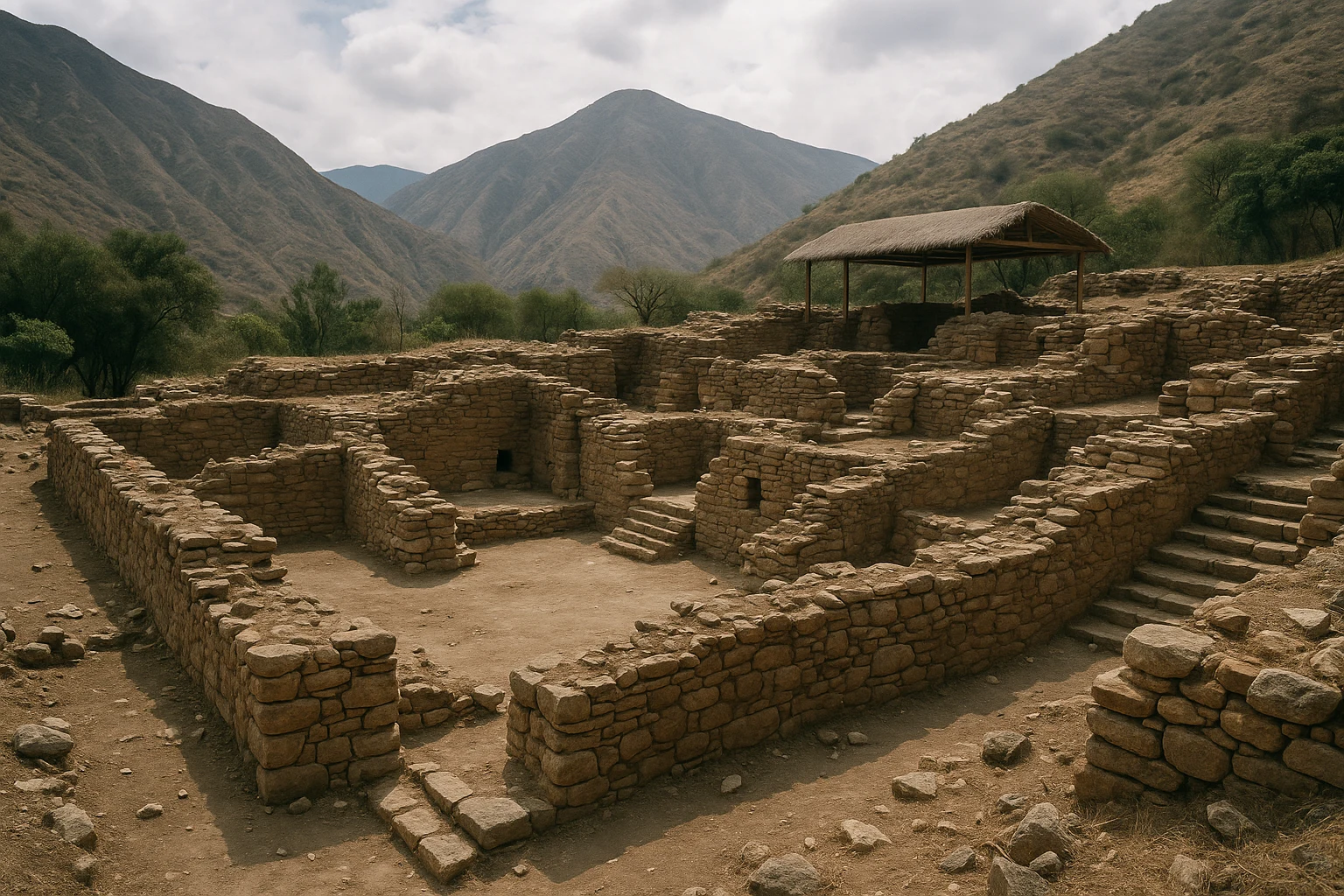
Kotosh Peru Guide 2026: Temple of the Crossed Hands & Mito Ritual
Late Preceramic-Kotosh-Mito-Early AndeanPlan your Kotosh, Peru visit to see the Temple of the Crossed Hands near Huanuco, with history, tran...
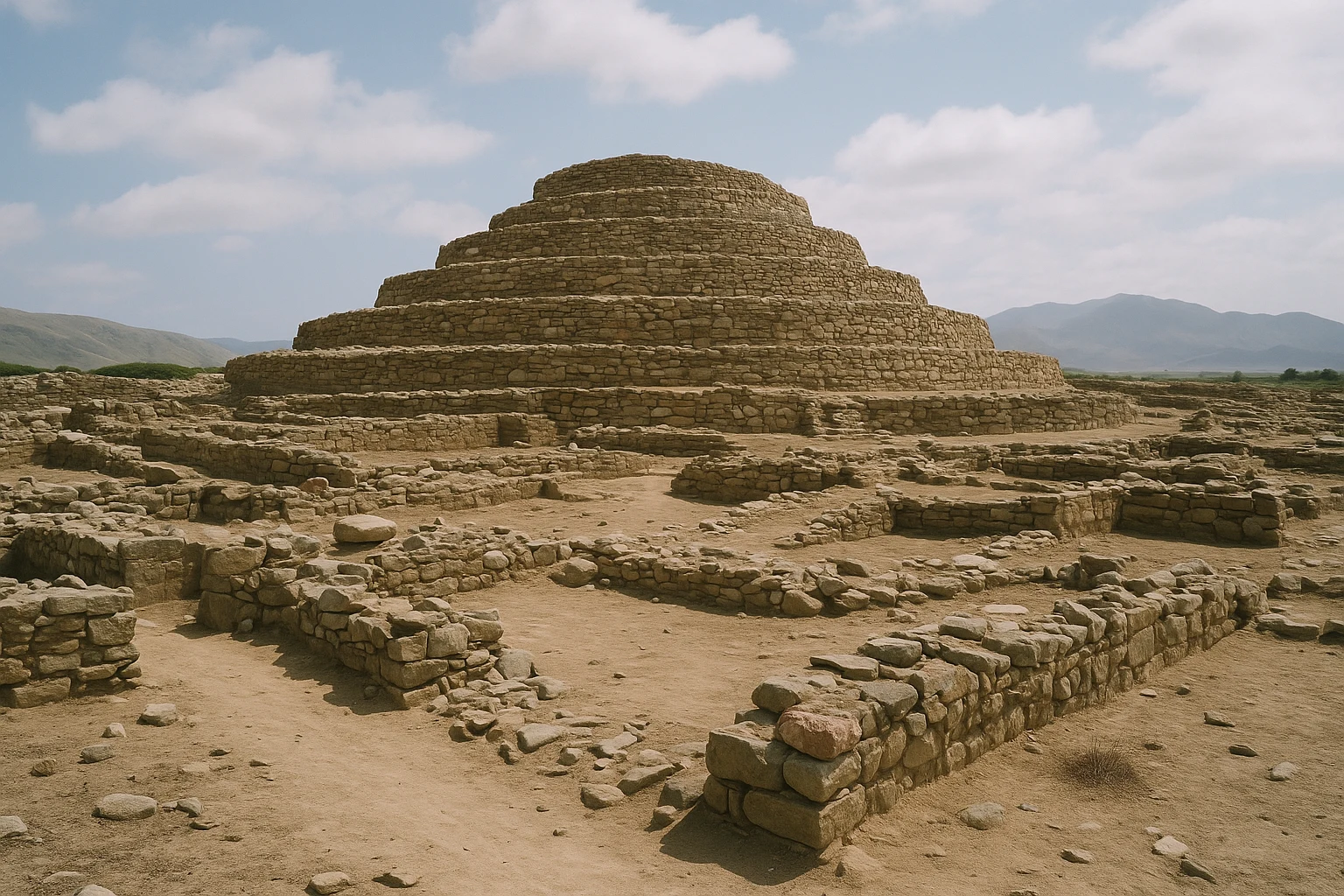
Sechin Alto Peru Guide 2026: Casma Valley Pyramids & Sechin Complex
Preceramic-Andean Formative-Casma Sechin traditionPlan your Sechin Alto Peru visit with history, key monuments, transport from Casma, and practical ti...
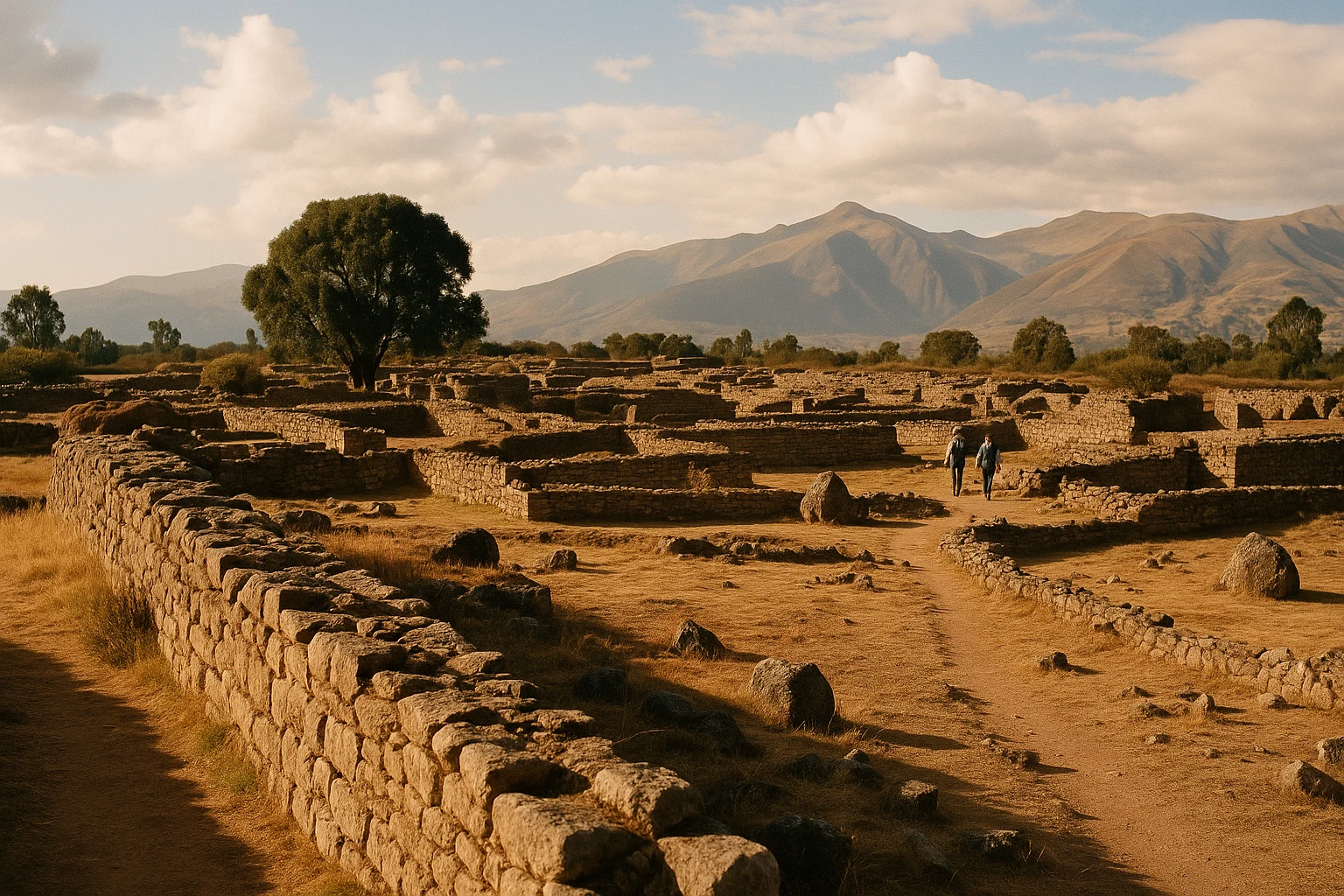
Wari Peru Guide 2026: Ancient Capital & Museum Highlights
Huarpa-Wari-Inca-Spanish ColonialPlan a visit to Wari in Peru with history, key compounds, tickets, and transport from Ayacucho, plus...