Quick Info
Curated Experiences
Mount Nemrut Tour with one night accommodation
Private Gaziantep City and Zeugma Mosaic Museum Tour
Southeastern Turkey Highlights: Gaziantep, Halfeti and Zeugma Region
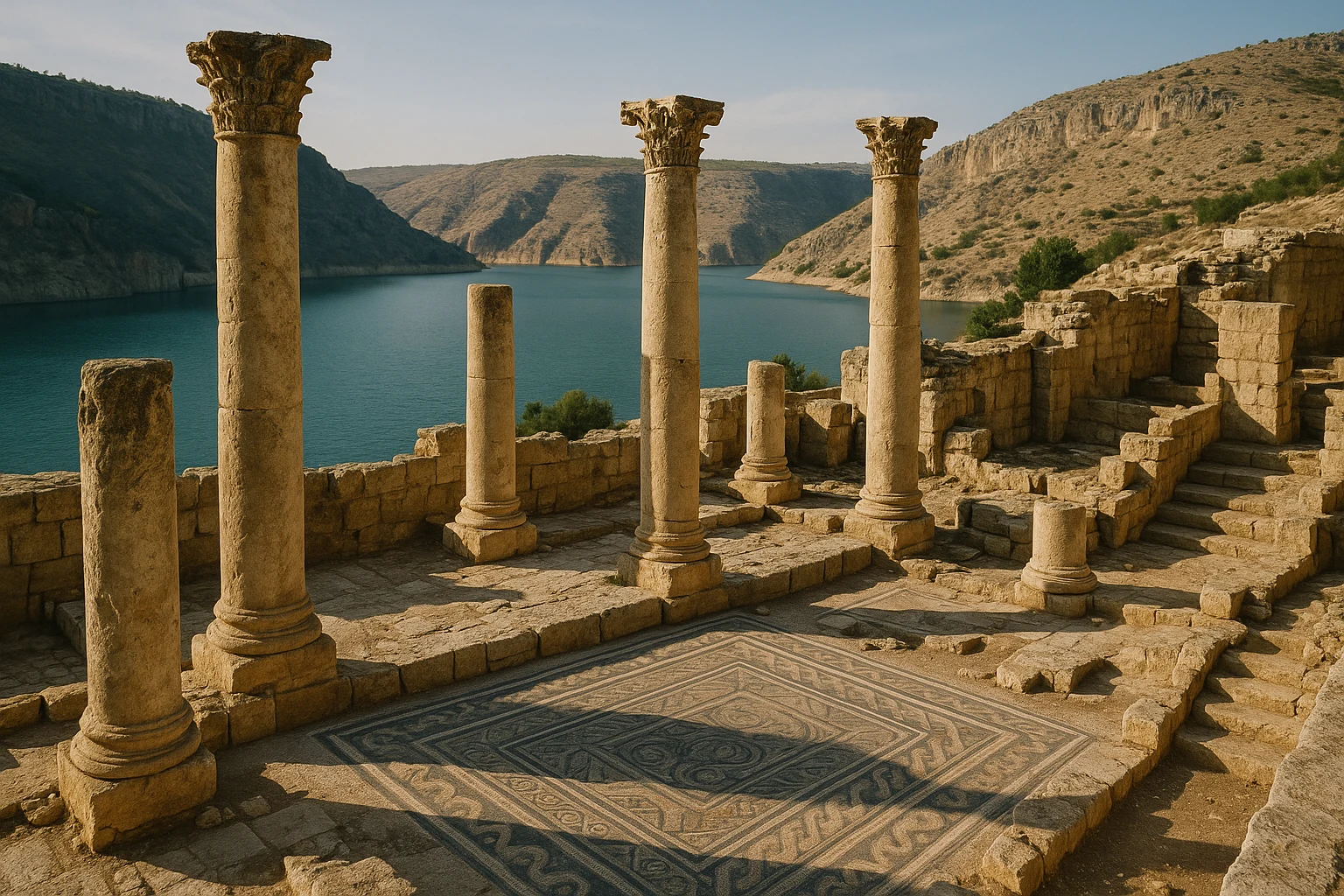
At Zeugma in Turkey, the first thing you feel is scale: not only the scale of an ancient city stretched along the Euphrates, but the scale of time, loss, rescue, and reinterpretation. This is where Hellenistic strategy, Roman wealth, and late antique resilience met a river that carried armies, traders, pigments, grain, gossip, and ideas. If you came here searching for a simple ruin field, you will leave with something deeper: a story split between landscape and museum, between what remains in place and what had to be moved to survive. For anyone planning a Zeugma Turkey travel guide itinerary, that duality is exactly what makes the destination unforgettable.
Ancient Travels recommends Zeugma as one of southeastern Anatolia’s most intellectually rewarding stops because it teaches you to read archaeology in two registers at once. At Belkıs, near modern Nizip, you stand where streets, houses, and fortifications once watched the Euphrates frontier. In Gaziantep, you encounter world-class mosaics lifted from villa floors before rising waters and erosion could erase them. This guide covers both halves of the experience: the city’s history, the key monuments and artworks, practical transport and access, seasonal strategy, and how to combine Zeugma with the wider Gaziantep region in one coherent day.
History: A Frontier City Between Empires
Hellenistic foundation and Seleucid strategy (c. 300 BCE-1st century BCE)
Zeugma began as a strategic river crossing in the wake of Alexander’s successors, when Seleucid rulers understood that controlling the Euphrates corridor meant controlling movement between Anatolia, Syria, and Mesopotamia. The settlement, often associated with earlier names such as Seleucia, developed around military logic first: crossing points, garrisons, and command over trade arteries. Yet commerce followed quickly behind soldiers. Merchants, craftsmen, and administrators turned a fortified outpost into an urban node where goods and languages mixed daily. From the beginning, Zeugma was less an isolated city than a hinge in a continental system.
Roman expansion and urban prosperity (1st century BCE-3rd century CE)
Under Roman rule, Zeugma entered its golden age. The city became an anchor on Rome’s eastern frontier, tied to the presence of legions and to cross-river taxation networks. Elite houses expanded with colonnaded courtyards, painted walls, and intricate mosaic floors that advertised both wealth and cultural literacy. Mythological scenes, geometric panels, and theatrical imagery transformed domestic rooms into statements of identity: Roman in aspiration, eastern in geography, cosmopolitan in taste. This was also a period of pressure. Frontier prosperity depended on peace, and peace on imperial capacity.
Conflict, recovery, and late antique adaptation (3rd century CE-7th century CE)
In the 3rd century CE, campaigns associated with the Sasanian Empire disrupted Roman control across frontier zones, and Zeugma suffered major damage. Urban life did not simply end, however. Like many durable eastern cities, it contracted, adapted, and continued in altered form. Some monumental areas fell out of use; other districts remained active. Christian communities grew during late antiquity, reshaping ritual and social landscapes while older urban infrastructure was selectively reused. The city shifted from imperial showcase to resilient provincial center, less monumental than before but still connected to regional routes.
Medieval transformations and memory in the landscape (7th century CE-19th century CE)
Across early Islamic and medieval centuries, the region’s settlement patterns changed repeatedly with political realignments, agricultural shifts, and security needs. Zeugma’s classical prominence faded, and built remains entered the long afterlife common to ancient cities: stone reused in later structures, tell-like accumulations, partial visibility, and local memory detached from imperial names. By the Ottoman period, travelers and antiquarians occasionally noted ruins in the broader area, but systematic interpretation remained limited. The ancient city persisted less as a tourist monument than as a layered cultural landscape embedded in everyday rural life.
Modern archaeology, rescue excavations, and the dam era (20th century-present)
Zeugma’s modern rediscovery accelerated in the late 20th century, especially when major dam projects on the Euphrates made rescue archaeology urgent. International and Turkish teams worked under severe time pressure to document architecture, recover mosaics, and map threatened zones before inundation. This period reframed Zeugma globally: not only as a Roman frontier city, but as a case study in what is lost and saved when heritage and infrastructure collide. The opening of Gaziantep’s Zeugma Mosaic Museum gave many rescued artworks a protected home, while ongoing scholarship continues to reconstruct urban topography, social life, and artistic production from fragmentary but extraordinary evidence.
The Key Monuments: What to See at Zeugma
The villa mosaics and domestic art program
Zeugma’s greatest fame rests on the mosaic floors of its Roman villas, where private houses were designed as immersive visual environments. These were not random decorations. Room by room, mosaic programs shaped mood, status, and conversation: mythological figures near reception areas, geometric bands that guided movement, and marine or theatrical motifs that signaled education and taste. The craftsmanship reveals highly trained workshops capable of nuanced color transitions, facial expression, and illusionistic depth. What survives lets you read elite domestic life as performance, where architecture and imagery worked together to impress guests and affirm belonging to a wider Mediterranean cultural world.
The key to appreciating these mosaics is slowing down. Stand back first to see composition, then move close to study tessera size, color logic, and restoration seams. Photography works best when you avoid overhead glare and frame details rather than whole panels in crowded galleries.
The “Gypsy Girl” and portrait mosaics
The famous “Gypsy Girl” mosaic has become an icon of Turkish archaeology, though the title is modern and somewhat misleading. What matters is the face itself: dark, intent eyes and a psychological intensity unusual in ancient decorative art. Seen in person, the panel compresses scale and power; it is small, but it arrests entire rooms. Around it, other portrait mosaics and figural fragments reveal how Zeugma artists balanced stylization with emotional effect, turning stone cubes into living gaze.
For visitors, this is often the emotional center of the journey. You are no longer reading only about empires or trade corridors; you are meeting individuals represented in highly intentional artistic language. Arrive early in the museum day if you want quieter viewing time with this panel.
The Belkıs archaeological landscape
At Belkıs, the ancient city’s setting becomes legible in ways museum walls cannot provide. Terraces, excavated sectors, and topographic breaks show how residents organized life above a major river crossing in a politically unstable frontier world. Even where standing remains are fragmentary, urban logic appears: defensible heights, controlled movement corridors, and residential zones oriented to climate and social hierarchy. The Euphrates context is central. Zeugma’s identity came from this river, and the river still frames your understanding of why the city existed at all.
Today, parts of the original urban area are inaccessible or transformed due to modern hydrological change, but that reality is part of the site narrative rather than a disappointment. Zeugma teaches archaeological humility: you work with surviving traces, recovered objects, and carefully argued reconstruction.
Fortification lines and military frontier context
Zeugma was never just a wealthy villa town. It was a frontier city connected to legions, surveillance, and imperial logistics. Remnants of defensive architecture and military-associated zones, though less photogenic than mosaics, are critical for understanding the site. They demonstrate how urban prosperity depended on security infrastructure and state presence. The same city that commissioned refined mythological floors also stored supplies, managed movement, and watched a contested river boundary.
When guides or interpretive panels reference nearby military installations, give those details time. They explain the paradox of Zeugma: beauty made possible by border tension.
The Zeugma Mosaic Museum in Gaziantep
The Zeugma Mosaic Museum is not a side attraction; it is a core part of the archaeological site’s modern form. Its scale, curation, and conservation design allow visitors to see large floor compositions in contextual sequence, often with better visibility than in situ fragments would permit. Mosaics, sculptures, and domestic artifacts are arranged to rebuild fragments of urban life, from elite reception aesthetics to everyday objects and workshop techniques.
Practically, the museum also solves one of the hardest problems in threatened heritage: how to protect fragile material while preserving interpretive coherence. If you only visit Belkıs, you miss the artistry. If you only visit the museum, you miss the geography. Together they complete the city.
Getting There: Transportation and Access
Zeugma is best approached as a two-stop destination: Belkıs for landscape context and Gaziantep for the museum collections.
From Gaziantep city center
Gaziantep is the main base for visiting Zeugma and offers the most reliable transport choices.
- Taxi/private transfer: 1,200-2,200 TRY ($35-65 USD) round trip to Belkıs area depending on waiting time, with typical one-way travel of 50-70 minutes.
- Public transport + taxi: Minibuses and buses toward Nizip are frequent and inexpensive; from Nizip you usually need a taxi for final access to viewpoints or excavation-adjacent zones. Total cost often 150-320 TRY ($4-10 USD), but timing is less predictable.
- Rental car: The most flexible independent option, especially if you plan to pair Belkıs with Halfeti or Birecik the same day. Parking availability varies by exact stop.
From Gaziantep Airport (GZT)
If you are flying in and out on the same day, careful sequencing is essential.
- Direct private transfer: 1,600-2,800 TRY ($45-85 USD), usually 60-80 minutes depending on traffic and route.
- Airport car rental: Efficient for a day loop that includes the museum and Belkıs; roads are generally straightforward.
- City-first strategy: Take airport transfer into Gaziantep, visit the museum first, then continue to Belkıs by taxi or hired driver.
From Şanlıurfa or regional hubs
Travelers combining southeastern sites often approach from Şanlıurfa.
- Private driver: 3,500-6,000 TRY ($100-180 USD) for full-day intercity route including waiting and multiple stops.
- Intercity bus + onward taxi: Budget-friendly but slower and less convenient for same-day museum-plus-site scheduling.
- Organized regional tour: Useful when you want interpretive continuity across Commagene and Euphrates destinations.
Admission and Hours
As a working budget, plan around 450 TRY ($13 USD) for the Zeugma Mosaic Museum and check current Belkıs-area access fees locally, as field-zone pricing and eligibility can shift with conservation and excavation schedules. Museum hours are usually the most stable in the region (commonly opening around 8:30-9:00 AM and closing in the early evening, with shorter winter windows), while archaeological-area access can be more variable. Card payment is common in the museum, but carry cash for taxis, smaller vendors, and transport transitions around Nizip. The smartest timing is early outdoor exploration followed by indoor museum galleries during peak midday heat.
Practical Information
For most travelers, the most effective strategy is to treat Zeugma as a combined cultural day rather than a single-ticket stop. Start with one context-rich location, then complete the narrative at the other. Bring sun protection and water for Belkıs sections, where shade can be limited and surfaces uneven. In warmer months, lightweight breathable clothing and a hat are essential; in winter, wind-resistant layers matter more than heavy insulation.
If you are especially interested in art history, allocate extra museum time for close study rather than trying to rush every gallery. For mobility-limited visitors, the museum is significantly easier than open archaeological terrain, though conditions can change depending on temporary exhibitions and access routing. Families generally do well with this destination because visual storytelling is strong, but keep close watch outdoors near slopes and unguarded edges.
When to Visit: Seasonal Considerations
Spring (March-May)
Spring is the strongest all-around season for Zeugma. Temperatures usually range from 14-27°C (57-81°F), making it comfortable to split your day between museum interiors and exposed river-adjacent areas. Crowd pressure is moderate, and visibility is often clear for landscape reading at Belkıs. If you can choose one window, late April to early May is often ideal.
Summer (June-August)
Summer can be demanding, with daytime highs commonly 32-40°C (90-104°F). Outdoor exploration becomes physically taxing by midday, and stone and soil surfaces radiate additional heat. Crowds vary, but organized groups can cluster around museum highlights. Start early, hydrate aggressively, and reserve the hottest hours for indoor galleries.
Autumn (September-November)
Autumn offers excellent conditions similar to spring, typically around 16-30°C (61-86°F) in early months and cooler later on. Light quality is often favorable for both landscape photography and city walks in Gaziantep. Visitor numbers tend to soften after summer, making this a strong season for travelers who want longer, quieter viewing.
Winter (December-February)
Winter is calm and often rewarding, with temperatures generally between 5-14°C (41-57°F) and occasional rain. Outdoor sections can feel stark but atmospheric, and museums are usually uncrowded. Bring waterproof layers and check holiday-hour adjustments in advance. For reflective, low-pressure visits, winter is underrated.
Combining Zeugma with Gaziantep and the Euphrates Corridor
The most satisfying sequence begins at the Zeugma Mosaic Museum when doors open, ideally around 9:00 AM, so you can experience major panels before group traffic peaks. Spend about 90 minutes moving from broad historical galleries into detailed mosaic rooms, then pause for coffee before departure. By 11:00 AM, head toward Belkıs/Nizip, using the drive itself to read the region’s agricultural and river geography that once fed the ancient city.
Arrive at Belkıs around 12:00-12:30 PM for a focused landscape visit, prioritizing orientation points that clarify how Zeugma related to the Euphrates crossing. If temperatures are high, keep this segment compact and shift lunch to Nizip or back in Gaziantep by 2:00 PM. In cooler months, you can stretch to a longer walk and interpretive stop sequence before returning west.
By 4:00 PM, many travelers are back in Gaziantep’s historic core, where the day can end with baklava and pistachio coffee in the old market district or a long dinner centered on the city’s famous regional cuisine. Total time for the combined experience is usually 7-9 hours including transfers. If you have a second day, add Halfeti for a broader understanding of riverine heritage landscapes shaped by modern dam history.
Why Zeugma Matters
Zeugma matters because it reveals civilization as a negotiation, not a monument. Here, frontier force and domestic beauty coexist. A city built for military logic also produced intimate art of astonishing subtlety. A river that enabled wealth also threatened permanence. Modern engineers transformed that river again, and archaeologists raced against time to save what they could. Few places make the ethics of heritage so visible.
When you stand between Belkıs and the museum collections, you witness archaeology in its truest form: incomplete, argued, collaborative, and human. Not everything survived. Not everything can be reconstructed. Yet enough remains to restore the scale of ambition that once defined this Euphrates crossroads. Zeugma’s lesson is not nostalgia for a lost world. It is a sharper invitation: to value what endures, to protect what is fragile, and to travel with attention before silence replaces memory.
Quick Facts
| Attribute | Details |
|---|---|
| Location | Belkıs (near Nizip), Gaziantep Province, Turkey |
| Ancient Name | Zeugma (Seleucia/Apamea traditions in early phases) |
| UNESCO Status | Not inscribed; recognized as a major protected archaeological landscape |
| Established | c. 300 BCE refoundation |
| Distance from nearest hub | ~55 km from Gaziantep (50-70 min by road) |
| Entry Fee | Museum about 450 TRY ($13 USD); site-zone fees vary by access area |
| Hours | Seasonal schedules; verify museum and site timing separately |
| Best Time | Spring and autumn; early morning outdoors + midday museum |
| Suggested Stay | Half day minimum, full day recommended |
| Known For | Roman mosaics, Euphrates frontier history, rescue archaeology |
Explore More Turkey
- Göbekli Tepe: Travel further back in time at the world’s earliest monumental ritual complex.
- Troy: Explore layered Bronze Age to Roman archaeology at one of history’s most storied cities.
- Ephesus: Walk the grand urban avenues of Rome’s best-preserved metropolis in Anatolia.
Plan your wider route with our Turkey Ancient Sites Guide. For regional strategy, see our southeastern Turkey archaeology itinerary guide.
Frequently Asked Questions
How much time should I plan for Zeugma?
Plan at least half a day if you want both parts of the experience: the Zeugma Mosaic Museum in Gaziantep and the Belkıs archaeological landscape near Nizip. A full day is better, especially if you enjoy history and want unhurried time with the mosaics.
Do I need to visit the Mosaic Museum if I already go to the archaeological site?
Yes, absolutely. Many of Zeugma's most important mosaics were relocated for protection before and after dam construction, so the museum is essential for understanding the site's artistic legacy. Visiting both gives you the complete story.
How do I get from Gaziantep to Zeugma?
The easiest option is taxi, private transfer, or rental car from Gaziantep, usually about 50-70 minutes depending on traffic and your exact stop. Public transport can get you toward Nizip, but the final approach to viewpoints and site areas often requires a taxi.
When is the best time of year to visit Zeugma?
Spring and autumn are the most comfortable, with milder temperatures and clearer conditions for walking exposed terrain near the Euphrates. In summer, heat can be intense, so early starts and museum time during midday are the best strategy.
Is Zeugma suitable for children or first-time archaeology travelers?
Yes. The museum's large, visual displays make the story easy to follow, and children often connect quickly with famous mosaic faces and animal scenes. At the open site, supervision is important because terrain can be uneven and shade is limited.
What is the most important thing to see at Zeugma?
The iconic highlight is the 'Gypsy Girl' mosaic, now in Gaziantep's Zeugma Mosaic Museum, along with richly preserved Roman villa floors. At Belkıs, the key experience is understanding the Euphrates setting and the scale of the ancient frontier city itself.
Nearby Ancient Sites
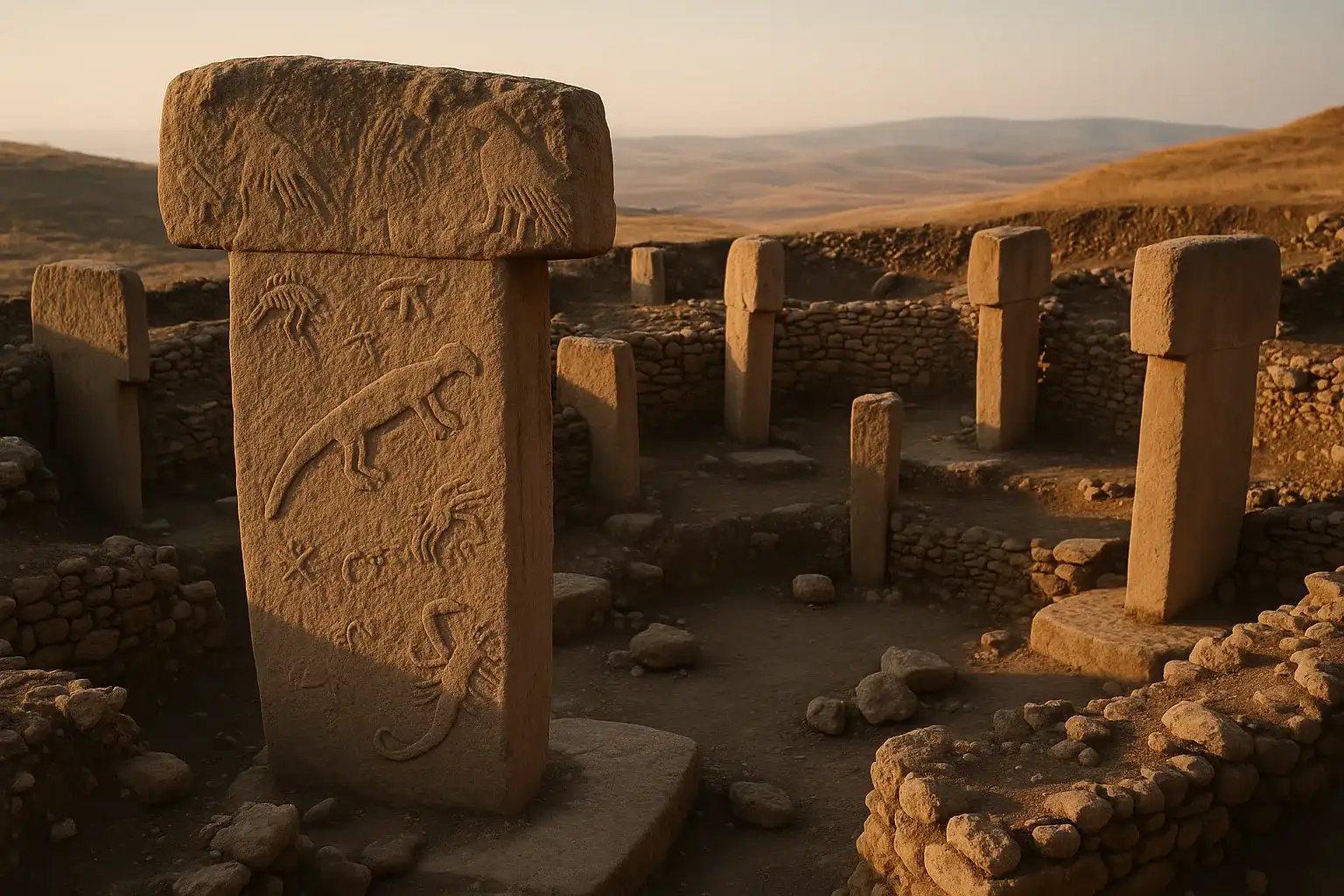
Göbekli Tepe, Turkey: The World's Oldest Temple Complex
Pre-Pottery NeolithicDiscover Göbekli Tepe, the 12,000-year-old archaeological wonder in Turkey that rewrites human histo...
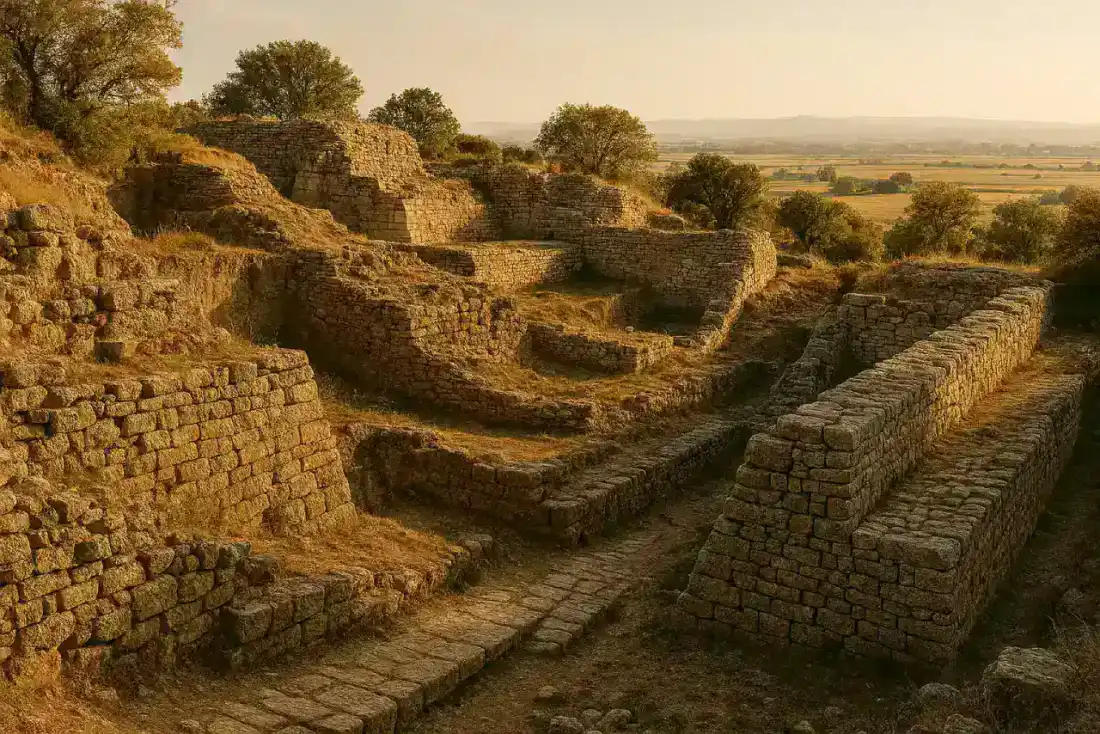
Troy Turkey Travel Guide 2026: Legendary City of Homer's Iliad
Multiple (Nine Layers)Walk the walls of ancient Troy, the legendary city of Helen and the Trojan Horse. Our guide covers n...
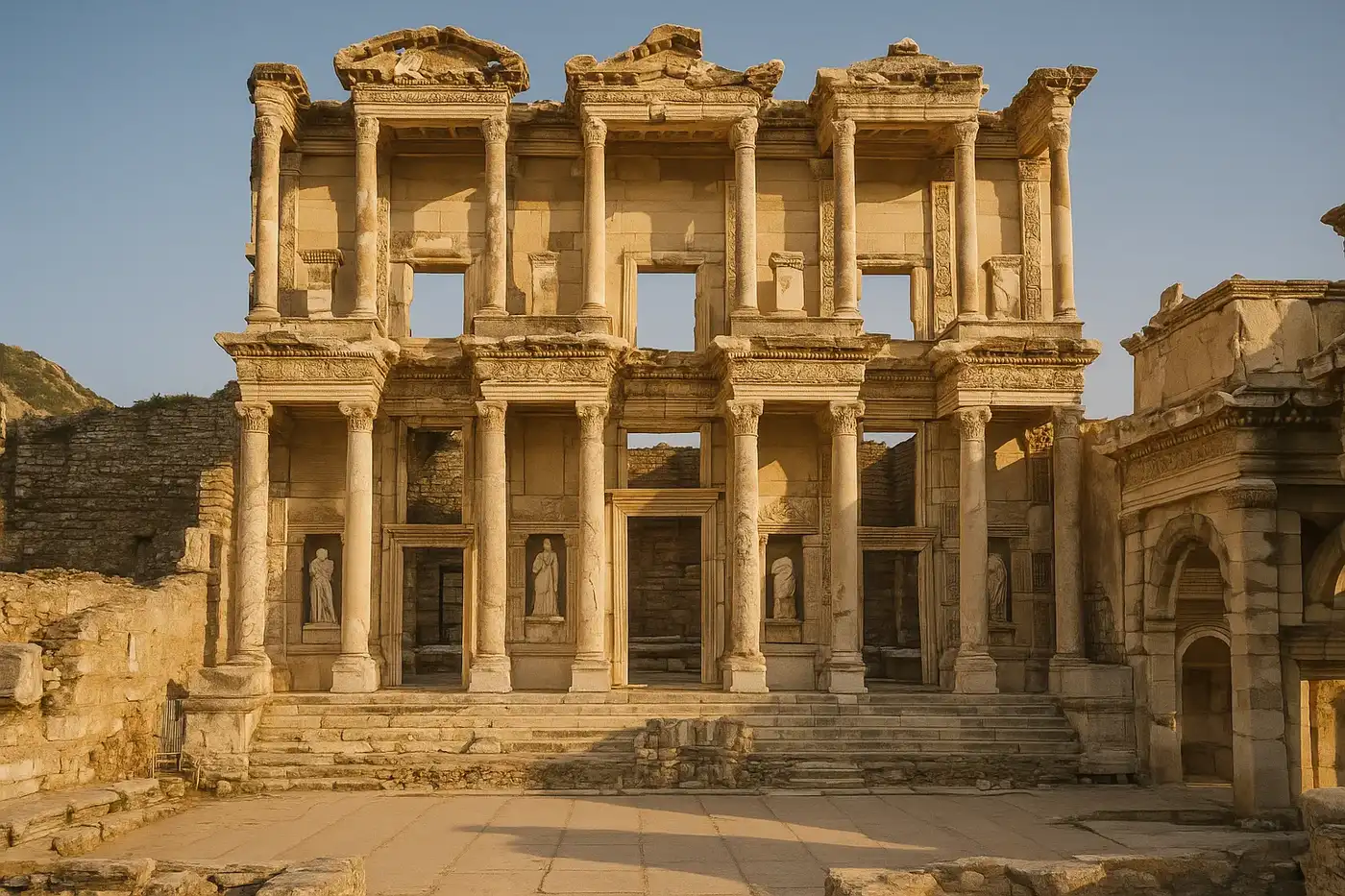
Ephesus Turkey Travel Guide: Library of Celsus & Terrace Houses
Greco-RomanDiscover Ephesus, the best-preserved ancient city in the Mediterranean. Our complete guide covers th...