Why this route works
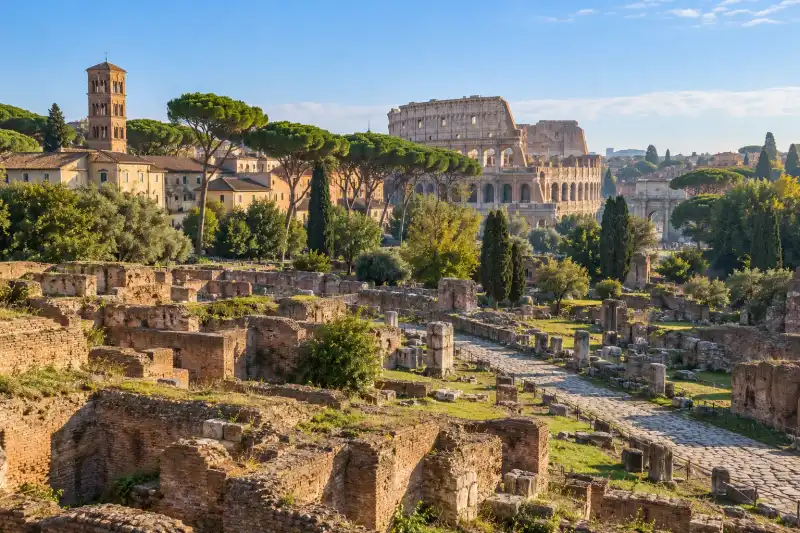
Rome and the Vesuvian cities answer different questions. Rome is where empire performed power in public. Pompeii and Herculaneum preserve streets, houses, workshops, and waterfront life interrupted by Vesuvius in 79 CE. Five days is enough to connect them if you do not pretend every Roman site belongs on the same checklist.
Daily outline
- Days 1 and 2: Rome, with one concentrated core day and one outward-looking day.
- Day 3: Travel south, settle in, then visit Pompeii without trying to cross the whole site at a sprint.
- Day 4: Herculaneum and Naples.
- Day 5: Naples National Archaeological Museum or a departure buffer.
Day 1: Rome as a political landscape
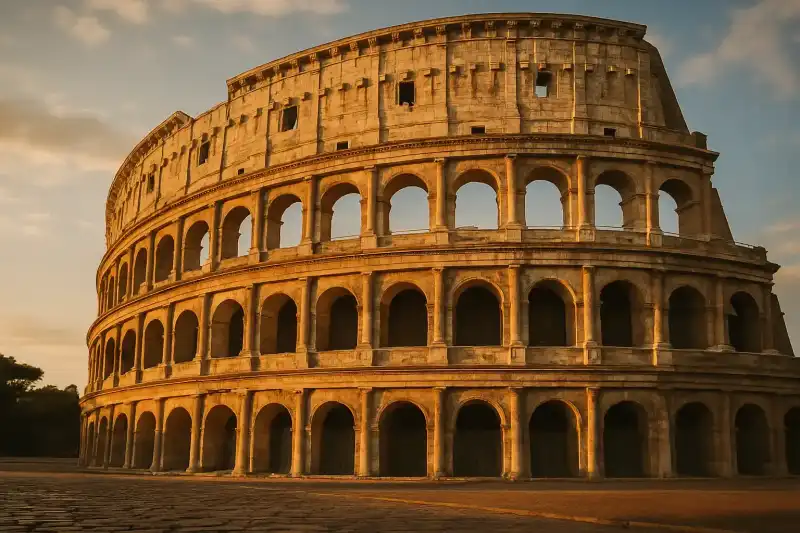
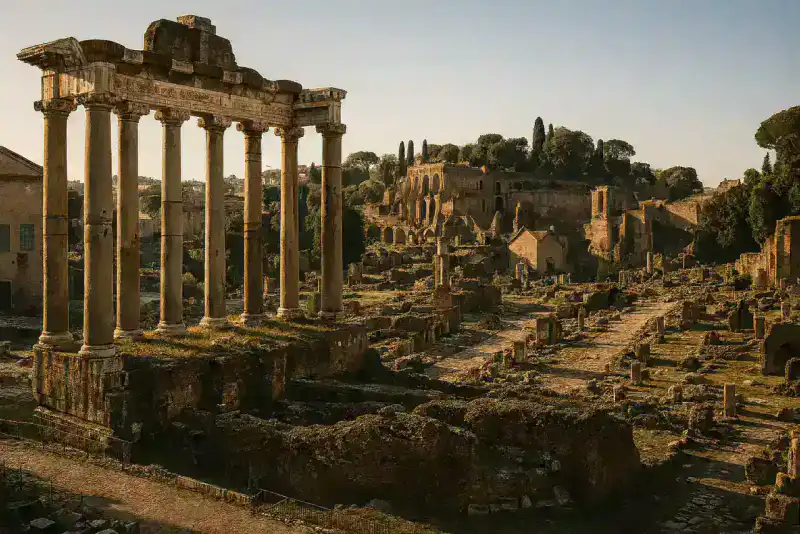
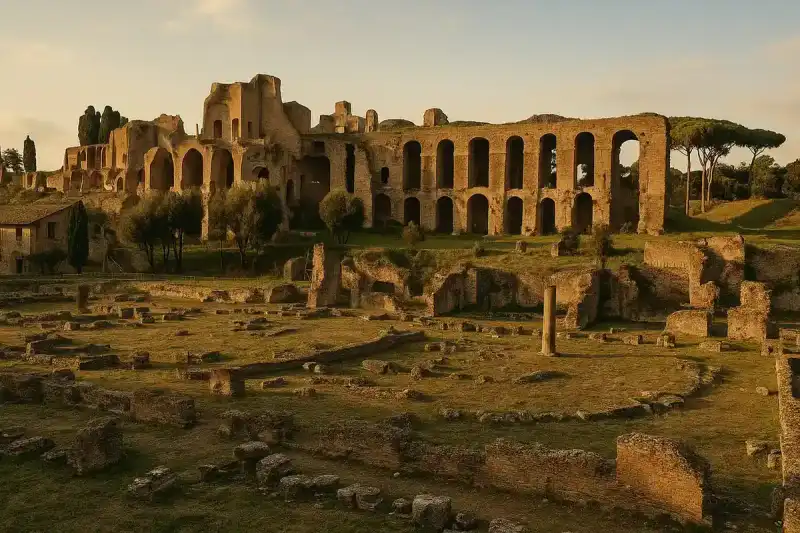
Start at the Colosseum, Roman Forum, and Palatine Hill as one timed-entry landscape. The useful question is not whether you can identify every fragment. It is how spectacle, law, cult, memory, and imperial residence occupied adjoining ground. Book through the official Colosseum site and check the current entry conditions before locking the rest of the day.
Day 2: Infrastructure outside the postcard center
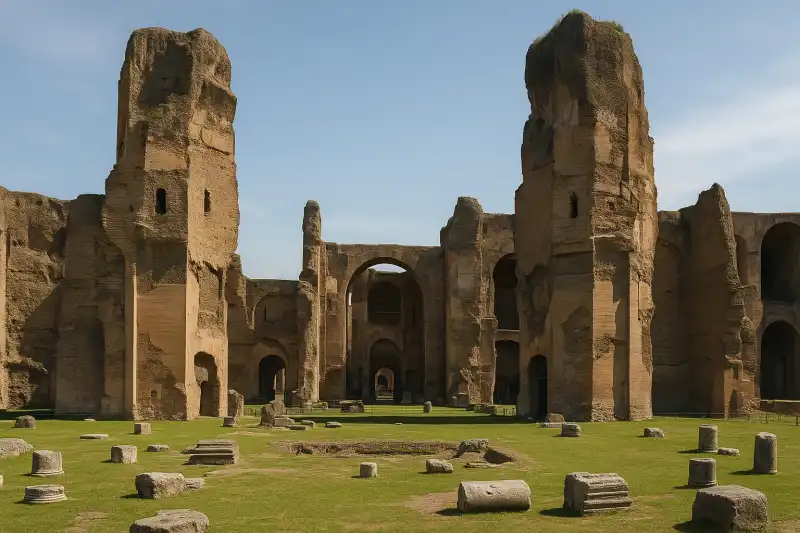
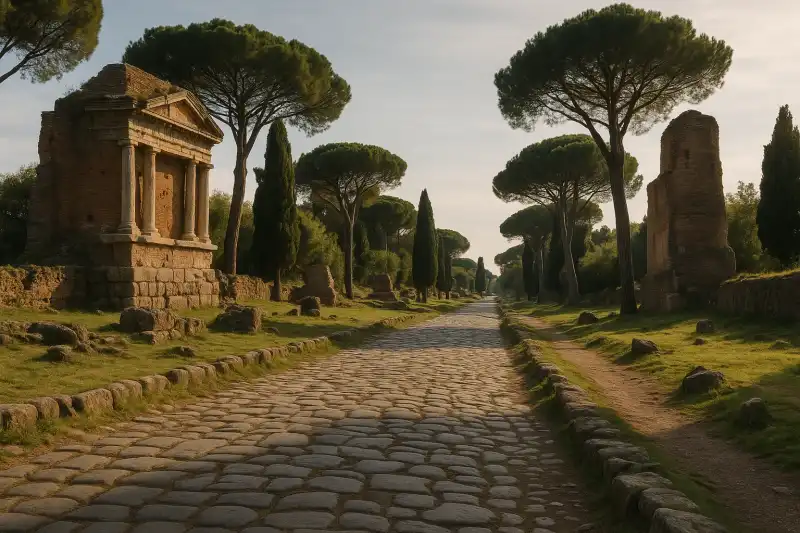
Use the Baths of Caracalla to see the labor and water systems behind Roman public life. Then choose the Appian Way for roads and tomb landscapes or Ostia Antica for a port city. Doing both well in one day is possible only with a very early start and a willingness to cut something. The point of this day is to see the systems that supplied Rome, not to collect a second exhausted lap around the center.
Day 3: Rome to Pompeii
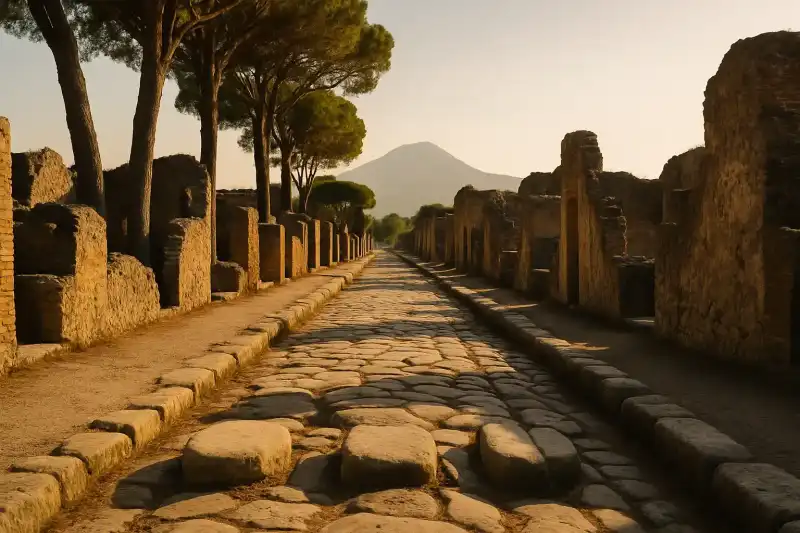
Travel south early, keep luggage simple, and make Pompeii the only major site. Its scale rewards a planned route: forum and civic buildings first, then a neighborhood of houses, shops, baths, or the theater zone. The archaeological park publishes current visiting information at Pompeii Sites. Check it shortly before travel because access, entrances, and individual buildings can change for conservation or safety work.
Day 4: Herculaneum, then Naples
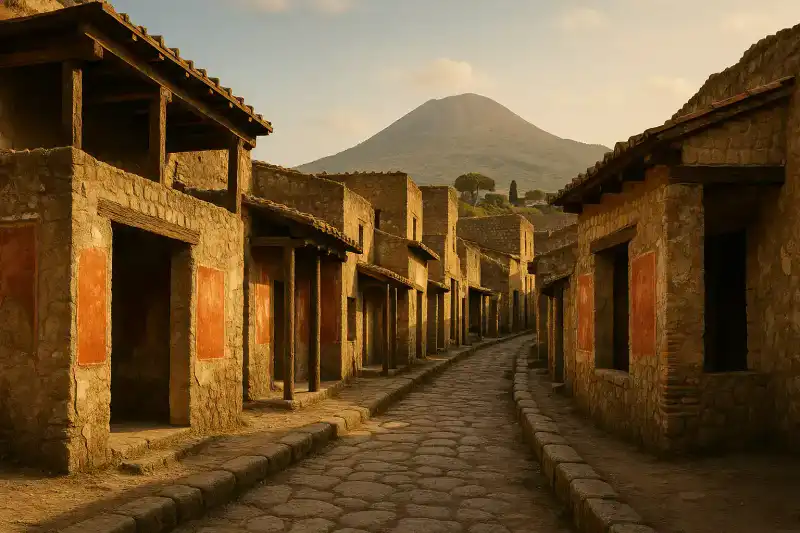
Herculaneum is smaller than Pompeii but not a lesser substitute. Its dense town plan and the relationship between the excavated city and the modern streets above make it a good counterweight after Pompeii. Use the official Herculaneum park for current access information. Sleep in Naples rather than forcing another hotel move.
Day 5: Museum context and departure
The Naples National Archaeological Museum is the right final stop when it is open and your departure timing permits. It gives material context to the cities you just walked through, especially sculpture, inscriptions, and finds associated with the Vesuvian area. The Pompeii image here refers to that collection context, not to a second Pompeii visit. Confirm the museum’s current hours directly before going. If you have an early train or flight, make this a buffer day instead. Archaeology is nicer without the suitcase panic.
Logistics that keep the route sane
Use Rome and Naples as bases rather than changing hotels in every archaeological town. Confirm rail, local transport, entry slots, closures, and luggage storage from official operators and parks close to departure. This itinerary deliberately avoids quoting fares, platform numbers, or guaranteed schedules because those details move. Wear shoes that can handle uneven paving, carry water, and leave a margin around timed entry.
If you have more time
Add Paestum as a separate day from Naples or Salerno. Its temples and museum deserve their own pace. The Paestum and Velia park publishes ticket and accessibility information. Do not wedge it between Pompeii and an airport run unless you enjoy archaeology performed as a hostage negotiation.
Planning questions
Quick route summary
This itinerary uses practical overnight bases and one main archaeological priority each day. Recheck official access and transport information immediately before travel.
Who this itinerary is for
Travelers who want archaeological context, realistic transfers, and room to slow down at the major sites.
Route at a glance
- Day 1: Imperial Rome core. Overnight: Rome.
- Day 2: Roads, baths, and port city. Overnight: Rome.
- Day 3: Travel south and Pompeii. Overnight: Pompeii or Naples.
- Day 4: Herculaneum and Naples. Overnight: Naples.
- Day 5: Naples museum and departure. Overnight: Naples.
Practical logistics before you go
Confirm tickets, local transport, weather, and any closure notices with the relevant official authority. No fixed fares, timetable times, capacity, or ticket availability are promised here.
The historical thread
The route connects individual monuments to the civic, religious, domestic, and landscape systems that made them meaningful.
Transportation notes
Protect each transfer day and choose the current rail, road, or local-transport option that best fits your dates.
Optional add-ons and swaps
Extend the trip or replace a day rather than stacking an extra major site onto a full archaeological visit.
Shorter and longer itinerary options
Shorten from the outermost excursion; lengthen with a museum or rest day, not a larger daily checklist.
Related ancient sites
FAQ
Use current official site and transport information close to departure; the route is a planning framework rather than a guarantee of access.