Quick Info
Curated Experiences
Appian Way and Catacombs Guided Half-Day Tour
Appian Way E-Bike Tour with Aqueduct Park Extension
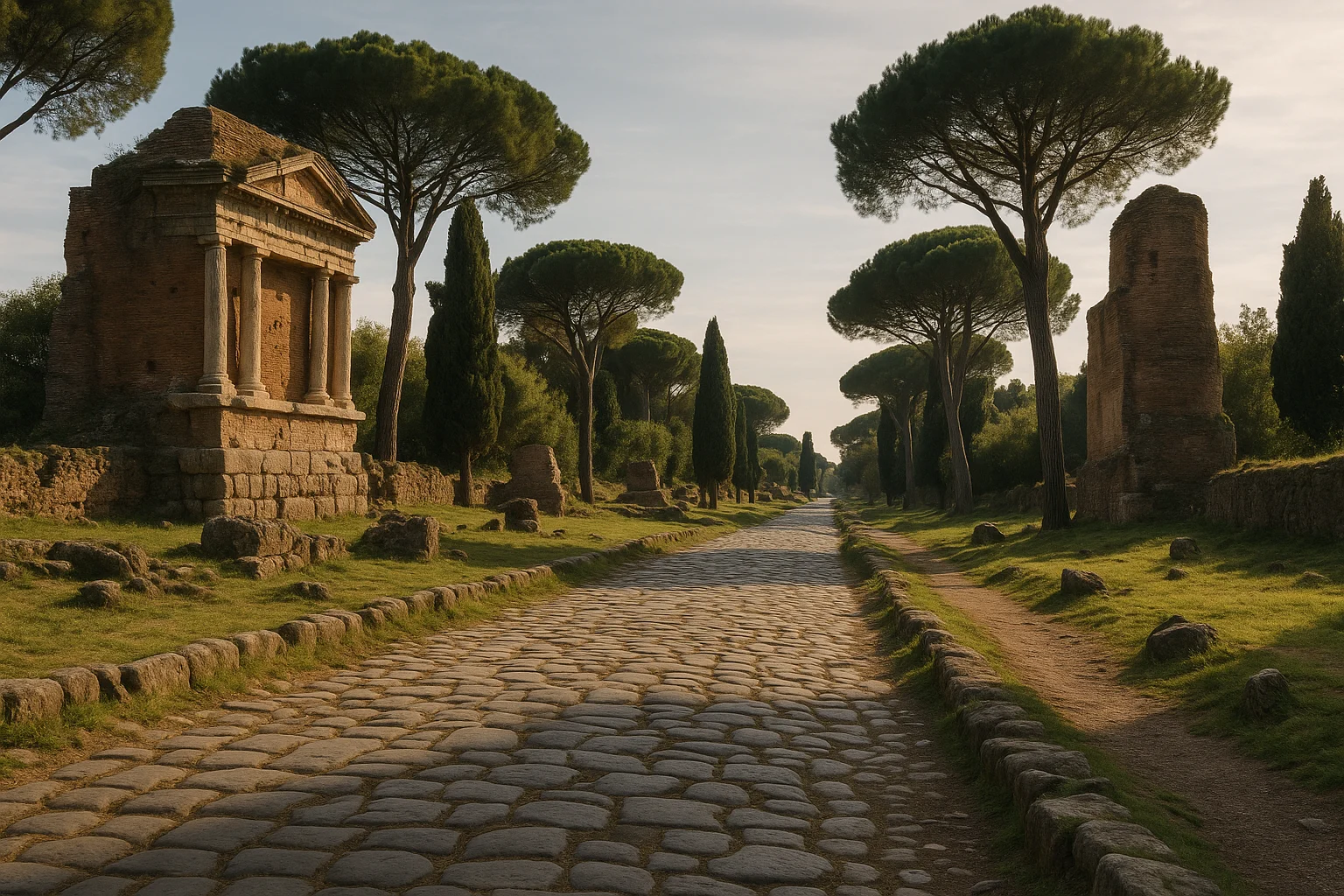
The first thing that registers is the silence. You leave the noise and traffic of central Rome behind, pass through the old Porta San Sebastiano in the Aurelian Walls, and within a few hundred meters the city falls away. Umbrella pines line the road in ragged columns. The basalt paving stones — the original Roman surface, worn smooth and buckled by two thousand years of wheels, hooves, and feet — stretch ahead in a narrowing line flanked by crumbling tomb facades and fragments of marble inscriptions half-eaten by ivy. The sound is wind in the pines, birdsong, and the crunch of your own footsteps on stone that Roman legions walked on their way to conquer southern Italy.
The Via Appia Antica is not a ruin. It is a road, still functional in places, still connecting Point A to Point B after twenty-three centuries. That continuity is the point. The Colosseum is a building you visit. The Forum is a district you explore. The Appian Way is an infrastructure system you experience by moving through it, and the farther you walk or ride along its course, the more clearly you understand what Rome actually was: not a city of monuments, but a civilization of networks.
For travelers who have already checked Rome’s headline sites and want something different — quieter, greener, stranger, and more immersive — the Appian Way is the single best half-day investment in the city. It will change how you think about Roman power more than any additional hour in the Forum.
Historical Context
The Via Appia was begun in 312 BCE by the censor Appius Claudius Caecus, making it one of the earliest and most important of the great Roman roads. Its original purpose was military: Rome was fighting the Samnite Wars in southern Italy and needed a reliable all-weather route to move legions and supplies to the front. The road initially ran from Rome to Capua, roughly 200 kilometers to the south. By the mid-3rd century BCE, it had been extended to Brindisi on the Adriatic coast — a total distance of roughly 560 kilometers — creating a strategic corridor spanning the entire Italian peninsula and connecting Rome to the sea routes eastward to Greece, Egypt, and the Levant.
Ancient writers called it the regina viarum — the queen of roads — and the title was not merely honorific. The Appian Way pioneered construction techniques that became standard across the Roman road network: deep foundations of compacted rubble, layered gravel and sand beds, precisely fitted polygonal basalt paving stones with a crowned surface for drainage, and raised sidewalks flanked by drainage ditches. The engineering was designed for durability across centuries of heavy military and commercial traffic, and it worked. Sections of the original surface remain usable today, over 2,300 years after construction.
The road’s strategic importance cannot be overstated. It was along the Appian Way that legions marched south to fight the Samnites, then the Greeks in the Pyrrhic Wars, and eventually Hannibal’s forces in the Second Punic War. The road carried trade goods, dispatches, diplomats, and prisoners of war. When Spartacus’s slave rebellion was crushed in 71 BCE, six thousand captured rebels were crucified along the Appian Way between Capua and Rome — a display of mass punishment that used the road itself as a stage for state terror.
Roman law prohibited burial within the city walls, which turned the roads leading out of Rome into corridors of funerary display. Wealthy families built elaborate tombs along the Appian Way, competing for visibility and prestige. The result was a landscape of commemoration stretching for kilometers: mausoleums, columbaria, inscribed stelae, portrait sculptures, and eventually the monumental cylindrical tomb of Cecilia Metella, which has dominated the roadside skyline since the late 1st century BCE. Walking the Appian Way today is partly a journey through Roman attitudes toward death, memory, and social status — a civilization that believed the dead should remain visible to the living.
The road’s significance expanded in the early Christian era. The catacombs of San Callisto, San Sebastiano, and Domitilla were excavated into the soft tufa rock beneath the Appian corridor, creating vast underground burial networks for the early Christian community. These catacombs are among the most important early Christian sites in Rome and add a distinct archaeological layer to the road’s predominantly pagan Republican and Imperial character. The tradition that Saints Peter and Paul both traveled or were commemorated along this road adds a further layer of pilgrimage significance.
In the medieval period, the Appian Way fell into disuse as Rome contracted and alternative routes gained importance. The road’s revival as an archaeological and cultural landscape began in the 18th and 19th centuries, when Grand Tour travelers and antiquarians rediscovered its monuments. Today the Via Appia Antica is protected as a regional park, and the tension between preservation, access, and the encroaching suburbs of modern Rome remains an active and sometimes contentious issue.
What to See
The Basalt Paving and Road Engineering
The original Roman road surface is the Appian Way’s primary artifact, and it deserves more attention than most visitors give it. The large, irregularly shaped basalt blocks (silex) are fitted together without mortar, their surfaces worn into grooves by ancient cart wheels. Study the road’s cross-section where erosion has exposed it: the layered construction of foundation rubble (statumen), gravel (rudus), concrete-like aggregate (nucleus), and paving stones (summa crusta) is visible in places and demonstrates the systematic engineering that made Roman roads last for millennia.
Pay attention to the drainage profile. The road surface is subtly crowned — higher in the center than at the edges — to shed rainwater into the flanking ditches. This feature is so familiar to modern road users that it barely registers, but the Romans were among the first to apply it systematically at engineering scale. The road width, typically around 4.1 meters on the Appian Way, was standardized to allow two carts to pass each other, reflecting the military requirement for two-way traffic flow even under heavy use.
Practical tip: The best-preserved paving sections begin roughly 2-3 km past the Porta San Sebastiano, beyond the stretch that has been resurfaced with modern materials. On foot, this means committing to at least a 45-minute walk before reaching the most authentic road surface. On a bike, you are there in 10 minutes.
Tomb of Cecilia Metella
The massive cylindrical mausoleum of Cecilia Metella, daughter-in-law of the triumvir Crassus, is the single most recognizable structure on the Appian Way. Built around 30-20 BCE, the tomb sits on a travertine base and rises approximately 11 meters to a crenellated roofline added in the 14th century when the Caetani family converted it into a fortress tower guarding a toll gate on the road. The interior is accessible and contains interpretive panels explaining the tomb’s construction and its medieval transformation.
The tomb’s survival is partly due to its medieval reuse. By incorporating it into a defensive structure, the Caetani family inadvertently preserved the Roman mausoleum through centuries when other tombs along the road were stripped for building material. That pattern — ancient monument preserved by later practical use — is a recurring theme in Rome’s archaeological landscape.
Cecilia Metella’s tomb marks the transition between the urbanized early stretch of the road and the more open, rural landscape beyond. It functions as both a monument and a navigational landmark — the point where the Appian Way’s character changes most noticeably.
Practical tip: Entry is approximately 5 EUR ($5.50 USD), included in the Appia Antica combined ticket that also covers the Villa dei Quintili and the Baths of Caracalla. Arrive before 10:30 AM to avoid the cluster of tour groups that tends to form here by midday.
Catacombs of San Callisto
The largest and most visited catacomb complex on the Appian Way, San Callisto descends four levels into the tufa and contains an estimated 500,000 burials across roughly 20 kilometers of underground passages. The guided tour (approximately 40-50 minutes) takes you through a fraction of the network but includes the Crypt of the Popes, where nine 3rd-century bishops of Rome were buried, and early Christian frescoes that are among the oldest surviving examples of Christian art anywhere. The frescoes depict Jonah, the Good Shepherd, the Eucharist, and other biblical scenes rendered in a style that bridges the Roman and early Christian visual traditions.
The catacombs provide essential context for understanding the Appian Way’s post-pagan history. They also demonstrate the practical realities of underground excavation in Roman-era tufa — the same soft volcanic rock that made Rome’s engineering possible above ground also created burial space below it. The temperature inside remains a constant 59°F (15°C), a welcome contrast to the summer heat above.
Practical tip: San Callisto is open Thursday through Tuesday, typically 9:00 AM to 12:00 PM and 2:00 PM to 5:00 PM (closed Wednesdays and some holidays, including all of February). Entry is approximately 8 EUR ($9 USD). Tours are guided only and run in multiple languages. Arrive at opening to avoid long waits, especially in spring and summer. Bring a light layer for the underground temperature.
Catacombs of San Sebastiano
Smaller and less crowded than San Callisto, the San Sebastiano catacombs are notable for their well-preserved stucco decorations, for Latin and Greek graffiti left by ancient visitors, and for the basilica above, which claims to have temporarily housed the relics of Saints Peter and Paul during the Valerian persecution of 258 CE. The underground tour here provides a more intimate experience and is a good alternative if San Callisto is fully booked or if you prefer a less trafficked site.
The basilica itself — one of Rome’s seven pilgrim churches — has architectural interest beyond its catacomb access, with a nave remodeled in the 17th century but retaining elements from its 4th-century Constantinian origins.
Practical tip: Entry is approximately 8 EUR ($9 USD). Closed Sundays and select holidays. Located roughly 300 meters from San Callisto, making it easy to visit both in a single morning if your timing aligns with the tour schedules.
Villa dei Quintili and the Open Park Sections
Beyond the Cecilia Metella cluster, the Appian Way opens into agricultural parkland where the road stretches toward the horizon with minimal modern interference. The Villa dei Quintili, a vast 2nd-century imperial estate, is the major archaeological stop in this outer section. The villa was originally built by the wealthy Quintili brothers, consuls in 151 CE, whose property was so impressive that Emperor Commodus coveted it — and had the brothers executed on fabricated charges to seize the estate. The surviving remains include a substantial bath complex with intact vaulted rooms, a hippodrome for horse racing, residential quarters with floor mosaics, and a nymphaeum (decorative fountain complex).
The villa is undervisited and rewards travelers who make the effort to reach it. Its scale rivals some of Rome’s more famous sites, and you may have entire rooms to yourself on weekday mornings. The parkland between Cecilia Metella and the villa offers the most atmospheric walking or cycling on the entire road, with Roman tomb foundations lining both sides and the umbrella pines creating a canopy overhead.
Practical tip: The Villa dei Quintili is approximately 5 km from Cecilia Metella, making it practical by bike but a committed walk (roughly 50 minutes). Entry is included in the Appia Antica combined ticket. Allow 45-60 minutes on site.
Timing and Seasons
Best months: October through November and March through May. Temperatures range from 55-75°F (13-24°C), the pine-filtered light is beautiful for photography, and the road is comfortably usable for extended walking or cycling without excessive heat.
Summer (June-August): Hot (85-95°F / 30-35°C) with limited shade on the open sections beyond the pine-canopy zone. Start at 8:00 AM and plan to be off the exposed stretches by noon. Bring at least 2 liters of water per person. The upside of summer is very long daylight hours, giving you a wide morning window.
Winter (December-February): Cool (40-55°F / 5-13°C) and atmospheric. The road is often deserted on weekday mornings, and the winter light through bare branches creates a moody, engraving-like quality that recalls the 18th-century Piranesi prints of the road. Shorter days limit how far you can comfortably explore. Note that the Catacombs of San Callisto are typically closed throughout February.
Best day of the week: Sunday is the traditional recommendation because the first several kilometers of the road are closed to motor vehicles, creating a pedestrian-and-cyclist-only environment that is dramatically more pleasant than weekday traffic conditions on the same stretch. The trade-off is that Sundays bring more local cyclists and families, especially in good weather. For solitude, try a weekday morning and start beyond the traffic zone.
Best time of day: Arrive at the Porta San Sebastiano by 8:30-9:00 AM. The first two hours are the most productive for photography, comfort, and pace. The catacomb sites open at 9:00 AM, so an early arrival lets you cover road sections first and time your catacomb stop for opening.
Tickets, Logistics and Getting There
Appian Way combined ticket: Approximately 10 EUR ($11 USD), covering the Tomb of Cecilia Metella, Villa dei Quintili, and the Baths of Caracalla. Valid for two consecutive days. This is the best value if you plan to visit two or more of these sites and allows you to split the Appian Way and Caracalla across separate mornings if preferred.
Catacomb entry: Approximately 8 EUR ($9 USD) per catacomb, paid separately at each site. Guided tours only, no independent visits. Budget for one or two catacomb tickets on top of the combined archaeology pass.
Getting there by bus: Bus 118 from the Piramide or Circo Massimo metro stations runs along the Via Appia Antica, with stops near the major catacomb and tomb sites. Service is infrequent (check the ATAC schedule), so plan around the timetable. On Sundays, the Archeobus tourist shuttle covers the full route with audio commentary, making multiple stops along the road. The Archeobus ticket is approximately 15 EUR.
On foot from central Rome: You can walk to the start of the Appian Way at Porta San Sebastiano in about 30 minutes from the Colosseum via the Baths of Caracalla — a route that itself passes through excellent archaeology. The Museo delle Mura (Museum of the Walls), housed inside the Porta San Sebastiano gate, is a worthwhile 15-minute stop if you have time.
Bike rental: Several rental shops operate near the start of the Via Appia Antica (around Via Appia Antica 42-58). Standard bikes cost approximately 15-20 EUR ($17-22 USD) per day; e-bikes are 25-35 EUR ($28-39 USD). E-bikes are strongly recommended for first-time visitors who want to reach the Villa dei Quintili and the further road sections without exhausting themselves on the uneven paving. Most shops open at 9:00 AM.
Guided tours: Half-day guided walking or cycling tours run 55-85 EUR ($60-95 USD) per person and typically include catacomb access, historical commentary, and transport logistics. These are high-value for first-time visitors because the Appian Way is a linear site with complex access points that can be confusing to navigate independently.
Practical Tips
- Wear sturdy shoes if walking. The original basalt paving is beautiful but uneven, with gaps, loose stones, and puddle traps after rain. Ankle support is helpful on the rougher sections.
- Bring at least 1.5 liters of water per person. There are very few places to buy water along the road, and the open sections are fully exposed to the sun.
- Sun protection is essential from April through October. A hat and sunscreen are mandatory for the exposed outer sections beyond the pine canopy.
- If biking, confirm tire suitability for the road surface before departing. Thin road-bike tires struggle on the basalt and can puncture. Hybrid or mountain-bike tires are ideal. Most rental shops stock appropriate bikes, but verify if bringing your own.
- Carry a basic bike repair kit (or confirm the rental shop provides roadside support) if riding the outer sections, where phone coverage can be spotty and assistance slow to arrive.
- Download an offline map of the full Appian Way park corridor before starting. Cell service drops in and out in the rural sections beyond Cecilia Metella, and navigation apps can misdirect you onto modern side roads.
- The Appia Antica Caffe, near the start of the road, is a reliable stop for coffee, light food, and bike rental information before or after your walk. Restaurant options thin out dramatically beyond the first 3 km.
- Combine a catacomb visit with the above-ground tomb corridor rather than treating them as separate itineraries. The pagan funerary display above and the Christian burial networks below illuminate each other in ways that neither achieves alone.
- If cycling, lock your bike securely at each stop. Bike theft along the Appian Way is uncommon but not unheard of.
Suggested Itinerary
8:30 AM — Arrive at Porta San Sebastiano (reachable by Bus 118 or a 15-minute walk from Circo Massimo metro). Optionally spend 10 minutes at the Museo delle Mura inside the gate for context on Rome’s defensive walls. Enter the Via Appia Antica and walk or cycle the first 2 km, studying the road surface and early tomb fragments.
9:00 AM — Arrive at the Catacombs of San Callisto at opening time. Join the first guided tour of the day. Allow 50-60 minutes including queue time.
10:00 AM — Continue south along the road to the Catacombs of San Sebastiano (optional second catacomb stop, 40-50 minutes) or proceed directly toward the Tomb of Cecilia Metella. The road between the catacombs and the tomb passes through the densest concentration of ancient tomb ruins — slow down and read them.
10:30 AM — Arrive at the Tomb of Cecilia Metella. Enter the monument and study the interior, the interpretive panels, and the adjacent medieval fortification. Allow 20-30 minutes.
11:00 AM — Continue south on the Appian Way into the open park section. This is where the road becomes most atmospheric: fewer visitors, more continuous ancient paving, tomb ruins on both sides, and the umbrella pines overhead. If on a bike, ride to the Villa dei Quintili (approximately 30 minutes from Cecilia Metella).
11:45 AM — Explore the Villa dei Quintili. Study the bath complex, hippodrome, residential quarters, and the story of Commodus’s murderous real-estate acquisition. Allow 45-60 minutes.
12:45 PM — Return north along the road to your starting point or catch Bus 118 back toward central Rome from one of the road-side stops.
Total time: 4 to 5 hours for the full route including Villa dei Quintili, or 3 hours for a shorter itinerary ending at Cecilia Metella.
Nearby Sites
Baths of Caracalla — Located just north of the Appian Way’s starting point at Porta San Sebastiano, Caracalla is the natural companion site. Together they create one of the strongest infrastructure-themed half days in Rome: urban bathing systems plus military-road engineering. The Baths are included in the Appian Way combined ticket. Budget an additional 75-90 minutes for a thorough visit.
Circus Maximus — The chariot-racing valley sits between the Appian Way corridor and the central Roman core. Walk through it on your way between Caracalla and the Forum for a seamless topographic transition across three types of Roman public infrastructure: bathing, mobility, and entertainment.
Roman Forum and Palatine Hill — If you start the Appian Way early and finish by noon, the Forum and Palatine are a natural afternoon continuation. The narrative arc from road corridor to political center to imperial residence makes for one of the most coherent full-day Rome archaeology experiences possible.
Colosseum — One metro stop or a 30-minute walk from the Appian Way’s starting area. Reverse the usual tourist sequence: do the Appian Way in the morning and arrive at the Colosseum in the afternoon with a richer understanding of the empire that built both the road and the arena.
Final Take
The Appian Way rewards a different kind of attention than Rome’s central monuments. There is no single facade to photograph, no one building to enter and leave. Instead, there is a road, and you follow it. The farther you go, the more the layers accumulate: Republican engineering, Imperial funerary display, early Christian underground burial, medieval fortress-building, Baroque-era antiquarian rediscovery, and the ongoing modern tension between preservation and urban sprawl. Every kilometer adds context.
This is Rome as operating system — the empire as something that moved, connected, and projected power across distance. Walk the basalt until the city sounds fade, until the pine shadows lengthen across the stone, and until you understand that Rome’s greatest achievement was not any single building. It was the network that held the whole thing together.
Discover More Ancient Wonders
- Baths of Caracalla — Rome’s massive imperial bath complex, a 15-minute walk from the Appian Way
- Roman Forum — The political heart of the ancient city, complementing the Appian Way’s infrastructure story
- Colosseum — Imperial Rome’s defining monument of public spectacle
- Ostia Antica — Rome’s port city, another infrastructure-focused site 30 minutes from the center
- Explore our full Italy Ancient Sites Guide for complete planning resources
Quick Facts
| Attribute | Details |
|---|---|
| Location | Rome, Lazio, Italy |
| Country | Italy |
| Region | Lazio |
| Civilization | Roman |
| Historical Period | Republican foundation with Imperial-era expansion |
| Established | Initiated in 312 BCE under Appius Claudius Caecus |
| Entry Fee | Combined ticket ~10 EUR ($11 USD); catacombs ~8 EUR ($9 USD) each |
| Hours | Park open dawn to dusk; catacomb hours vary (typically 9 AM-5 PM) |
| Best Time | Sunday mornings (car-free); weekday mornings for solitude |
| Coordinates | 41.8554, 12.5199 |
Frequently Asked Questions
Is the Appian Way worth visiting if I only have a short Rome trip?
Yes, especially if you want a lower-crowd counterpoint to the central monuments. Even a focused half-day gives strong context for Roman engineering, mobility, and suburban archaeology.
Should I walk or bike the Appian Way?
Walking works for short, focused sections and catacomb stops. Biking (especially e-bike) is better if you want to cover multiple segments and avoid spending most of your time in transit.
Do I need to prebook catacomb visits?
In peak seasons, prebooking is strongly recommended because many catacomb entries run on guided schedules with limited capacity.
What is the best day to visit the Appian Way?
Sundays and holidays often feel calmer on key stretches due to reduced vehicle pressure in some sections, but they can also be busier with leisure cyclists. Early starts remain the best strategy any day.
How much time should I budget?
Plan 3 to 4 hours for a practical first pass, or up to 5 hours if adding catacombs, tomb complexes, and wider park sections.
Nearby Ancient Sites
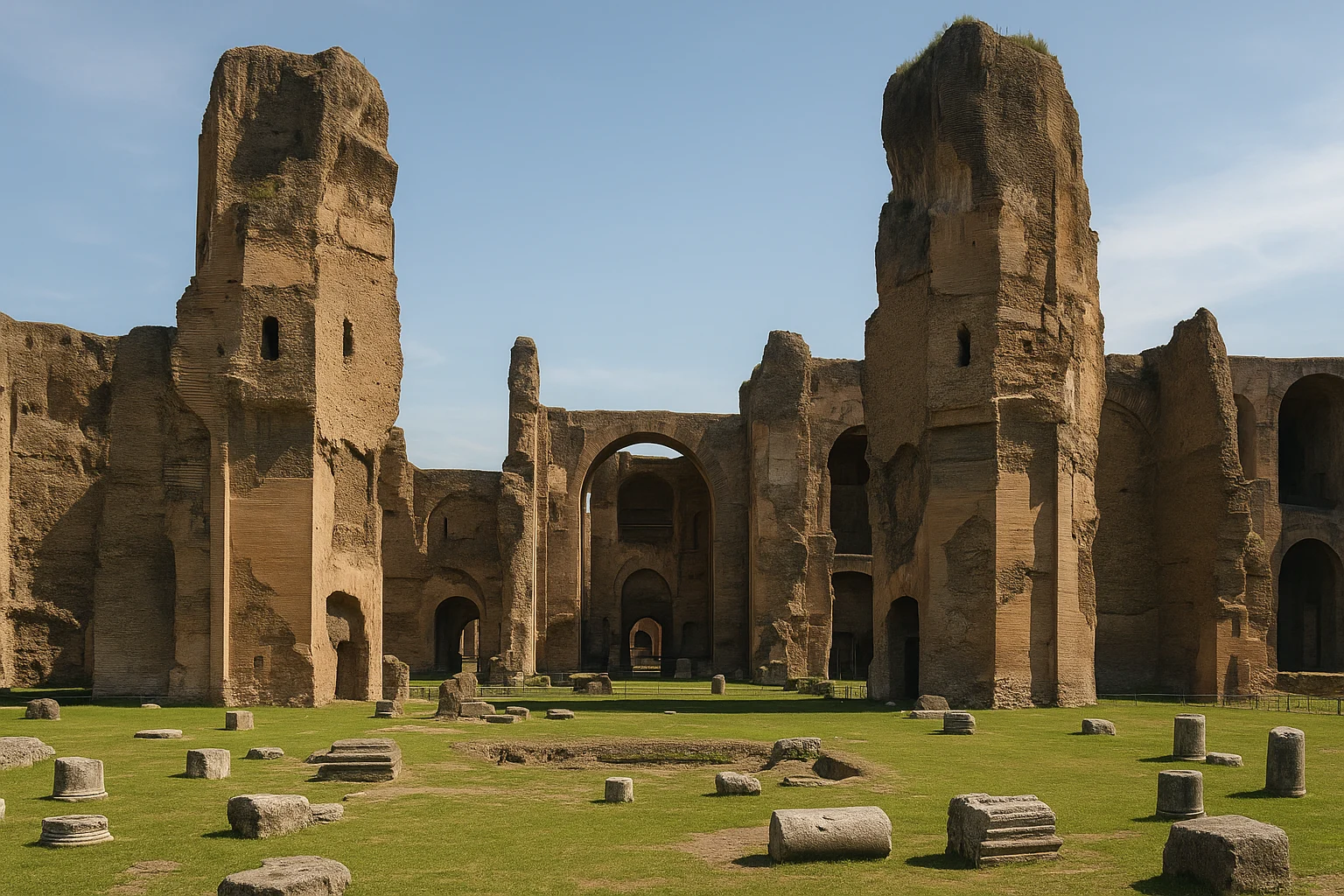
Baths of Caracalla Rome Guide 2026
RomanPlan your visit to the Baths of Caracalla with practical route advice, history context, timing, and ...
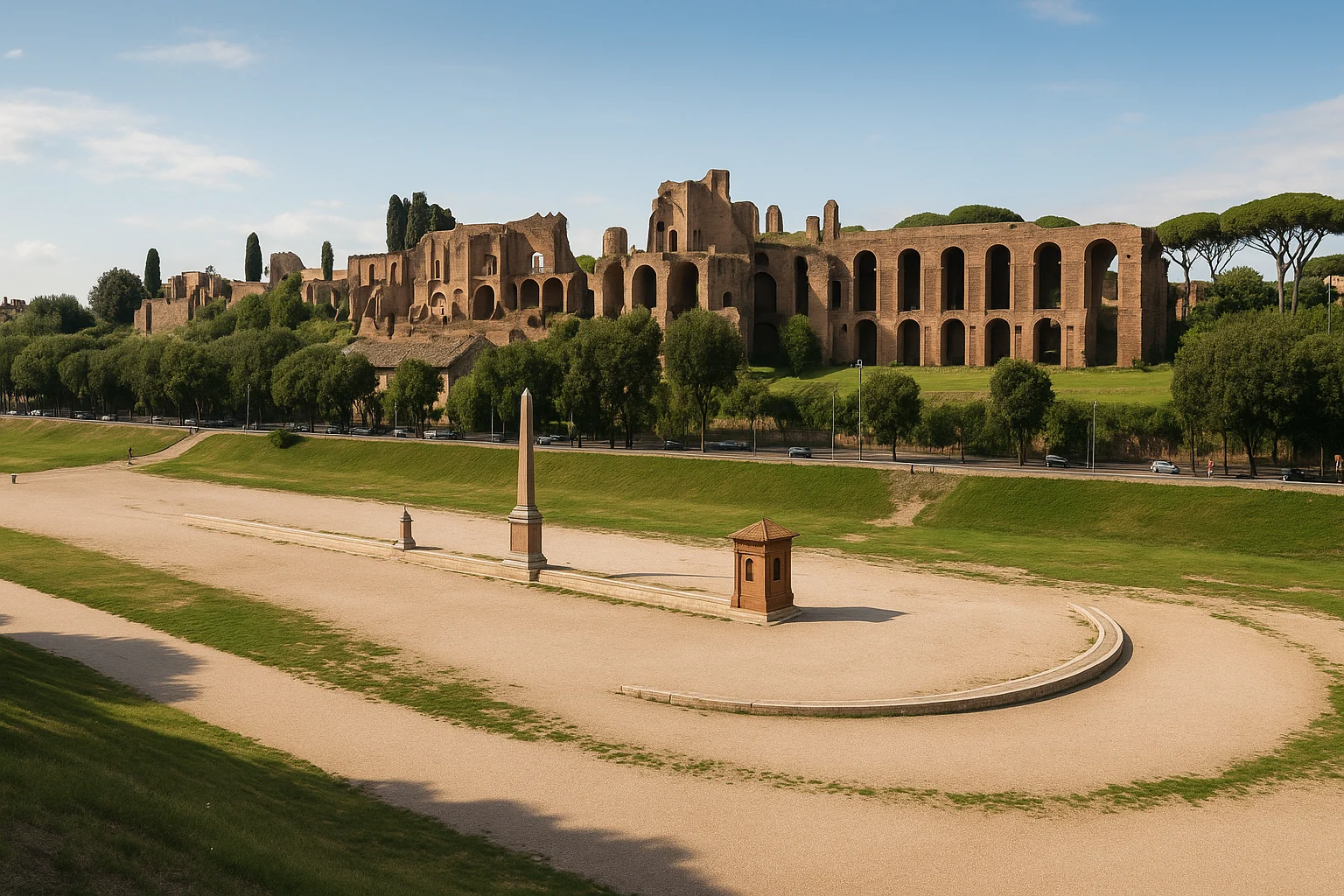
Circus Maximus Rome: Ancient Chariot Racing Arena & Modern Park Guide
Roman Republic/EmpireExperience Circus Maximus, Rome's massive chariot racetrack turned public park. History, dimensions,...
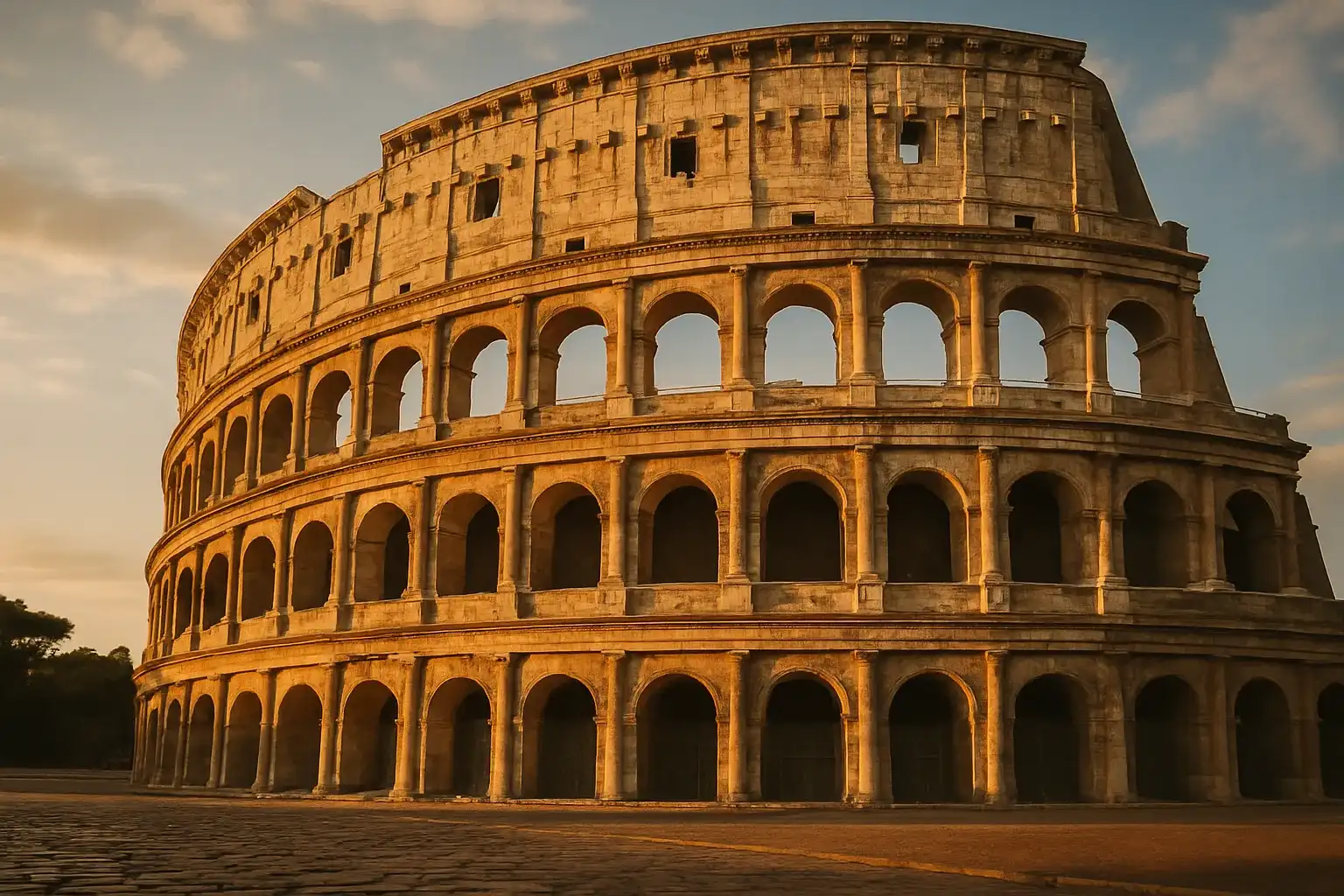
Colosseum Rome: Complete 2026 Guide to Arena Floor, Tickets, and Timing
Roman EmpirePlan the perfect Colosseum visit with timed-entry strategy, Arena Floor and underground access tips,...
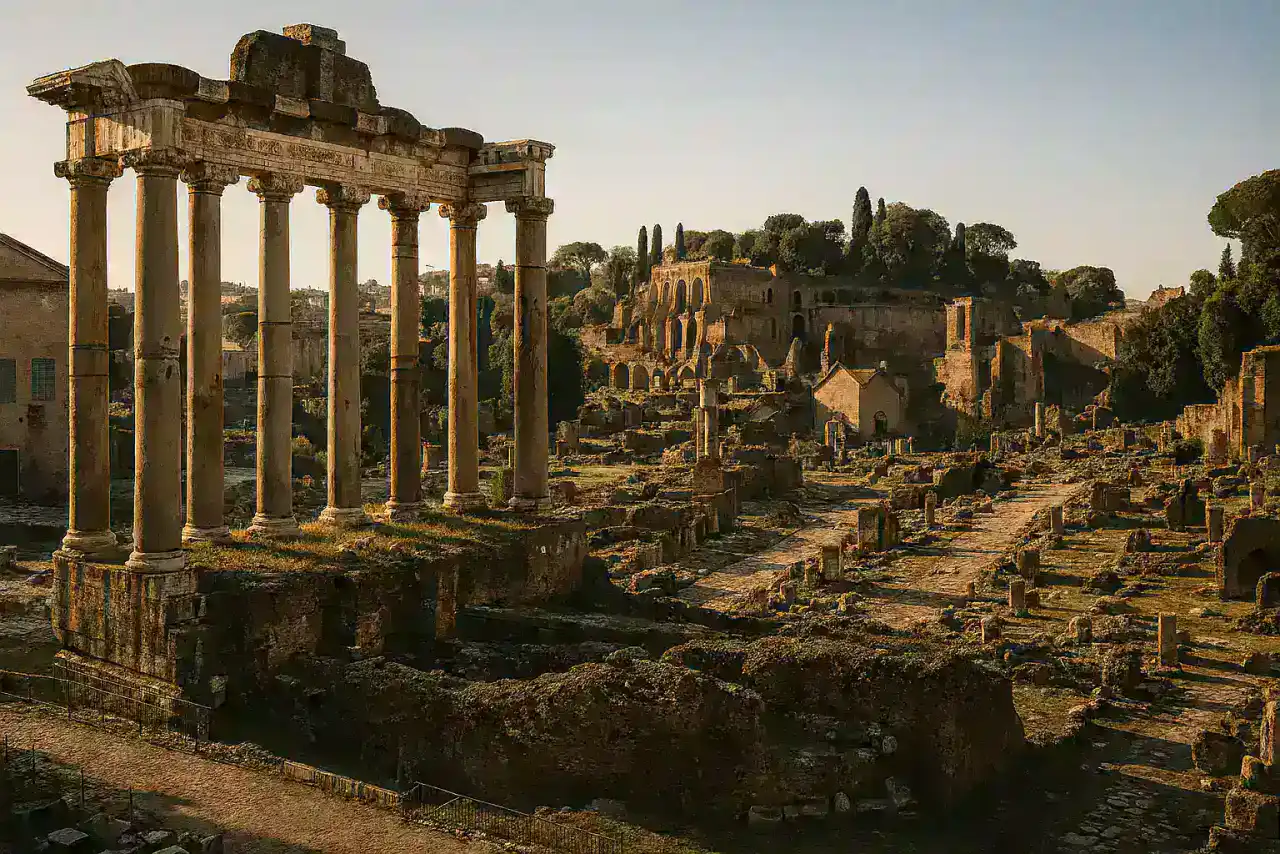
Roman Forum Rome: Heart of Ancient Republic Guide
Roman Republic/EmpireNavigate the Roman Forum's temples, basilicas, triumphal arches. Complete layout, highlights, Palati...
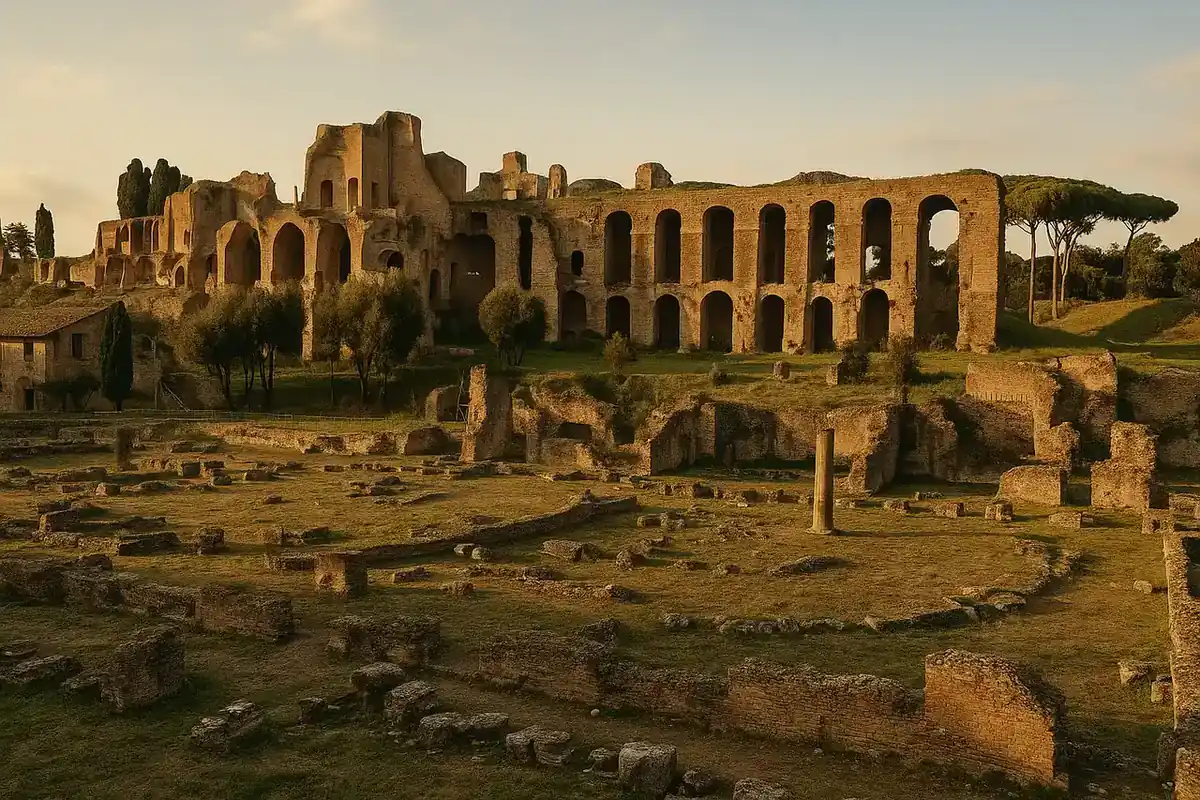
Palatine Hill Rome: Emperors' Palaces & Birthplace of Rome Guide
Roman EmpireExplore Palatine Hill, Rome's oldest neighborhood and imperial palace complex. Complete 2026 guide t...
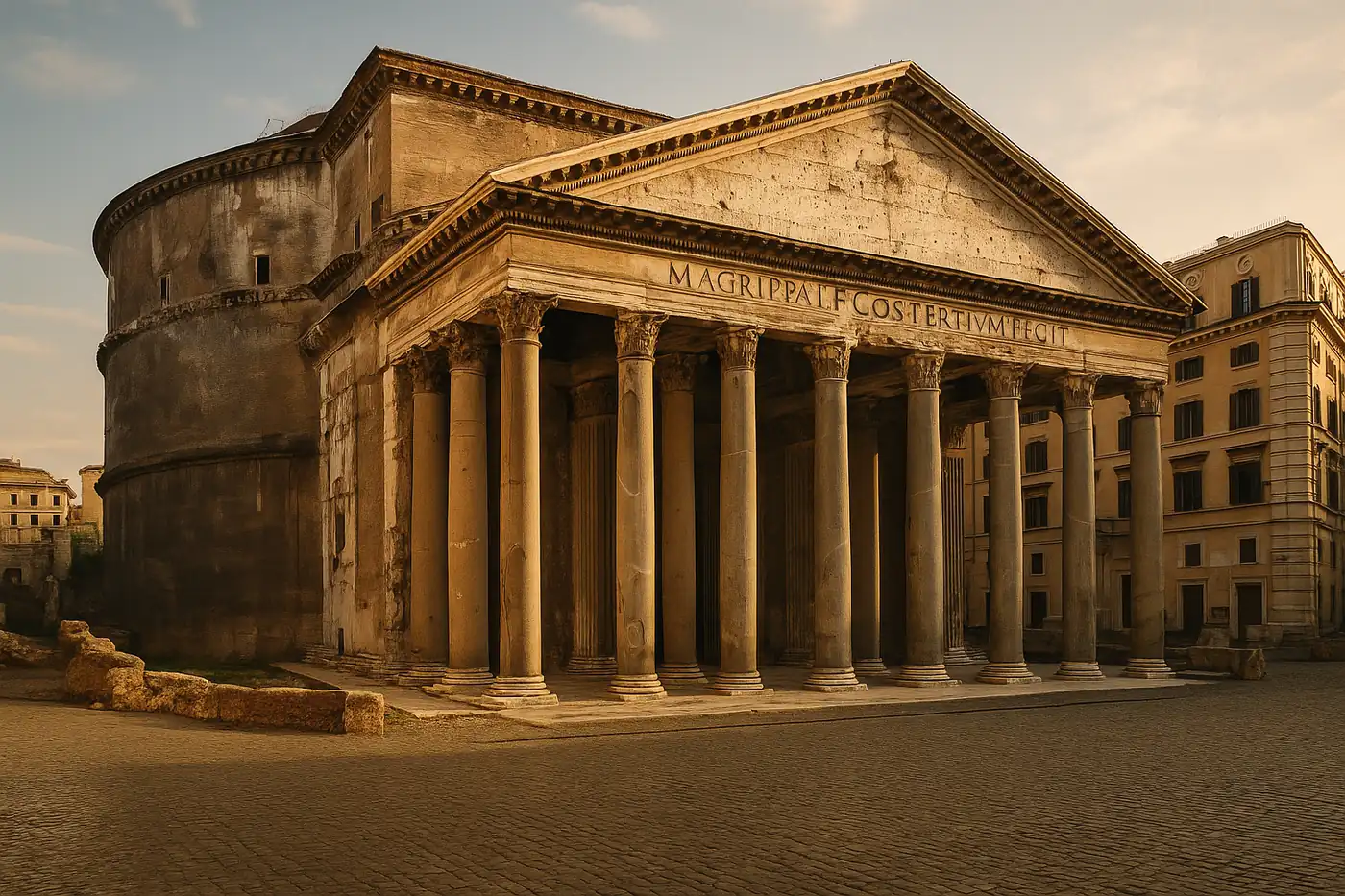
Pantheon Rome: Ultimate Guide to Rome's Best-Preserved Ancient Temple
Roman EmpireMaster your Pantheon visit with history, dome engineering secrets, visiting tips, skip-the-line opti...