Quick Info
Curated Experiences
Baths of Caracalla Guided Visit with Ancient Rome Context
Caracalla Baths and Appian Way Small-Group Tour
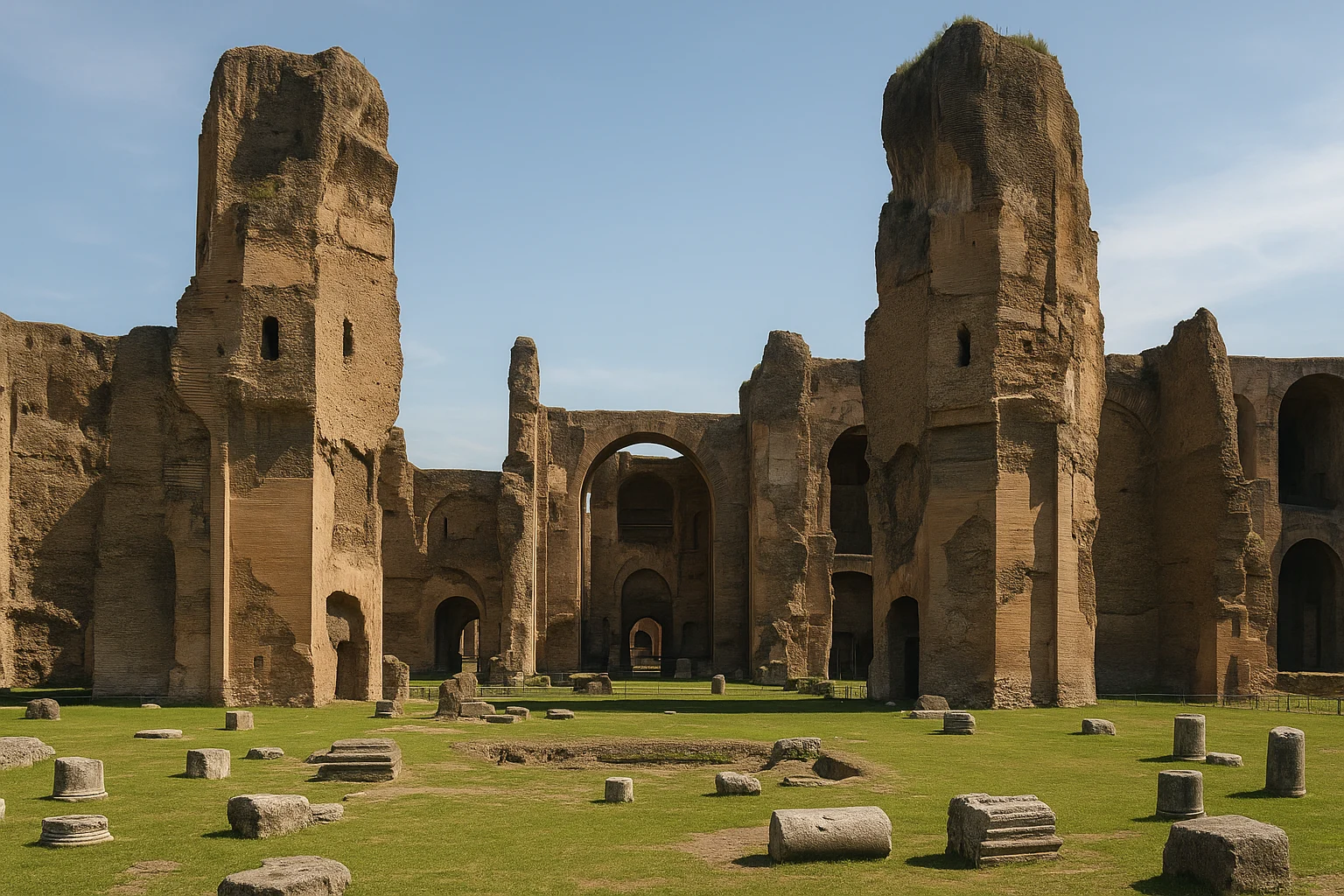
You hear Caracalla before you understand it. The wind moves through broken vaults three stories overhead, and the sound carries in a way that makes the scale register physically before your eyes catch up. This was not a bathhouse. This was a civic machine designed to process over six thousand Romans a day through a sequence of cold plunges, warm soaking pools, steam rooms, exercise yards, libraries, and gardens — all heated by an underground furnace network that burned ten tons of wood every twenty-four hours.
Stand in the central hall of the frigidarium and look up. The vault fragments that survive rise to what was once a ceiling over thirty meters high, supported by granite columns hauled from Egypt. The floor beneath your feet was polished marble. The walls held mosaics of athletes and sea creatures. Try to imagine this space full of people — senators and freedmen, merchants and soldiers — all of them naked, all of them equal for the duration of a bath. That social leveling was the point. Caracalla was not charity. It was statecraft disguised as comfort.
For travelers who have already done the Colosseum and the Forum, this site fills a gap that neither of those can reach. The amphitheater explains Roman spectacle, the Forum explains Roman politics, and Caracalla explains Roman daily life at its most ambitious — the empire as a provider of routine pleasure on an industrial scale.
Historical Context
The Baths of Caracalla were inaugurated in 216 CE by Emperor Marcus Aurelius Antoninus, better known by his nickname Caracalla, the hooded Gallic cloak he favored. Construction had begun around 212 CE, and the complex was completed to operational capacity within roughly four years — a speed that reflects both the emperor’s political urgency and the staggering labor force available to an imperial building project. Caracalla needed a public gift. He had recently murdered his brother Geta and purged thousands of Geta’s supporters. A monumental bath complex open to all citizens was a calculated gesture of generosity from a ruler with blood on his hands.
The complex covered approximately 25 acres and could serve an estimated 6,000 to 8,000 bathers simultaneously. The main bathing block alone stretched over 200 meters on its longest axis. Surrounding it were gardens, exercise grounds, two libraries (one Greek, one Latin), and a cistern system fed by a dedicated branch of the Aqua Marcia aqueduct. Romans did not simply wash here. They exercised in the palaestrae, debated in the exedrae, browsed scrolls, had their bodies oiled and scraped by attendants, and moved through a thermal circuit that progressed from warm (tepidarium) to hot (caldarium) to cold (frigidarium) with optional detours into dry-heat sweat rooms.
The engineering beneath the surface was as impressive as the architecture above it. A dedicated branch of the Aqua Antoniniana aqueduct delivered water from the hills southeast of Rome. Underground, a network of service tunnels allowed enslaved workers and maintenance crews to move fuel, remove ash, and manage plumbing without ever appearing in the bathing areas above. The tunnel system stretched for roughly two kilometers and included a Mithraeum — a sanctuary to the mystery cult of Mithras — that suggests even the workers who kept the furnaces burning had their own religious life in the bowels of the complex.
The baths operated for over three centuries, surviving changes of dynasty and occasional earthquakes, until the Ostrogothic siege of 537 CE severed the aqueducts that supplied them. Without water, the complex died. Medieval Romans stripped its marble cladding, recycled its bricks, and carted away its granite columns — several of which now stand in the piazzas and churches of Rome. The great mosaic athletes that once decorated the floor ended up in the Lateran Museum and later the Vatican collections.
What remains today is the brick-and-concrete skeleton: colossal walls, soaring vault fragments, and the ghostly footprint of rooms whose function can still be read from their shape and position. The ruins are among the best-preserved examples of Roman imperial bathing architecture anywhere, and their sheer size makes Caracalla one of the few sites in Rome where you can feel the empire’s operating scale without reconstruction or imagination filling most of the gaps.
The site also has a second life as a performance venue. Since the 1930s, the Rome Opera has staged summer seasons among the ruins, and recent years have seen concerts and immersive light installations that use the vaults as a natural theater. If your visit coincides with a performance season, the experience of hearing music in these spaces adds an atmospheric dimension that daytime visits cannot replicate.
What to See
The Frigidarium (Great Central Hall)
The cold-water hall is the visual and spatial heart of the complex. Its surviving walls rise to roughly 30 meters, and the cross-vaulted ceiling — now open to the sky — once spanned one of the largest enclosed spaces in the ancient world. Three massive granite columns from the frigidarium were removed in the sixteenth century and now stand in Piazza Farnese. Imagine six more like them holding up a painted vault above a swimming pool the size of a small lake. The engineering confidence here is staggering, and even in ruin, the proportions dwarf almost everything else in Rome outside the Colosseum.
The walls retain patches of opus reticulatum and opus testaceum, the brick-and-concrete facing techniques that allowed Roman builders to erect structures of this scale in under five years. Look closely at the brickwork joints: the precision is remarkable, and the regularity of the courses tells you that the construction crews worked from standardized dimensions, not improvisation.
Practical tip: Enter the frigidarium space early in your visit when the morning light angles through the eastern wall gaps. The shadows cast by the vault stubs are most dramatic before 10:00 AM.
The Caldarium Foundation
The hot-water room once featured a circular plan roughly 35 meters in diameter with enormous windows designed to trap solar heat and supplement the furnaces below. The superstructure is mostly gone, but the floor-level remains reveal the hypocaust system — the raised-floor channels through which hot air circulated. Interpretive panels explain the mechanics well. This is where Caracalla transitions from impressive ruin to engineering lesson: the Romans were running centralized radiant heating at urban scale seventeen centuries before it became common in the modern world.
The caldarium’s circular plan was not just functional. It was architectural theater. The dome that once covered this room (estimated at roughly 35 meters in diameter, comparable to the Pantheon) would have been the single most impressive interior in the complex. Bathers moving from the dim, heated rooms into this bright, sun-flooded rotunda experienced a climactic spatial moment that was as much about sensory drama as hygiene.
Practical tip: Look for the exposed hypocaust pilae (the small brick stacks that supported the raised floor). They are most visible along the caldarium’s southern edge.
Underground Tunnels and Service Corridors
A network of subterranean passages — the service infrastructure that kept the baths running — has been partially opened for guided visits. The tunnels include a Mithraeum (a sanctuary to the cult of Mithras) discovered in the early twentieth century, one of the largest found in Rome. Access is typically by reservation or special guided tour, and availability varies seasonally.
If you can get in, the tunnels offer a rare look at the labor side of Roman public amenity: the furnace rooms, storage areas, and corridors that enslaved workers used to keep six thousand bathers comfortable above. The contrast between the monumental bathing halls and these cramped, dark service passages is one of the most honest things any Roman site can show you about how the empire actually functioned. The luxury upstairs depended entirely on the labor downstairs.
Practical tip: Check the official Soprintendenza website or ticket office for underground tour schedules. These fill quickly in spring and summer. Book at least a week ahead if possible.
The Palaestrae (Exercise Courtyards)
Two large open-air courtyards flanked the main bathing block, each lined with colonnades where Romans exercised before bathing. Wrestling, ball games, and basic calisthenics were standard pre-bath routines. The surviving mosaic fragments depicting athletes were found in these palaestrae and are now in the Vatican Museums, but the scale of the courtyards themselves tells the story. These were not gym annexes. They were public athletic fields embedded in the bath complex, reinforcing the Roman idea that bathing, exercise, and social life were inseparable.
The palaestrae also contained decorative programs of their own. Fragments of wall painting and stucco found during excavation suggest the colonnade walls were richly decorated, turning even the exercise spaces into curated environments. The Romans left nothing undesigned.
Practical tip: The palaestrae are good places to sit, drink water, and study the site plan before moving on. They tend to be less crowded than the central halls.
The Perimeter Gardens and Cistern Zone
The bath block sat within a larger enclosure that included gardens, fountains, and two apsidal halls that may have served as libraries. Along the southwestern edge, remains of the massive cistern system are partially visible — a reminder that the entire complex depended on a reliable water supply engineered to deliver thousands of cubic meters daily.
Walking the perimeter takes about twenty minutes and gives you the full sense of the site’s footprint, which is easy to underestimate if you stay only in the central halls. The enclosure walls also contained exedrae — semicircular niches that may have hosted public lectures, poetry readings, or informal philosophical discussion. The baths were not merely athletic or hygienic. They were a total-package civic institution that served intellectual life alongside physical life.
Practical tip: The perimeter path is less shaded than the interior. Save it for the cooler part of your visit, or bring a hat.
Mosaic and Decorative Fragments
Scattered throughout the site, surviving fragments of floor mosaic, wall revetment, and carved architectural detail give glimpses of the original decorative richness. The most famous mosaics — black-and-white panels depicting athletes, referees, and trainers — were removed in the 19th century and are now in the Vatican’s Gregorian Profane Museum. On site, you can still find fragments of geometric floor patterns and traces of marble wall cladding that indicate the systematic color coordination the Romans applied to these interiors.
Practical tip: The in-situ mosaic fragments are easiest to spot in the transitional corridors between major halls. Ask the audio guide to point out specific locations — they are easy to walk past without noticing.
Timing and Seasons
Best months: October through November and March through May. Temperatures range from 55-75°F (13-24°C), the light is excellent for photography, and visitor numbers are manageable outside holiday weekends.
Summer (June-August): Temperatures hit 85-95°F (30-35°C) and shade inside the complex is limited. Early morning visits are essential. The trade-off is summer opera season, which can justify an evening return trip. Opera performances typically run from late June through early August, with tickets ranging from 20-80 EUR depending on the production.
Winter (December-February): Cooler (40-55°F / 5-13°C) and quieter. The ruins have a stark beauty in low winter light, and you may have entire halls to yourself on weekday mornings. Shorter daylight hours mean less flexibility, but the uncrowded atmosphere transforms the experience.
Best time of day: Arrive at opening (typically 9:00 AM, but confirm the current schedule). By 11:00 AM, tour groups begin arriving in waves, and by midday in summer the sun exposure becomes punishing. If you cannot do morning, aim for the last two hours before closing, when the light softens and crowds thin.
Crowd patterns: Weekday mornings are calmest. Weekends bring more local visitors, especially in spring. The site rarely reaches the crush-level congestion of the Colosseum or Vatican, which is one of its best features. Even in peak season, you can find quiet corners in the palaestrae and along the perimeter path.
Tickets, Logistics and Getting There
Admission: Adult tickets are approximately 10-12 EUR ($11-13 USD). The site is included in some combined archaeology passes (such as the Appia Antica archaeological card at approximately 10 EUR), which also covers the Tomb of Cecilia Metella and Villa dei Quintili along the Appian Way. If you plan to visit the Appian Way corridor, the combined ticket is the better deal.
Underground tours: When available, underground access costs an additional 5-8 EUR. Advance reservation is strongly recommended. Check the Soprintendenza Speciale di Roma website for current scheduling.
Hours: Generally open from 9:00 AM, with closing time varying by season (4:30 PM in winter, 7:15 PM in summer). Last entry is one hour before closing. Always confirm hours on the official Soprintendenza Speciale di Roma website before your visit day. The site is closed on select holidays, including January 1 and December 25.
Getting there by metro: The Circo Massimo station (Line B) is the closest metro stop, roughly a 10-minute walk south to the bath complex entrance on Viale delle Terme di Caracalla. Exit the station and walk south past the Circus Maximus valley. The approach is flat and straightforward.
Getting there by bus: Bus routes 118 and 628 stop near the site entrance. From the Colosseum area, the 118 provides the most direct service.
On foot from the Colosseum: The walk takes approximately 25 minutes along the southern side of the Palatine Hill and past Circus Maximus. This is a pleasant route through some of the least-crowded archaeology in central Rome and serves as excellent warm-up context for the bath visit.
Advance booking: Not strictly required in low season, but recommended from April through October and on any holiday weekend. Tickets can be purchased through the official CoopCulture portal.
Practical Tips
- Wear sturdy, comfortable shoes. The ground surfaces mix ancient stone, exposed brick, gravel paths, and uneven terrain. Sandals are a poor choice.
- Bring at least one liter of water per person. There are no drink vendors inside the complex, and shade is inconsistent.
- A hat and sunscreen are mandatory in warm months. You will be exposed for 60-90 minutes with few opportunities to get out of the sun.
- Download the site map from the official website before arriving. Orientation panels exist on-site, but having a map on your phone speeds up route planning.
- Photography is excellent throughout, but a wide-angle lens (or phone equivalent) is the most useful focal length for capturing vault heights. Standard zoom lenses struggle with the scale.
- Audio guides are available at the entrance and worth the small fee (approximately 5 EUR) if you are visiting without a guide. The engineering content is well-presented and significantly deepens the visit.
- The on-site bookshop near the entrance carries solid reference material on Roman bath architecture if you want to go deeper after your visit.
- If you are visiting during summer opera season, consider booking an evening performance. The combination of a daytime archaeology visit and a nighttime return for live music creates one of the most memorable experiences available in Rome.
Suggested Itinerary
9:00 AM — Arrive at the entrance on Viale delle Terme di Caracalla and pick up an audio guide or site map. Enter and head directly to the frigidarium while it is still uncrowded. Spend 20-25 minutes absorbing the scale, vault remains, and brickwork detail.
9:25 AM — Move to the caldarium foundations. Study the hypocaust system and read the interpretive panels on heating technology. Allow 15-20 minutes.
9:45 AM — Walk through the tepidarium zone and connecting corridors toward the eastern palaestra. Pause to examine wall construction, mosaic fragments, and any surviving decorative traces. Allow 15 minutes.
10:00 AM — Explore the palaestra courtyards. Sit, hydrate, and study the site plan to orient remaining stops. Allow 10-15 minutes.
10:15 AM — Walk the perimeter path past the cistern zone, library exedrae, and garden enclosure to understand the full site footprint. Allow 15-20 minutes.
10:35 AM — If you have booked an underground tour, this is often the mid-morning slot. Allow 30-40 minutes for the tunnels and Mithraeum. The temperature underground is roughly 55-60°F (13-16°C) year-round, so bring a light layer.
11:15 AM — Return to the central halls for final photography and any areas you want to revisit. Exit by 11:30 AM before peak tour-group arrival.
11:45 AM — Walk north to Circus Maximus (10 minutes) or south toward the Appian Way starting point (15 minutes) to continue your day.
Total time: 2 to 2.5 hours for a thorough visit including underground access, or 75-90 minutes for the main complex alone.
Nearby Sites
Circus Maximus — A 10-minute walk north. The chariot-racing valley reads best as a landscape stop rather than a detailed ruin visit, but its scale complements Caracalla’s and together they paint a picture of Rome’s entertainment and leisure infrastructure. The valley held 250,000 spectators at peak capacity — a number that puts even the Colosseum to shame. Combine both in a single morning with less than two hours total.
Appian Way — The ancient road corridor begins roughly 1.5 km south of Caracalla. By bike or on foot, this pairing creates one of the best infrastructure-themed half days in Rome. Start at Caracalla for urban service systems, then follow the Appian Way for military-logistics engineering, catacomb visits, and open-air archaeology. Budget 4-5 hours for both sites combined.
Roman Forum and Palatine Hill — About 20 minutes on foot to the north. If you do Caracalla first thing in the morning, you can transition to the Forum-Palatine complex by late morning and build a narrative progression from public amenity to political power. The Forum/Palatine combined ticket is separate from the Caracalla admission.
Colosseum — A 30-minute walk or one metro stop from Caracalla. Most visitors do the Colosseum first and never make it south. Reverse the order and you will arrive at the amphitheater with a richer understanding of how Rome functioned beyond its most famous building.
Final Take
The Baths of Caracalla are not romantic in the way the Forum is romantic. There are no legendary speeches to imagine, no mythic founding stories to retrace. What you get instead is something rarer and in some ways more impressive: hard evidence of a civilization that believed public comfort was a function of the state, and built accordingly. The furnaces, the aqueduct branches, the ten tons of daily firewood, the army of enslaved stokers working in tunnels so that strangers could soak in heated pools — all of this was routine. That is the real revelation of Caracalla. Not that Rome could build big, but that Rome could operate big, continuously, for three hundred years.
Walk through the frigidarium one more time before you leave. Stand where the cold pool was. Look up at the vault stubs and try to imagine the ceiling closed, the light filtered, the water still. Then walk out into the Roman sun and head for the Appian Way, where the empire’s reach extends in a straight line toward the horizon.
Discover More Ancient Wonders
- Colosseum — Rome’s iconic amphitheater and the definitive monument of imperial spectacle
- Roman Forum — The political and ceremonial heart of ancient Rome
- Appian Way — The queen of Roman roads, lined with tombs and catacombs south of the city
- Ostia Antica — Rome’s ancient port city, offering a complete urban archaeology experience outside the capital
- Explore our full Italy Ancient Sites Guide for more planning resources
Quick Facts
| Attribute | Details |
|---|---|
| Location | Rome, Lazio, Italy |
| Country | Italy |
| Region | Lazio |
| Civilization | Roman |
| Historical Period | 3rd century CE (Severan period) |
| Established | Dedicated in 216 CE under Emperor Caracalla |
| Entry Fee | ~10-12 EUR ($11-13 USD) |
| Hours | 9:00 AM to 4:30-7:15 PM (seasonal) |
| Best Time | Weekday mornings, Oct-Nov or Mar-May |
| Coordinates | 41.8796, 12.4923 |
Frequently Asked Questions
How long should I spend at the Baths of Caracalla?
Most travelers need 60 to 90 minutes for a focused visit. Give yourself up to two hours if you want to move slowly, read interpretation panels, and photograph major vaults and bath halls.
Are the Baths of Caracalla worth visiting if I already saw the Colosseum and Forum?
Yes. Caracalla shows a different side of Roman urban life: public bathing, leisure, exercise, and engineering at monumental scale. It complements, rather than duplicates, the Forum and Colosseum experience.
Do I need to book Caracalla tickets in advance?
In shoulder and low season, same-day purchase is usually manageable. In spring, summer, and major holiday windows, advance booking is smart to avoid queue uncertainty and protect your route timing.
Is the site physically demanding?
The grounds are broad and mostly open-air with some uneven ancient surfaces. It is generally easier than steeper Rome sites, but sun exposure and distance across the complex can still be tiring.
Can I combine Caracalla with the Appian Way in one day?
Yes. This is one of the best pairings in Rome if you want less crowd pressure and a stronger infrastructure-focused narrative than the central core alone.
Nearby Ancient Sites
Colosseum Rome: Complete 2026 Guide to Arena Floor, Tickets, and Timing
Roman EmpirePlan the perfect Colosseum visit with timed-entry strategy, Arena Floor and underground access tips,...
Roman Forum Rome: Heart of Ancient Republic Guide
Roman Republic/EmpireNavigate the Roman Forum's temples, basilicas, triumphal arches. Complete layout, highlights, Palati...
Palatine Hill Rome: Emperors' Palaces & Birthplace of Rome Guide
Roman EmpireExplore Palatine Hill, Rome's oldest neighborhood and imperial palace complex. Complete 2026 guide t...
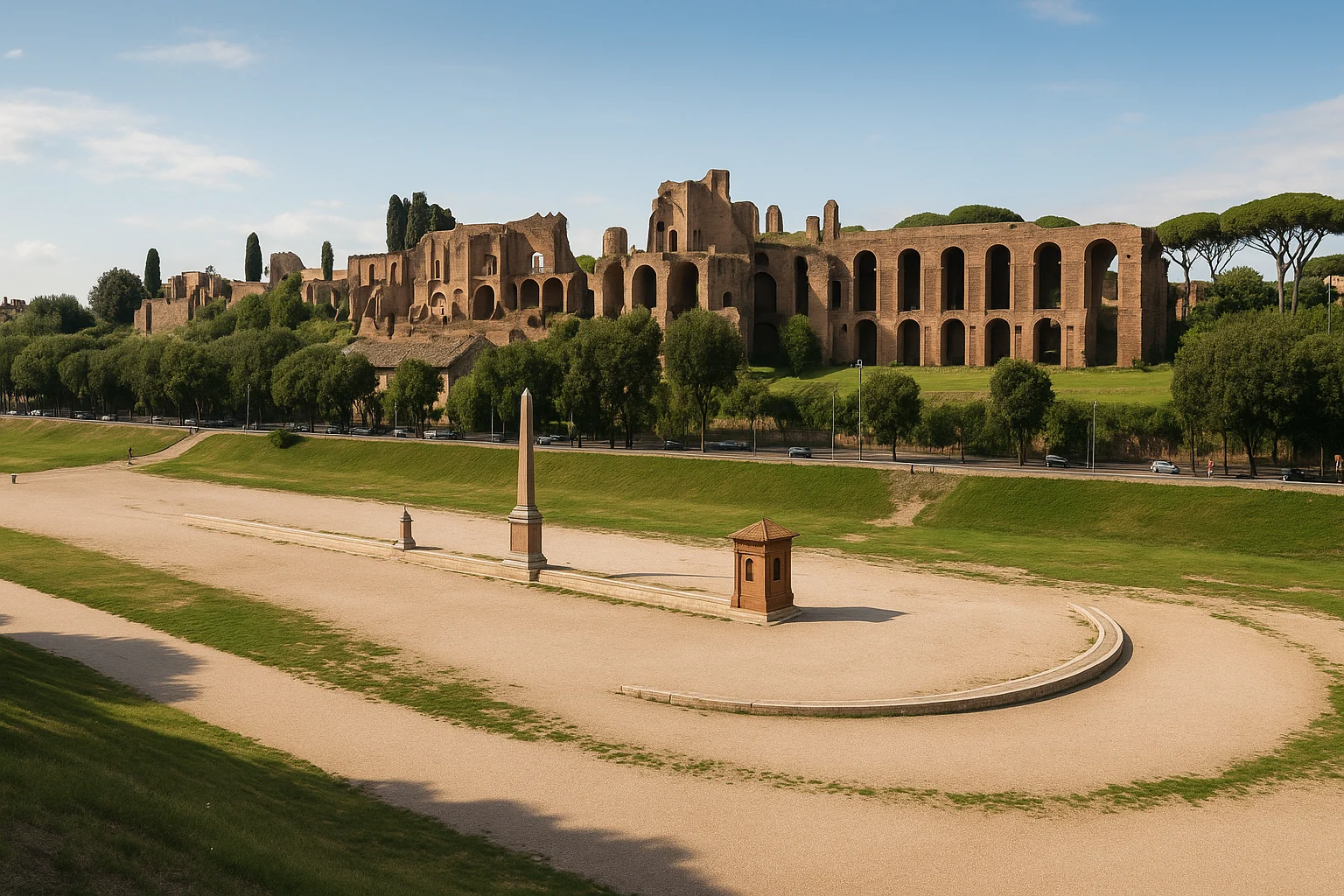
Circus Maximus Rome: Ancient Chariot Racing Arena & Modern Park Guide
Roman Republic/EmpireExperience Circus Maximus, Rome's massive chariot racetrack turned public park. History, dimensions,...
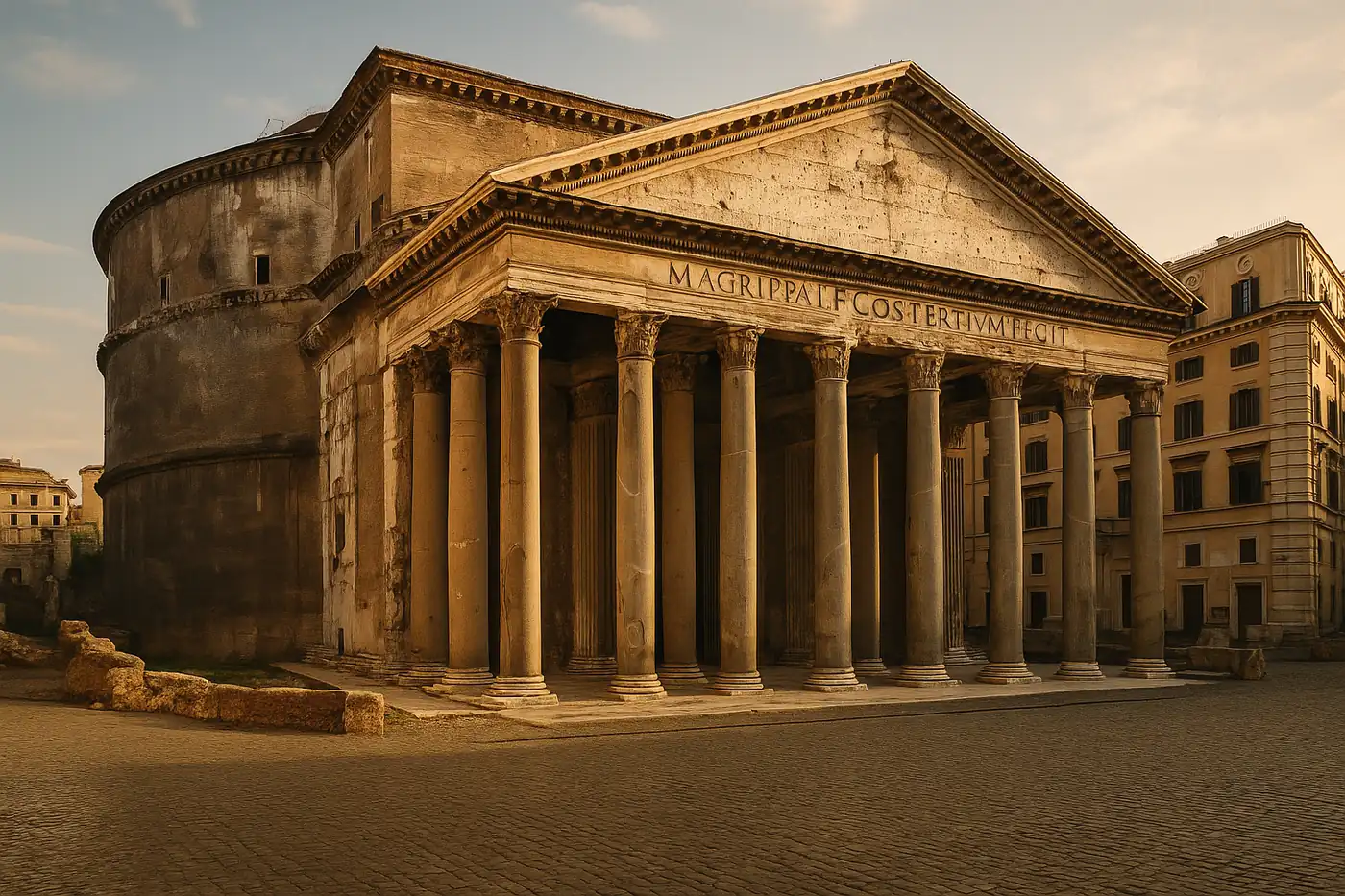
Pantheon Rome: Ultimate Guide to Rome's Best-Preserved Ancient Temple
Roman EmpireMaster your Pantheon visit with history, dome engineering secrets, visiting tips, skip-the-line opti...
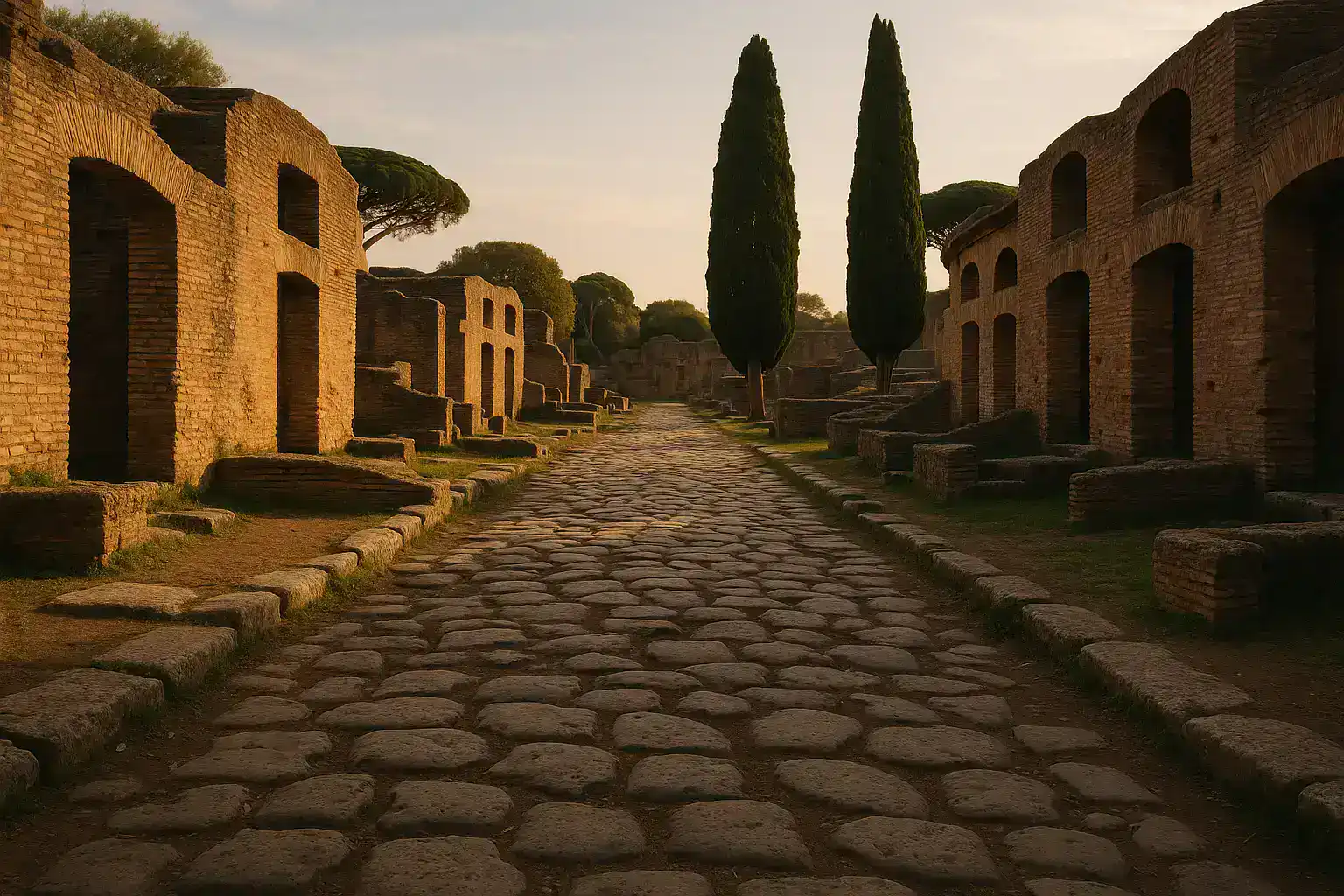
Ostia Antica Italy Travel Guide 2026: Rome's Ancient Port City
Roman EmpireExplore Ostia Antica, the best-preserved ancient Roman city after Pompeii. Walk intact streets, see ...