Quick Info
Curated Experiences
Castel Sant'Angelo Priority Access Guided Tour
Vatican to Castel Sant'Angelo Walking Tour
Rome Highlights: Castel Sant'Angelo + Historic Center
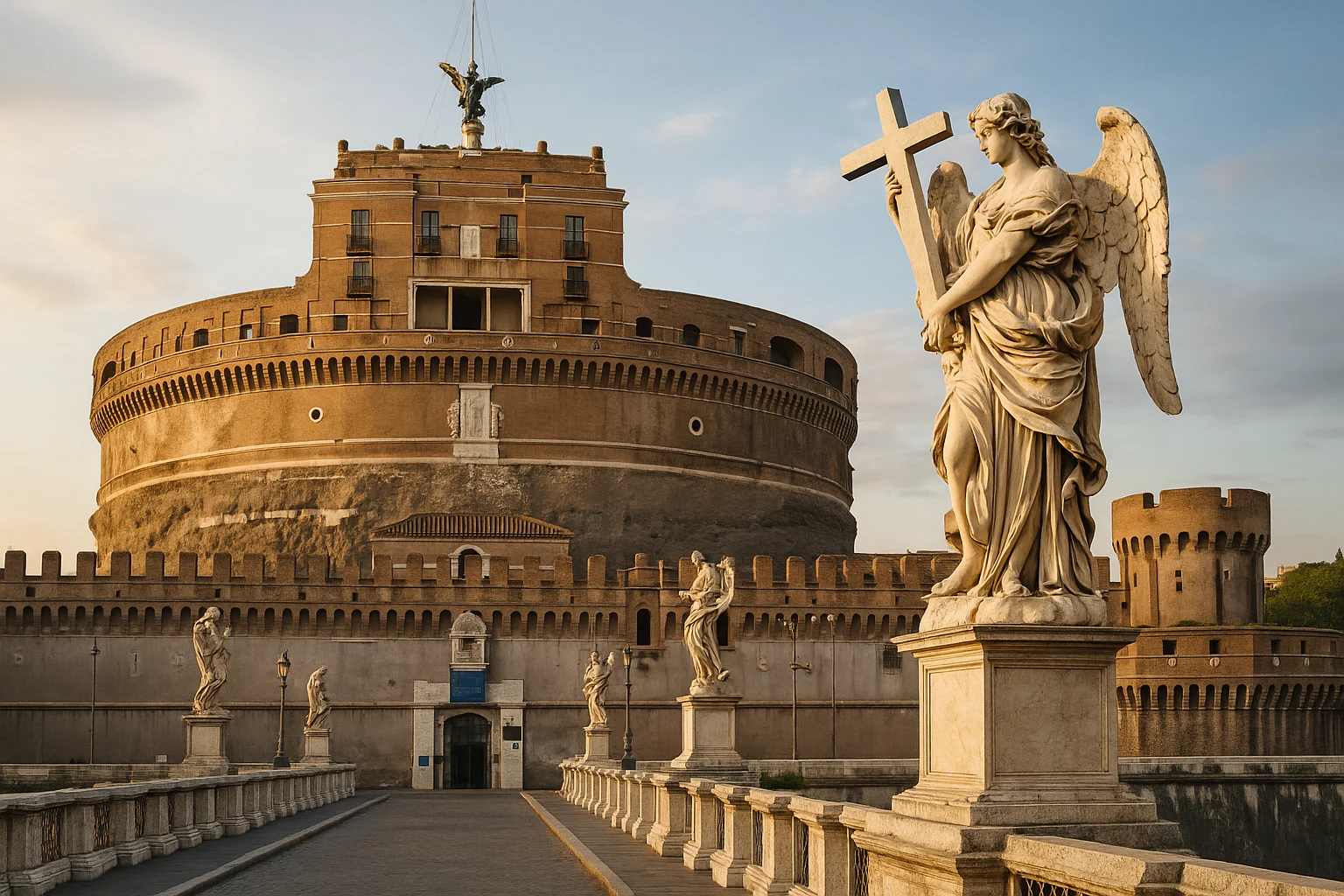
Castel Sant’Angelo is one of Rome’s most useful history lessons because it never stayed one thing for very long. It began as Emperor Hadrian’s monumental tomb, became a military fortress, transformed into a papal refuge, served as a prison, and now functions as a museum with some of the best panoramic views in the city.
A lot of travelers treat it as a quick photo stop on the way to or from the Vatican. That’s understandable, but it undersells the site. If you want to understand how Rome adapted ancient monuments for entirely new political eras, this is the place.
Why Castel Sant’Angelo Matters
Many Roman sites are tied to one period. Castel Sant’Angelo is layered by design:
- Imperial Rome: Built as Hadrian’s mausoleum (completed in 139 CE).
- Late Antiquity + Middle Ages: Integrated into Aurelian walls and militarized.
- Papal Rome: Converted into a defensive stronghold and emergency residence.
- Modern era: Opened as a public museum preserving all those phases at once.
That long continuity is rare. You can literally walk from Roman funerary architecture into Renaissance papal apartments within one visit.
Quick Historical Timeline
2nd century CE: Hadrian’s tomb
Emperor Hadrian commissioned a monumental cylindrical mausoleum on the Tiber’s right bank for himself and successors. It was intended as dynastic memory in stone—massive, visible, and politically symbolic.
3rd-5th centuries: Fortress role grows
As Rome’s security changed, the mausoleum became strategically valuable and was folded into city defenses. Its massive core made it ideal for military reuse.
590 CE: The angel legend
According to medieval tradition, Pope Gregory the Great saw Archangel Michael sheathing his sword above the fortress, signaling the end of a plague. The story gave the building its enduring name: Castel Sant’Angelo.
Renaissance and early modern period
Popes expanded interiors, added apartments, and linked the site to the Vatican through the Passetto di Borgo, an elevated fortified corridor for emergency escape.
Today
Castel Sant’Angelo is part museum, part architectural palimpsest, and part viewpoint platform over Rome’s historic core.
What to See Inside (and Why It Sticks)
1) The spiral ramp and mausoleum core
The internal ramp system hints at the original Roman funerary structure. Even after centuries of alteration, the underlying mass and circulation still feel imperial.
2) Defensive architecture
Thick walls, bastions, and weapon-ready terraces show the site’s military life. This is where the building shifts from tomb to fortress in a very tangible way.
3) Papal apartments
Rooms associated with papal occupation and ceremonial use reveal a different side of the castle—less battlefield, more emergency palace. Frescoes and decorative programs reflect Renaissance authority politics.
4) Prison spaces
Some chambers were used to detain high-profile prisoners. The mood shift from decorated papal rooms to austere detention areas is stark and memorable.
5) Rooftop terrace and angel statue
The upper terrace is the visual payoff: St. Peter’s dome, the Tiber bends, bridge statuary, and layered skyline all in one sweep. It is among Rome’s best medium-effort viewpoints.
Ponte Sant’Angelo: Don’t Skip the Approach
Before or after your entry, cross Ponte Sant’Angelo slowly. The bridge and fortress work together as a designed axis between Vatican-side Rome and the historic center.
- The angel sculptures on the bridge create one of Rome’s strongest ceremonial approaches.
- Looking back from mid-bridge gives a classic castle-and-river perspective.
- Early morning or evening light makes this zone much easier for photos and less crowded.
If you’re mapping an efficient route, this bridge segment is not dead time—it is part of the site experience.
Visiting Logistics (2026 Planning Basics)
- Ticketing: Separate from Vatican Museums and Colosseum Park tickets.
- Best slot: Early morning or later afternoon for lighter crowd pressure.
- Time needed: 90 minutes standard; up to 2 hours if you read exhibits and linger on terrace.
- Terrain: Multiple levels, stairs, and stone surfaces; wear stable shoes.
- Security: Bag checks are standard; expect occasional queue variability.
As with major Rome monuments, hours and circulation rules can shift seasonally—check official museum channels before arrival.
Smart Pairings Nearby
Castel Sant’Angelo + Vatican morning
Do a Vatican Museums or St. Peter’s visit first, then walk to the castle for military/papal context and better skyline views.
Castel Sant’Angelo + Historic Center afternoon
Cross toward Piazza Navona and the Pantheon for a route that links imperial infrastructure with Baroque and medieval Rome.
Castel Sant’Angelo + evening river walk
Finish at sunset and continue along the Tiber embankments for lower-intensity sightseeing.
Practical Tips That Save Time
- Prebook timed entry in peak season to avoid late-morning queues.
- Start from lower levels and climb steadily to the terrace so the visit builds naturally.
- Pause at windows and ramp overlooks; some of the best framing shots are indoors, not only on the roof.
- Carry water in warm months—there is significant vertical movement inside.
- If you’re doing many heavy sites in one day, use Castel as your “medium-intensity” stop between Vatican and Forum zones.
Quick Facts
| Detail | Info |
|---|---|
| Original function | Mausoleum of Hadrian |
| Initial completion | 139 CE |
| Later role | Fortress, papal refuge, prison, museum |
| Signature feature | Rooftop terrace facing St. Peter’s dome |
| Typical visit time | 90-120 minutes |
| Ticketing | Separate ticket from Vatican and Colosseum sites |
| Best timing | Early morning or late afternoon |
Nearby Ancient Sites to Pair
Castel Sant’Angelo is Rome in compressed form: imperial ambition, medieval fear, papal strategy, and modern tourism all stacked in one structure. Give it real time, and it becomes far more than a bridge photo backdrop.
Quick Facts
| Attribute | Details |
|---|---|
| Location | Rome, Lazio, Italy |
| Country | Italy |
| Region | Lazio |
| Civilization | Roman Empire |
| Historical Period | 2nd century CE - Renaissance |
| Established | 139 CE |
| Coordinates | 41.9021, 12.4664 |
Frequently Asked Questions
Is Castel Sant'Angelo included with Vatican Museums tickets?
No. Castel Sant'Angelo is a separate state museum with its own timed-entry ticket. Combo city tours exist, but standard Vatican tickets do not include it.
How long should I spend at Castel Sant'Angelo?
Plan 90 minutes for a solid visit. Give yourself 2 hours if you want to move slowly through the museum floors and spend extra time on the terrace.
What is the Passetto di Borgo?
It's the elevated fortified corridor linking the Vatican to Castel Sant'Angelo. Popes used it as an emergency escape route, most famously during the 1527 Sack of Rome.
What is the best photo spot at Castel Sant'Angelo?
The top terrace gives one of Rome's best dome-and-river panoramas, especially with St. Peter's Basilica framed at golden hour.
Do I need to prebook Castel Sant'Angelo tickets?
In peak months, yes. Same-day lines can be long by late morning, so booking an early timed slot online is usually worth it.
Nearby Ancient Sites
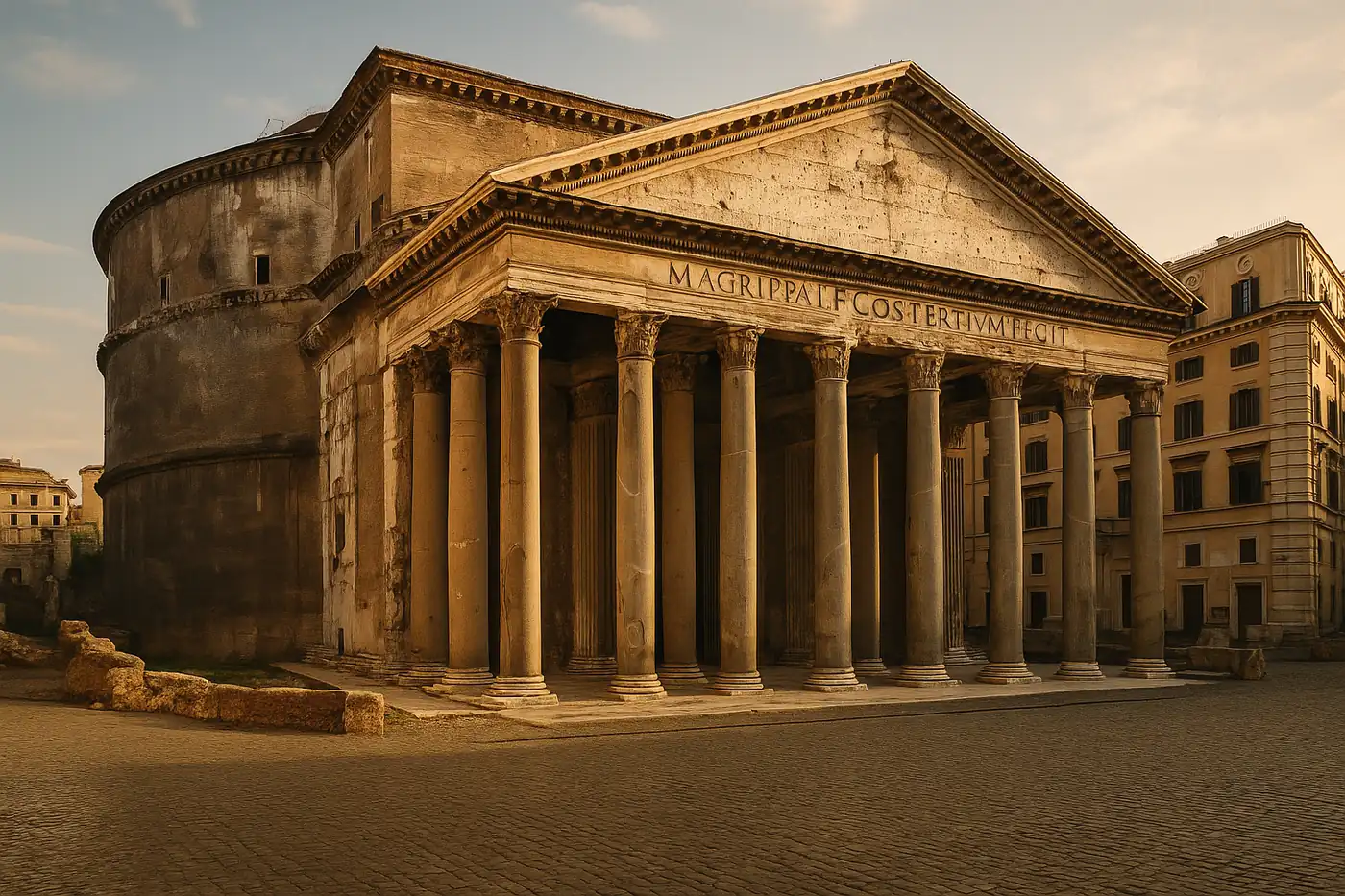
Pantheon Rome: Ultimate Guide to Rome's Best-Preserved Ancient Temple
Roman EmpireMaster your Pantheon visit with history, dome engineering secrets, visiting tips, skip-the-line opti...
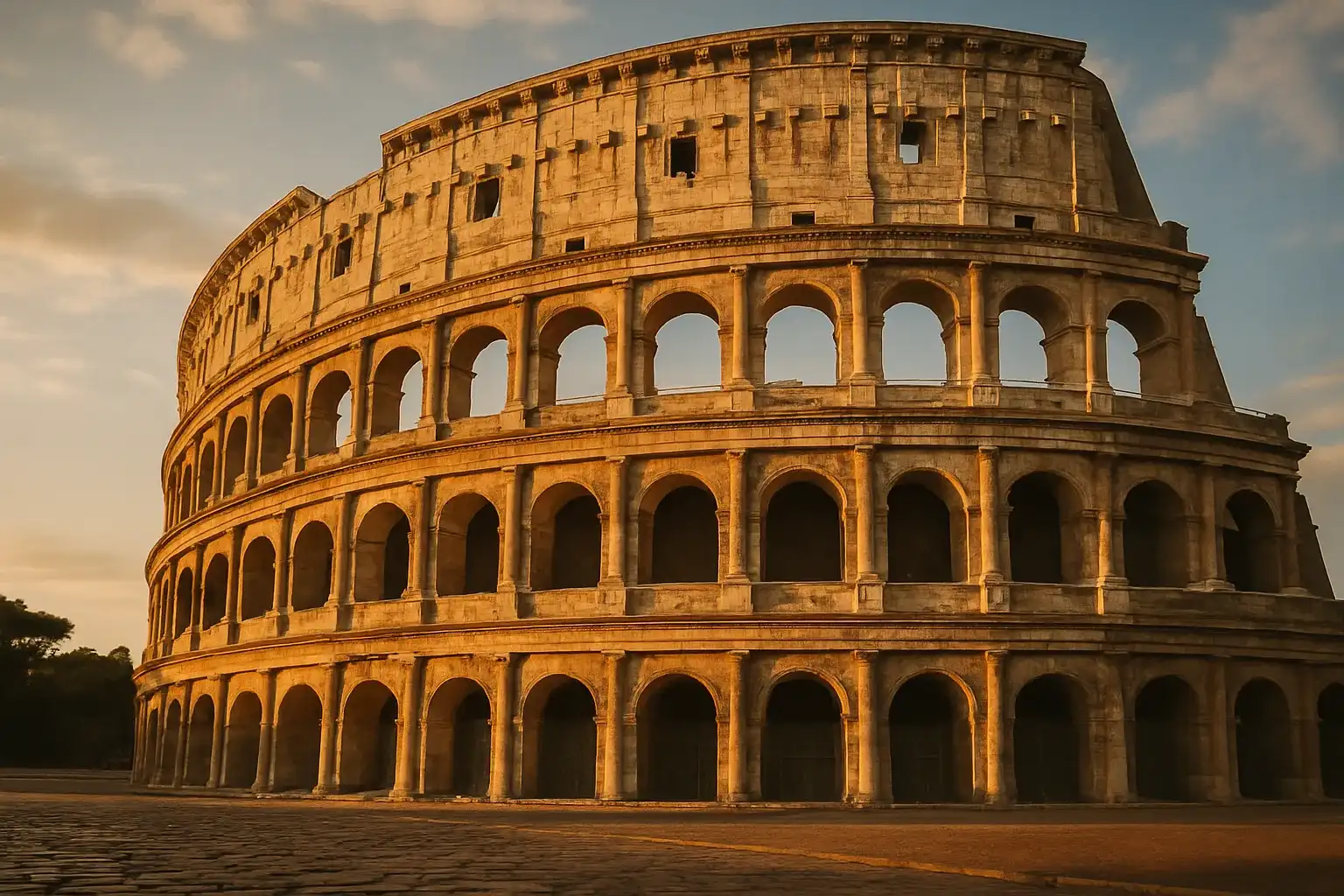
Colosseum Rome: Complete 2026 Guide to Arena Floor, Tickets, and Timing
Roman EmpirePlan the perfect Colosseum visit with timed-entry strategy, Arena Floor and underground access tips,...
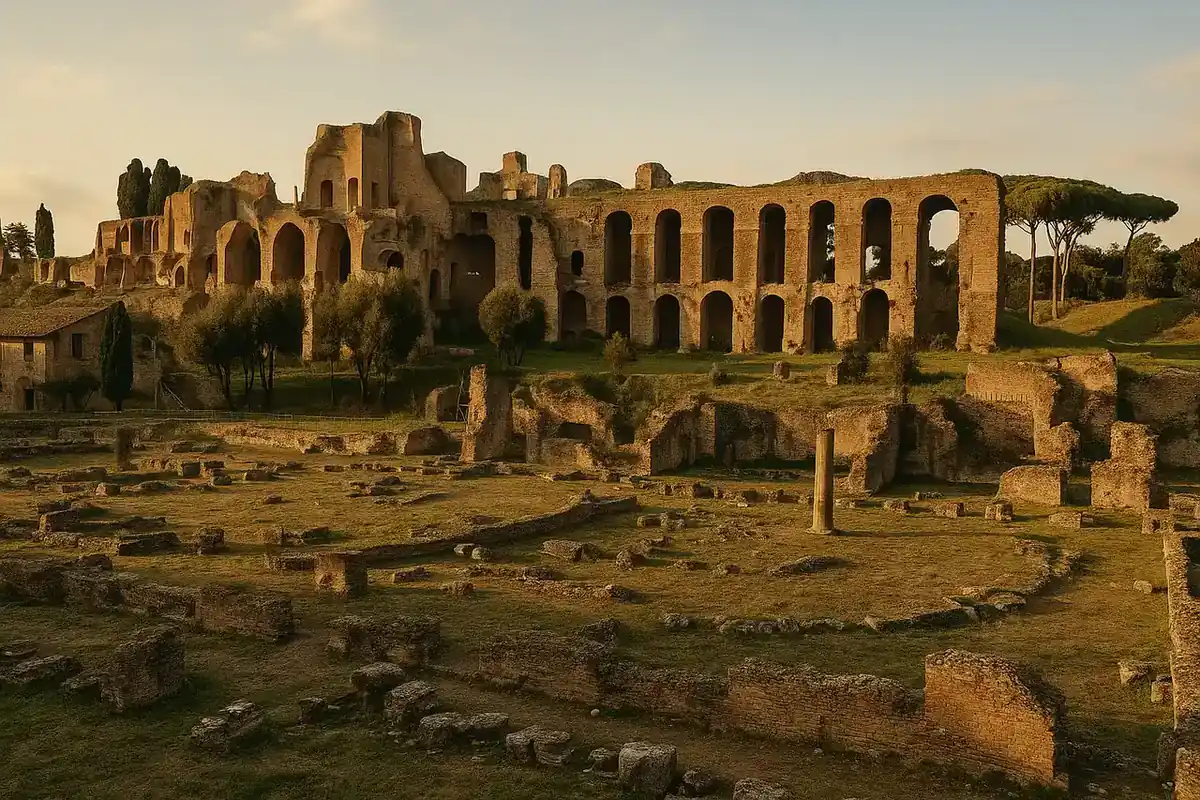
Palatine Hill Rome: Emperors' Palaces & Birthplace of Rome Guide
Roman EmpireExplore Palatine Hill, Rome's oldest neighborhood and imperial palace complex. Complete 2026 guide t...
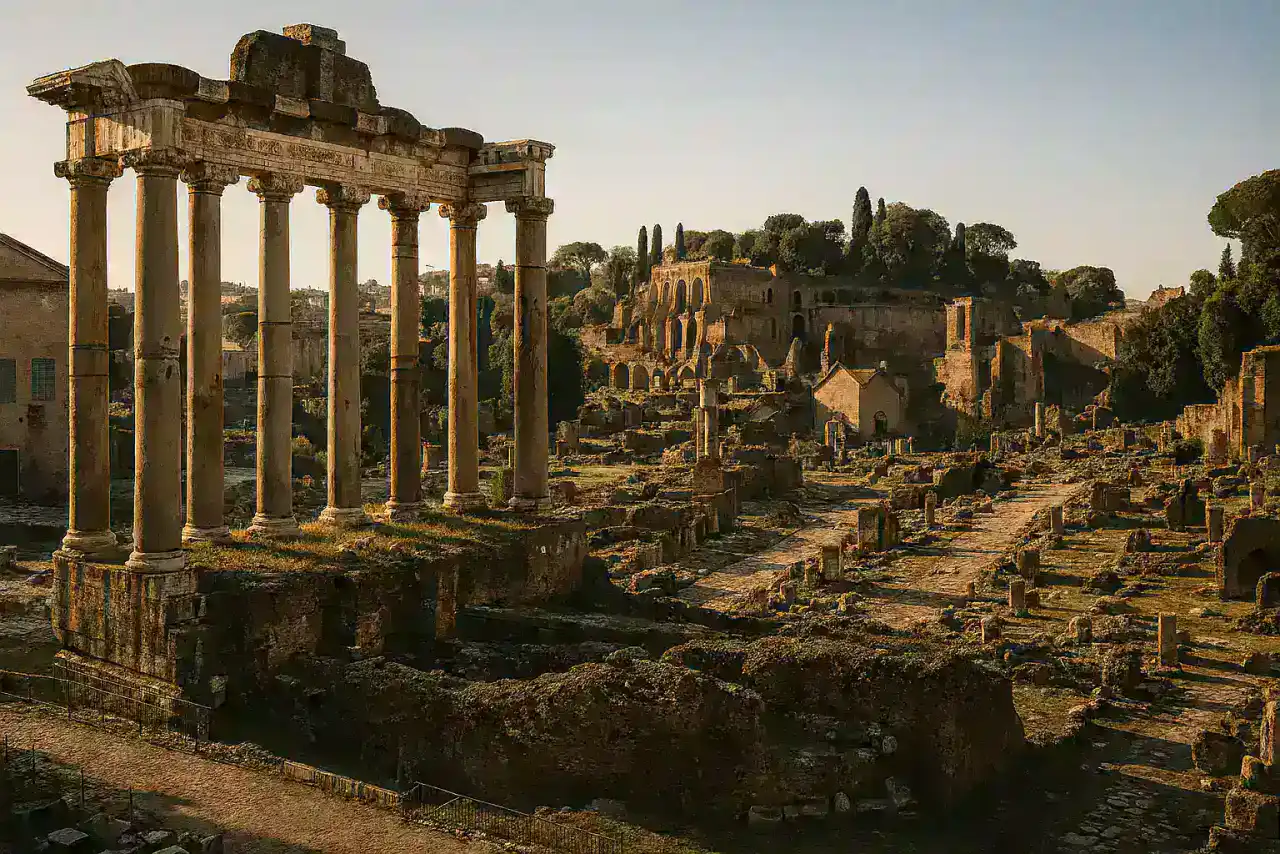
Roman Forum Rome: Heart of Ancient Republic Guide
Roman Republic/EmpireNavigate the Roman Forum's temples, basilicas, triumphal arches. Complete layout, highlights, Palati...