Quick Info
Curated Experiences
Circus Maximus Chariot Experience & Forum Walk
Ancient Rome Chariots: Circus Maximus + Palatine Hill
Sunset Circus Maximus Private Tour
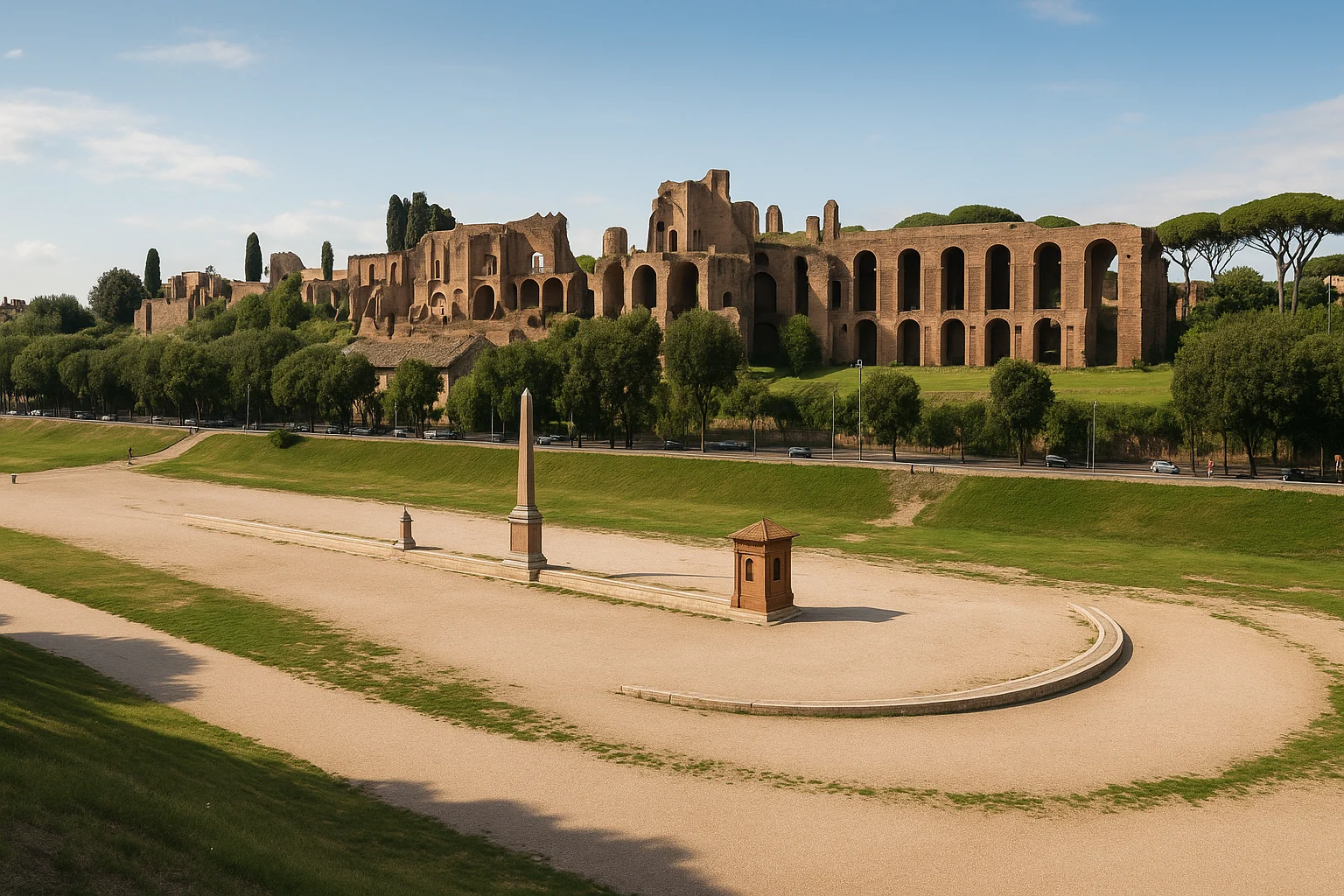
Circus Maximus is the easiest place in Rome to underestimate. On a first pass it can look like an ordinary green valley. But this long basin between the Palatine and Aventine hills was once the largest sports venue in the Roman world: a purpose-built machine for speed, spectacle, politics, religion, and crowd emotion.
At peak phases, ancient sources and modern estimates place capacity in the hundreds of thousands. That means the biggest racing days here were not niche events for elites. They were city-scale rituals where emperors measured public mood, factions built identity, and ordinary Romans watched life-and-death chariot competition.
Today, the stone superstructure is mostly gone, but the footprint remains legible. If you know how to read the landscape, Circus Maximus becomes one of Rome’s most revealing sites.
Why Circus Maximus Matters
Most travelers come to Rome expecting temples, arches, and amphitheaters. Circus Maximus broadens that picture. It shows what mass entertainment looked like before modern stadiums and how deeply racing was tied to civic life.
Circus races were not just pastime. They were embedded in state festivals, public ceremonies, and imperial messaging. Factions had intense supporters, star drivers earned fame and wealth, and race outcomes could trigger celebration or unrest. In practical terms, this valley was where politics met adrenaline.
Circus Maximus also helps explain urban Rome as a connected system. It sits near the Forum, Palatine, and key processional routes, so a visit here gives context for how monuments, roads, and public spaces interacted.
Historical Arc: From Early Track to Imperial Arena
Early origins
Tradition traces races in this valley back to Rome’s earliest regal and republican phases. What began as a more basic raceground developed over centuries into a formalized venue with monumental architecture.
Republican and early imperial growth
As Rome expanded, the circus expanded. Stands, barriers, lap counters, and decorative elements became more sophisticated. The site increasingly reflected Roman engineering and social hierarchy through seating zones and circulation.
High imperial splendor
By the imperial period, Circus Maximus reached monumental scale. The central barrier, called the spina, carried sculptures, shrines, and later obelisks. Lap markers tracked progress. Chariots thundered around turning posts where crashes were common and dramatic.
Late antique decline and afterlife
As political priorities shifted and the empire transformed, regular racing declined. The structure decayed, materials were reused elsewhere, and the valley gradually changed function. Yet the ground plan endured, which is why the site is still readable today.
How the Circus Actually Worked
A good visit starts with mechanics. Once you understand the parts, the open field stops feeling empty.
The starting gates
At one short end stood the carceres, the gate complex where teams launched. Starts were strategic and chaotic. Positioning here could decide the first dangerous turn.
The central spine
The spina ran down the center, dividing traffic and anchoring visual drama. It likely held monuments and markers that signaled power as much as decoration.
Turning posts and risk
Each lap forced tight turns at the ends of the track. Wheel contact, broken axles, and pileups were frequent. Ancient audiences expected danger.
Lap counting and race format
Races commonly involved multiple laps, with counters visible to spectators. Endurance, tactics, and team coordination mattered as much as raw speed.
Crowd scale and energy
Even conservative estimates imply extraordinary crowd density. Noise, faction chants, and momentum made the circus an emotional pressure chamber.
What You Can See Today
Circus Maximus is a landscape site first, ruins site second. Set expectations around shape, orientation, and context rather than standing architecture.
The valley footprint
Walk the full long axis to feel scale. Seeing both ends on foot helps you internalize just how massive the arena was.
Hill context
Palatine on one side and Aventine on the other create a natural bowl. This topography explains why the location worked so well for large spectator events.
Archaeological traces
Surface remains are limited, but small structural clues and interpretation signage help anchor where major components once stood.
Event layering
Modern Rome uses the space for gatherings and occasional programmed activities. That continuity of public use is part of the story.
Best Vantage Points
Ground-level sweep
Start at field level to understand length and orientation. This is the best way to grasp crowd logistics.
Palatine overlook
From Palatine viewpoints, the circus plan becomes clear and photogenic. This is the strongest perspective for connecting raceground and imperial palace geography.
Aventine side views
Approaches from the Aventine edge can feel calmer and give a different sense of slope and enclosure.
Practical Visit Guide (2026)
- Entry: Free public space
- Typical visit time: 30-60 minutes on site, longer if paired with Palatine
- Best times: Early morning or late afternoon for comfort and light
- Heat note: Summer midday exposure can be intense
- Transit: Circo Massimo metro area access is straightforward
Because this is an open civic space, atmosphere can vary by weekday, season, and event schedule.
Pairing Strategy: Where Circus Maximus Fits Best
Ancient Rome cluster route
A smart sequence is Colosseum, Forum, Palatine, then Circus Maximus. By the time you descend, the valley reads as the entertainment counterpart to political and residential power above.
Slower half-day route
If you prefer less crowd intensity, start at Circus Maximus early, then climb toward Palatine and the Forum once you have landscape context.
Evening decompression
After heavier archaeology stops, Circus Maximus works as a lower-cognitive final walk with long sightlines and space to process.
Common Mistakes to Avoid
- Expecting Colosseum-style standing architecture
- Spending only five minutes and leaving without walking the full axis
- Skipping elevated viewpoints that clarify the plan
- Treating the site as empty parkland rather than historical infrastructure
Why the Site Still Works
Circus Maximus proves that absence can be informative. Even with limited masonry, the preserved footprint delivers scale, movement, and urban logic. It helps you understand Rome as a living system, not just a collection of isolated monuments.
If you give it focused attention, this is one of the most intellectually rewarding free stops in the city.
Quick Facts
| Detail | Info |
|---|---|
| Type | Ancient chariot-racing circus, now public open space |
| Location | Valley between Palatine and Aventine hills, Rome |
| Ancient status | Largest race venue in Rome |
| Typical modern visit | 30-60 minutes |
| Entry fee | Free |
| Best paired with | Palatine Hill and Roman Forum |
| Best photo context | Palatine overlooks plus long ground-level axis |
Pair Nearby Ancient Sites
Quick Facts
| Attribute | Details |
|---|---|
| Location | Rome, Lazio, Italy |
| Country | Italy |
| Region | Lazio |
| Civilization | Roman Republic/Empire |
| Historical Period | 6th century BCE - 6th century CE |
| Established | 6th century BCE |
| Coordinates | 41.8886, 12.4861 |
Frequently Asked Questions
Is there an entry fee for Circus Maximus?
No—fully free public park open 24/7. No gates or tickets required.
What remains of the ancient structure?
Minimal visible ruins (spur walls on Palatine/Aventine). Site preserved as grass oval evoking original track.
Best time to visit Circus Maximus?
Early morning for tranquility or sunset for Palatine lighting. Avoid midday heat.
Can I see chariot races?
No live races today. Occasional reenactments/events announced via Rome tourism sites.
How to reach from Colosseum?
10-minute downhill walk via Via di S. Gregorio. Combined with Palatine for efficient ancient cluster.
Nearby Ancient Sites
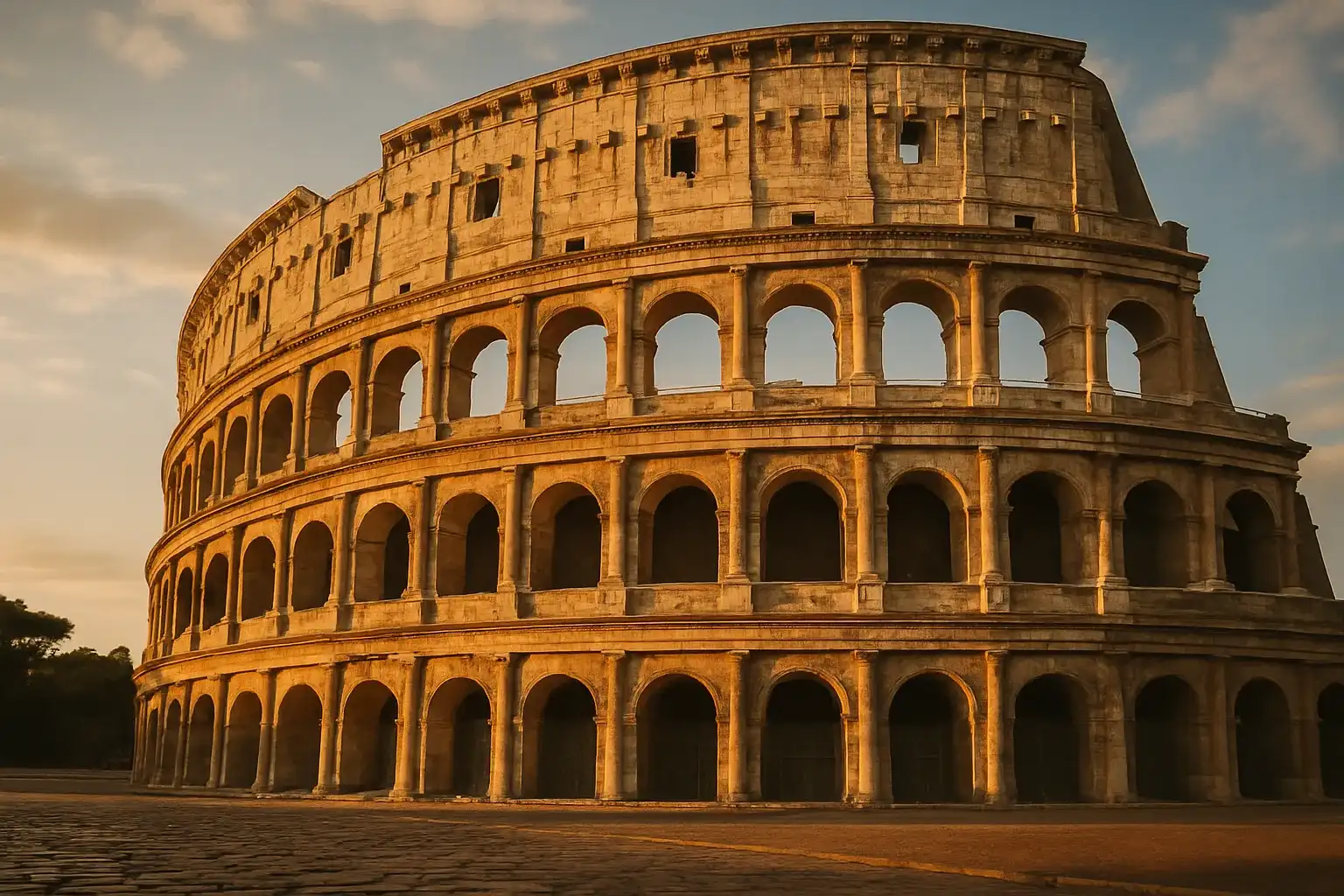
Colosseum Rome: Complete 2026 Guide to Arena Floor, Tickets, and Timing
Roman EmpirePlan the perfect Colosseum visit with timed-entry strategy, Arena Floor and underground access tips,...
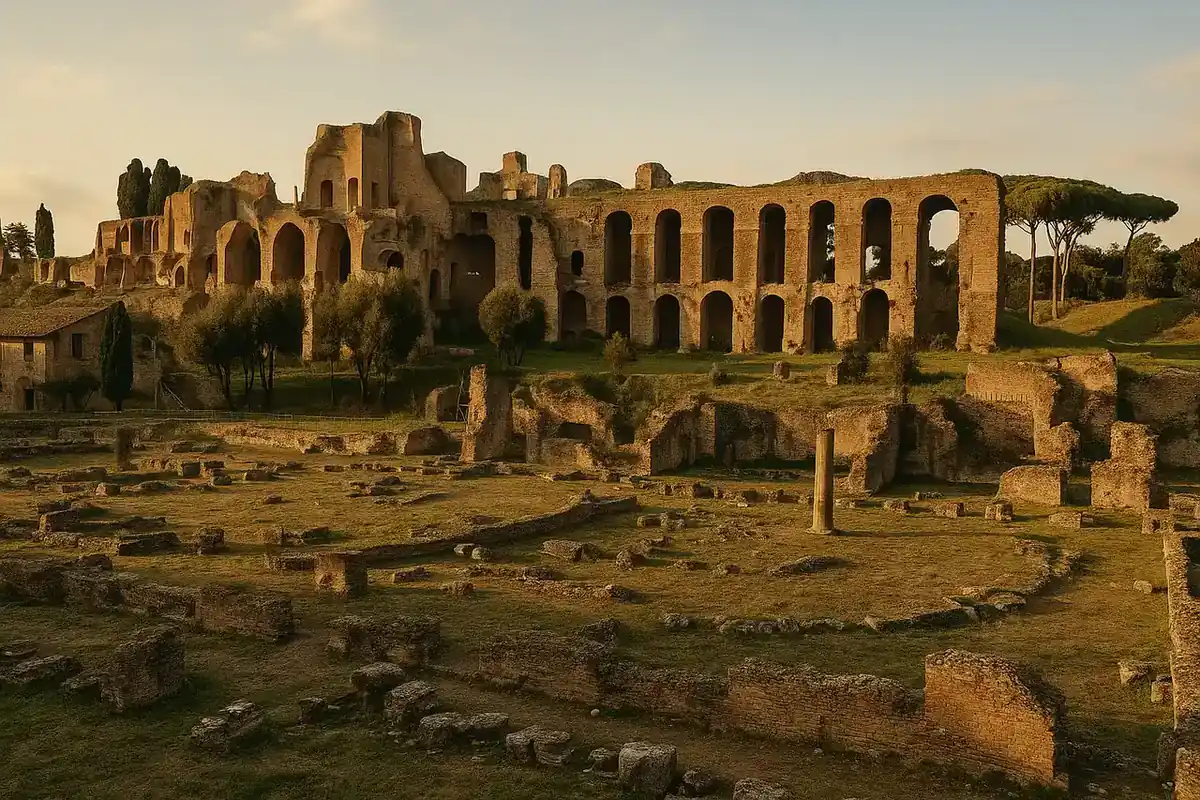
Palatine Hill Rome: Emperors' Palaces & Birthplace of Rome Guide
Roman EmpireExplore Palatine Hill, Rome's oldest neighborhood and imperial palace complex. Complete 2026 guide t...
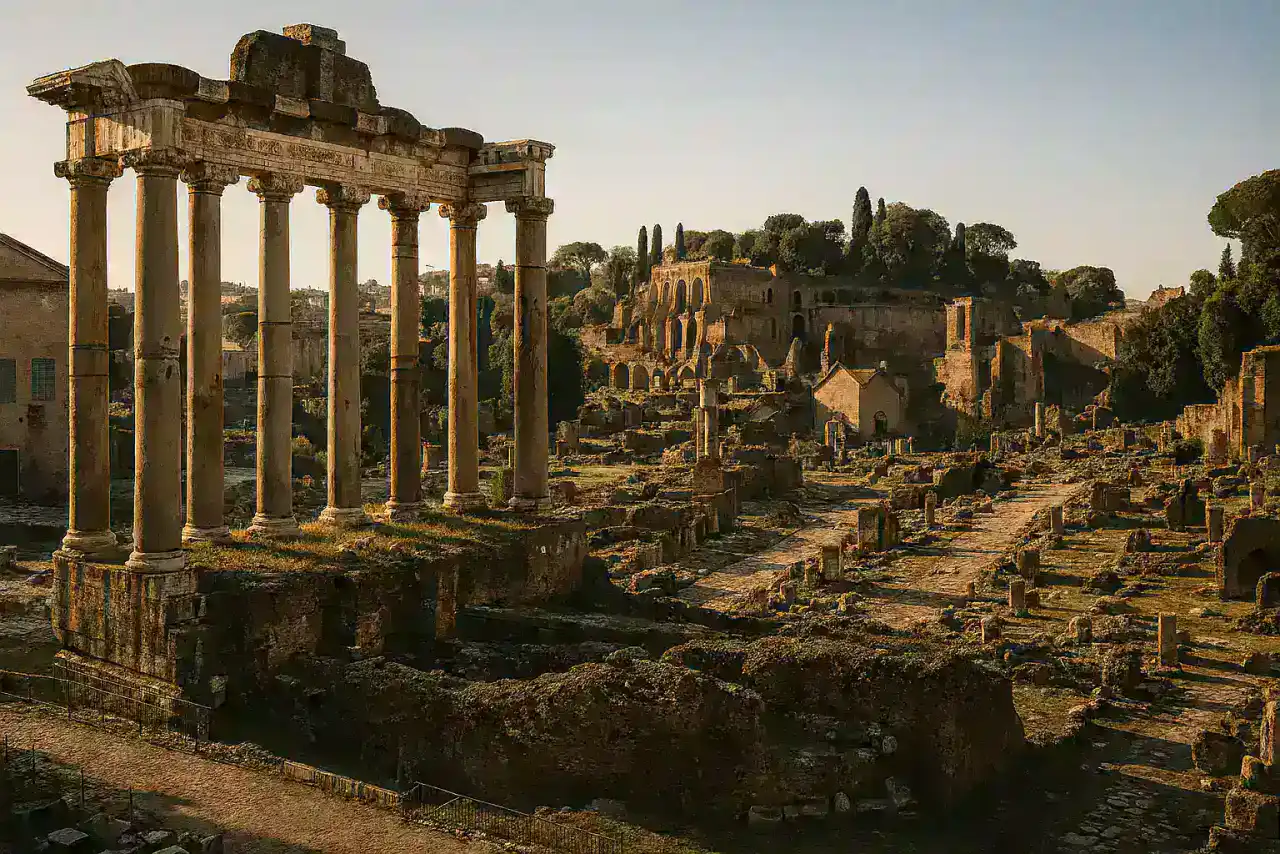
Roman Forum Rome: Heart of Ancient Republic Guide
Roman Republic/EmpireNavigate the Roman Forum's temples, basilicas, triumphal arches. Complete layout, highlights, Palati...
Arch of Constantine Rome: Triumph Over Maxentius Guide
Roman EmpireThe Arch of Constantine commemorates Constantine's 312 CE victory. Spolia details, best photo angles...
Pantheon Rome: Ultimate Guide to Rome's Best-Preserved Ancient Temple
Roman EmpireMaster your Pantheon visit with history, dome engineering secrets, visiting tips, skip-the-line opti...