Quick Info
Curated Experiences
Glendalough and Wicklow Mountains Day Tour from Dublin
Glendalough Hiking and Monastic History Small-Group Tour
Private Wicklow and Glendalough Heritage Tour
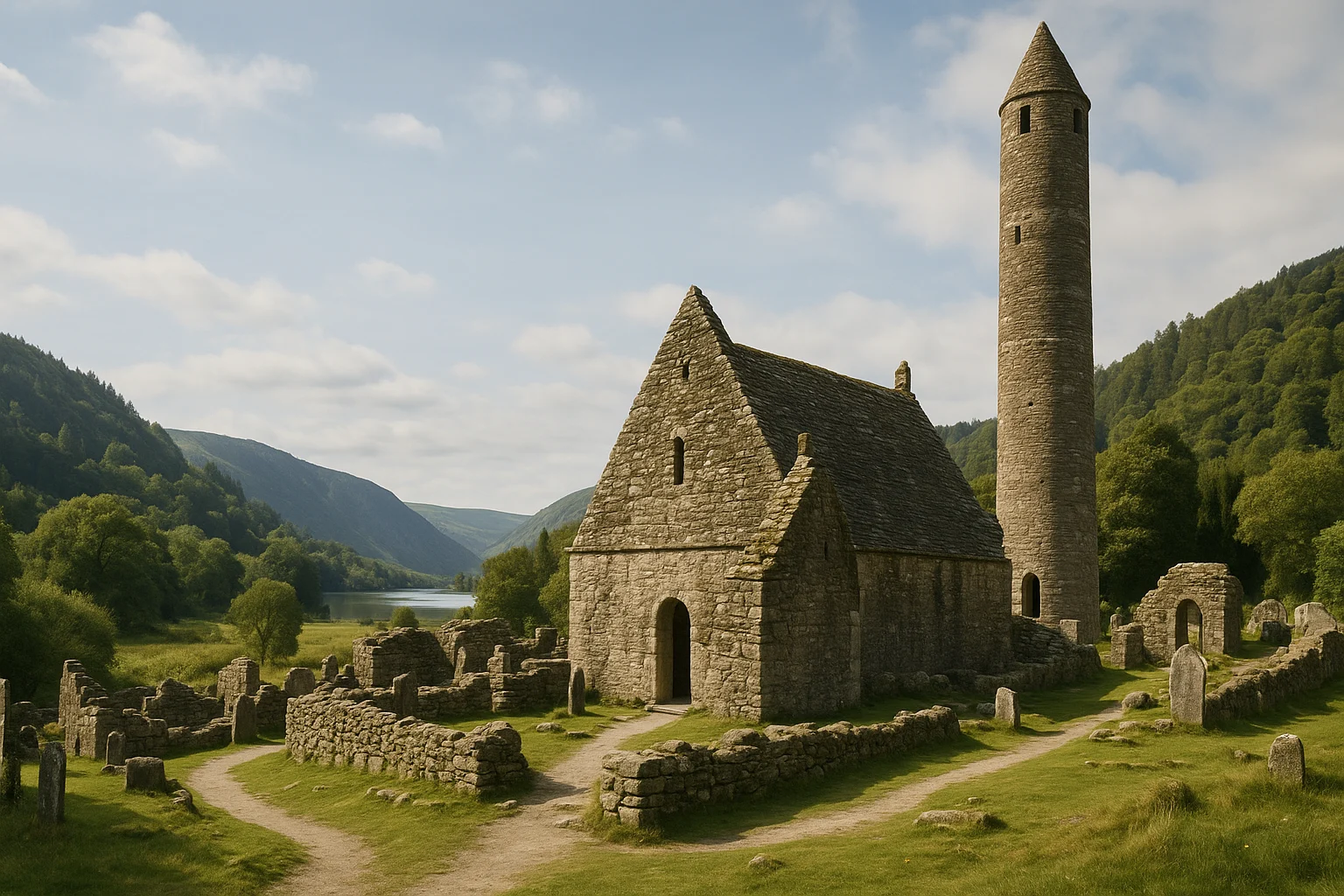
Glendalough is where early medieval Ireland becomes legible. A glacial valley cut deep into the Wicklow Mountains holds the remains of a monastic settlement founded in the tradition of St Kevin in the sixth century - stone churches, a round tower, carved crosses, and two dark lakes that anchor the whole scene in landscape. For six hundred years this was one of Ireland’s major centers of learning, pilgrimage, and political power, and the valley still carries that weight.
This is one of the best day trips from Dublin for travelers who want real historical depth, not just scenery. The monastic ruins sit barely an hour south of the capital, but the valley feels remote in a way that explains exactly why an ascetic monk chose it. Start in the monastic core, walk toward the Upper Lake, and you will understand why the site held power for centuries and why it still draws people today.
Why Glendalough Matters
Irish monasticism operated differently from the Continental model most travelers already know. There were no massive abbey complexes governed by centralized orders. Instead, monastic settlements like Glendalough functioned as loosely organized communities where religious life, manuscript production, metalwork, pilgrimage, and regional politics all overlapped in one place. The architecture reflects that ethos - small stone oratories and modest churches, not towering cathedrals - and that restraint tells you more about early medieval Ireland than any grand facade could.
Glendalough also matters because of what survived. Viking raids struck the valley repeatedly between the ninth and eleventh centuries. Norman consolidation eventually shifted ecclesiastical power to Dublin in 1214, and the settlement declined. Yet the round tower still stands to its full height, the cathedral walls hold their shape, and the high crosses remain in place. What you see at Glendalough is not a reconstruction. It is the real fabric of early medieval Ireland, standing in the valley where it was built.
Historical Context
The traditional founding date places St Kevin at Glendalough around 498 CE, though most historians set the monastery’s real growth in the later sixth century. Kevin, by all accounts, sought isolation - first in a cave (known as St Kevin’s Bed) above the Upper Lake, then gradually attracting followers who built the community that would outlast him by six centuries.
By the eighth and ninth centuries, Glendalough had become one of Ireland’s most important ecclesiastical centers. It held enough wealth and prestige to attract Viking raiders, who plundered the site multiple times between 775 and the early eleventh century. The community rebuilt each time. At its peak, Glendalough functioned as a cathedral city with a bishop, multiple churches, a scriptorium producing illuminated manuscripts, and political ties to the Leinster kings.
The Anglo-Norman arrival in the twelfth century began a slow decline. When the dioceses of Glendalough and Dublin merged in 1214, the settlement lost its institutional anchor. Pilgrimage continued for centuries (St Kevin’s feast day, June 3, still draws visitors), but the valley’s role as a living religious center was over. What remains is the archaeological footprint of that entire arc, from hermit’s cave to cathedral city to ruin.
What to Prioritize Onsite
The Monastic City Core
Begin at the main gateway and enclosure where the cathedral ruins, stone churches, high crosses, and graveyard cluster together. The Gateway is the only surviving example of a monastic entrance in Ireland. Inside, St Mary’s Church, the Priest’s House, and the cathedral ruins all sit within walking distance. This is the best place to get your bearings on the site’s timeline and spatial logic before moving deeper into the valley.
The Round Tower
Glendalough’s round tower stands approximately 30 meters tall and is one of the finest surviving examples in Ireland. These towers served as bell towers, landmarks visible across the valley, and refuges during raids (the door sits well above ground level for exactly that reason). Spend a moment here understanding what it meant for the community rather than just photographing it.
St Kevin’s Church (Kitchen)
This small stone church with its distinctive steep roof and miniature round tower is one of the most photographed structures in the valley. Despite the nickname, it was never a kitchen. The barrel-vaulted ceiling and careful stonework make it one of the best-preserved examples of early Irish church architecture.
The Upper Lake Walk
The walk from the monastic core toward the Upper Lake is where the visit comes together. The valley narrows, the ruins thin out, and the landscape takes over. You will pass the Reefert Church (a simpler, older structure likely associated with local kings) and can look up toward St Kevin’s Bed, the cave in the cliff face above the lake. Even thirty minutes on this trail adds a dimension the core ruins alone cannot deliver.
Practical Visit Strategy
Best months: April through June and September through October offer mild walking weather and lighter crowds. Summer weekends bring tour bus traffic that peaks between late morning and mid-afternoon.
Timing: Arrive before 9:30 AM if possible. Early morning gives you the monastic core in relative quiet, easier parking, and better light for photography. The visitor center opens at 9:30 AM and is worth a quick stop for the exhibition and short film before heading to the ruins.
Duration: Allow at least two to three hours. One hour covers the monastic core; the Upper Lake walk adds another hour minimum. Travelers with more time can extend into the longer Wicklow Way trails that connect to the valley.
Getting there: By car from Dublin, Glendalough is roughly 50 kilometers south via the N11 and R755 (about one hour). St Kevin’s Bus Service runs a daily coach from Dublin. If self-driving, aim for the Upper Lake car park if you want to start with the lakeside walk, or the visitor center car park for the monastic core first.
What to bring: Waterproof layers are non-negotiable. Wicklow weather shifts fast and without warning, even in summer. Wear trail-ready footwear; paths can be muddy year-round, especially on the Upper Lake route. Bring water and a snack if you plan to walk beyond the core.
Route Pairing and Nearby Sites
Within Ireland, Glendalough pairs naturally with other sites that tell the long story of the island. The Hill of Tara adds the pre-Christian ritual landscape and seat of the High Kings. The passage tombs at Newgrange push the timeline back to 3200 BCE, and the stone fort at Dun Aonghasa on the Aran Islands gives you Iron Age coastal defense architecture.
For a broader British Isles itinerary, pair Glendalough with the Neolithic monuments at Stonehenge and Avebury, the Anglo-Saxon royal burial site at Sutton Hoo, or the Roman frontier at Hadrian’s Wall. If your route passes through London, the Tower of London adds a later medieval power center that closes the arc from hermit’s cave to royal fortress.
Final Take
Glendalough rewards visitors who treat it as landscape and archaeology together. The ruins tell the monastic story - six centuries of learning, craft, and survival through raids and political upheaval. The valley explains why anyone built here in the first place. Walk past the tour groups, get to the Upper Lake, and the site will make its own case.
Quick Facts
| Attribute | Details |
|---|---|
| Location | Glendalough, County Wicklow, Ireland |
| Country | Ireland |
| Region | County Wicklow |
| Civilization | Early Medieval Ireland |
| Historical Period | 6th century CE - 13th century CE |
| Founded | c. 6th century CE (traditionally 498 CE) |
| UNESCO Status | Not inscribed (part of Wicklow Mountains National Park) |
| Coordinates | 53.0105, -6.3270 |
| Getting There | ~1 hour south of Dublin via N11/R755; daily bus service available |
| Entry Fee | Grounds free; visitor center has a small fee |
Frequently Asked Questions
How much time do you need at Glendalough?
Plan at least 2 to 3 hours for the monastic ruins and a short lakeside walk. A half-day lets you add Upper Lake viewpoints, while a full day works best if you want longer trails in the valley.
Can you visit Glendalough as a day trip from Dublin?
Yes. It is one of the easiest heritage day trips from Dublin, usually 1.5 to 2 hours each way depending on traffic and route. Guided tours are common, but self-drive gives more flexibility for trail stops.
What is the round tower at Glendalough?
The round tower is a surviving bell tower from the monastic settlement associated with St Kevin. It is one of the site’s most recognizable structures and a key marker of early medieval ecclesiastical architecture in Ireland.
Nearby Ancient Sites
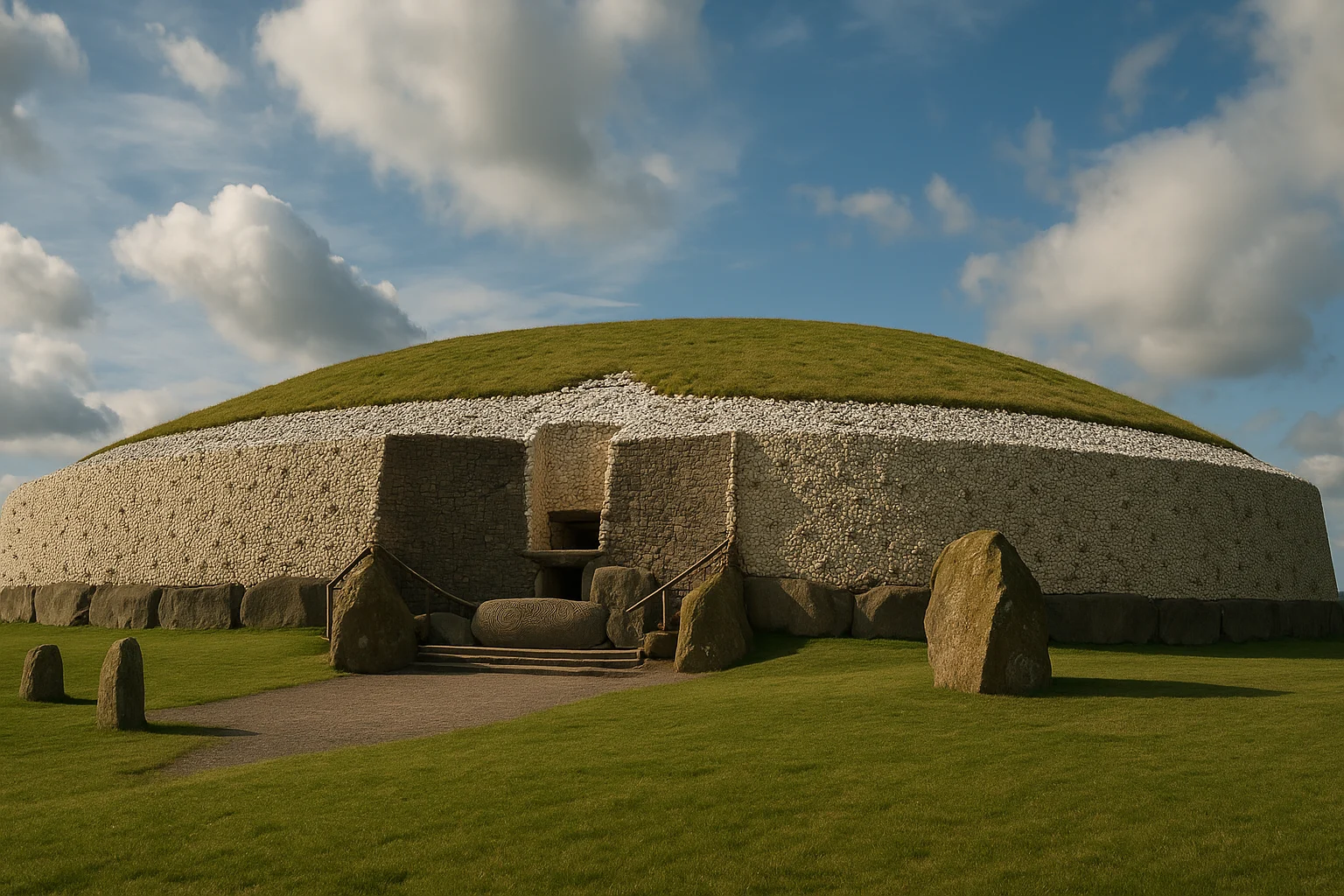
Newgrange Travel Guide 2026: Passage Tomb Access, Solstice Context, and Boyne Valley Planning
Neolithic IrelandPlan a first visit to Newgrange with practical access logistics, what to expect inside the passage t...
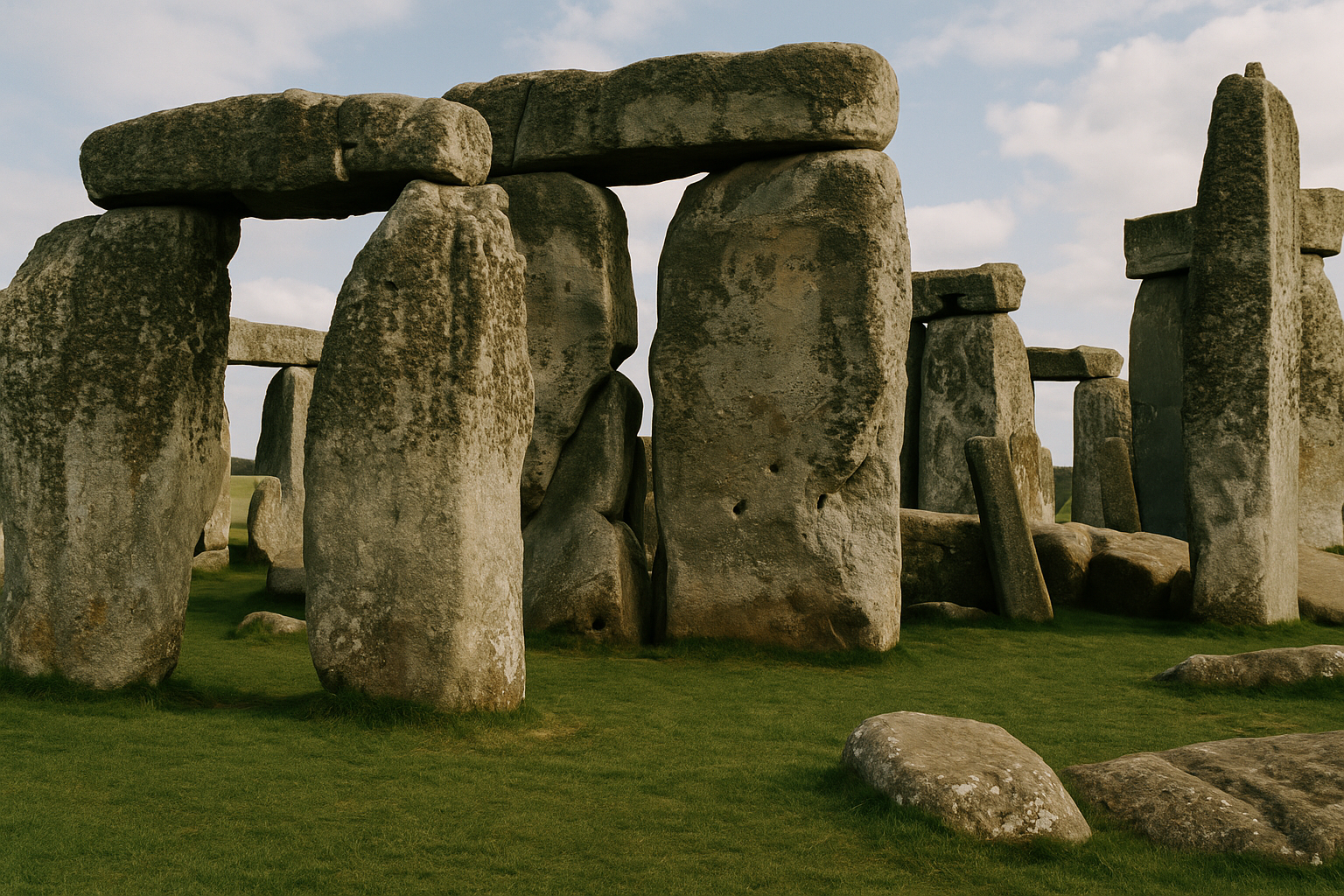
Stonehenge Travel Guide 2026: Solstice History, Tickets, and Day-Trip Planning
Neolithic and Bronze Age BritainPlan a smooth visit to Stonehenge with practical ticket timing, transport options from London and Ba...
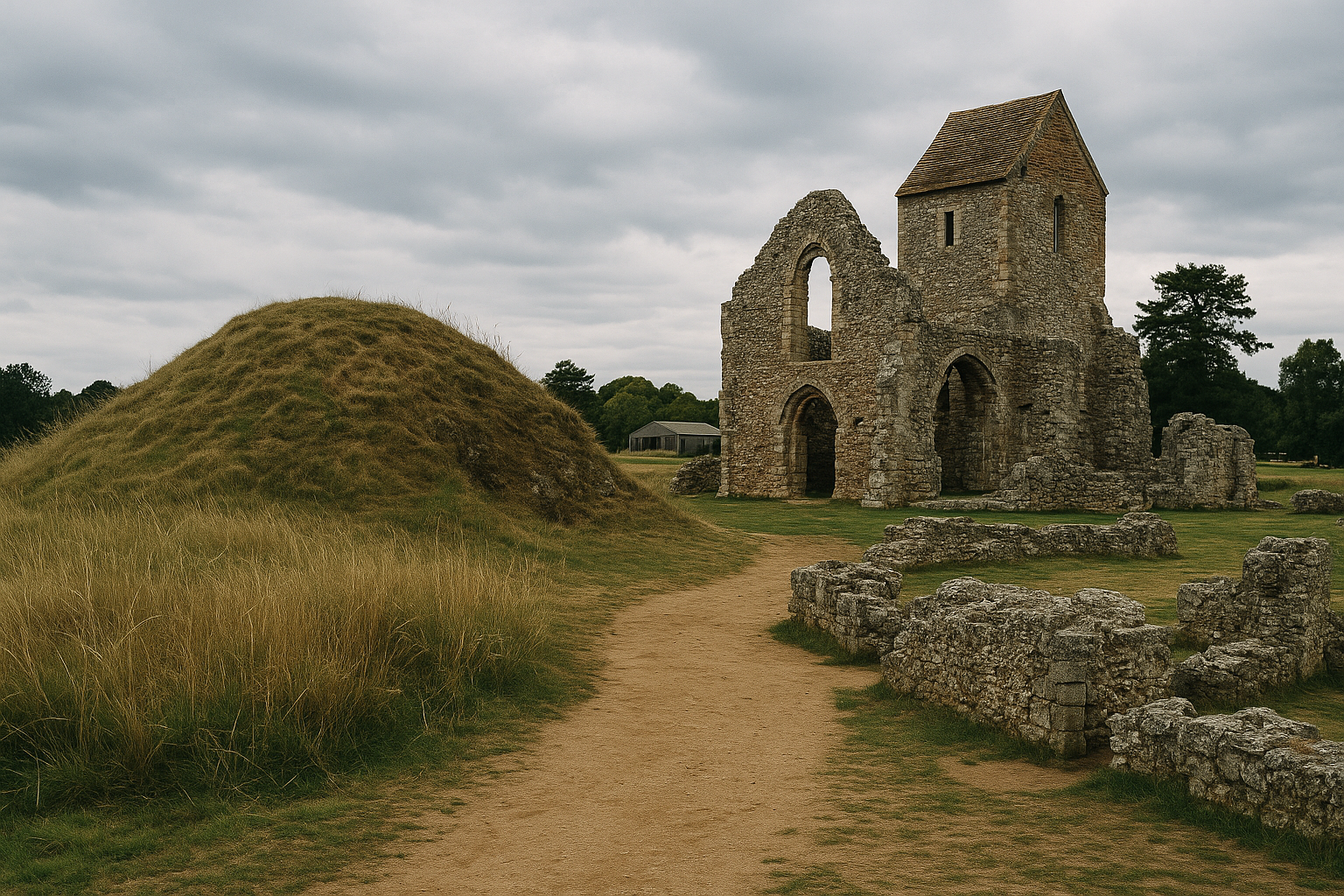
Sutton Hoo Travel Guide 2026: Anglo-Saxon Burial Site, Museum Highlights, and Suffolk Planning Tips
Anglo-Saxon Kingdom of East AngliaPlan your Sutton Hoo visit with practical museum advice, burial mound context, and itinerary tips fo...