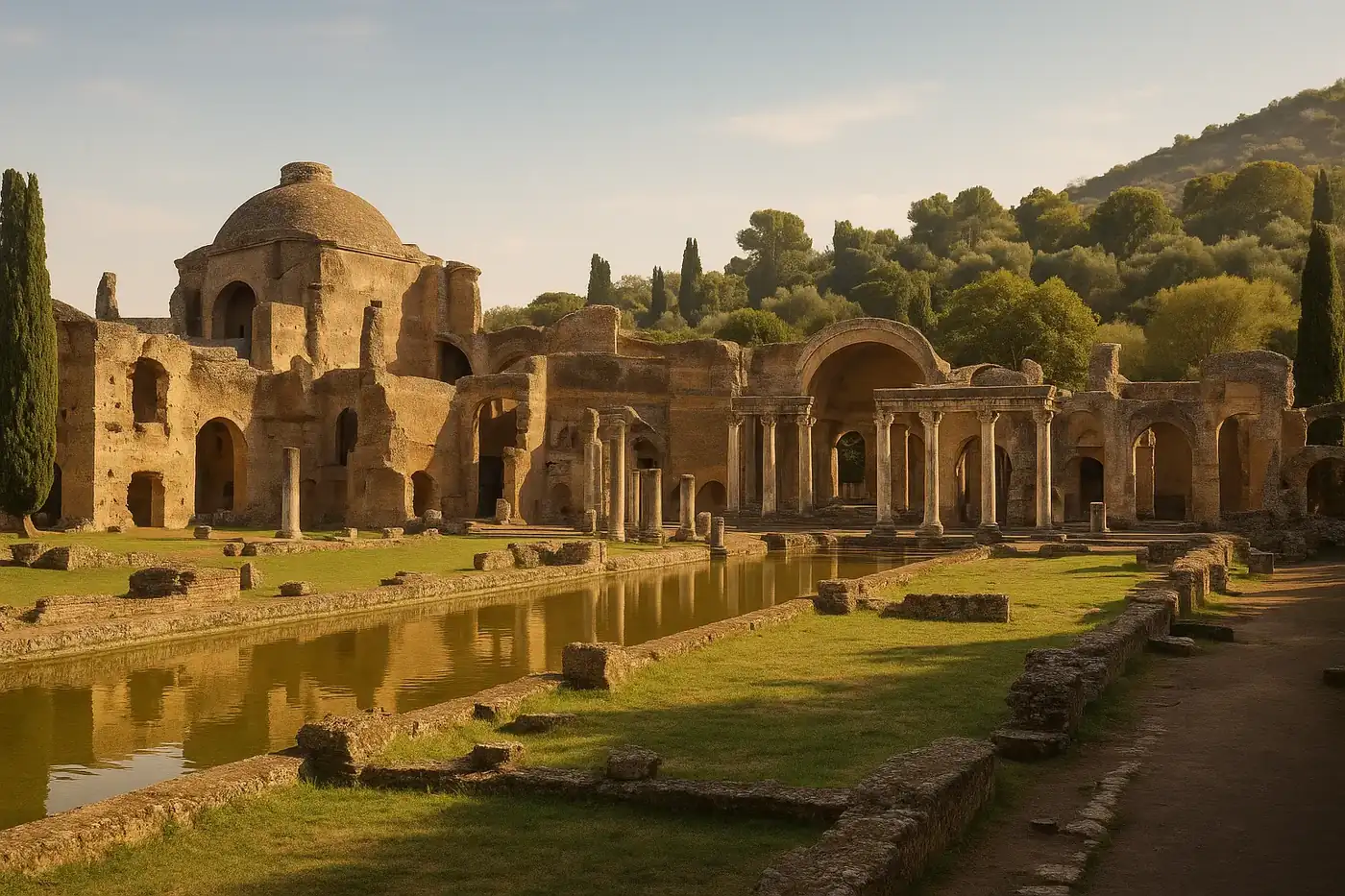
Quick Info
Curated Experiences
Hadrian’s Villa and Tivoli Day Trip from Rome
Villa Adriana Small-Group Archaeology Tour
Hadrian’s Villa is less a villa in the modern sense and more a purpose-built imperial landscape—part palace complex, part retreat, part architectural laboratory. If Rome shows imperial power in public monuments, Villa Adriana shows what that power looked like in private space at full scale.
For travelers who enjoy reading archaeology as systems rather than isolated ruins, this is one of the most satisfying sites near Rome.
Why Hadrian’s Villa Matters
Built primarily during Emperor Hadrian’s reign in the 2nd century CE, the complex at Tivoli functioned as a massive court residence outside the congestion and political theater of Rome itself. The site matters for three core reasons:
- Scale: It stretches across a broad landscape with distinct architectural zones, not a single compact monument.
- Design experimentation: You see deliberate references to Greek, Egyptian, and broader Mediterranean visual traditions.
- Engineering integration: Pools, channels, terraces, and circulation routes reveal Roman control over both architecture and terrain.
In short: Hadrian’s Villa is where elite Roman lifestyle, imperial ideology, and technical skill intersect in one place.
Historical Context in One Pass
Hadrian (r. 117–138 CE) is often remembered as a traveling emperor, and that cosmopolitan perspective is legible in the estate’s design vocabulary. The complex was not static; it evolved over time, with major structures serving ceremonial, residential, administrative, and leisure functions.
After antiquity, parts of the site were quarried and reused, like many large Roman complexes. What remains, however, is still extensive enough to reconstruct how an emperor could stage movement, privacy, and spectacle across a carefully planned environment.
What to Prioritize On Site
Because the park is large, first-time visitors should plan around high-value zones instead of trying to “complete” everything.
Maritime Theatre
A circular island-like residence ringed by water, often interpreted as a secluded retreat space. It is one of the most conceptually striking structures on site and a good starting point for understanding Hadrianic design ambition.
Canopus and Serapeum Area
This long reflecting-water axis and monumental terminus are among the most photogenic sections of the complex. It also makes the site’s theatrical use of water immediately clear.
Large and Small Baths
The bath structures are useful for reading how service, comfort, and elite routine were built into imperial domestic architecture.
Piazza d’Oro and Palace Zones
These areas help you understand circulation and hierarchy—where movement was open, where it was controlled, and how space signaled status.
Practical Visit Strategy (2026)
Time Budget
- Minimum practical visit: ~2.5 hours (fast, selective loop)
- Recommended first visit: 3 to 4 hours
- Archaeology-focused visit: 4+ hours with slower interpretation and photo stops
Best Arrival Window
Arrive early in the day for cooler walking temperatures and cleaner sightlines. In warmer months, heat and exposure increase significantly after late morning.
Footwear and Site Conditions
Expect uneven surfaces, gravel, and long walking segments. Comfortable, stable shoes matter more here than at compact city-center sites.
Navigation Mindset
Treat the villa like a landscape itinerary, not a museum hall sequence. Choose anchor zones, then connect them logically rather than zigzagging.
Getting There from Rome
Hadrian’s Villa is in Tivoli, east of Rome. You can reach it by combinations of train, bus, taxi, or organized tours. Public transit works, but timing coordination can consume a meaningful part of your day.
For many visitors, the most efficient options are:
- guided day trips (least planning friction)
- private transfer/taxi (best flexibility)
- self-drive (best for combining multiple regional stops)
If your goal is deep time on site, reduce transfer complexity wherever possible.
Tickets and Access Tips
Ticket structures can change seasonally, especially around temporary exhibitions or bundled heritage access. Before your visit:
- Check official opening hours for the exact date (including reduced winter schedules).
- Confirm last entry time; at large archaeological parks, last admission can be significantly earlier than closing.
- Carry water and sun protection in warm months since shade is limited in several sectors.
- Build a short buffer for return transport if you have a same-evening train/flight connection from Rome.
A timed, low-friction entry window is one of the highest-impact upgrades you can make for this site.
Pairing Hadrian’s Villa with Other Sites
Best Same-Day Pair: Villa d’Este (Tivoli)
This pairing gives you Roman imperial archaeology and Renaissance hydraulic garden design in one destination cluster. It is one of central Italy’s strongest back-to-back cultural days.
Rome Archaeology Continuation
Pair Hadrian’s Villa with these Rome-area destinations on adjacent days:
This sequence creates a coherent story from imperial residential space to urban civic and entertainment infrastructure.
Is Hadrian’s Villa Worth It?
Yes—especially if your interest in Rome extends beyond the central headline monuments. Hadrian’s Villa rewards travelers who want context, scale, and a clearer understanding of how Roman elite environments actually worked.
It is one of the best places near Rome to see empire translated into land, water, and architecture at once.
|---|---| | Location | Tivoli (Lazio), east of Rome | | Date | Primarily 2nd century CE | | Founder/Patron | Emperor Hadrian | | Civilization | Roman | | UNESCO Status | Yes (Villa Adriana) | | Recommended Visit Length | 3–4 hours | | Best Season | Spring and autumn | | Best Pairing | Villa d’Este (same day) |
Continue Planning Italy
Quick Facts
| Attribute | Details |
|---|---|
| Location | Tivoli, Lazio, Italy |
| Country | Italy |
| Region | Lazio |
| Civilization | Roman |
| Historical Period | 2nd century CE (Hadrianic) |
| Established | c. 118 CE |
| Coordinates | 41.9459, 12.7756 |
Frequently Asked Questions
Is Hadrian’s Villa worth visiting if I’ve already seen Rome’s main sites?
Yes. It offers a different experience from central Rome monuments: a vast imperial estate where architecture, landscaping, and water engineering are read as one integrated complex.
How much time do you need at Hadrian’s Villa?
Most travelers need 3 to 4 hours for a meaningful first visit. Archaeology-focused visitors can easily spend a half day if they want slower pacing and deeper interpretation.
Can you do Hadrian’s Villa as a day trip from Rome without a car?
Yes. Public transport is possible via train/bus combinations, though timings vary. Many visitors prefer organized transfers or private transport to simplify logistics and maximize on-site time.
What is the best season to visit Hadrian’s Villa?
Spring and autumn are usually best for temperatures and walking comfort. Summer is still feasible, but mid-day heat can be intense because much of the site is exposed.
Should I pair Hadrian’s Villa with Villa d’Este on the same day?
For many travelers, yes. Hadrian’s Villa covers Roman imperial archaeology, while Villa d’Este showcases Renaissance garden hydraulics; together they make a strong Tivoli-focused day.
Nearby Ancient Sites
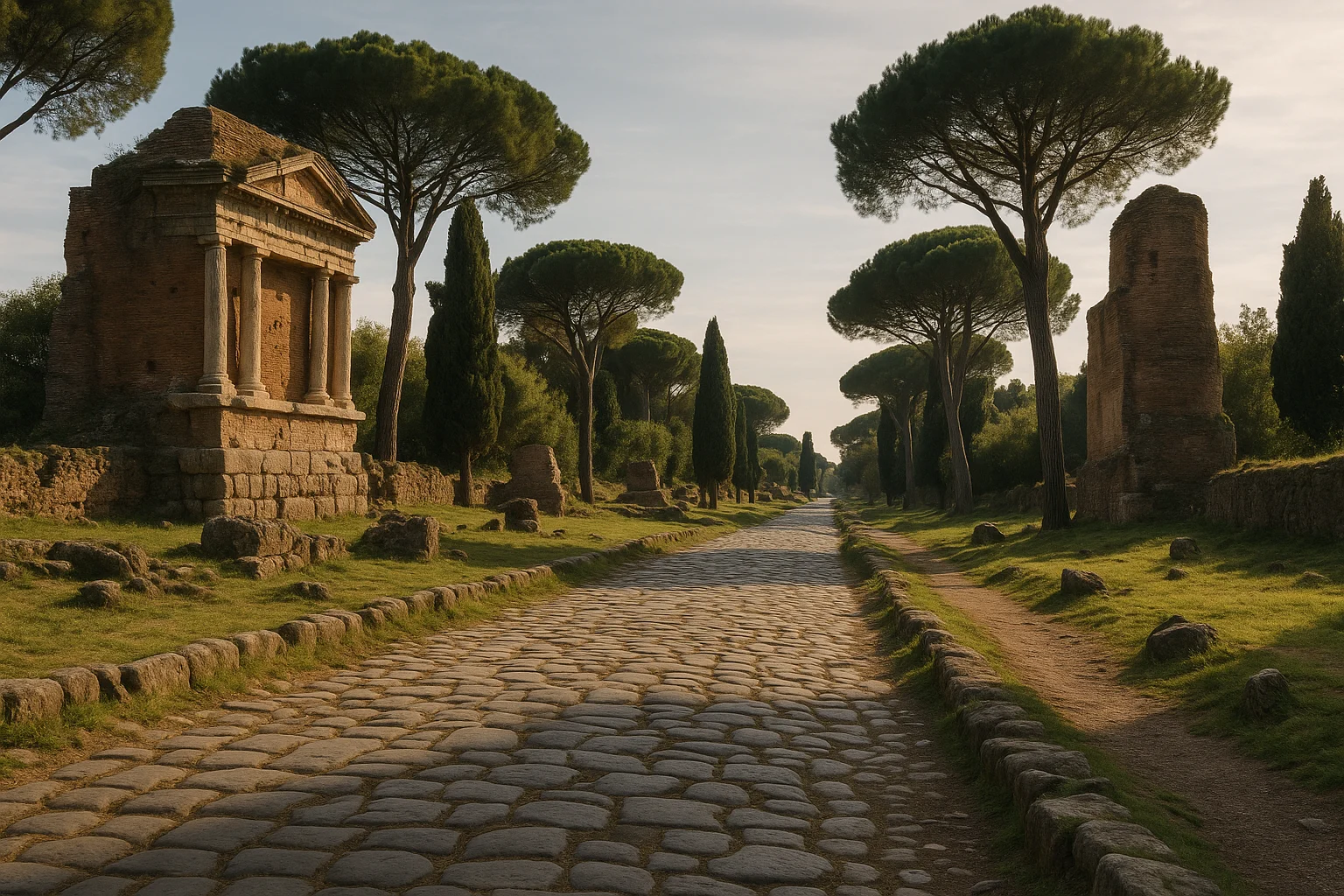
Appian Way Rome Guide 2026
RomanPlan a smart visit to the Appian Way with route choices, catacomb logistics, bike-vs-walk strategy, ...
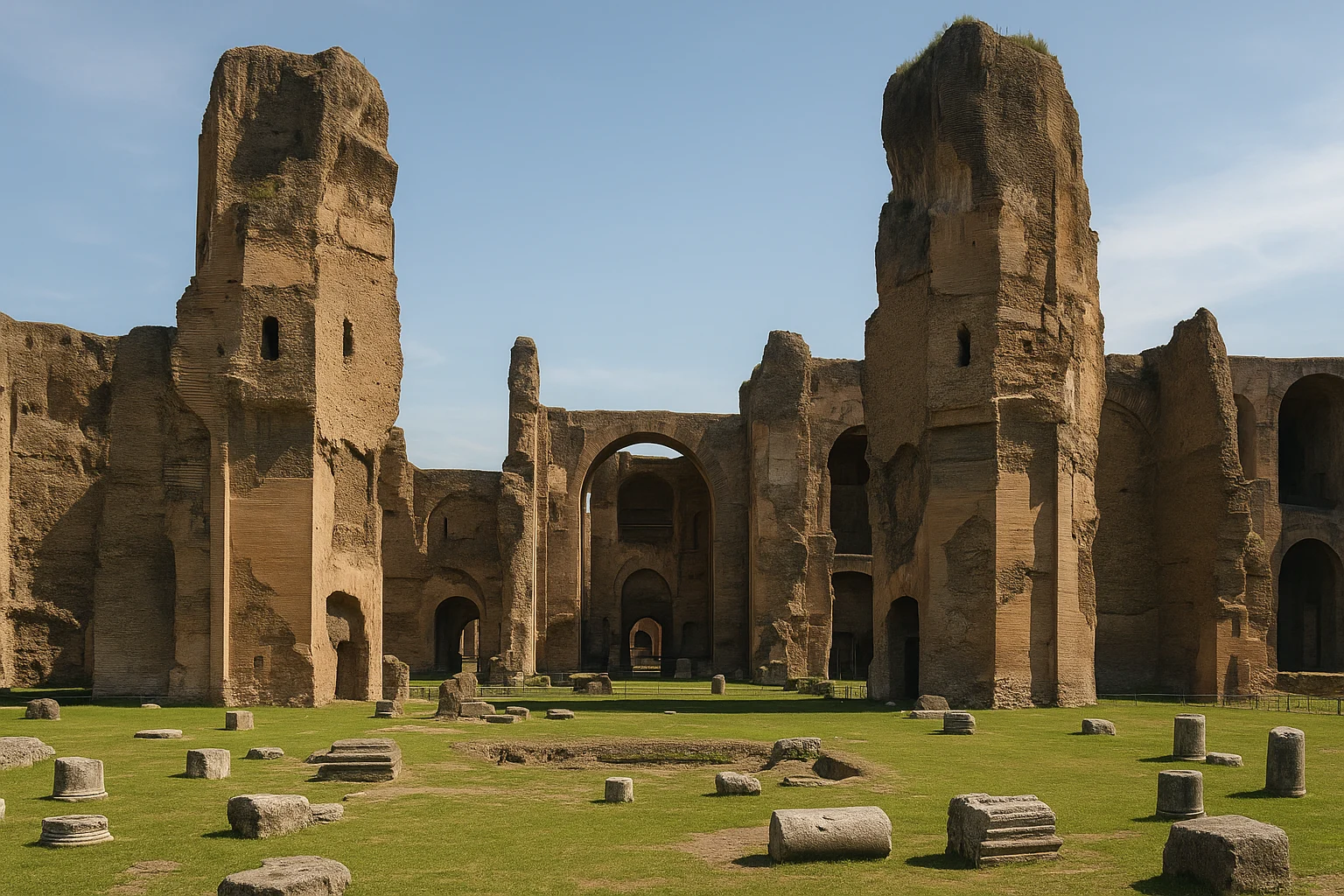
Baths of Caracalla Rome Guide 2026
RomanPlan your visit to the Baths of Caracalla with practical route advice, history context, timing, and ...
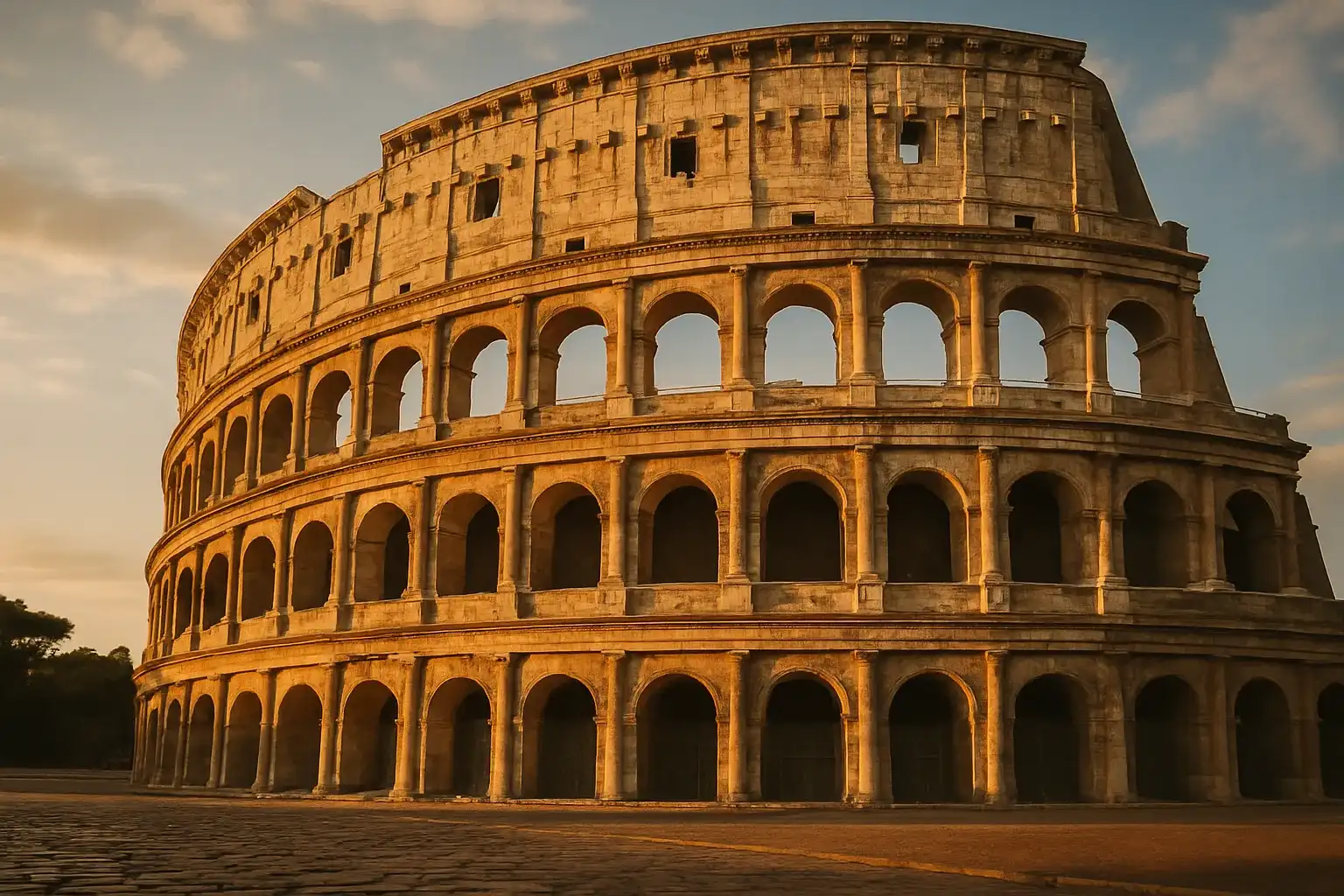
Colosseum Rome: Complete 2026 Guide to Arena Floor, Tickets, and Timing
Roman EmpirePlan the perfect Colosseum visit with timed-entry strategy, Arena Floor and underground access tips,...
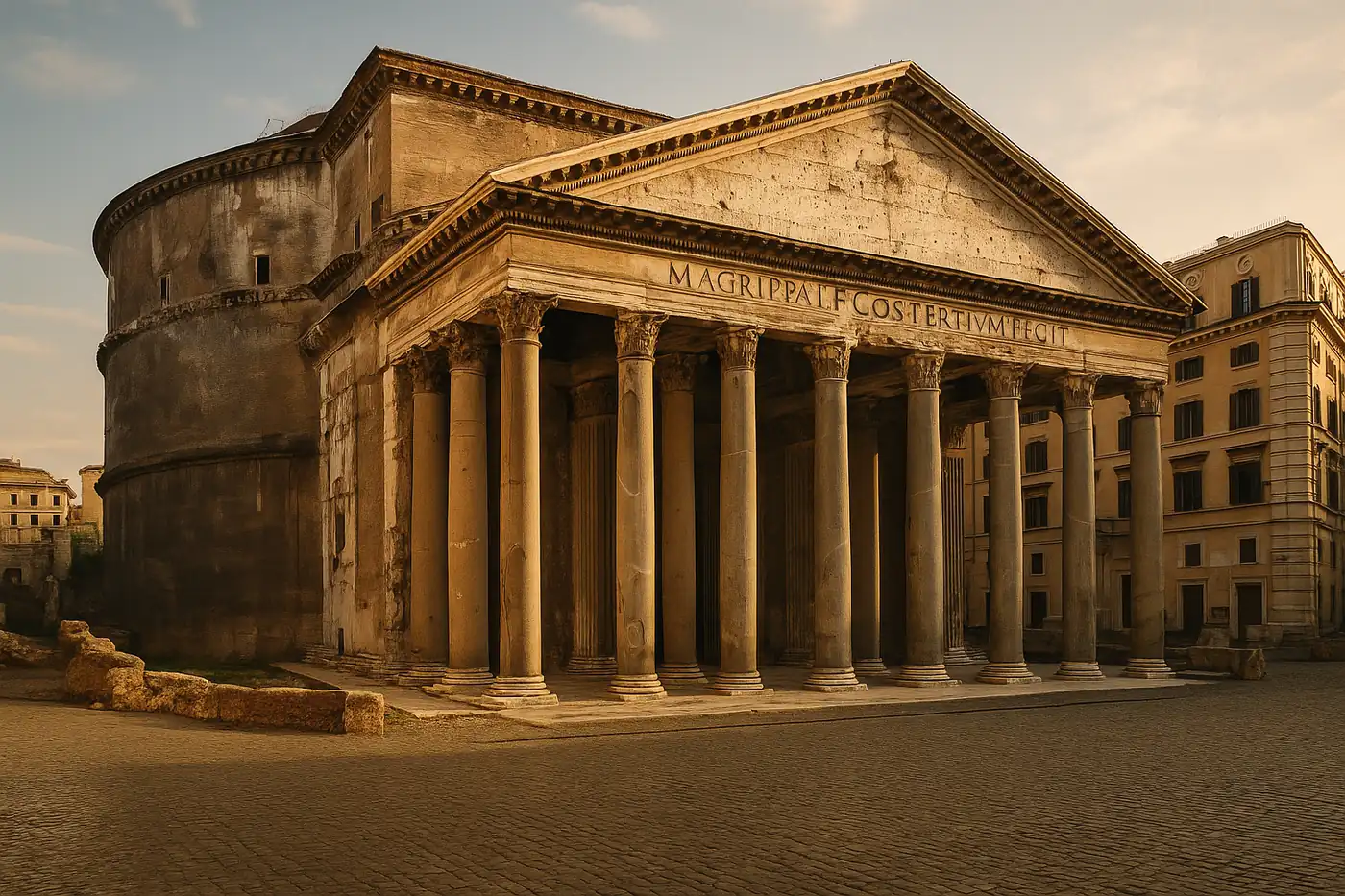
Pantheon Rome: Ultimate Guide to Rome's Best-Preserved Ancient Temple
Roman EmpireMaster your Pantheon visit with history, dome engineering secrets, visiting tips, skip-the-line opti...
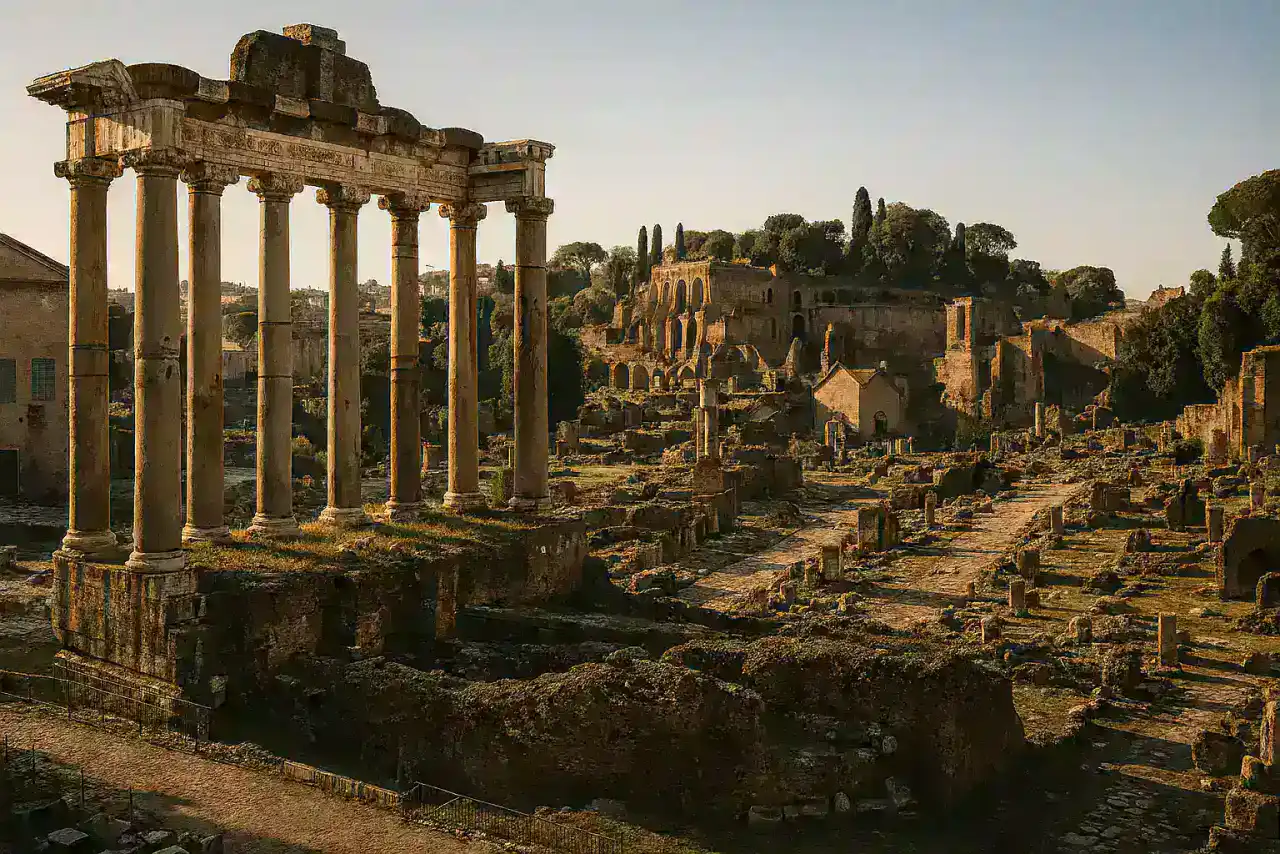
Roman Forum Rome: Heart of Ancient Republic Guide
Roman Republic/EmpireNavigate the Roman Forum's temples, basilicas, triumphal arches. Complete layout, highlights, Palati...
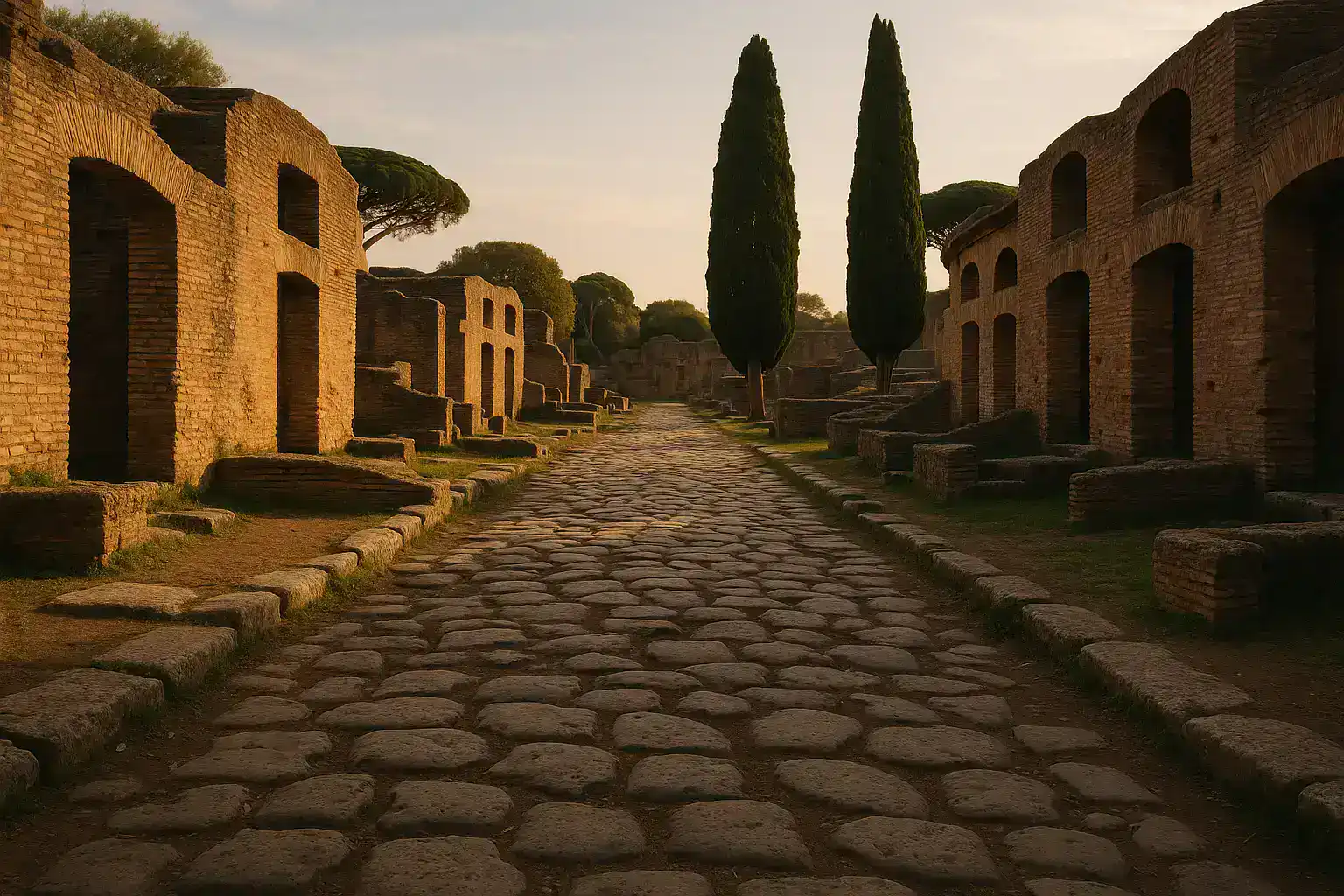
Ostia Antica Italy Travel Guide 2026: Rome's Ancient Port City
Roman EmpireExplore Ostia Antica, the best-preserved ancient Roman city after Pompeii. Walk intact streets, see ...