Quick Info
Curated Experiences
Huchuy Qosqo Full-Day Trek from Cusco
2-Day Huchuy Qosqo Trek to Machu Picchu
Sacred Valley and Huchuy Qosqo Private Adventure
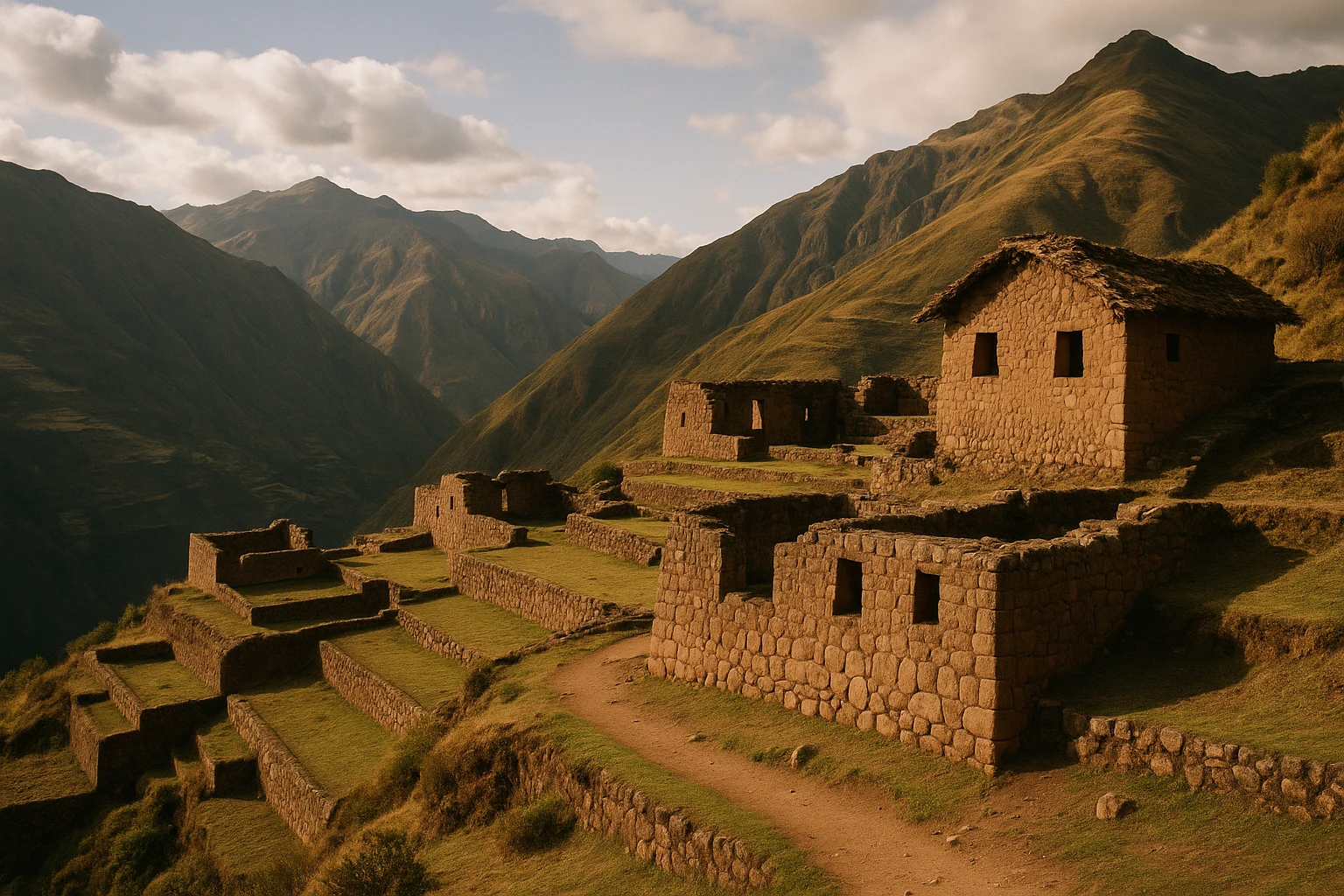
Huchuy Cusco in Peru feels like the Sacred Valley’s quiet answer to its famous neighbors: less polished, less crowded, and in many ways more intimate. This Huchuy Cusco Peru travel guide starts from that reality. You are not walking into a monumental showpiece with shuttle lines and viewing platforms. You are climbing into a high Andean landscape where terraces, stone walls, and mountain light still carry the tempo of the pre-Hispanic world. The name is often rendered as Huchuy Qosqo, usually translated as “Little Cusco,” but the feeling on site is anything but small once the valley opens below you.
Most visitors first hear about Huchuy Cusco as a trek option from Cusco city, often paired with a Sacred Valley transit day or as an alternative to more crowded routes. That framing is practical but incomplete. The site matters not only as a scenic hiking objective, but as evidence of how the Inca state organized agriculture, storage, and political control across altitude bands. In this guide, you’ll get the historical context, the key monuments to focus on once you arrive, transport and access strategies, admission and timing guidance, seasonal planning, and a realistic way to combine Huchuy Cusco with other major sites in the Cusco region.
History: A Highland Administrative Outpost Above the Valley
Pre-Inca foundations in the highlands (before c. 1400 CE)
Long before imperial Cusco reached its largest territorial scale, the high ridges above today’s Urubamba corridor were already settled by communities tied to what scholars broadly identify as Killke and related regional groups. These upland populations managed steep terrain with terrace agriculture, herding, and water-channel systems that made marginal slopes productive. Huchuy Cusco’s location on a defensible promontory with commanding views was likely selected first for practical reasons: surveillance over movement through the valley, access to multiple ecological zones, and proximity to paths linking high plateaus with lower farming lands. Inca expansion did not begin from empty space; it absorbed and upgraded places that were already strategically intelligent.
Inca consolidation and expansion (c. 1400-1532 CE)
During the period of Inca imperial consolidation, Huchuy Cusco developed into a substantial administrative and agricultural center. Local tradition frequently associates the site with the lineage of Viracocha Inca, and while many details remain debated, the built evidence aligns with late imperial planning: extensive andenes (terraces), storage architecture, and masonry styles consistent with state-directed work parties. This was a logistical landscape as much as a ceremonial one. Grain, tubers, and dried products could be produced and staged here; labor obligations could be coordinated from here; and movement between Cusco and the Sacred Valley corridor could be observed from one elevated node. The Inca state was famous for roads, but roads only function at scale when supported by local control points like this.
Colonial disruption and repurposing (16th-19th centuries)
After the Spanish conquest, highland administrative sites that were not central to colonial settlement patterns often entered a long phase of partial abandonment, selective reuse, and material scavenging. Huchuy Cusco followed that pattern. Some structures collapsed through neglect, others were dismantled for dressed stone, and many terraces shifted from formal state production to local agricultural use. Written documentation from this period is thinner than for urban centers, but the broader Andean trend is clear: places built to sustain imperial circulation became peripheral under new economic priorities. Even so, local memory preserved pathways and place names, preventing complete historical erasure.
Archaeological attention and modern trekking era (20th century-present)
In the twentieth century, researchers and regional heritage teams began documenting Huchuy Cusco more systematically, mapping standing walls, terrace sectors, and route connections to surrounding communities. Conservation has been incremental rather than dramatic, which partly explains the site’s current atmosphere: legible ruins without heavy interpretive infrastructure. In recent decades, trekking operators incorporated Huchuy Cusco into one- and two-day itineraries, sometimes linking onward to Machu Picchu logistics. That tourism shift brought both opportunity and pressure. Better access increased visibility and local income, but it also made trail erosion, waste management, and visitor behavior more consequential. Today, Huchuy Cusco sits at a productive threshold: still comparatively quiet, yet increasingly recognized as one of the Sacred Valley’s most rewarding archaeological hikes.
The Key Monuments: What to See at Huchuy Cusco
The terrace amphitheater above the valley
The first feature that defines Huchuy Cusco is the broad sequence of agricultural terraces descending from the core settlement. These are not decorative ledges; they are engineered production systems with retaining walls, drainage logic, and microclimate intent. Stand midway across the slope and look back upslope: you can read how the builders stabilized steep terrain in layered horizontal bands, reducing erosion while expanding cultivable surface area. In practical terms, these terraces transformed a mountain flank into dependable yield. In symbolic terms, they projected order. The Inca relationship with landscape was never passive. Terracing at this scale is a political statement in stone, saying that labor, water, and soil could be coordinated under one authority. Visit early if possible, when side light reveals wall textures and contour lines most clearly.
The kallanka-like hall and administrative core
Near the principal platform, you’ll find the remains of a long rectangular structure often described as kallanka-like in form: a large roofed hall type associated across the Inca world with gatherings, lodging, and administrative functions. At Huchuy Cusco, the surviving walls and footprint suggest a multifunctional space tied to supervision, storage coordination, or ceremonial assembly during seasonal cycles. Even in partial ruin, the dimensions communicate collective scale rather than domestic intimacy. This is where a guide can help: once you understand how such halls were used in other imperial sites, the broken geometry becomes more legible. You start to see door thresholds, wall alignments, and circulation zones as deliberate design rather than random stone remnants. For photography, shoot from the opposite slope to capture the building footprint in relation to the terrace system beneath it.
Masonry compounds and circulation passages
Several smaller compounds at Huchuy Cusco preserve the masonry vocabulary that marks late pre-Hispanic planning in the region: fitted stone walls, trapezoidal openings, and narrow controlled passageways between built cells. The quality varies by sector, which itself tells a story. Some walls are robust and regular, indicating priority construction; others are rougher, likely secondary or repaired phases. Walk slowly through these zones instead of skimming for one hero viewpoint. The site’s intelligence is in spatial sequencing: how you move from open terrace edges into constrained corridors, then back out to panoramic overlooks. This alternation creates a rhythm of compression and release, probably intentional for both practical traffic flow and social hierarchy. Visitors who only stop for a summit photo miss this architectural narrative entirely.
Viewpoints over Lamay and the Urubamba corridor
If the masonry provides historical texture, the panoramas provide strategic clarity. From Huchuy Cusco’s exposed edges, the Sacred Valley corridor stretches in long arcs, and settlements such as Lamay feel visually connected to the high platform above. In dry-season clarity, you can track river bends, agricultural mosaics, and road alignments that help explain why this location mattered to imperial planners. The views are beautiful, but they are also analytical. They show how a highland node could monitor and coordinate lowland movement and production. Stay long enough for shifting cloud shadows if you can. The mountain weather here changes the scene minute by minute, and that variability gives the site emotional depth beyond checklist tourism.
Getting There: Transportation and Access
Reaching Huchuy Cusco is straightforward in concept and variable in execution: most travelers use a road transfer from Cusco to a trailhead, then complete the final approach on foot.
From Cusco city
From central Cusco, private taxi or prearranged driver to a trailhead is the simplest route. Common starts include sectors near Tauca/Chinchero for higher, gentler entries or Lamay for steeper ascents from the valley side.
- Private taxi/driver: Typical transfer costs range from S/120-220 ($32-59 USD) depending on route, wait time, and season; driving time is often 1-1.5 hours.
- Guided tour transport: Many trekking packages include pickup and drop-off; bundled rates vary widely but reduce logistics friction.
- Public transport combination: Minibus/colectivo plus local connections can work for budget travelers, usually S/15-35 ($4-9 USD) total before hiking, but schedules are less predictable.
From Sacred Valley towns
If you are already overnighting in the valley, starting from Lamay, Calca, or nearby communities shortens transfer complexity and can make sunrise timing easier.
- Local taxi from Lamay/Calca: Often S/40-90 ($11-24 USD) depending on distance to your chosen trailhead.
- Pre-booked valley operator: Useful for custom one-way hikes ending in a different town.
- Rental car + hike: Feasible for confident mountain drivers; road conditions and parking security vary by village.
Admission and Hours
Huchuy Cusco usually has daylight access patterns rather than rigid museum-style gates, but practical visiting hours are effectively 7:00 AM to 5:00 PM for safe hiking and return. Local entrance collection is typically around S/20-25 ($5-7 USD), cash preferred. Bring small notes in soles. Card acceptance is uncommon on trail-based routes. There is no major national pass equivalent that consistently covers this site, so treat admission as a separate local payment. For comfort and light, arrive early: morning gives cooler ascent temperatures and clearer valley visibility before afternoon cloud buildup.
When to Visit: Seasonal Considerations
Spring (September-November)
Spring in the southern Andes is a shoulder season with increasing vegetation and generally moderate trekking conditions. Expect daytime temperatures around 12-21°C (54-70°F), with cool mornings at altitude. Crowds remain moderate compared with peak dry-season months. Trails are usually stable, though occasional early rains can make sections slick. Pack a light shell and sun protection because weather can switch quickly between bright sun and brief showers.
Summer (December-February)
Summer overlaps with the principal rainy season. Typical daytime ranges sit near 11-20°C (52-68°F), but conditions feel more humid and trail surfaces can turn muddy. Cloud cover is frequent, which sometimes softens valley views but also creates dramatic atmosphere. Crowd levels are mixed: fewer independent trekkers, more flexible organized travelers. Start early, use trekking poles, and budget extra time for descents where footing becomes the limiting factor.
Autumn (March-May)
Autumn is often the ideal compromise, especially April and May, when rains begin to taper and hillsides remain green. Temperatures commonly sit around 10-22°C (50-72°F), with crisp mornings and clear afternoons. This season offers excellent photography and comfortable hiking pace with manageable crowd pressure. If you want the best balance of trail reliability, visibility, and color, this is usually the strongest window for Huchuy Cusco.
Winter (June-August)
Winter is the dry high season across the Cusco region and the most predictable for trail conditions. Daytime ranges are often 8-20°C (46-68°F), but dawn can feel near freezing on exposed ridges. Visibility is excellent, and crowd levels rise accordingly, particularly in July. Layering is essential: gloves and a warm mid-layer for the morning, then lighter clothing by midday sun. Book transport and guides in advance if traveling during festival periods.
Combining Huchuy Cusco with the Sacred Valley
Huchuy Cusco works best as a focused half-day-to-full-day anchor rather than a rushed add-on. The smoothest sequence starts with an early departure from Cusco around 6:00 AM, reaching your chosen trailhead by 7:15 AM and beginning the climb before stronger sun and tour traffic. A measured ascent with photo stops places you at the archaeological core around 10:00 AM, when light is usually strong enough to define terrace geometry without the flat glare of midday.
After roughly two hours on site, descend toward Lamay and plan a late lunch around 1:30 PM in the valley. Lamay and nearby stretches of the road toward Calca have family-run restaurants serving trout, soups, and corn-based dishes that feel restorative after altitude hiking. From there, you have two viable continuations. If energy remains high, continue to Pisac by 3:00 PM for a short market walk or sunset terrace overlook. If you prefer a lower-effort finish, return directly to Cusco by 4:30-5:00 PM and save Pisac or Ollantaytambo for the next morning.
Travelers with tighter schedules can still do a compressed version: transfer in, hike, explore, and transfer out in about eight hours door to door. But if your itinerary allows, splitting the experience with an overnight in the Sacred Valley produces a much better rhythm and leaves room for Chinchero or Ollantaytambo without turning the day into pure transit.
Why Huchuy Cusco Matters
Huchuy Cusco matters because it restores proportion. In a region where a few headline sites dominate attention, this highland complex reminds you that imperial systems were built from networks, not icons. Terraces, halls, and pathways here reveal the everyday infrastructure that made extraordinary places like Machu Picchu possible in the first place. You see governance in landscape form: labor organized across altitude, food production stabilized on steep slopes, circulation managed between mountain and valley.
It also matters for the travel experience itself. The approach demands effort, and that effort changes perception. By the time you stand on the ridge looking over the Urubamba corridor, the site is not just something you photographed; it is something you entered physically and understood spatially. That combination of exertion, archaeology, and open mountain scale is rare. If you want one Sacred Valley day that feels less like consumption and more like encounter, Huchuy Cusco is an excellent choice.
Quick Facts
| Attribute | Details |
|---|---|
| Location | Highlands above Lamay, Cusco Region, Peru |
| Ancient Name | Huchuy Qosqo (“Little Cusco”) |
| UNESCO Status | Part of the wider Cusco cultural landscape (region listed in 1983) |
| Established | c. 1200 CE highland settlement |
| Distance from nearest hub | ~50 km from Cusco (1-1.5 hours to trailheads) |
| Entry Fee | Usually S/20-25 ($5-7 USD), cash |
| Hours | Best visited in daylight, roughly 7:00 AM-5:00 PM |
| Best Time | April-May and June-August mornings |
| Suggested Stay | 1.5-2 hours on site; full day including trek |
| Elevation | Approximately 3,600 m (11,800 ft) |
Explore More Peru
- Chinchero: Inca terraces and colonial church on a high Andean plateau.
- Ollantaytambo: Monumental fortress-temple complex and living Inca street grid.
- Pisac: Ridge-top terraces and one of the Sacred Valley’s most dramatic viewpoints.
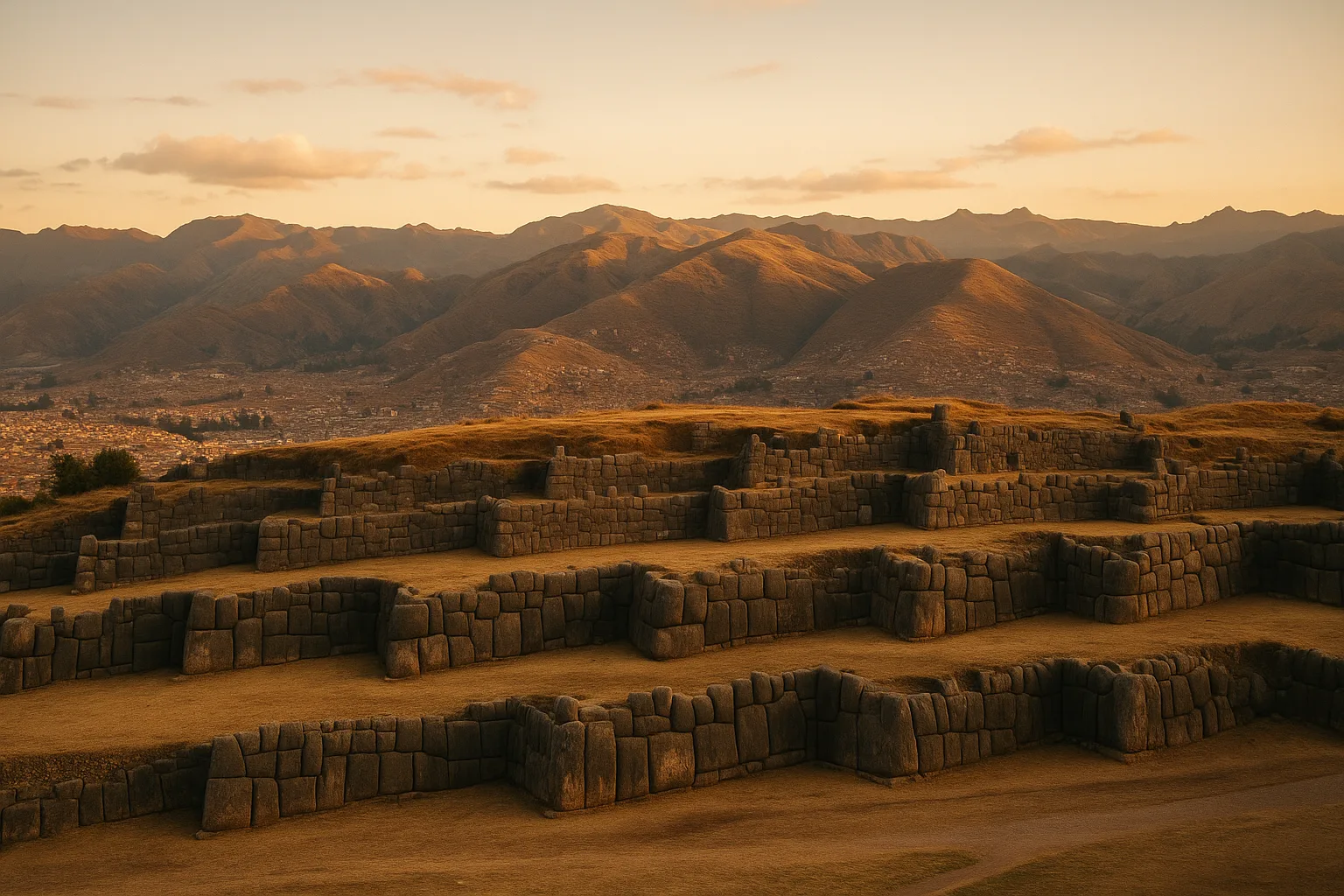
- Sacsayhuaman: Cyclopean masonry above Cusco’s historic center.
Plan your broader route with our Peru Ancient Sites Guide. For route strategy at elevation, read our Altitude & Acclimatization Guide for Peru.
Frequently Asked Questions
How much time should I plan for Huchuy Cusco?
If you hike in and out the same day, plan 8-12 hours total depending on your route and pace. The ruins themselves deserve around 1.5-2 hours for a meaningful visit. A short overnight in the Sacred Valley can make the day feel far less rushed.
Do I need a separate ticket for Huchuy Cusco?
Most visitors pay a small local entrance fee at or near the site, typically in cash soles. Policies can change seasonally, so your guide or hotel in Cusco should confirm current rates the day before. Carry small bills since change is not always available.
What is the best season to visit Huchuy Cusco?
The dry season from May through September is the most reliable for clear trails and big valley views. Shoulder months like April and October can be excellent with greener landscapes and thinner crowds. In the rainy season, trails can be slick and slower.
Can beginners hike to Huchuy Cusco?
Yes, but beginners should choose routes with gradual elevation gain and ideally go with a guide. The challenge is more altitude and uneven terrain than technical climbing. Good pacing, hydration, and one or two acclimatization days in Cusco help a lot.
How do I reach Huchuy Cusco from Cusco city?
Most travelers drive first to a trailhead near Tauca, Chinchero, or Lamay, then continue on foot. Private transport from Cusco is the simplest option, while public buses can work but require more route changes and timing flexibility. Expect a full-day commitment either way.
What are the main highlights at Huchuy Cusco?
The most memorable features are the long agricultural terraces, finely fitted Inca masonry, ceremonial structures, and panoramic views over the Urubamba corridor. The setting feels quieter and less commercial than larger marquee sites. That atmosphere is part of its appeal.
Nearby Ancient Sites
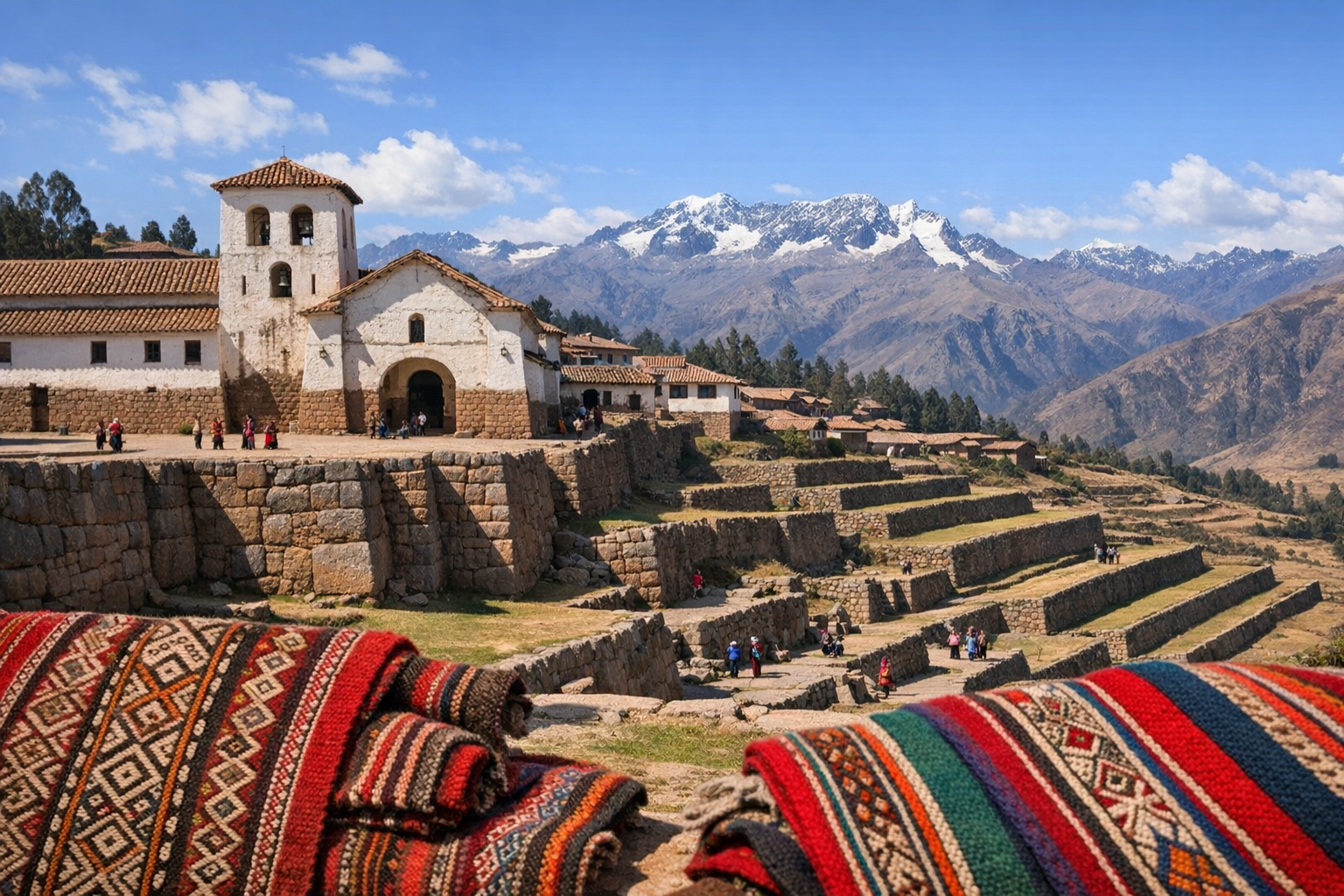
Chinchero Peru Guide 2026: Inca Terraces & Andean Weaving Village
IncaVisit Chinchero on Peru's high plateau above Cusco: Inca royal estate terraces, colonial church buil...
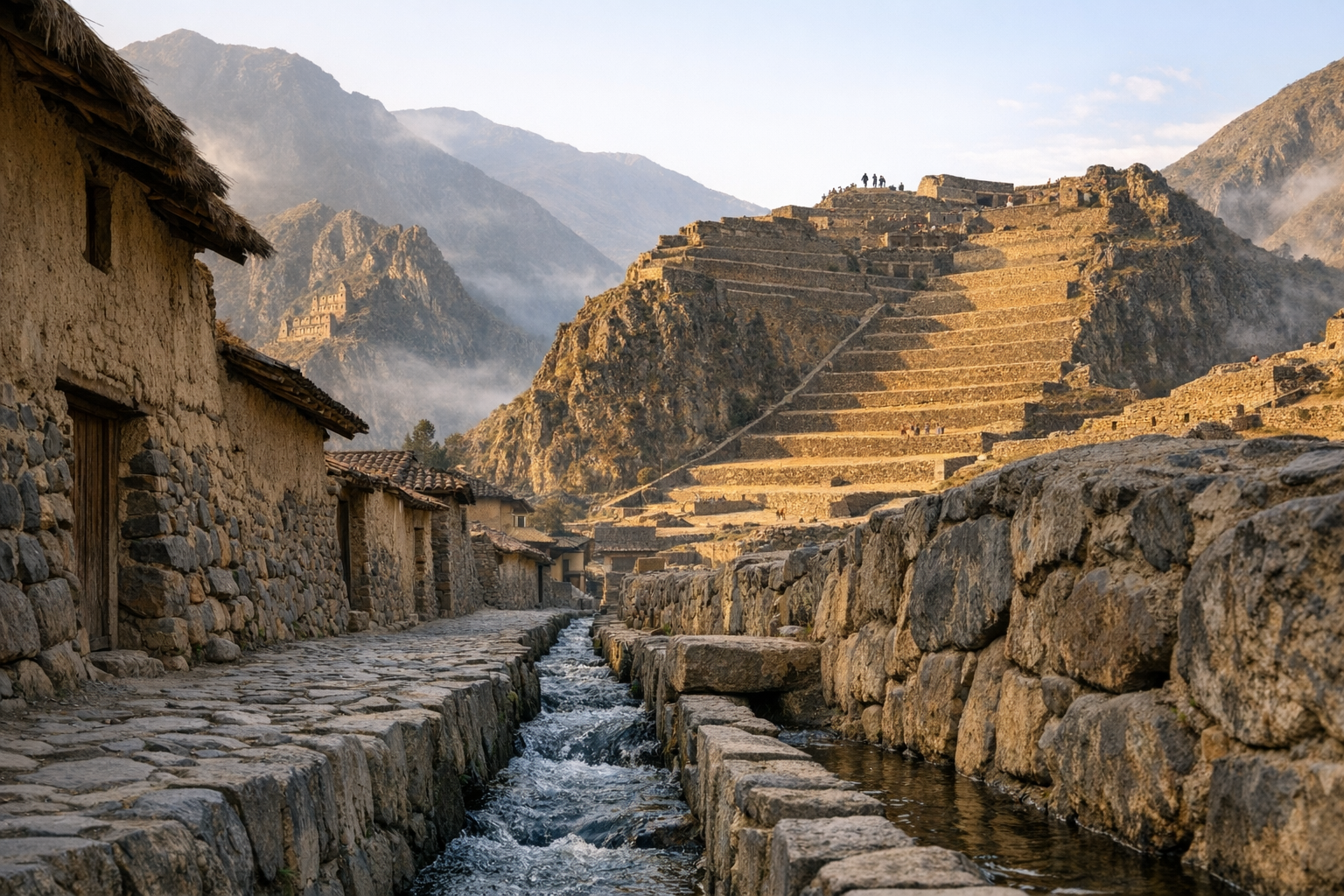
Ollantaytambo Peru Guide 2026: Inca Fortress & Sacred Valley Town
IncaVisit Ollantaytambo in Peru's Sacred Valley: explore the Inca fortress terraces, the Sun Temple, and...
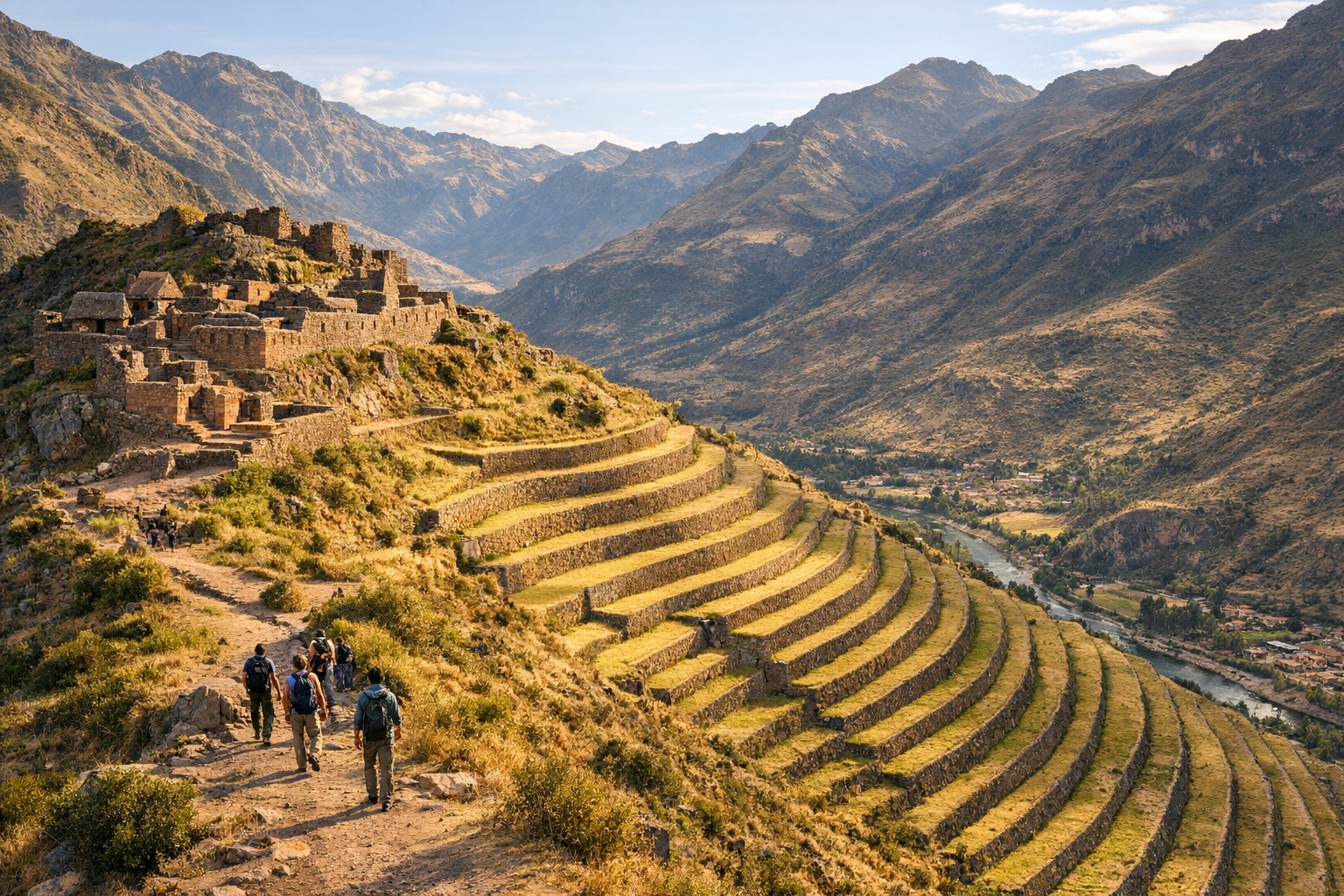
Pisac Peru Guide 2026: Inca Citadel, Market & Sacred Valley
IncaExplore Pisac in Peru's Sacred Valley: hike the Inca citadel terraces above town, visit the famous a...
Sacsayhuaman Peru Guide 2026: Cyclopean Walls & Inca Ceremonial Fortress
IncaExplore Sacsayhuaman above Cusco: colossal Inca stonework, battle history, practical ticket logistic...