Quick Info
Curated Experiences
Ichijodani Asakura Ruins Guided Tour from Fukui
Private Fukui Heritage Tour Including Ichijodani
Sengoku Japan Day Trip to Ichijodani Asakura Ruins
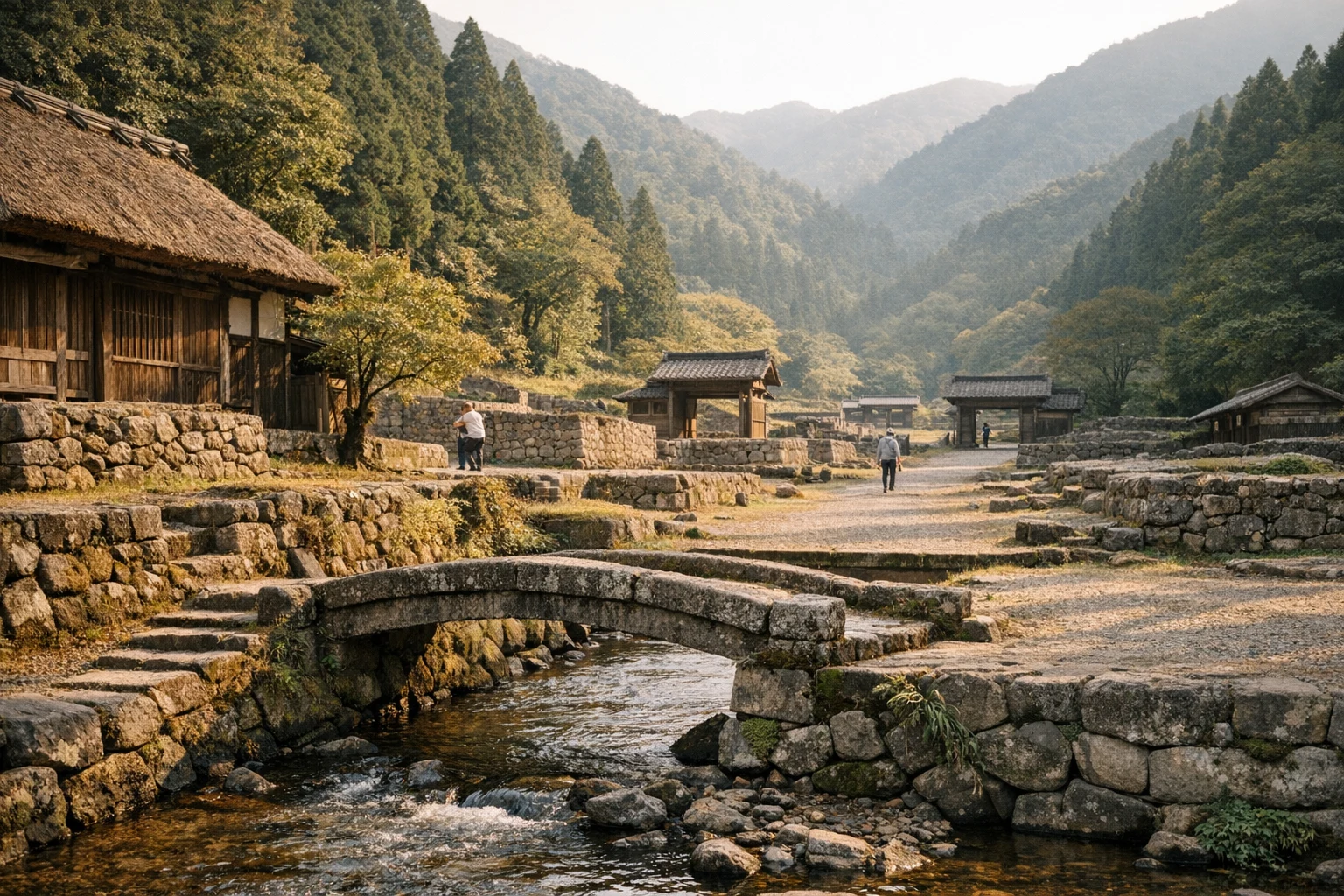
Ichijodani Asakura Ruins in Japan offer one of the most vivid encounters with the Sengoku period anywhere in the country, not because of a surviving keep or a single famous battle site, but because an entire warlord city was effectively frozen in the earth. In a narrow valley southeast of modern Fukui City, the remains of the Asakura clan’s stronghold unfold across roads, foundations, gardens, districts, gates, and excavated streets that still preserve the shape of a 15th- and 16th-century political center. At first glance, the valley can seem almost tranquil—green hills, river, open archaeological grounds, and reconstructed streetscapes that sit lightly in the landscape. Then the significance settles in. This was once one of the great regional centers of power in medieval Japan, a place where warlord authority, urban planning, courtly culture, military necessity, and ordinary daily life all coexisted under the patronage of the Asakura.
What makes Ichijodani so special is that it allows visitors to move through the remains of an entire social world. Samurai residences, merchant areas, temple precincts, gardens, roads, and fortifications are all part of the story. You are not simply visiting a ruined castle. You are entering the archaeological outline of a city that functioned as a political, cultural, and military capital during one of the most turbulent periods in Japanese history. The reconstructed streets help make that life visible, but the deeper power of the site comes from the excavated reality beneath them. Ichijodani is one of the rare places where the Sengoku era stops feeling like a sequence of famous names and battles and becomes an inhabited landscape of houses, walls, status, ceremony, and abrupt destruction.
History
The Asakura Clan and the Valley Stronghold
The rise of Ichijodani is inseparable from the rise of the Asakura clan, regional lords who established themselves as major powers in Echizen Province during the Muromachi and Sengoku periods. By the late 15th century, as central Ashikaga authority weakened and regional military elites asserted autonomy, the Asakura made Ichijodani the center of their rule. The choice of location was strategic. The valley was naturally enclosed and easier to defend than an exposed plain, yet still connected enough to support administration, trade, and courtly cultural life. It allowed the clan to create a secure political base while projecting authority across the surrounding region.
The site was more than a fortress. It developed into a full castle town, one of the most important in eastern Honshu during its time. This distinction matters because Ichijodani reflects the urban dimension of Sengoku politics. Power was not expressed only through armies and hilltop castles, but through controlled settlements where elite residences, retainers, merchants, temples, and artisans were organized into a functioning social system under lordly authority.
A Cultural and Political Center in the Sengoku Era
Ichijodani flourished especially from the mid-15th to the late 16th century. Over roughly a century, it became a prominent regional capital where the Asakura not only governed but cultivated prestige. The valley drew warriors, retainers, craftsmen, monks, and members of the cultural elite. The Asakura hosted poets, supported refined gardens, and positioned themselves not merely as military survivors but as regional rulers with cultural legitimacy. This combination of martial power and courtly aspiration is central to the identity of the site.
At a time when Kyoto itself could be unstable, regional capitals like Ichijodani took on larger significance. They became alternative centers of authority and taste. The excavated gardens at the site help demonstrate that point vividly. They show that a Sengoku stronghold could be a place of refinement and aesthetic ambition even while existing in an era of armed rivalry. Ichijodani was therefore not only a military headquarters. It was a city where rule had to be performed through administration, architecture, ceremony, and cultured patronage.
Conflict, Oda Nobunaga, and Destruction
The fate of Ichijodani is tied to the dramatic restructuring of power in the late Sengoku period, especially the rise of Oda Nobunaga. The Asakura allied with forces opposed to Nobunaga’s ambitions, and this brought the valley directly into the path of one of the era’s most formidable military transformations. In 1573, Nobunaga’s forces defeated the Asakura, and Ichijodani was burned and destroyed. This event ended the city’s political life with shocking speed.
That destruction is one of the reasons the site is so archaeologically valuable today. Because Ichijodani was abandoned after its fall rather than continuously rebuilt over, much of its urban form remained sealed in place. Streets, foundations, garden layouts, and district organization were preserved in the soil to a degree that is exceptionally rare for a Japanese medieval urban site. In a sense, the catastrophe that erased Ichijodani as a living city allowed it to survive as an archaeological one.
Excavation and Modern Understanding
Modern excavation transformed Ichijodani from a largely forgotten valley into one of Japan’s most important medieval archaeological sites. Researchers uncovered house plots, roads, drainage systems, gardens, defensive features, domestic objects, and the remains of multiple status groups living within the same urban system. This allowed historians to reconstruct not only elite life but also the everyday functioning of the castle town. That breadth is what makes the site so rich. It preserves a social environment, not just a single elite compound.
Reconstructed district streets now help visitors visualize the town, but the true significance lies in the archaeological record itself. Ichijodani has become central to the understanding of Sengoku urbanism, regional power, and the lived texture of warlord rule. It is one of the best places in Japan to see how politics, culture, and settlement fit together in the late medieval period.
Key Features
The most distinctive feature of Ichijodani Asakura Ruins is the preservation of an entire castle town layout rather than only a castle site. The valley contains the remains of roads, residence plots, gardens, temples, and defensive lines that together make the city readable as an urban organism. This is unusual and immensely valuable. Visitors are not just looking at isolated ruins scattered at random. They are moving through the structured remains of a planned and socially stratified settlement. That sense of totality is what gives Ichijodani its unusual power.
The reconstructed samurai and merchant district streets are among the site’s most accessible and memorable features. These reconstructions are not full fantasy rebuilds of the entire valley, but selective, carefully based efforts to help visitors visualize what the excavations revealed. Walking through these streets gives a strong impression of enclosure, hierarchy, and daily life. Gateways, fences, facades, and building proportions make it easier to imagine retainers moving through the town, merchants working in frontages, and the political elite maintaining order from within a carefully structured environment. For many visitors, these reconstructed areas serve as the bridge between archaeological abstraction and lived history.
The gardens are another major highlight. Several excavated gardens associated with elite residences and temples have been preserved, and they reveal the level of cultural sophistication that existed within this warlord city. These are not ornamental afterthoughts. They show that Ichijodani was a place where refined landscape design mattered, even in a time of military insecurity. Their survival complicates simplistic views of the Sengoku period as pure chaos. Here, beauty and violence belonged to the same world.
Defensive features also contribute strongly to the site’s meaning. The valley itself functioned as a protective geography, but the Asakura reinforced that with gates, barriers, and carefully controlled access points. This combination of terrain and built defence reveals how regional lords used natural landscapes as political instruments. Ichijodani was not just a town in a valley. It was a controlled basin of authority.
The museum and interpretation spaces are essential as well, because they display the artifacts and plans that animate the excavated remains. Pottery, tools, personal items, architectural fragments, and models help fill in the human scale of the site. Together, the archaeology and interpretation make Ichijodani one of Japan’s most complete historical landscapes of the Sengoku era.
Getting There
Ichijodani Asakura Ruins are located southeast of central Fukui City in Fukui Prefecture, making Fukui the easiest base for most visitors. From Fukui, the site can be reached by local train, bus, taxi, rental car, or organized tour. By car or taxi, the journey usually takes around 20 to 30 minutes depending on traffic. Taxi fares vary, but for a short regional ride they are generally manageable if you are prioritizing convenience. For those using public transport, the Echizen Railway and local bus links can help, though schedules are worth checking in advance.
Many travelers visit as a day trip from Fukui or as part of a broader trip through the Hokuriku region. Rental cars are especially useful if you plan to combine Ichijodani with other sites in Fukui Prefecture, but they are not required if this is your main destination. Guided tours can be worthwhile because the site is extensive and benefits from explanation, especially in understanding how the different excavated areas relate to one another across the valley.
Once on site, walking is the main mode of exploration. The valley is broad enough that you should allow time and wear comfortable shoes, but the overall terrain is manageable. Because the site combines open-air remains, reconstructions, and museums, it helps to structure the visit with a bit of intentional pacing rather than treating it as a quick stop.
When to Visit
The best time to visit Ichijodani Asakura Ruins is in spring or autumn, when the valley landscape adds a strong seasonal atmosphere to the archaeological experience. Spring brings fresh greenery and milder temperatures, while autumn offers clear air and rich foliage that can make the surrounding hills especially beautiful. These seasons suit the site because Ichijodani is as much a landscape visit as a monument visit. The valley itself is part of the story, and seasonal light strengthens that sense of enclosure and historical distance.
Summer is possible but can be humid, and the open areas of the site may feel more tiring if you plan to explore extensively on foot. Winter can be stark and quiet, sometimes beautiful in its own right, but colder conditions and possible snow change the pace of the visit. For most travelers, spring and autumn provide the ideal mix of comfort and atmosphere.
Morning or early afternoon usually works best. The site rewards steady, unhurried movement between excavated remains, reconstructed streets, and museum areas, and it is worth allowing enough time that you do not feel pressed. If possible, avoid treating Ichijodani as a single-photo stop. It is one of those places where the more slowly you move, the more the vanished city begins to feel real.
| Quick Facts | Details |
|---|---|
| Location | Fukui Prefecture, Japan |
| Best Known For | Exceptionally preserved Sengoku-period castle town remains |
| Main Historical Association | Asakura clan |
| Historical Period | 15th-16th century CE |
| Peak Flourishing | c. 1471-1573 |
| Signature Features | Excavated streets, samurai districts, gardens, and reconstructed townscapes |
| Recommended Visit Length | Half day minimum, full day ideal |
| Best Nearby Base | Fukui City |
| Best Season | Spring and autumn |
| Practical Tip | Give yourself enough time for both the excavated grounds and reconstructed streets, since the full power of the site comes from understanding the city as a whole |
Frequently Asked Questions
What are the Ichijodani Asakura Ruins best known for?
They are best known for preserving the remains of a 15th-16th century castle town ruled by the Asakura clan, with streets, residences, gardens, and defensive planning still archaeologically visible.
Where are the Ichijodani Asakura Ruins located?
The ruins are located in a valley southeast of Fukui City in Fukui Prefecture, Japan.
Why are the Ichijodani Asakura Ruins important?
They are important because they preserve one of Japan’s most complete Sengoku-period urban landscapes, offering rare insight into elite residences, town planning, and samurai-era daily life.
How much time should you spend at Ichijodani Asakura Ruins?
Most visitors should allow at least half a day, and ideally a full day, to explore the excavated town, reconstructed streets, gardens, and museum areas.
Can you see reconstructed buildings at Ichijodani?
Yes. Parts of the site include reconstructed samurai and merchant district streetscapes that help visitors visualize the original castle town.
When is the best time to visit the Ichijodani Asakura Ruins?
Spring and autumn are especially rewarding, with comfortable weather and beautiful seasonal scenery in the surrounding valley.
Nearby Ancient Sites
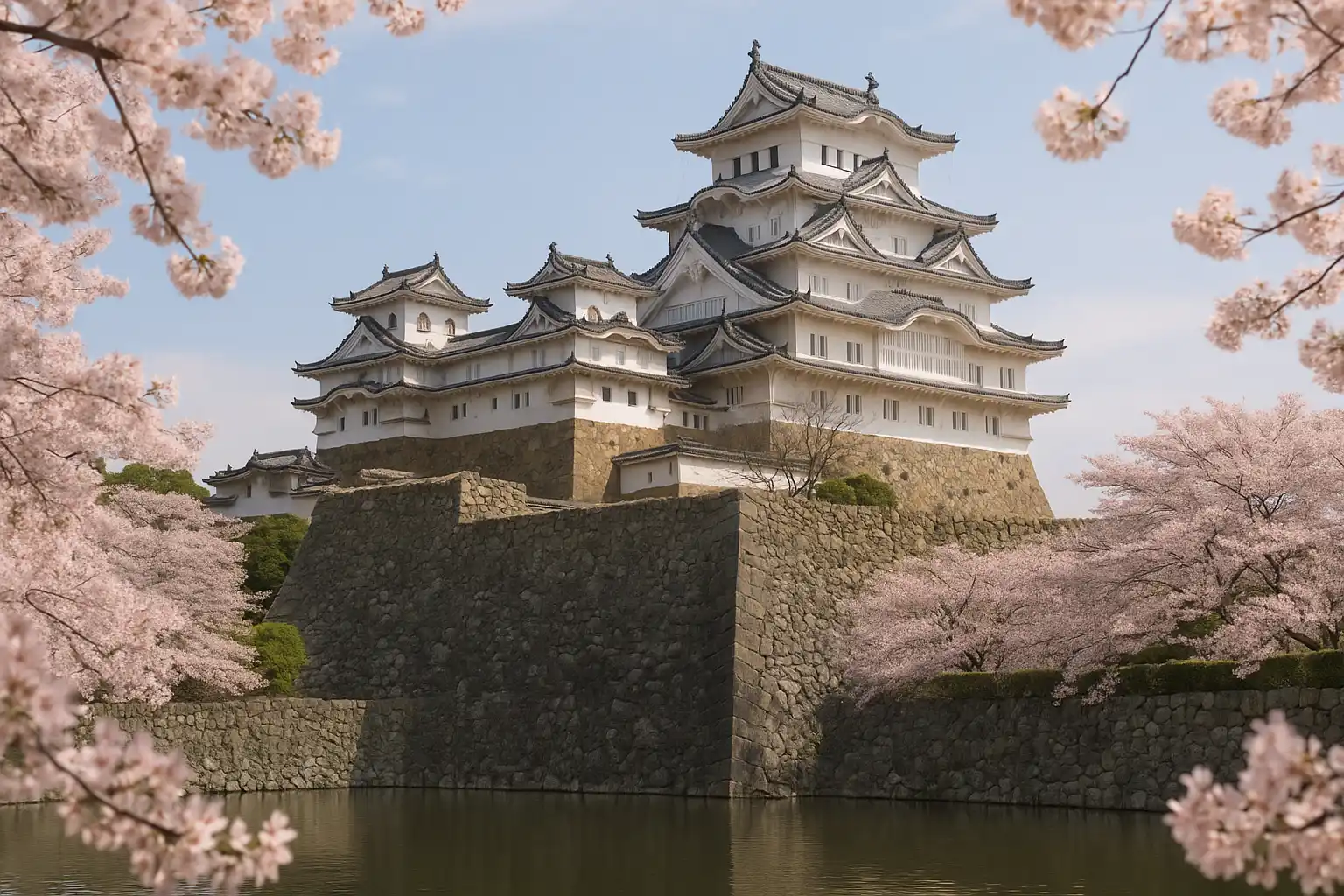
Himeji Castle Japan Travel Guide 2026: The White Heron Castle
Japanese FeudalVisit Himeji Castle, Japan's most beautiful original castle. Explore the White Heron keep, defensive...
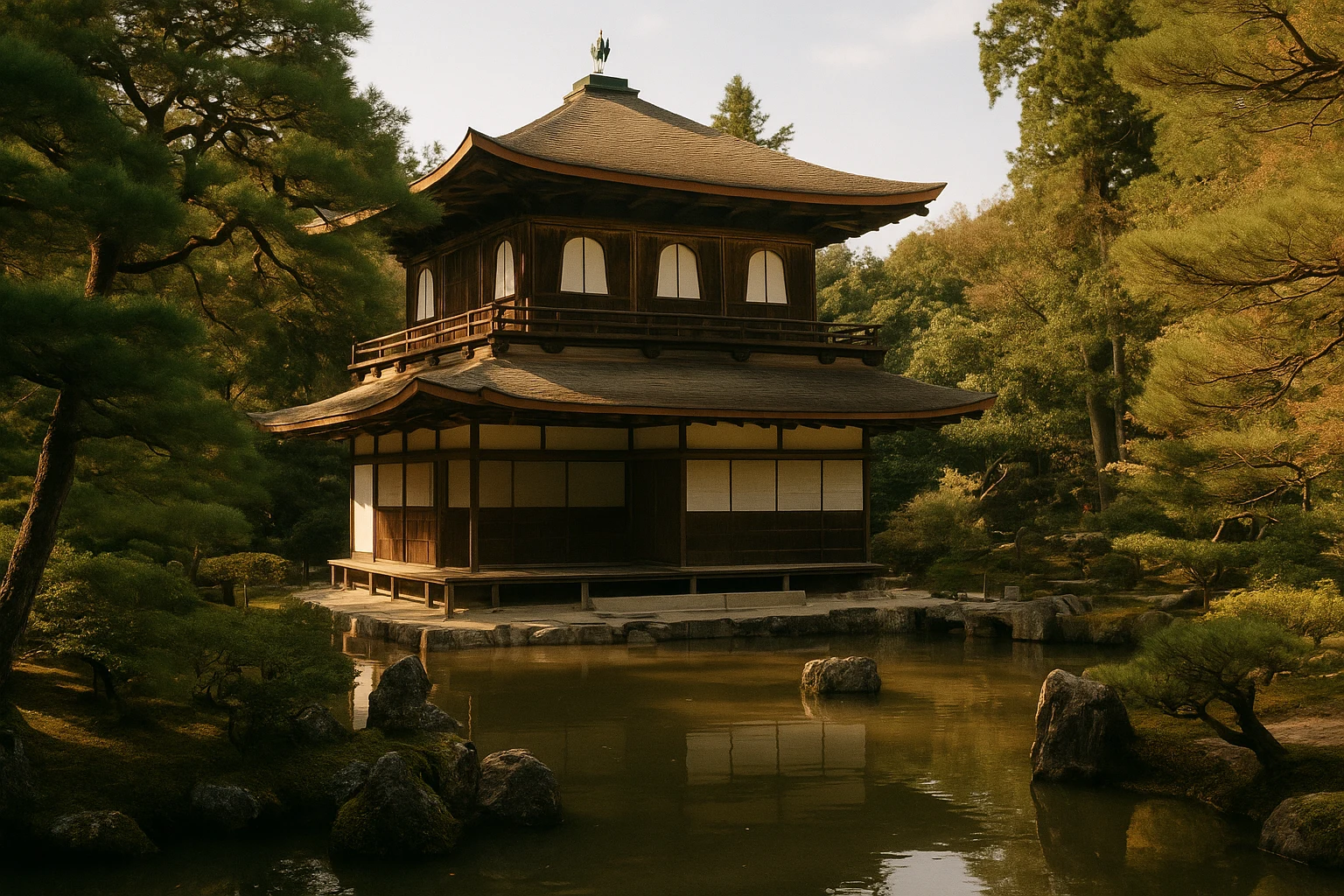
Ginkakuji Temple: Kyoto's Silver Pavilion and the Art of Wabi
Explore Ginkakuji Temple in Kyoto, Japan — the Silver Pavilion, sand gardens, and Ashikaga Yoshimasa...
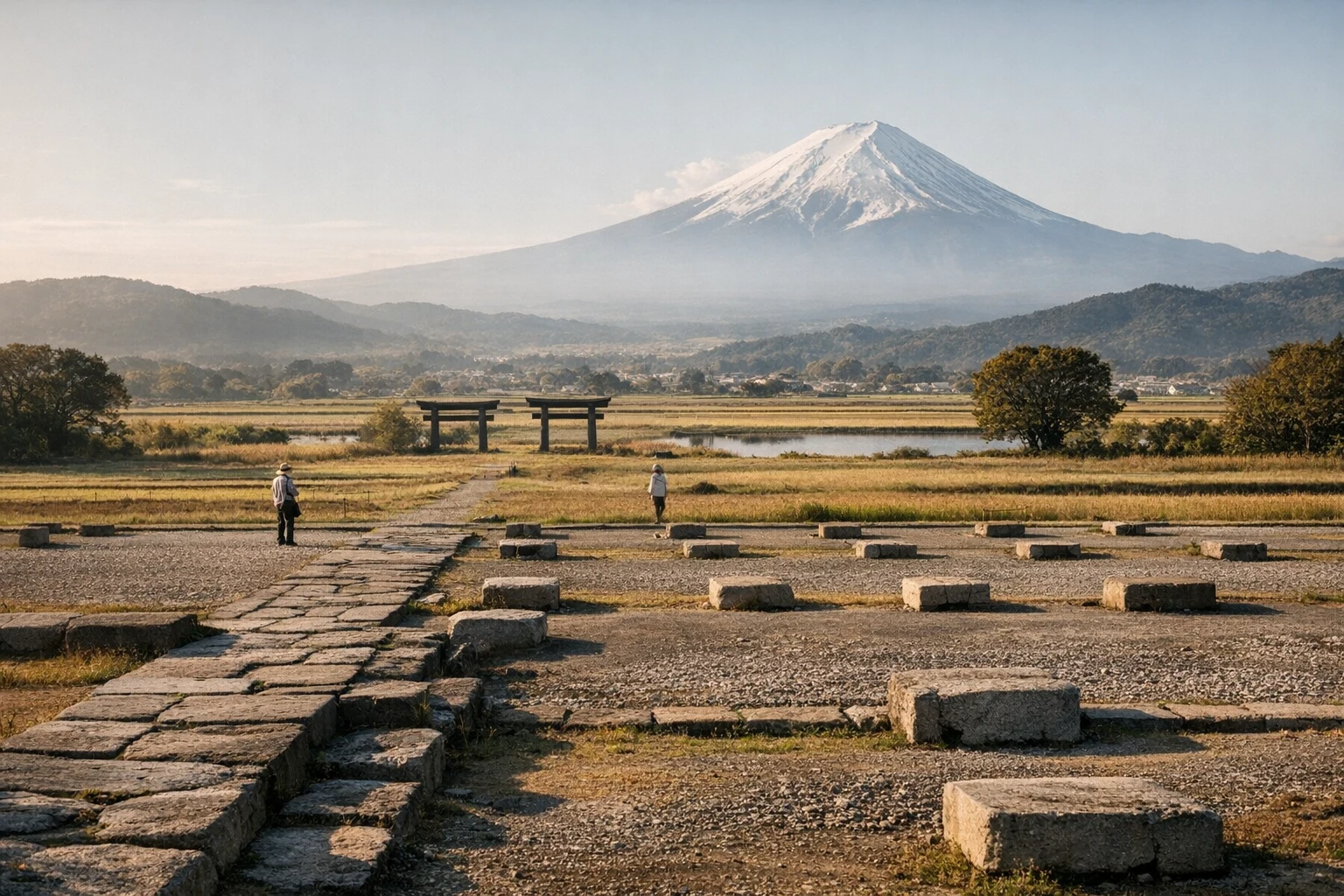
Fujiwara Palace Ruins
Early Japanese imperial stateDiscover Japan’s Fujiwara Palace Ruins, the vast remains of the first fully planned imperial capital...
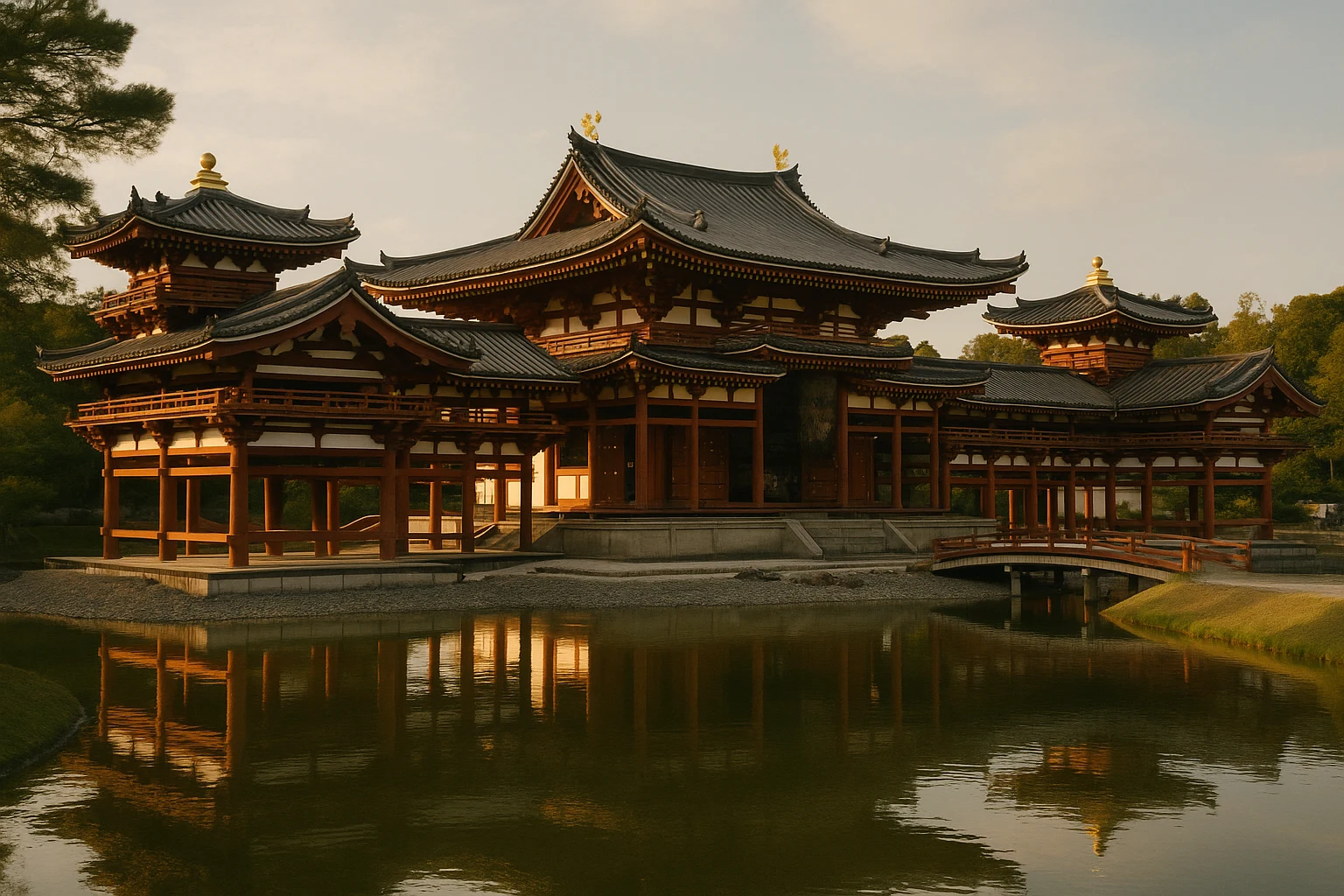
Byodoin Temple
Heian JapanA UNESCO-listed Heian-era masterpiece in Uji, Japan, renowned for its iconic Phoenix Hall reflected ...
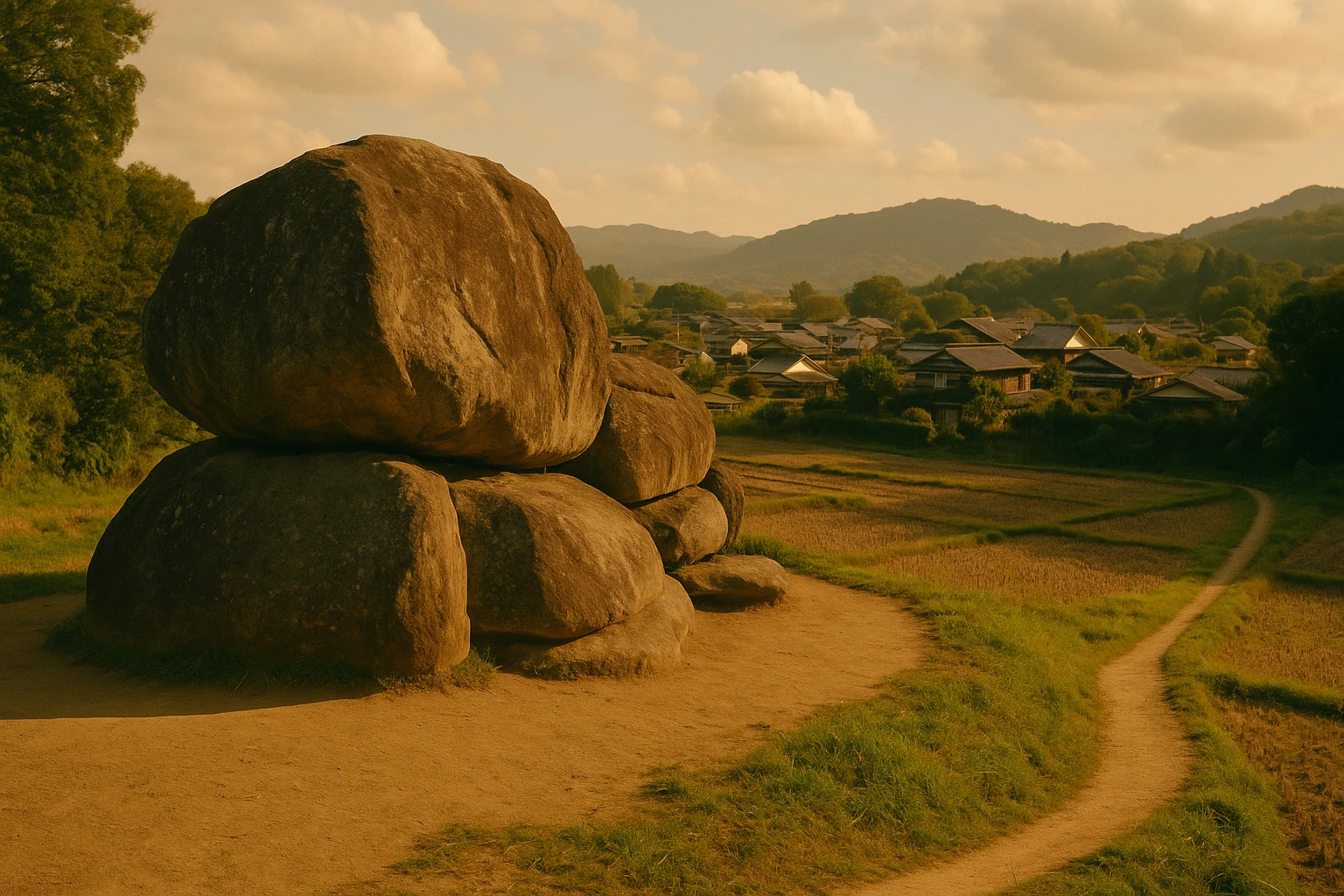
Asuka Historical Sites
Yamato CourtDiscover Asuka's ancient tombs, Buddhist temples, and enigmatic stone monuments — Japan's cradle of ...