Quick Info
Curated Experiences
Mozu-Furuichi Tumulus Clusters Heritage Tour from Osaka
Private Kofun Tombs Tour in Osaka Prefecture
Ancient Japan Day Trip to Mozu and Furuichi Burial Mounds
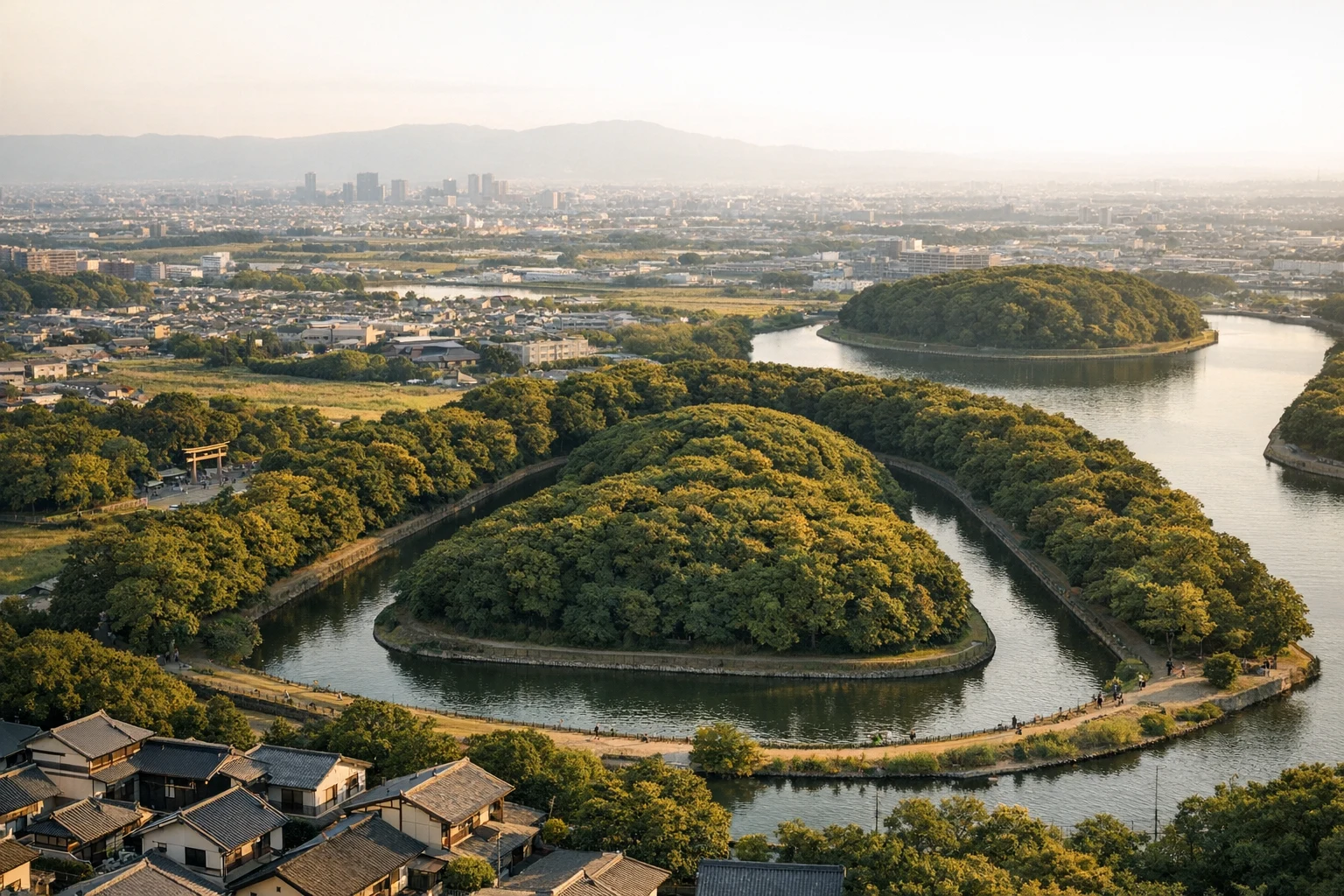
Mozu-Furuichi Tumulus Clusters in Japan are among the most surprising ancient landscapes in East Asia because they exist so visibly inside the fabric of the modern city. In Osaka Prefecture, amid neighborhoods, roads, schools, rail lines, and parks, enormous forested burial mounds rise behind moats and embankments like fragments of another country preserved inside the present one. At first glance, they can seem almost too quiet to be historically immense. Many visitors arrive expecting exposed archaeology or dramatic stone ruins and instead find green, tree-covered forms whose significance is easy to underestimate until scale sets in. Some of these kofun are vast. The largest, traditionally associated with Emperor Nintoku, is one of the biggest tomb monuments in the world by area, a keyhole-shaped landscape monument more readily grasped from maps and observation decks than from ground level.
That contrast between visibility and hiddenness is what gives the clusters their power. These tombs are not empty hills. They are the material expression of elite authority, ritual, labor organization, and emerging state power in ancient Japan during the Kofun period. Their moats, embankments, shape, and placement reveal a society already capable of tremendous coordinated effort and deeply invested in the political meaning of burial. Yet because they remain largely unexcavated and inaccessible in direct physical terms, they also retain an aura of mystery. Visitors encounter them through perimeter paths, museums, and elevated viewpoints, piecing together a prehistoric and protohistoric world from geometry, landscape, and context. The result is one of Japan’s most unusual heritage experiences: monumental tomb architecture experienced not in isolation, but as a vast ancient memory still embedded in urban Osaka.
History
The Kofun Period and the Rise of Elite Power
The Mozu-Furuichi Tumulus Clusters belong to the Kofun period, generally dated from the 3rd to 7th centuries CE, a formative era in Japanese history marked by the rise of powerful regional elites, increasingly stratified society, and the early consolidation of what would eventually become the Yamato state. The name of the period itself comes from kofun, the monumental burial mounds constructed for members of the elite. These tombs varied in size and form, but the most famous were the huge keyhole-shaped mounds surrounded by moats and subsidiary burials, combining geometric planning with conspicuous scale.
This was a period before the fully developed capitals, temples, and court systems of later Japanese history, yet it already reveals the emergence of political centralization and highly organized labor. The tombs are therefore not simply funerary monuments. They are evidence of power. To build them required control over land, workforce, materials, and ritual authority. Their monumental presence across the landscape signaled status in death and likely reinforced legitimacy among the living.
The Mozu and Furuichi Clusters
The Mozu and Furuichi clusters developed in the Osaka plain, an area strategically important for communication, agriculture, and political influence. Their location was not accidental. This region was close to key routes, productive lands, and the centers of emerging elite power in western Japan. Over the 4th to 6th centuries, large and small kofun accumulated in these two main clusters, creating a dense funerary landscape of extraordinary scale.
The largest tombs are particularly associated with the highest strata of the ruling elite, traditionally linked in some cases to early rulers or figures remembered in later imperial genealogies. The most famous of all is Daisen Kofun in the Mozu cluster, often identified as the mausoleum of Emperor Nintoku. Even if the precise historical attribution remains beyond direct archaeological confirmation because of restrictions on excavation, the mound itself leaves no doubt that it was built for someone of exceptional status. Other major tombs in both Mozu and Furuichi reinforce the same pattern: this was a political landscape of ranked power, not a random scattering of burials.
Ritual, Symbolism, and Social Organization
The monumental tombs of Mozu-Furuichi were shaped by more than engineering ambition. They also embodied ritual concepts and symbolic order. The keyhole form remains one of the most distinctive and intriguing features of the Kofun period. While interpretations vary, its consistent use suggests that shape itself carried cultural meaning, probably tied to the ritual and political language of elite burial. The moats, terraces, haniwa clay figures, and associated grave goods added further layers of symbolism. These were not merely places to hide bodies. They were performances of authority built into the landscape.
The social implications are equally significant. Such large projects imply a degree of centralized organization, stratified command, and resource mobilization that helps explain why the Kofun period is so important to the study of early Japan. The tombs do not just commemorate powerful individuals; they show the existence of social systems capable of making such commemoration possible on an immense scale. In this sense, Mozu-Furuichi tells the story of state formation through burial architecture.
Decline of Kofun Construction and Modern Preservation
By the later Kofun period and into the Asuka era, burial practices changed as political and religious life evolved. Large kofun construction declined, and new forms of power expression emerged, including Buddhist temple patronage, written administration, and more formalized court institutions. The age of giant tumulus building passed, but the mounds remained embedded in the landscape. Over centuries, some survived as visible sacred or protected spaces, while others were altered, reduced, or absorbed into expanding settlement.
In modern times, the relationship between these tombs and urban development became one of the most striking aspects of the site. Rather than lying in a remote archaeological reserve, many of the mounds remained inside rapidly modernizing Osaka Prefecture. Their preservation required negotiation between heritage protection and city growth. Today, the Mozu-Furuichi Tumulus Clusters are recognized as a UNESCO World Heritage Site, valued not only for the tombs themselves but for what they reveal about the rise of early political authority in Japan. Their modern survival inside a dense metropolitan region only sharpens their significance.
Key Features
The single most remarkable feature of the Mozu-Furuichi Tumulus Clusters is the scale of the major keyhole-shaped mounds. Seen from maps, aerial images, or selected observation decks, these tombs appear as vast engineered landforms with geometric clarity: rounded rear mound, tapering central zone, and rectangular front projection framed by moats. On the ground, however, they often read as wooded islands surrounded by water and urban life. This double experience is part of what makes them so fascinating. They are monumental in plan but elusive in everyday perception. You do not simply stand in front of them as you would a temple facade. You circle them, glimpse them across moats, and reconstruct their shape in your mind.
Daisen Kofun is the standout example, famous for its enormous size and association with the traditional imperial line. Even without entering it, the scale is palpable from perimeter routes and nearby elevated viewpoints. The mound’s vast dimensions remind visitors that ancient Japan was capable of landscape-scale construction long before the better-known temples and capitals of later eras. Yet Daisen is only part of the story. The wider clusters contain many other tumuli of different sizes and ranks, and this variation is essential. It reveals a hierarchical funerary world in which status was articulated through scale, placement, and associated features.
The moats are another defining feature. They create both physical separation and symbolic distance, turning the mounds into islands of authority. In modern urban surroundings, these moats amplify the strange feeling that the tombs belong simultaneously to the city and outside it. They also help preserve the dignity of the monuments by maintaining a buffer between ordinary ground and elite burial space. Water, geometry, and vegetation work together to make the mounds feel more like designed sacred landscapes than simply large earthen heaps.
Museums and interpretive centers associated with the clusters are crucial because much of the tomb architecture is not directly entered. Exhibits on haniwa clay figures, burial goods, construction techniques, and Kofun period society provide the material culture needed to understand what the forested mounds actually represent. Haniwa in particular are among the most important features of the wider Kofun world. These clay cylinders, houses, animals, and human figures once stood on and around the tombs, turning burial landscapes into symbolically populated spaces. Seeing them in museum contexts helps animate the otherwise visually restrained mound experience.
Another major feature is the coexistence of ancient monuments and modern city life. It is rare to encounter such enormous prehistoric tombs integrated so thoroughly into a suburban and metropolitan environment. This urban embedding is not an inconvenience to the site’s meaning; it is part of it. It reminds visitors that heritage is not always remote. Sometimes it sits at the center of modern life, resisting erasure through sheer scale and long cultural recognition. Mozu-Furuichi is therefore as much a lesson in historic persistence as in ancient power.
Getting There
The Mozu-Furuichi Tumulus Clusters are located in Osaka Prefecture, mainly across the modern cities of Sakai and Habikino/Fujiidera, making them relatively easy to reach from central Osaka. Trains are usually the most practical option. For the Mozu cluster, Sakai-area stations on JR or Nankai lines provide convenient access, while the Furuichi cluster can be reached through Kintetsu rail connections. From central Osaka, travel time to the nearest stations often ranges from about 30 to 60 minutes depending on your route and which cluster you plan to visit.
Once in the area, visitors typically combine walking, local buses, taxis, and occasionally rental bicycles. Because the monuments are dispersed, planning a route matters. The Mozu cluster is often easier for first-time visitors because of its museum support and clearer visitor infrastructure around the major mound associated with Emperor Nintoku. The Furuichi cluster rewards those willing to spend more time moving between sites. Local transport costs are modest by Japanese urban standards, and short taxi rides can be useful when linking observation points or museums.
Guided tours are less common than for major temple cities but can be worthwhile if you want help understanding how the different mounds relate to one another. Independent travel is entirely feasible, especially with a rail card, a phone map, and realistic expectations. This is a site best approached as a landscape of multiple points rather than a single gate-and-ticket monument.
When to Visit
The best time to visit the Mozu-Furuichi Tumulus Clusters is in spring or autumn, when Osaka’s weather is more comfortable for walking around the moats, parks, and observation areas. Spring offers mild temperatures and fresh greenery, while autumn provides clearer air and more comfortable conditions after the summer heat. Because the clusters are experienced largely outdoors and through movement across urban landscapes, weather matters more than at indoor museum-heavy sites.
Summer is possible but often hot and humid, which can make walking between viewpoints less appealing. Winter can be calm and quite manageable, especially on clear days, but it lacks some of the softer seasonal atmosphere that makes the moats and greenery especially attractive in spring and autumn. Morning and late afternoon are usually the best times for photography and for a less tiring visit. These times also help the scale of the mounds read more clearly in softer light.
If your goal is understanding rather than speed, it helps to choose one cluster for a focused half day rather than try to rush everything. The tumuli reveal themselves slowly. Good weather and a patient pace make a major difference in how meaningful the visit becomes.
| Quick Facts | Details |
|---|---|
| Location | Osaka Prefecture, Japan |
| Best Known For | Giant keyhole-shaped kofun burial mounds of early elite Japan |
| Cultural Period | Kofun period |
| Main Date Range | 4th to 6th century CE |
| UNESCO Status | World Heritage Site |
| Signature Monument | Daisen Kofun, traditionally linked to Emperor Nintoku |
| Best Nearby Base | Osaka or Sakai |
| Recommended Visit Length | Half day to full day |
| Best Season | Spring and autumn |
| Practical Tip | Use museums and observation points to understand the tombs’ full scale, since most major mounds are experienced from the outside rather than entered directly |
Frequently Asked Questions
What are the Mozu-Furuichi Tumulus Clusters best known for?
They are best known for their enormous kofun burial mounds, especially the giant keyhole-shaped imperial tombs that symbolize the rise of elite power in ancient Japan.
What is a kofun?
A kofun is an ancient burial mound, often monumental in scale, built for powerful elites in Japan during the Kofun period.
Can you enter the Mozu-Furuichi tumuli?
Most of the major mounds themselves are not entered directly, but visitors can view them from surrounding parks, roads, museums, and observation points.
Why are the Mozu-Furuichi Tumulus Clusters important?
They are important because they provide exceptional evidence of early Japanese political centralization, funerary ritual, and monumental landscape planning in the Kofun period.
How much time should you spend visiting the Mozu-Furuichi Tumulus Clusters?
Most visitors should allow at least half a day, and ideally a full day, to see selected mounds, museums, and observation points across both clusters.
When is the best time to visit the Mozu-Furuichi Tumulus Clusters?
Spring and autumn are the most pleasant times, with good weather for walking and clearer views from observation areas.
Nearby Ancient Sites
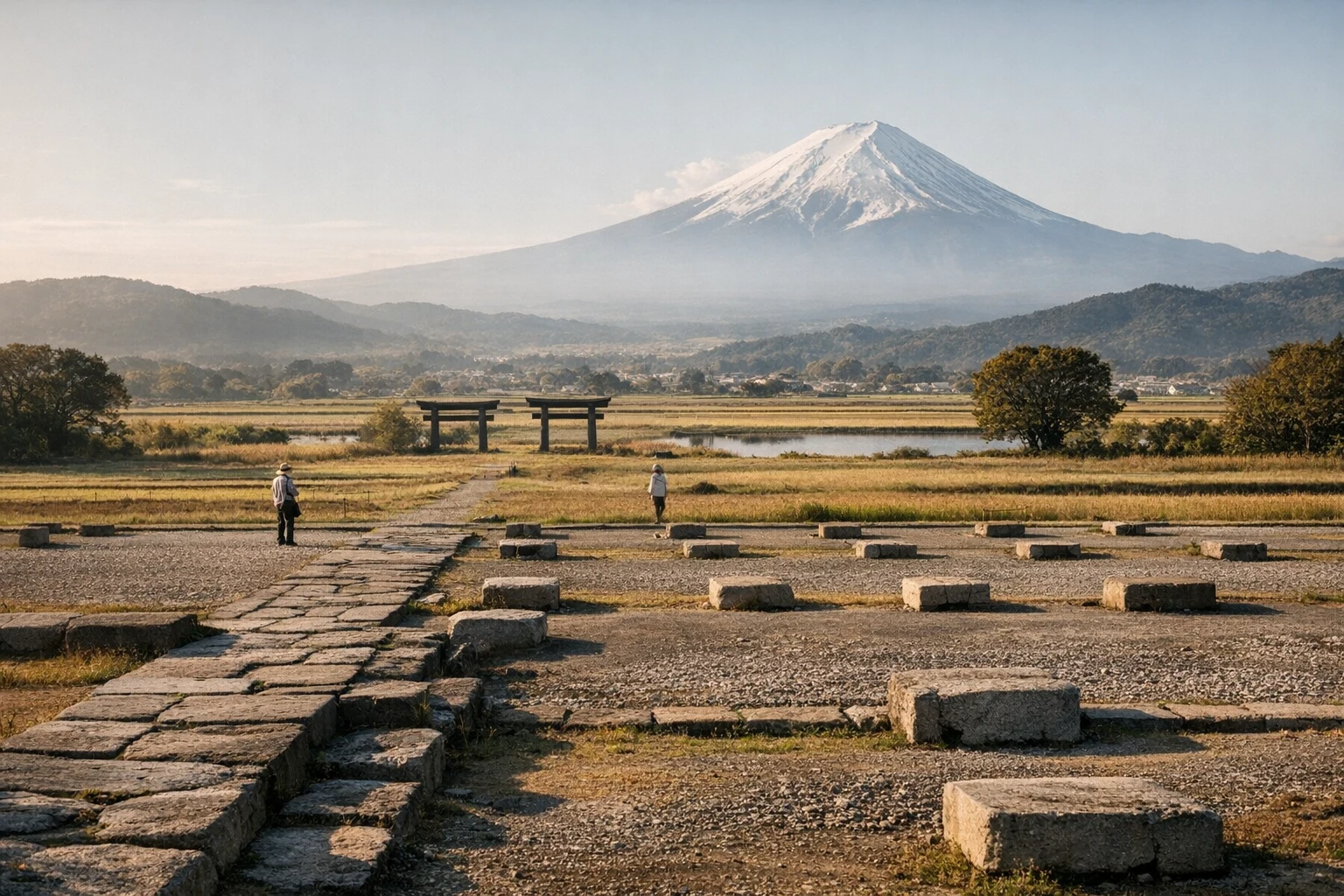
Fujiwara Palace Ruins
Early Japanese imperial stateDiscover Japan’s Fujiwara Palace Ruins, the vast remains of the first fully planned imperial capital...
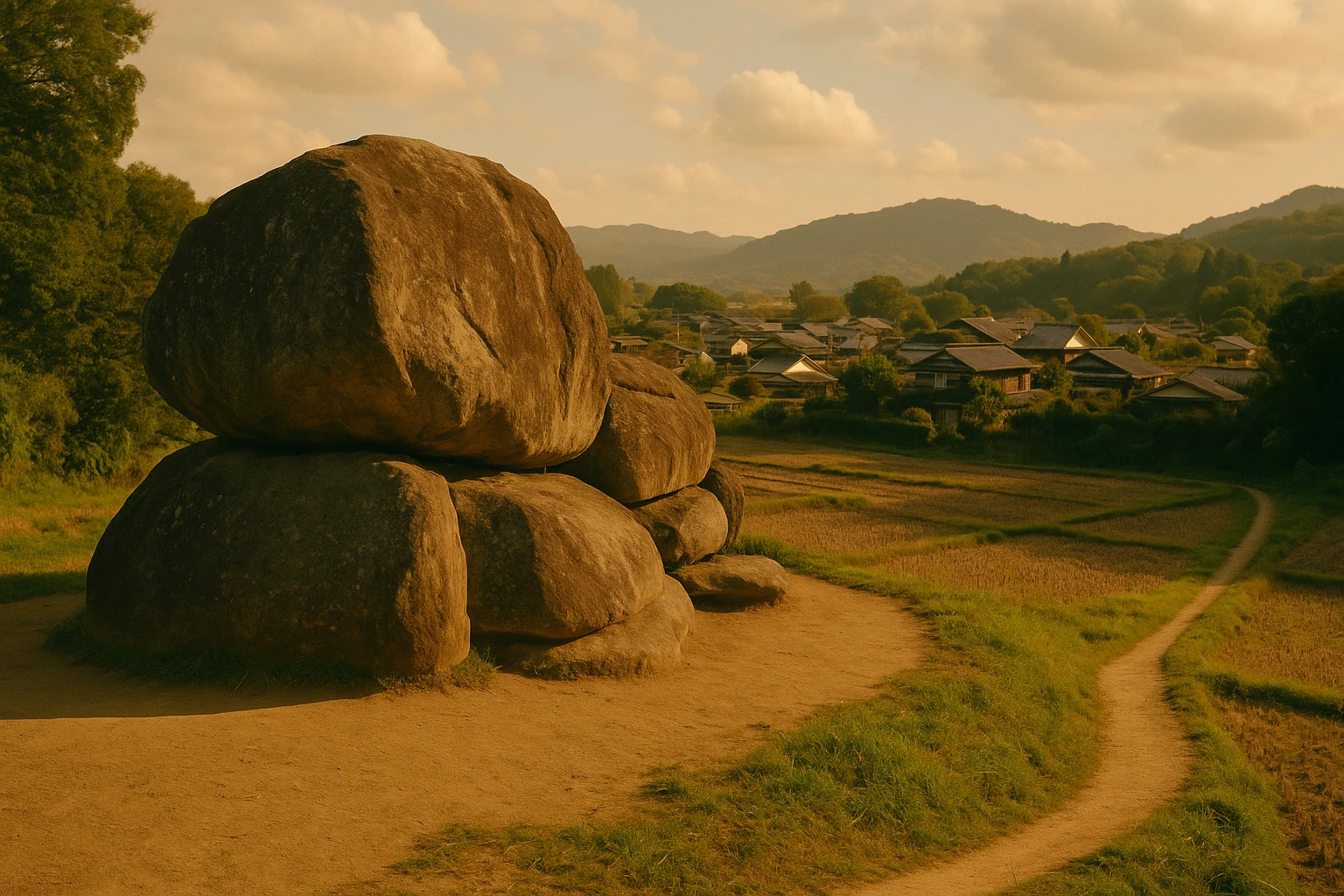
Asuka Historical Sites
Yamato CourtDiscover Asuka's ancient tombs, Buddhist temples, and enigmatic stone monuments — Japan's cradle of ...
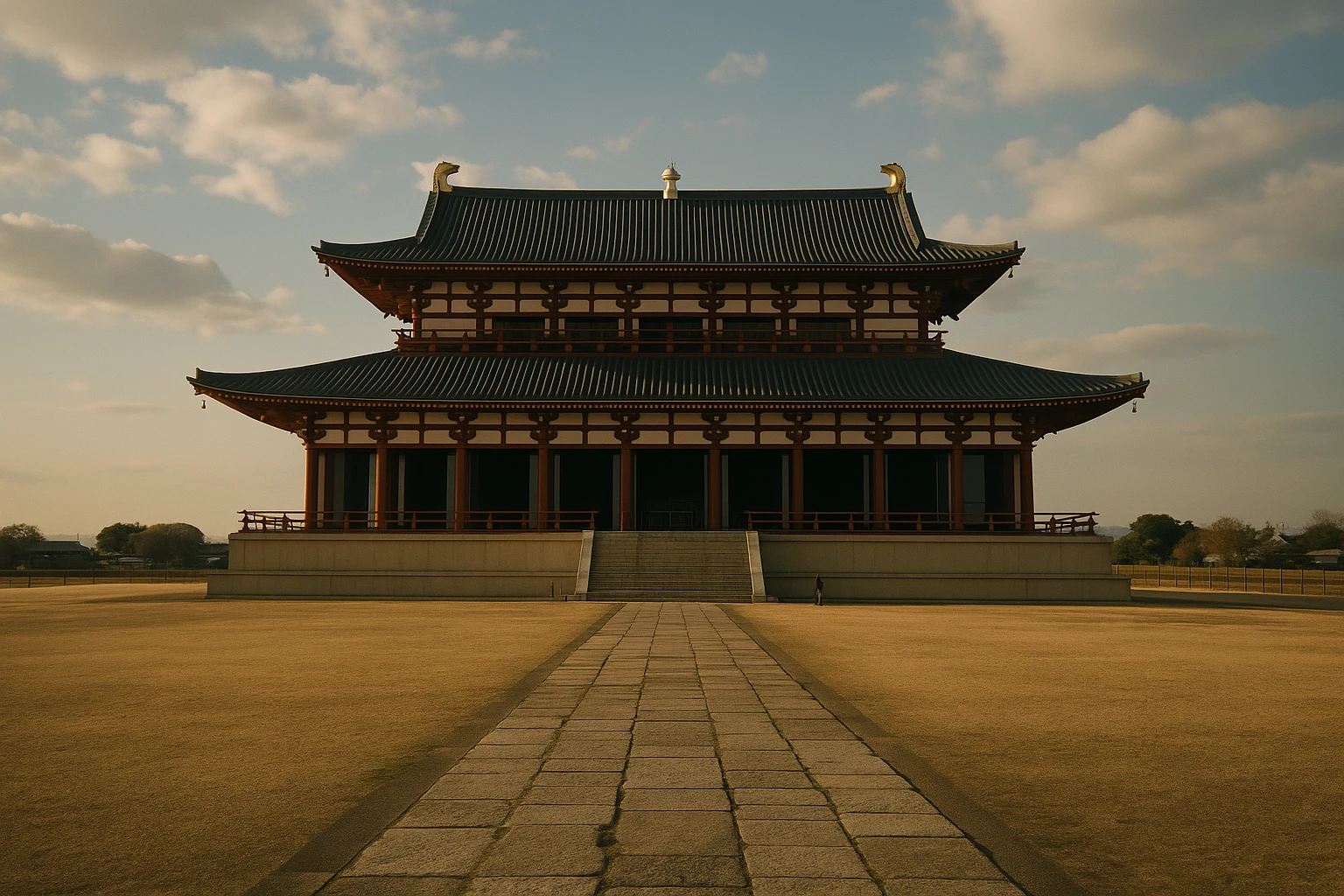
Heijo Palace Site
Nara Period JapanWalk the vast grounds of Japan's 8th-century imperial capital in Nara — a UNESCO World Heritage Site...
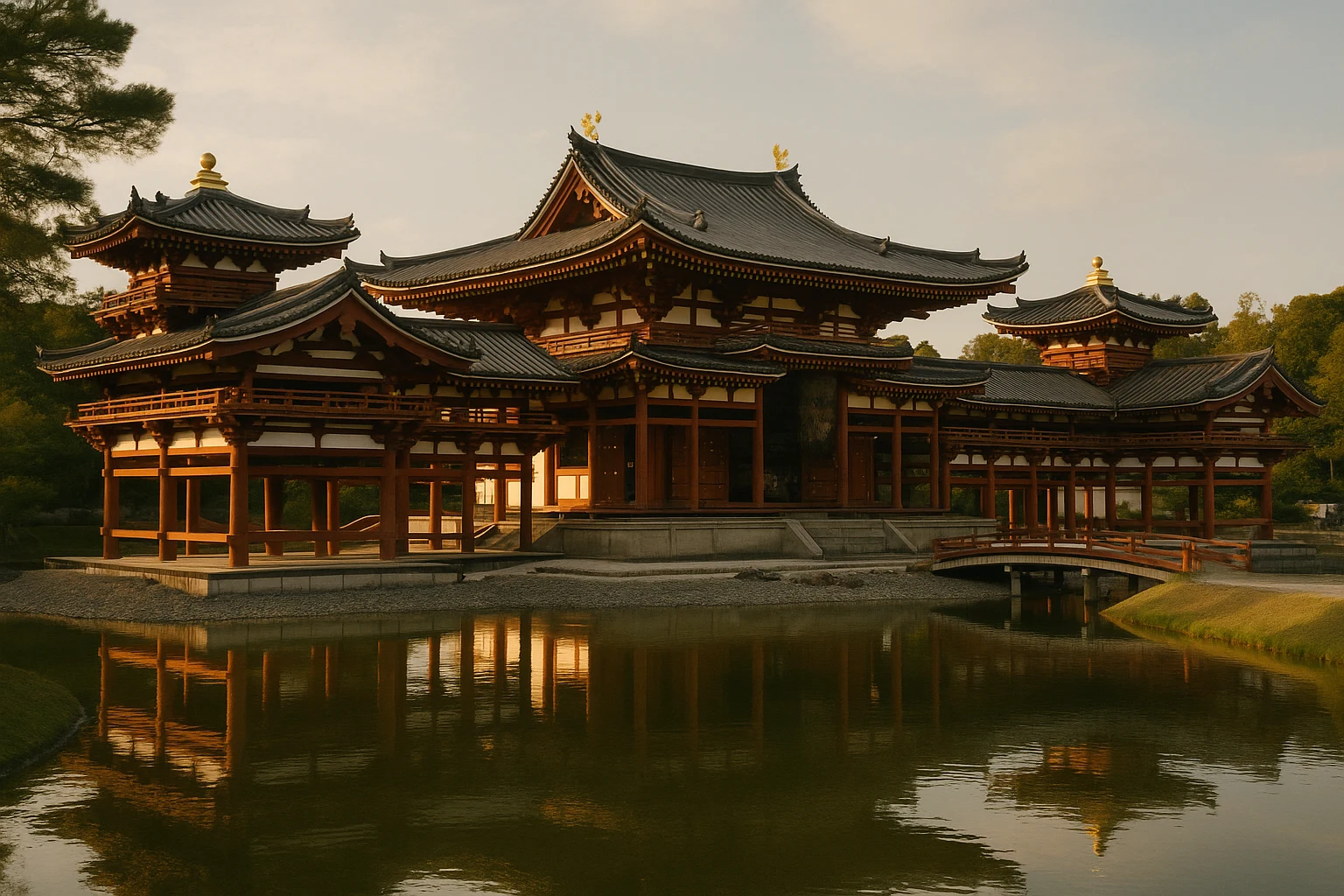
Byodoin Temple
Heian JapanA UNESCO-listed Heian-era masterpiece in Uji, Japan, renowned for its iconic Phoenix Hall reflected ...
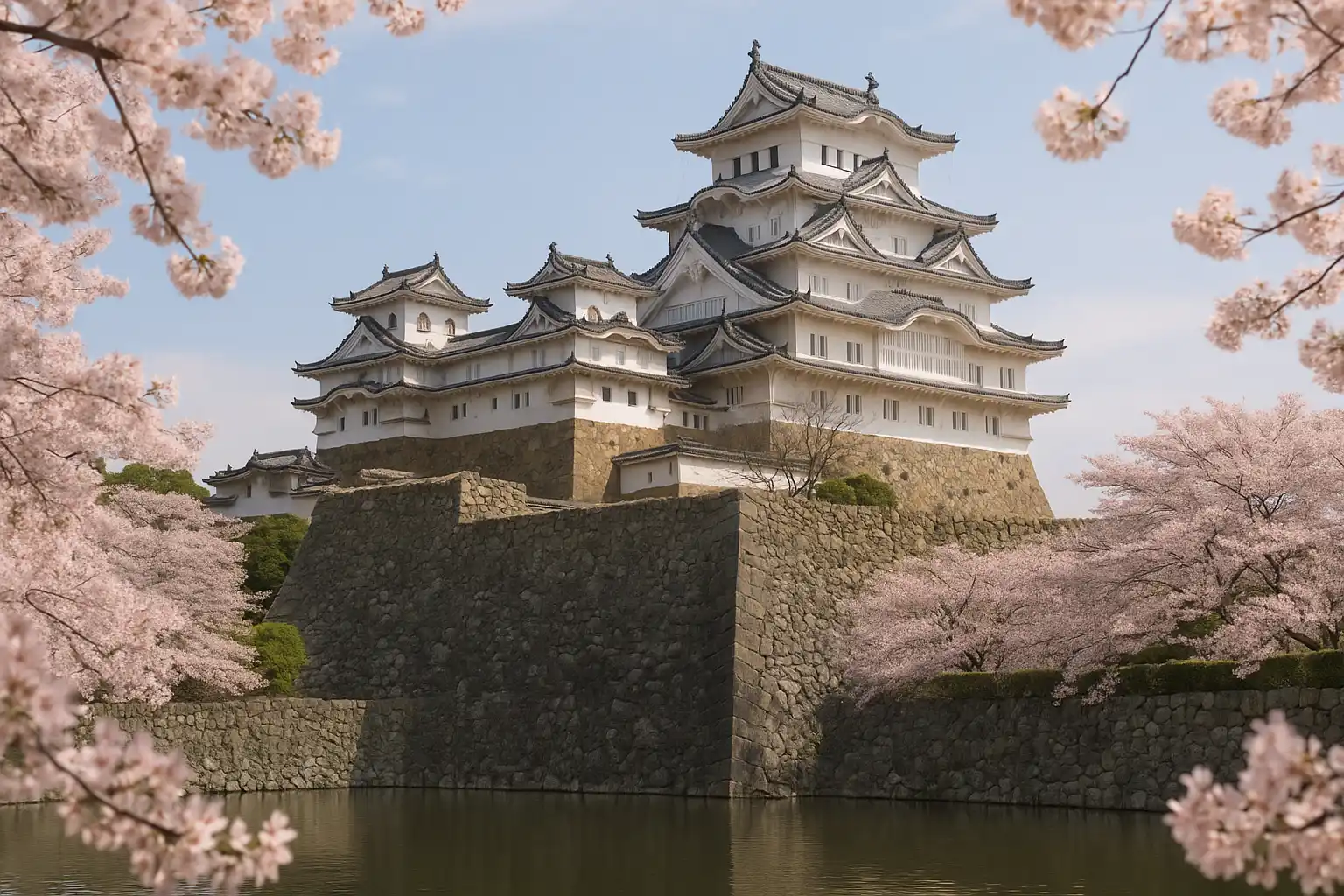
Himeji Castle Japan Travel Guide 2026: The White Heron Castle
Japanese FeudalVisit Himeji Castle, Japan's most beautiful original castle. Explore the White Heron keep, defensive...