Quick Info
Curated Experiences
Palatine Hill, Roman Forum & Colosseum Guided Tour
VIP Palatine Hill Underground Tunnels Tour
Sunrise Palatine Hill Private Tour
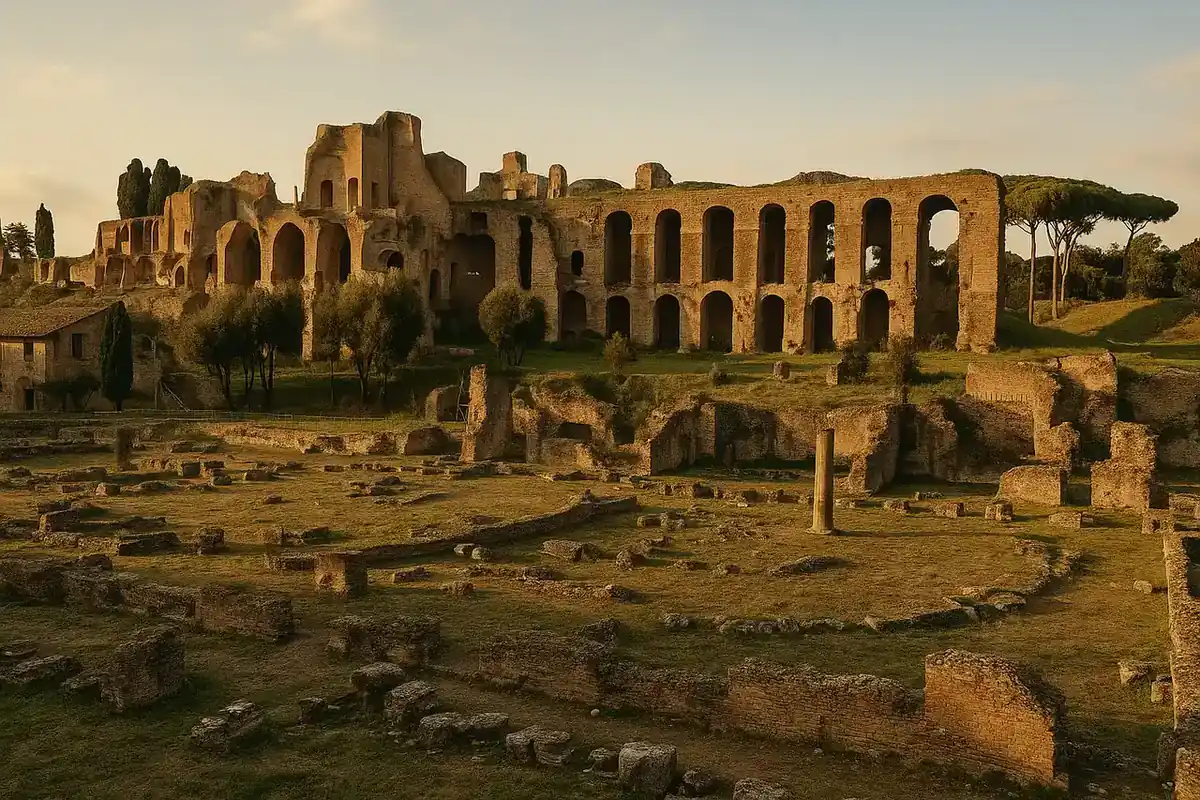
Palatine Hill is where Rome tells two origin stories at once: the mythic city of Romulus and the documented city of emperors. Rising above the Roman Forum on one side and Circus Maximus on the other, this ridge was Rome’s first elite address and eventually its imperial command center.
If the Colosseum is Rome’s spectacle and the Forum is Rome’s civic memory, Palatine is Rome’s private power—gardens, reception halls, palace wings, and terraces where emperors looked down on the city they controlled. For modern travelers, it is one of the most rewarding sections of the combined archaeological area because it balances big history with calm walking routes and superb views.
This guide helps you visit Palatine Hill with a smart sequence, clear expectations, and context that makes the ruins easier to read.
Why Palatine Hill Matters
Palatine Hill was occupied long before marble palaces appeared. Archaeological evidence points to Iron Age settlements, while Roman tradition places the founding of Rome here in 753 BCE. Over time, aristocratic homes replaced huts, then imperial compounds replaced private villas.
By the age of Augustus, the first emperor, Palatine became politically symbolic and strategically practical: central to Rome, adjacent to the Forum, and elevated enough to project authority. Later emperors expanded the complex into a city-within-a-city of audience halls, private apartments, ceremonial courtyards, and service infrastructure.
Even in ruin, Palatine still reads as a seat of concentrated power.
Quick Planning Basics (2026)
- Ticketing: Palatine Hill is included in standard Colosseum Archaeological Park tickets (Colosseum + Forum + Palatine).
- Best strategy: Start early at Colosseum, then move to Forum and finish on Palatine when crowds thin in late morning.
- Time needed: 90 minutes for highlights, 2+ hours if you explore thoroughly.
- Terrain: Uneven paving, gravel, stairs, and open sun exposure.
- What to bring: Water, hat, sunscreen, and supportive shoes.
Because entry policies can shift seasonally, confirm current time slots and access windows on official channels before your visit.
A Fast Historical Arc
1) The legendary beginning
Roman tradition says Romulus founded Rome on Palatine Hill after defeating Remus. Whether myth or memory layered over older settlement history, the story gave Palatine a sacred civic status.
2) Republican prestige
By the late Republic, elite Romans built residences here. The hill became a social and political statement: proximity to power without the noise of the forum floor.
3) Imperial transformation
Augustus anchored imperial legitimacy by living on Palatine, and successors expanded dramatically. The palace complexes associated with Domitian and later emperors created the image of monarchy in stone, with formal spaces for rule and private areas for court life.
4) Late antiquity and decline
As Rome’s political center shifted, the palaces lost function and maintenance. Medieval and early modern reuse altered the landscape, and later excavations revealed the layered remains visible today.
What to See on Palatine Hill
Domus Augustana and imperial sectors
These broad palace remains communicate scale more than architectural detail. Focus on circulation: courtyards, terraces, and long sightlines that organized both ceremony and control.
Stadium of Domitian (Hippodrome)
Likely a palace garden-track rather than a public racecourse, this elongated space is one of the clearest surviving layouts on the hill.
Farnese Gardens (Orti Farnesiani)
Renaissance landscaping overlays imperial remains and offers one of the best examples of Rome’s “layered city” reality—antiquity, Renaissance ambition, and modern archaeology in one frame.
Views over the Forum
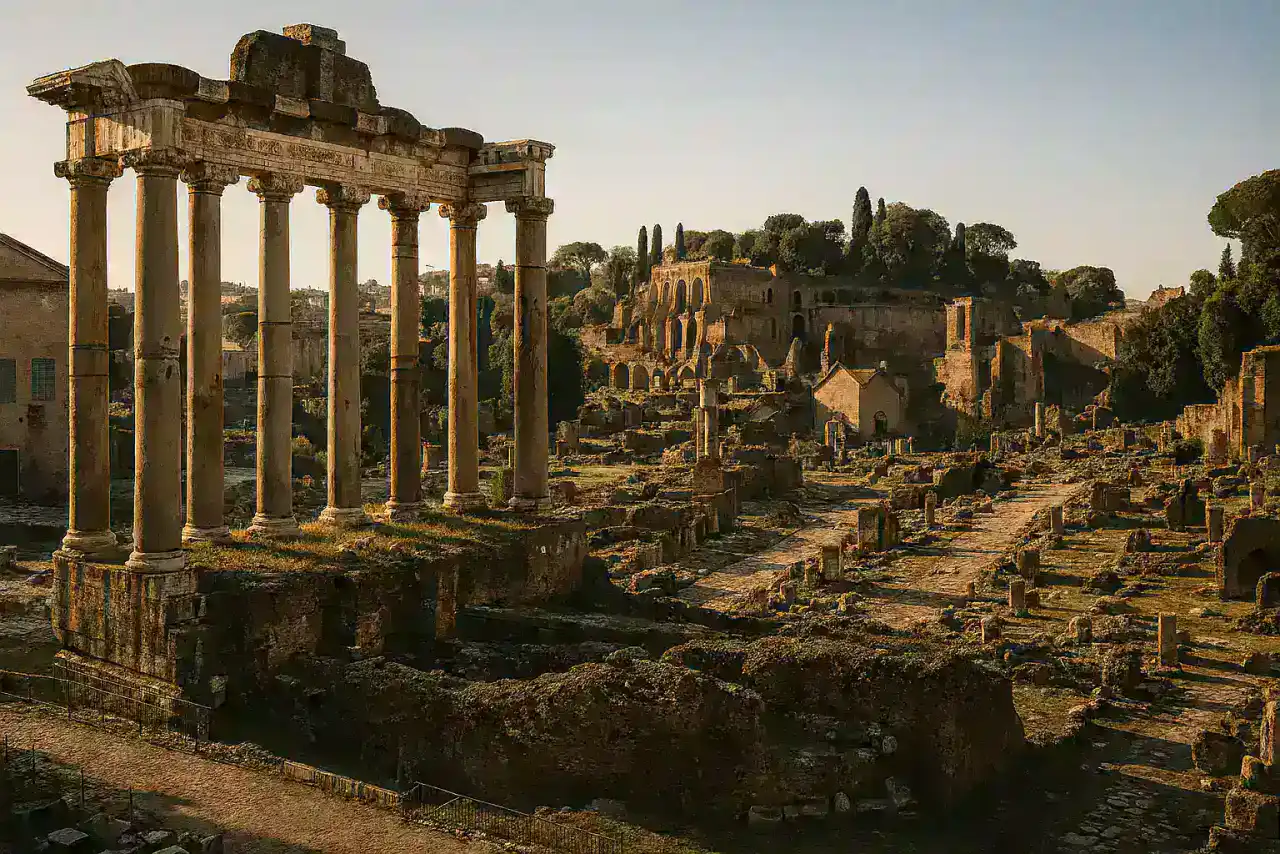
From several Palatine overlooks, the Forum’s temples and basilicas become legible as an urban system. This perspective helps connect what can feel fragmented at ground level.
Circus Maximus outlook
On the southern edge, you get a dramatic top-down view of the ancient racecourse basin—excellent for photos and for understanding urban scale.
Best Route (Efficient, High-Value Loop)
- Enter through the Forum/Palatine side after your Colosseum slot.
- Climb toward major terraces first while energy is high.
- Pause at Forum overlooks to orient major monuments.
- Continue through palace zones and the Stadium area.
- Finish at Circus Maximus viewpoints for wide-angle context.
This order reduces backtracking and keeps the most exposed sections manageable before midday heat peaks.
Practical Tips That Actually Help
- Do not rush from marker to marker. Palatine rewards slow observation and orientation.
- Use shade strategically. There are exposed stretches with limited shelter in warm months.
- Carry offline map screenshots. Signal can be inconsistent around thick masonry and crowds.
- Pair with Roman Forum in one narrative pass. Seeing both together makes each site clearer.
- If short on time, prioritize overlooks + one palace sector. Better to understand less, well.
Photography Notes
- Morning: Cleaner light on Forum-facing viewpoints.
- Late afternoon: Warmer tones and softer contrast over Circus Maximus.
- Compositions: Use walls and arches as foreground frames; include elevation changes to show scale.
Tripods are often restricted in active archaeological zones—check current rules.
Suggested Half-Day Ancient Rome Plan
- 08:45 Colosseum timed entry
- 10:00 Roman Forum core route
- 11:15 Palatine Hill focused walk
- 12:45 Exit toward Capitoline or Monti for lunch
This sequence aligns with crowd patterns and keeps your most open-air walking before peak afternoon heat.
Accessibility + Comfort Reality Check
Palatine Hill has partial accessible routes, but it is not uniformly barrier-free. Surfaces are irregular and gradients vary. Travelers with mobility constraints should:
- confirm accessible entrances in advance,
- allocate extra time for route adjustments,
- prioritize viewpoint clusters with smoother approaches.
Even fully mobile visitors should treat this as a moderate walking site.
Common Mistakes to Avoid
- Assuming Palatine is “just a hill” after the Colosseum
- Visiting at midday without water or sun protection
- Treating palace ruins as random stones without using viewpoints to orient
- Overbooking your day and rushing through the entire archaeological park
Palatine becomes memorable when visited as the political heart of imperial Rome, not as a checkbox between bigger-name attractions.
Quick Facts
| Detail | Info |
|---|---|
| Location | Central ridge above the Roman Forum, Rome |
| Historical span | Iron Age settlement to late antiquity |
| Best-known remains | Imperial palaces and Domitian’s stadium garden |
| Ticketing | Included in the Colosseum-Forum-Palatine archaeological pass |
| Recommended time | 90-120 minutes (longer with Forum pairing) |
| Terrain | Uneven paths, stairs, exposed sections |
| Best viewpoints | Forum terraces and Circus Maximus overlook |
Nearby Ancient Sites to Pair
Palatine Hill is where Rome feels less like isolated monuments and more like an operating ancient metropolis. Visit with context, pace yourself, and the ruins start to read like architecture again.
Quick Facts
| Attribute | Details |
|---|---|
| Location | Rome, Lazio, Italy |
| Country | Italy |
| Region | Lazio |
| Civilization | Roman Empire |
| Historical Period | 8th century BCE - 5th century CE |
| Established | Legendary 753 BCE |
| Coordinates | 41.8890, 12.4860 |
Frequently Asked Questions
Is Palatine Hill included with Colosseum tickets?
Yes, the standard Colosseum ticket includes same-day entry to Palatine Hill and Roman Forum. Enter Forum/Palatine after Colosseum to avoid crowds.
How long to spend on Palatine Hill?
1.5-2 hours for highlights. Add 2 hours for Forum. Early morning best for light and tranquility.
What's the best view from Palatine Hill?
The Orti Farnesiani terrace offers panoramic Forum and Colosseum views. Sunset golden hour magical.
Are there wheelchair accessible paths?
Limited ramps, but steep terrain and stairs predominate. Accessible route covers main palaces.
Can I see the Circus Maximus from Palatine?
Yes, stunning valley view from Domus Augustana. Ancient racetrack now park below.
Nearby Ancient Sites
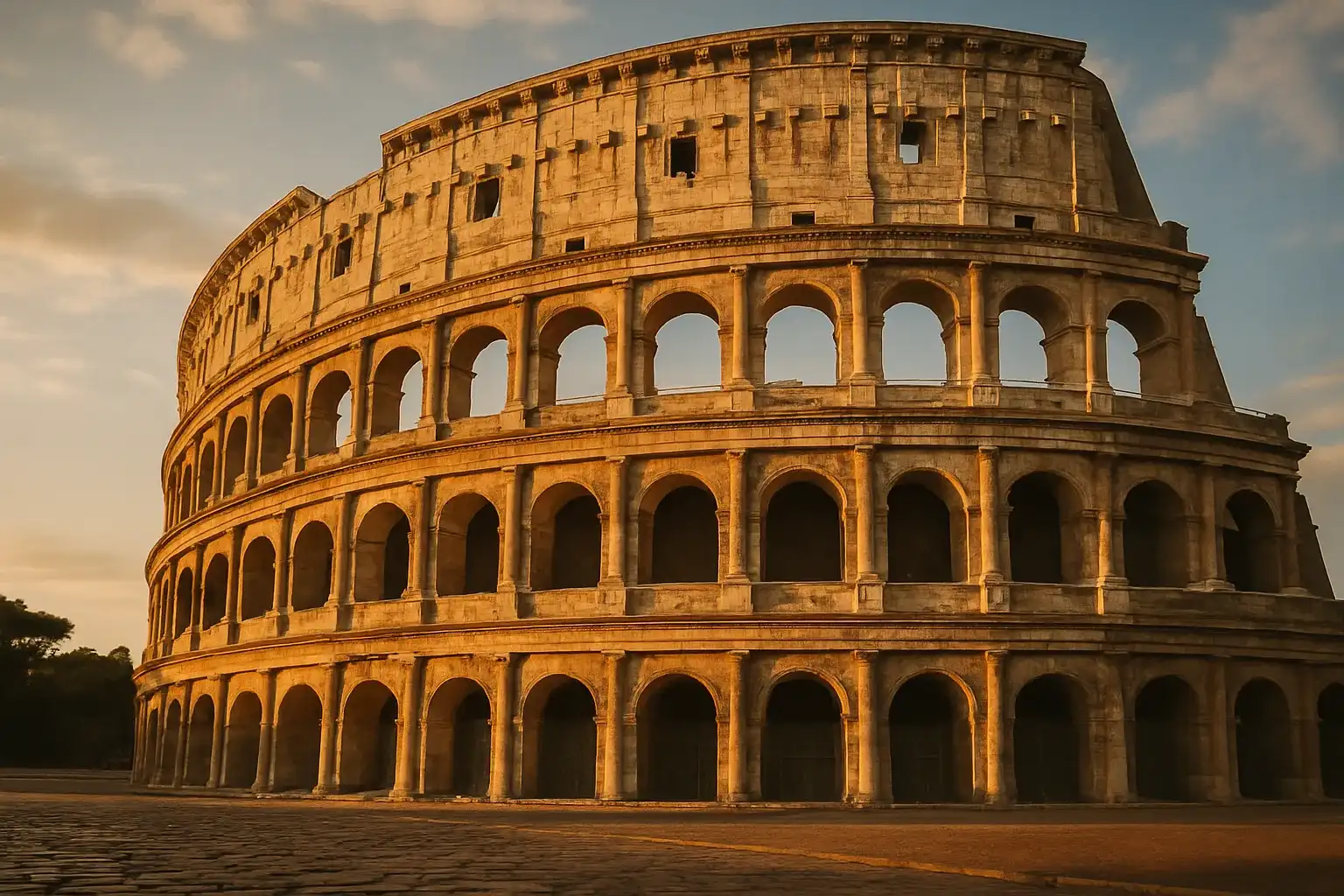
Colosseum Rome: Complete 2026 Guide to Arena Floor, Tickets, and Timing
Roman EmpirePlan the perfect Colosseum visit with timed-entry strategy, Arena Floor and underground access tips,...
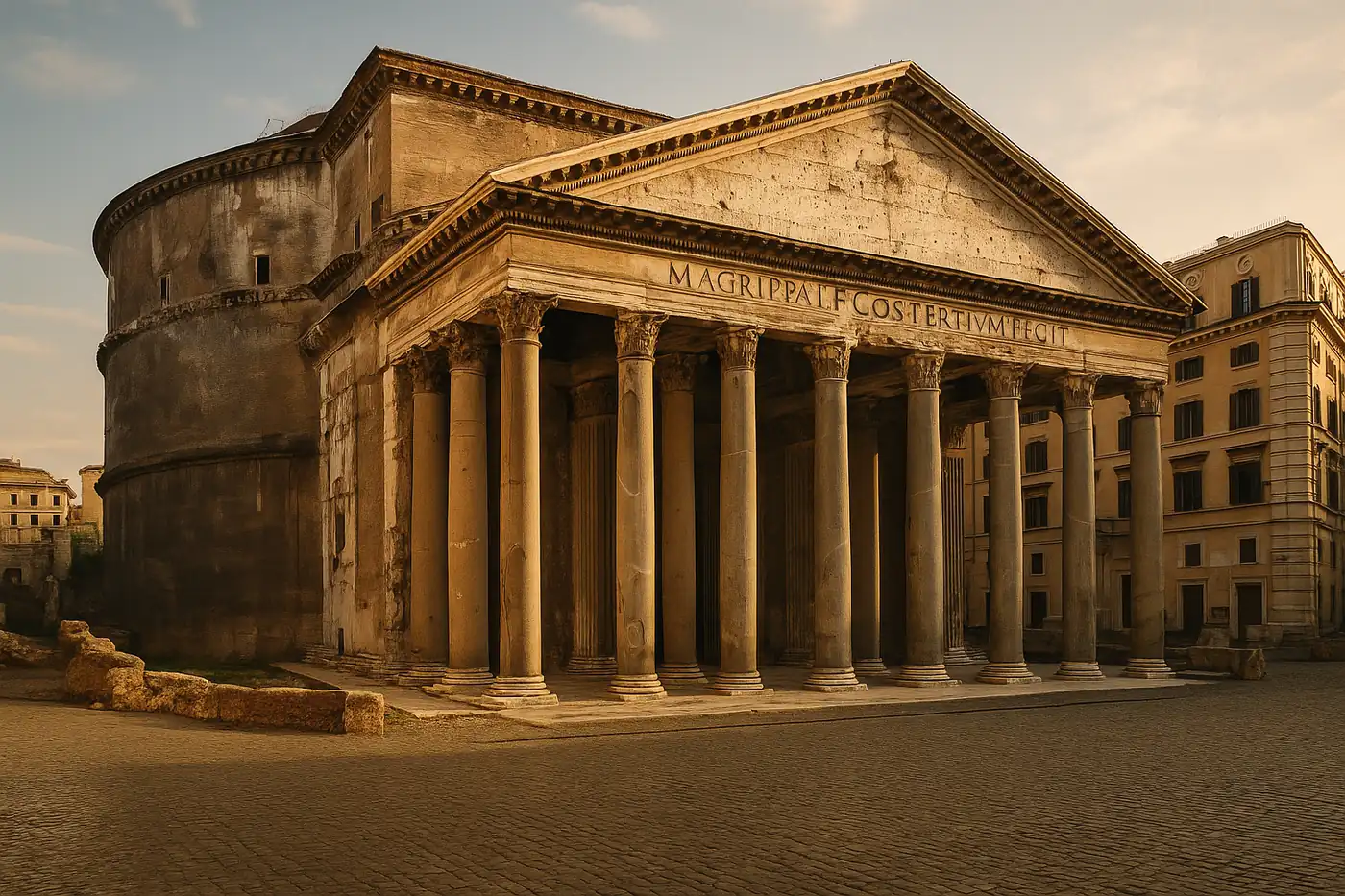
Pantheon Rome: Ultimate Guide to Rome's Best-Preserved Ancient Temple
Roman EmpireMaster your Pantheon visit with history, dome engineering secrets, visiting tips, skip-the-line opti...
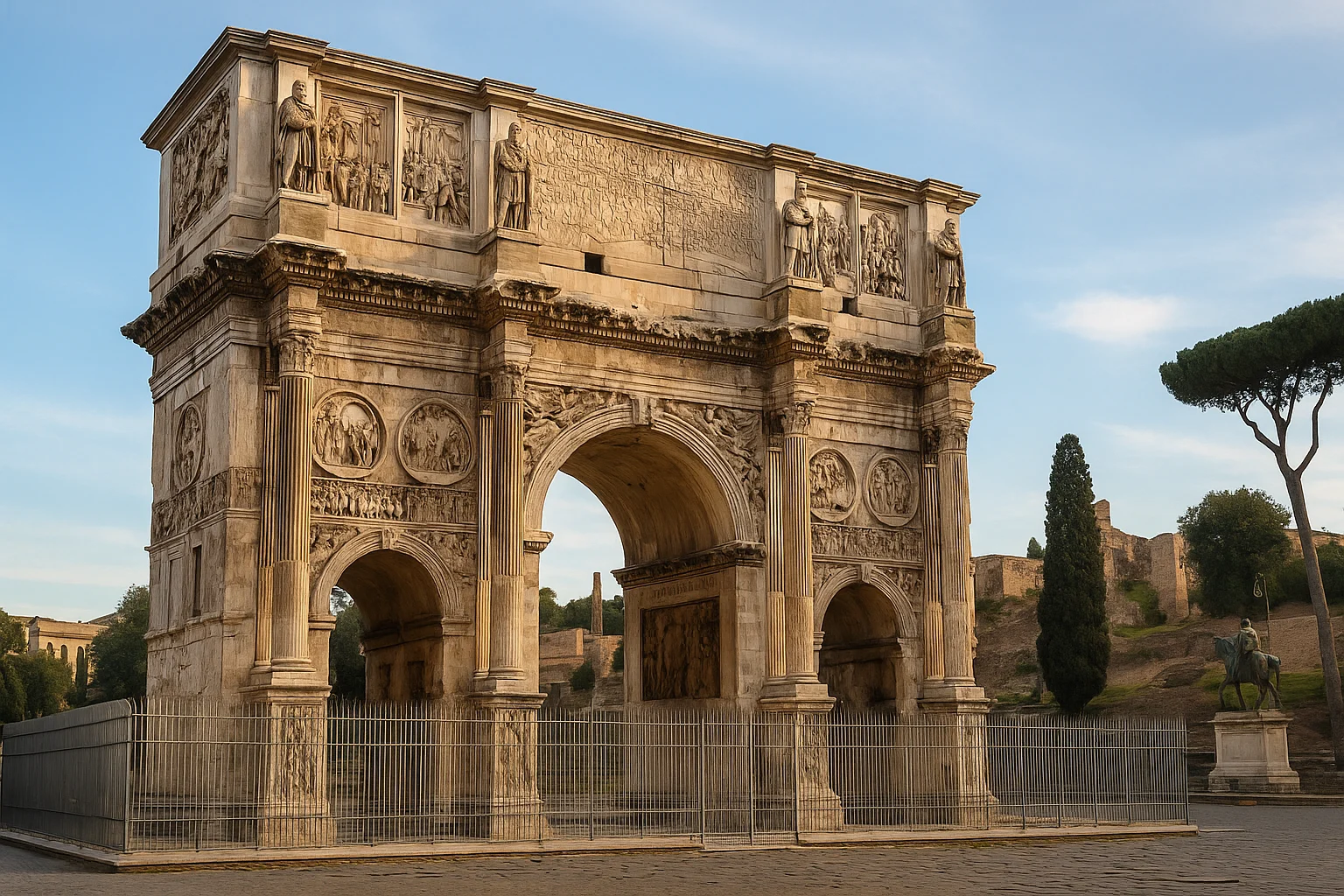
Arch of Constantine Rome: Triumph Over Maxentius Guide
Roman EmpireThe Arch of Constantine commemorates Constantine's 312 CE victory. Spolia details, best photo angles...
Roman Forum Rome: Heart of Ancient Republic Guide
Roman Republic/EmpireNavigate the Roman Forum's temples, basilicas, triumphal arches. Complete layout, highlights, Palati...