Quick Info
Curated Experiences
Route of the Sun: Cusco to Puno with Racchi and Andahuaylillas
Cusco to Puno Day Trip via Racchi and the South Andes
Private Route of the Sun: Cusco, Racchi and Puno
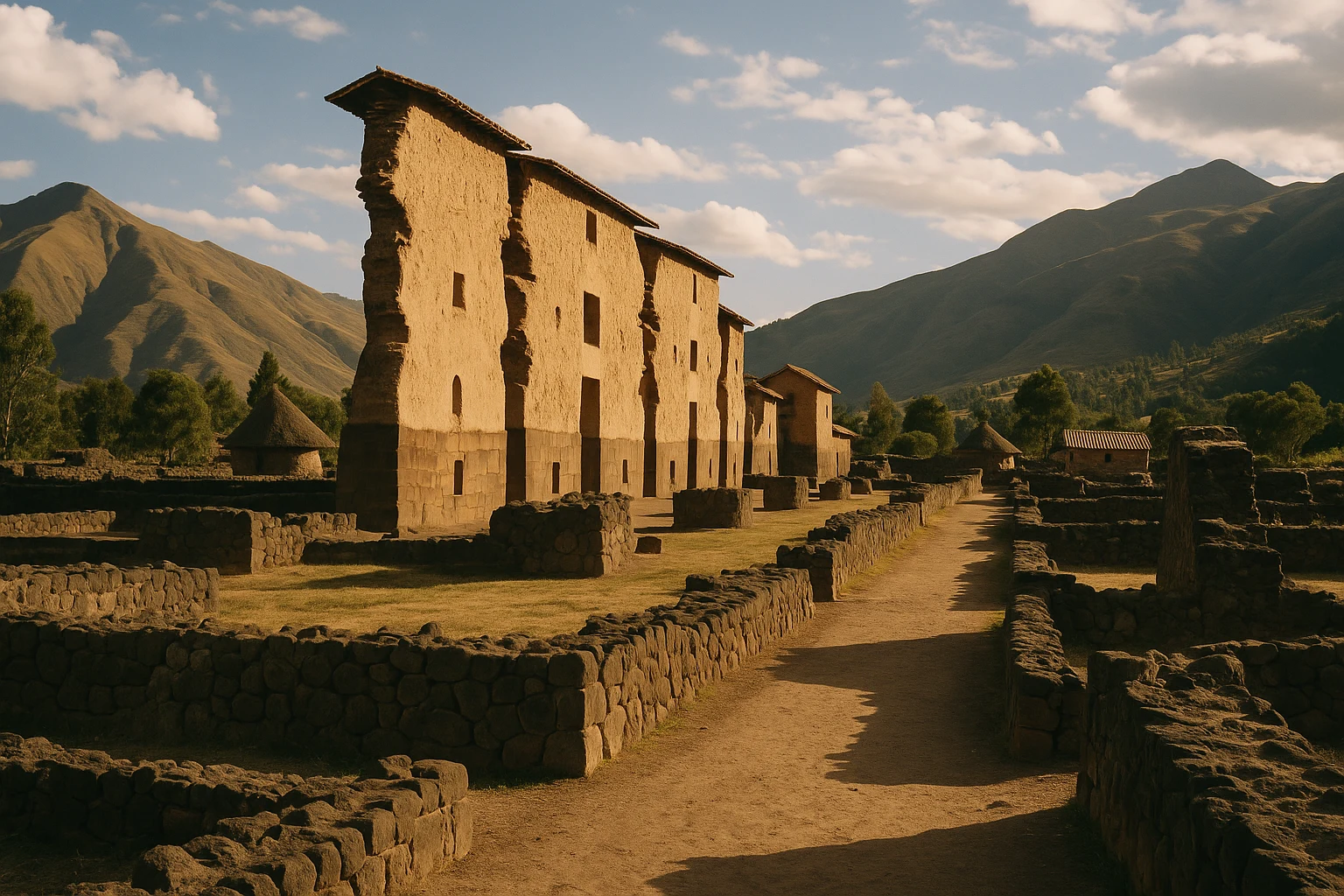
At Racchi, Peru, the first sight is almost theatrical: a long, towering wall of dark volcanic stone and sun-baked adobe rising out of open highland fields as if a roofed cathedral had vanished and only its spine remained. This is the Temple of Wiracocha, the largest known temple structure attributed to the Inca world, and it feels less like a ruin than an unfinished sentence from an empire speaking across centuries. Most travelers pass through Racchi on the road between Cusco and Puno, stop for photos, and keep moving. That is understandable, but it misses the deeper story. Racchi is where you can watch imperial ritual, logistics, and sacred geography converge in one compact landscape.
Ancient Travels recommends Racchi as more than a quick roadside stop because it reveals a side of Inca statecraft that citadels and terraces sometimes hide. Here, you are not looking at defensive architecture on a cliff or royal estates in a valley; you are walking a ceremonial node on the Qhapaq Nan, the great Andean road system that connected political power, pilgrimage, and redistribution. This guide covers the site’s historical background, the key monuments worth your time, transport options from Cusco and Sicuani, practical ticket and timing advice, seasonal planning, and how to combine Racchi into a rewarding day on the southern corridor.
History: Sacred Power on the Imperial Road
Highland communities before imperial Racchi (before c. 1400 CE)
Long before the Inca developed a formal ceremonial center at Racchi, the region around today’s San Pedro district was already inhabited by agro-pastoral communities adapted to high-altitude cycles of cold nights, intense sun, and seasonal rainfall. Archaeological evidence from the broader Cusco highlands points to long-standing settlement networks linked by exchange routes, llama caravans, and localized shrine traditions. These early communities did not leave a single monumental complex on the scale of later imperial architecture, but they established the practical foundations that made large construction possible: road corridors, terraced agriculture, and social systems for coordinated labor. When the Inca expanded into this zone, they did not build in an empty landscape; they built into an already meaningful one.
Inca expansion and foundation of the temple complex (c. 15th century CE)
During the rise of the Inca Empire in the 15th century, Racchi became an important ceremonial-administrative station on the route southeast from Cusco toward the Collao plateau and Lake Titicaca basin. According to colonial chronicles, the site was dedicated to Wiracocha, a creator deity associated with cosmic order and civilizational origins. Whether every later story can be read literally is debated, but architecture confirms high ritual significance. The central temple’s scale is exceptional: a vast rectangular plan divided by a soaring central wall with finely worked stone at the base and adobe upper courses. This hybrid construction displays both technical confidence and symbolic intent, marking Racchi as a place designed for collective ceremonies, state presence, and controlled movement.
Imperial logistics and ritual movement on the Qhapaq Nan (late 15th-early 16th century)
Racchi did not function as an isolated shrine. Its surrounding compounds, perimeter walls, and numerous circular qolqa storehouses indicate integration into a wider network of provisioning and administration. Caravans, messengers, officials, and ritual specialists likely passed through this corridor, moving goods and information between ecological zones. Inca power depended as much on predictable logistics as on military force, and sites like Racchi made that power visible and practical. The ceremonial core communicated legitimacy, while nearby storage and housing structures supported circulation at scale. In this sense Racchi represents a classic imperial formula: sacred architecture at the center, managerial infrastructure around it, and a road system tying both to distant provinces.
Colonial disruption and transformation (16th-19th centuries)
After Spanish conquest in the 16th century, imperial institutions that sustained Racchi were dismantled or redirected. Regional populations were reorganized through colonial taxation, Christianization campaigns, and settlement restructuring, and many Inca ceremonial practices were suppressed, transformed, or absorbed into local hybrid traditions. Without state maintenance, Racchi’s roofs and upper structures deteriorated, though core walls endured because of substantial masonry foundations and the dry highland climate. Like many Andean sites, Racchi entered a long phase in which local memory persisted even when formal elite patronage disappeared. The monumental skeleton remained visible in the landscape, carrying stories that shifted across generations.
Archaeology, conservation, and living heritage (20th century to present)
Systematic archaeological investigation in the 20th century clarified Racchi’s chronology, construction techniques, and relationship to imperial roads and regional production zones. Conservation work focused on stabilizing adobe sections, managing water runoff, and improving visitor circulation to reduce erosion. At the same time, nearby Quechua communities continued to inhabit and work the broader landscape, creating a living context rather than a museum vacuum. Today’s visit to Racchi therefore sits at the intersection of research and community life: you encounter an excavated ceremonial center while also passing artisan markets, agricultural plots, and local traditions that reflect continuity as well as change. That layered reality is part of what makes the site compelling.
The Key Monuments: What to See at Racchi
The Temple of Wiracocha
The defining monument at Racchi is the Temple of Wiracocha, and even partial ruin cannot hide its original ambition. The central wall, built from finely coursed andesite at the base and adobe above, once supported a massive pitched roof that covered two long nave-like spaces on either side. Scholars estimate the structure may have reached around 14 meters in height at its peak, making it one of the tallest roofed buildings in the imperial Andes. Rows of column bases mark where interior supports carried the roof span. As you walk along the length of the wall, look for the transition in materials and the precision of lower masonry; that contrast tells the engineering story. For photography, stand off-axis in late afternoon to capture depth and scale instead of a flat frontal shot.
The great enclosure and perimeter walls
Beyond the temple core, Racchi includes a broad enclosure articulated by long walls and controlled entry points that organize how people moved through ceremonial and administrative space. This is where the site’s choreography becomes clear: arrivals were funneled, visibility was managed, and the monumental axis remained dominant. The surviving walls are lower than the temple spine, but their alignment frames the complex in ways that still feel intentional and formal. Rather than imagining a single isolated sanctuary, read this area as an event landscape where gatherings could be staged and authority performed. Morning light is especially good here because it reveals wall textures without the hard contrast of noon.
Circular qolqa storehouses
One of Racchi’s most distinctive features is its field of circular qolqa (storehouses), typically built in ring form with ventilated design suited to preserving maize, dried potatoes, textiles, and other supplies in a highland climate. These structures demonstrate that Racchi was not only about ritual symbolism; it was also about provisioning movement along the imperial road. Their repeated geometry creates a visual rhythm unlike the rectangular compounds common at many Inca sites. Spend time walking between them rather than just viewing from a distance. You will notice subtle differences in diameter, wall thickness, and siting that suggest practical adaptation over strict uniformity.
Residential and kallanka-style sectors
Adjacent architectural sectors at Racchi likely included lodging and work areas for officials, attendants, labor teams, or travelers tied to state business and ceremonial cycles. Some scholars identify large hall-like spaces as kallanka-type buildings, multipurpose structures used for gatherings, housing, and administrative functions across the empire. Even when walls survive only in part, spatial relationships hint at planned hierarchy: open zones near ceremonial axes, more compartmentalized areas toward service sectors. This is where a slower pace pays off. Pause at thresholds and imagine the social layers that moved through them — priests, storekeepers, messengers, pilgrims, and local communities negotiating imperial presence.
The broader landscape and volcanic horizon
Racchi’s setting is not background decoration; it is part of the monument. The site sits in a broad Andean basin where mountain silhouettes, cultivated fields, and shifting cloud light create a sense of exposure and scale that reinforces ceremonial drama. The nearby volcanic profile often associated with local narratives around Wiracocha gives geographic context to the temple’s ideological role. In clear weather, panoramic views help you understand why this corridor mattered for both communication and symbolism. Finish your circuit by stepping back for a full-site perspective. The relationship between temple wall, storehouse field, and open valley is the key composition that makes Racchi unique.
Getting There: Transportation and Access
Racchi is easiest to reach on the Cusco-to-Puno corridor, and your transport choice depends on whether you want a quick stop or deeper time on site.
From Cusco
The overland route follows paved highways southeast through Andean highlands, with travel times shaped by traffic leaving the city and weather at higher elevations.
- Private driver/taxi: Usually 2.5-3.5 hours one way; expect roughly S/420-620 round trip ($114-168 USD) depending on wait time and season.
- Guided Route of the Sun tour/transfer: Common option with bundled transport, guide, and lunch; fares vary widely by service level.
- Intercity bus toward Sicuani + local taxi: Budget-friendly but slower; bus tickets often around S/20-40 ($5-11 USD), then local transfer to the archaeological entrance.
From Sicuani
Sicuani is the nearest practical hub for independent travelers who prefer shorter same-day transfers.
- Taxi/colectivo transfer: Around 35-50 minutes depending on pickup point and road conditions; approximately S/35-70 ($9-19 USD) each way.
- Local bus segments: Inexpensive but less predictable for return timing, especially late afternoon.
- Rental car: Straightforward in daylight; fuel up in town and keep offline maps since signal can fluctuate in rural stretches.
Admission and Hours
Racchi is usually accessed through the Boleto Turistico del Cusco (often southern circuit coverage), with prices updated periodically by local authorities and category. As a practical benchmark, expect combined ticket costs in the rough range of S/70-130 ($19-35 USD) depending on circuit type and traveler status. Opening hours are typically around 8:00 AM to 5:00 PM, though holiday schedules can shift. Carry cash in soles as backup even when card payment appears possible. The best visit window is early morning for cooler temperatures or late afternoon for warmer wall tones and fewer large convoy groups.
Practical Information
What to bring
- Sun protection: UV is intense at altitude; bring hat, sunscreen, and sunglasses because shade is limited.
- Water: At least 1 liter per person for a standard circuit, more in dry-season midday conditions.
- Footwear: Closed shoes with grip for uneven stone, dust, and occasional slick patches in rainy months.
- Layers: Mornings can be cold, afternoons warm; a light windproof shell helps year-round.
- Small cash: Useful for local transport, tickets, and nearby artisan purchases.
Dress code and etiquette
Racchi is an archaeological site in an actively inhabited rural zone, not an isolated monument park. Dress respectfully, especially if you continue into nearby communities or churches on a Route of the Sun itinerary. Ask before photographing local people or market stalls, and avoid climbing restricted walls for photos. Staying on marked paths protects fragile adobe and supports ongoing conservation.
Accessibility
The site is moderately challenging for visitors with limited mobility. Paths are mostly open and not extremely steep, but surfaces are uneven and can be dusty or muddy depending on season. Wheelchair access is partial at best, and assistance is often needed for longer circuits. If accessibility is a priority, consider private transport and ask in advance about the most manageable entry route.
When to Visit: Seasonal Considerations
Spring (September-November)
Spring is one of Racchi’s most balanced seasons, with daytime temperatures often around 14-21°C (57-70°F) and generally manageable crowd levels outside holiday peaks. Fields around the site begin to green, and morning light can be excellent for textured shots of the temple wall. Occasional showers return late in the season, so pack a light shell. For many travelers, October and early November offer a strong mix of comfort and visual richness.
Summer (December-February)
Summer is rainy season in the southern Andes. Typical daytime temperatures at Racchi hover near 15-22°C (59-72°F), but rain can arrive quickly and turn paths slick. Crowd levels are moderate because some travelers avoid wet-season road itineraries, though transfer buses still pass through. Visit as early as possible, protect cameras, and wear shoes with grip. Cloud breaks can create dramatic light, but flexibility matters.
Autumn (March-May)
Autumn is often the ideal period for Racchi. Post-rain landscapes stay green while precipitation generally drops, with temperatures commonly around 13-21°C (55-70°F). Visibility improves, roads are usually more reliable, and site surfaces are easier to walk than in peak wet months. Crowd density is low to moderate, especially midweek. If you want a calm visit with strong photography conditions, April and May are hard to beat.
Winter (June-August)
Winter brings the driest weather and crispest skies, with daytime temperatures around 12-20°C (54-68°F) and cold mornings that can fall close to 0-3°C (32-37°F). This is high season for Cusco-region tourism, so expect more organized overland groups at popular hours. The upside is predictability: clear skies, good road conditions, and excellent long-distance views. Start early, layer clothing, and aim to be on site before the largest buses arrive.
Combining Racchi with Cusco and the Southern Corridor
Racchi works best when treated as the narrative center of a full overland day rather than a rushed photo break. If you begin in Cusco, the most rewarding sequence starts by leaving around 6:30 AM, reaching Andahuaylillas for a short church visit by 8:00 AM, then continuing toward the high pass viewpoints before descending to Racchi around 11:00 AM. That timing avoids the busiest lunch-hour overlap and gives enough space to walk the Temple of Wiracocha, storehouses, and perimeter sectors with context instead of haste. Plan a relaxed on-route meal after the site, then continue toward Sicuani or onward to Puno depending on your itinerary.
If you are Cusco-based and returning the same day, invert the rhythm: arrive at Racchi by 9:00 AM, spend up to two hours on site, and continue to Pikillacta or nearby cultural stops on the way back north. This creates a useful historical arc from imperial ceremonial architecture to other administrative landscapes in the greater region. With private transport, you can insert short roadside breaks for photography without compromising the core visit.
Travelers moving one-way between Cusco and Puno should choose tours that explicitly mention guided interpretation at Racchi, not just a brief “toilet and photos” stop. A quality transfer usually turns the day into a layered timeline — colonial art at Andahuaylillas, Inca ritual power at Racchi, and high-altitude geography at La Raya. Total elapsed time is typically 10 to 11 hours, but the archaeological value is high when pacing is handled well. Bring snacks, water, and warm layers in your daypack so you are comfortable during altitude swings.
Why Racchi Matters
Racchi matters because it reveals empire in a form you can feel physically: not only in polished masonry, but in movement, storage, ceremony, and road logic. The Temple of Wiracocha is dramatic, yes, but the surrounding storehouses and enclosures complete the argument. Together they show how the Inca fused belief and administration into one landscape where people, goods, and stories moved under a shared symbolic order.
For modern travelers, that makes Racchi unusually clarifying. You stand before a wall that once held a vast roof and hear wind crossing open fields where caravans once passed, and suddenly imperial history stops being abstract. It becomes spatial, practical, human. Sites like Machu Picchu can astonish; Racchi explains. Visit with patience and you leave with a deeper map of the Andes — one where sacred architecture and everyday logistics were never separate worlds, but two sides of the same civilizational craft.
Quick Facts
| Attribute | Details |
|---|---|
| Location | San Pedro district, Canchis Province, Cusco Region, Peru |
| Ancient Name | Raqchi/Racchi (Inca ceremonial-administrative center) |
| UNESCO Status | Not independently inscribed; associated with the Qhapaq Nan cultural corridor |
| Established | c. 15th century CE Inca ceremonial complex |
| Distance from nearest hub | ~38 km from Sicuani (about 35-50 minutes by road) |
| Entry Fee | Usually via Boleto Turistico, roughly S/70-130 ($19-35 USD) depending on circuit |
| Hours | Typically daily around 8:00 AM-5:00 PM |
| Best Time | April-May and September-October; early morning or late afternoon |
| Suggested Stay | 1.5-2.5 hours on site |
Explore More Peru
- Pikillacta: Wari urban planning and orthogonal compounds in Cusco’s South Valley.
- Pisac: Ridge-top terraces, ceremonial sectors, and one of the Sacred Valley’s most dramatic panoramas.
- Ollantaytambo: Monumental Inca fortress-town with living streets and massive temple terraces.
Plan your complete Peru archaeological route with our Peru Ancient Sites Guide. For practical planning, read How to Acclimatize for Andes Archaeology Trips.
Frequently Asked Questions
How much time should I plan at Racchi?
Most travelers need 1.5 to 2 hours to see the Temple of Wiracocha, circular qolqa storehouses, and perimeter walls at a comfortable pace. If you enjoy architecture or photography, plan closer to 2.5 hours. Group transfer tours often allow only 45-70 minutes, so check timings before booking.
Is Racchi included in the Cusco tourist ticket?
Racchi is generally included in the Boleto Turistico del Cusco (Circuito Sur), though categories and prices can change. If you are also visiting Pikillacta and other sites, the ticket is usually better value than paying separate entries. Carry your passport and keep the ticket dry; inspectors can request it at multiple points.
What is the best time of day to visit Racchi?
Morning and late afternoon are best for softer light on the temple walls and cooler walking temperatures. Midday sun at this altitude feels intense and shade is limited across the open complex. If you are traveling from Cusco to Puno, aim for a tour that reaches Racchi before noon or after 3:00 PM.
How do I get to Racchi from Cusco without a tour?
You can hire a private driver for a round trip or take an intercity bus toward Sicuani and continue by local taxi to the site entrance. The drive from Cusco is usually around 2.5 to 3.5 hours depending on traffic and weather. Self-driving is possible, but mountain roads and altitude demand caution and daylight travel.
What makes Racchi different from Sacred Valley Inca sites?
Racchi is centered on the monumental Temple of Wiracocha, one of the most distinctive surviving Inca ceremonial structures because of its towering central wall and mixed stone-adobe construction. The broad compound layout and ring-shaped storehouses feel very different from fortress-like ridge sites such as Pisac or Ollantaytambo. It reads as a ritual and administrative stop on imperial roads rather than a defensive citadel.
Is Racchi safe for independent visitors?
Yes, Racchi is generally safe and commonly visited by independent travelers, school groups, and overland tours. Standard precautions apply: protect against high-altitude sun, keep valuables secure, and watch your footing on uneven surfaces. Respect local communities near the site and ask permission before photographing people or artisan stalls.
Nearby Ancient Sites
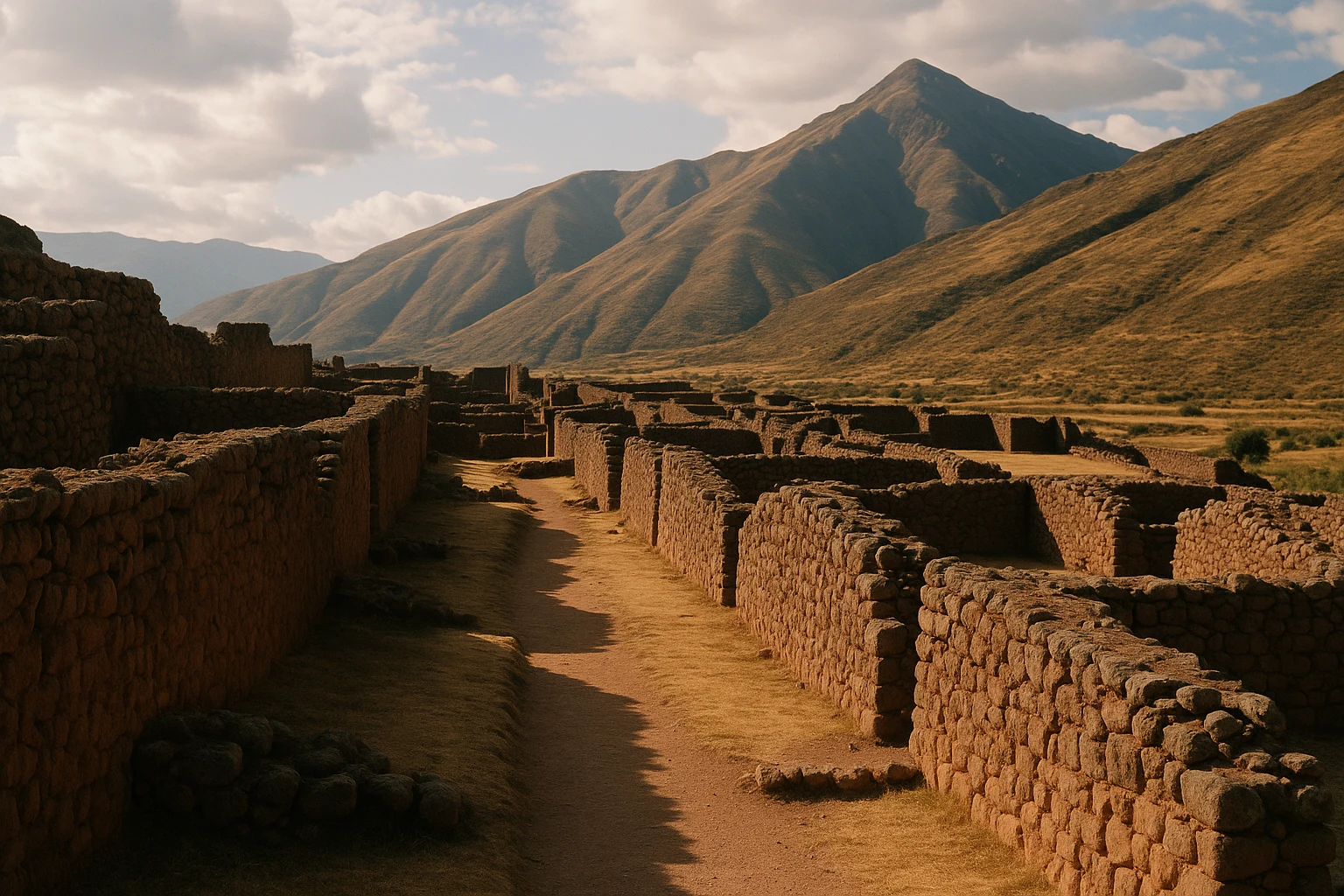
Pikillacta Peru Guide 2026: Wari Grid City & Andean Imperial Roads
Wari-Inca-Spanish colonialVisit Pikillacta in Peru's South Valley: Wari urban planning, major ruins, ticket logistics, transpo...
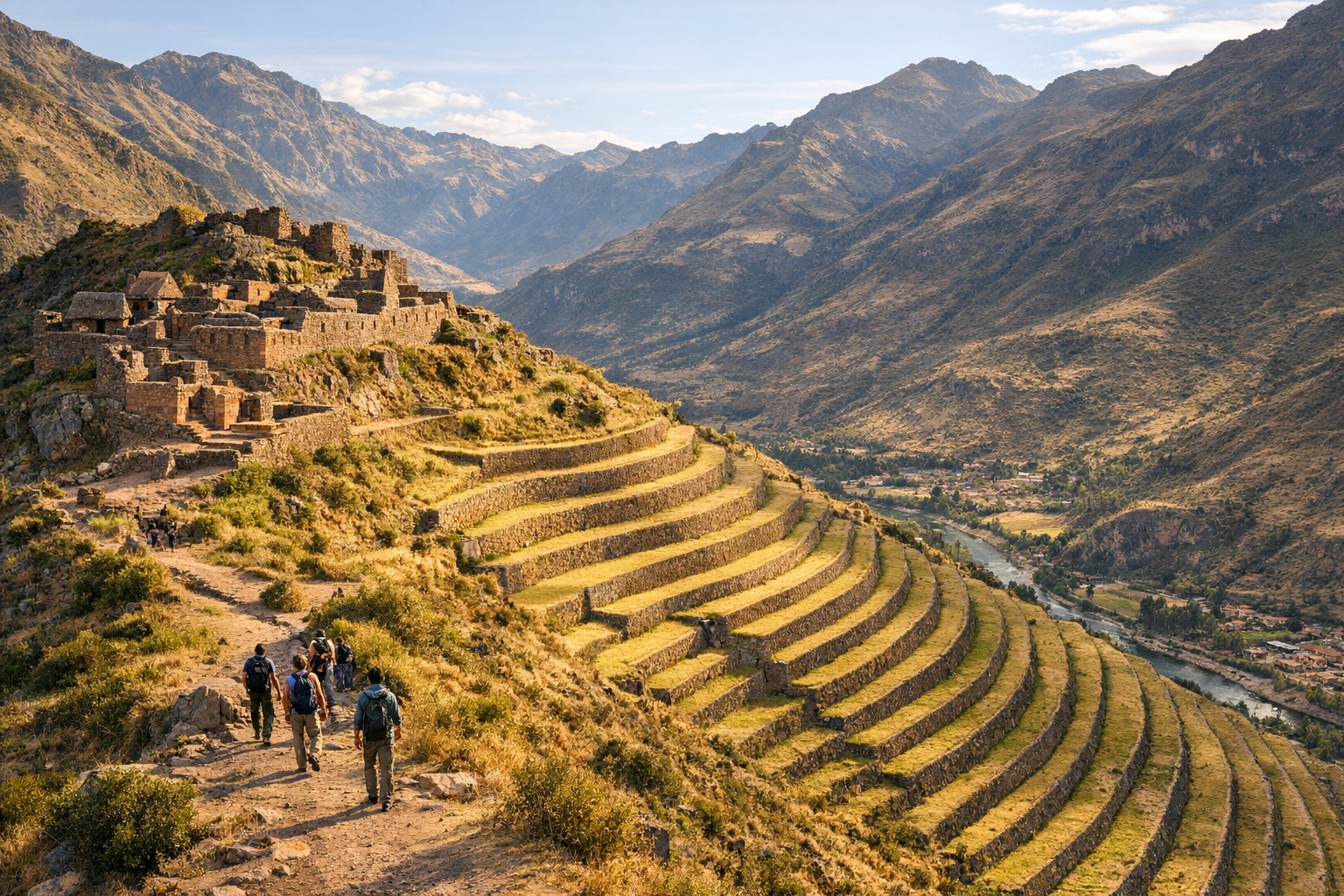
Pisac Peru Guide 2026: Inca Citadel, Market & Sacred Valley
IncaExplore Pisac in Peru's Sacred Valley: hike the Inca citadel terraces above town, visit the famous a...
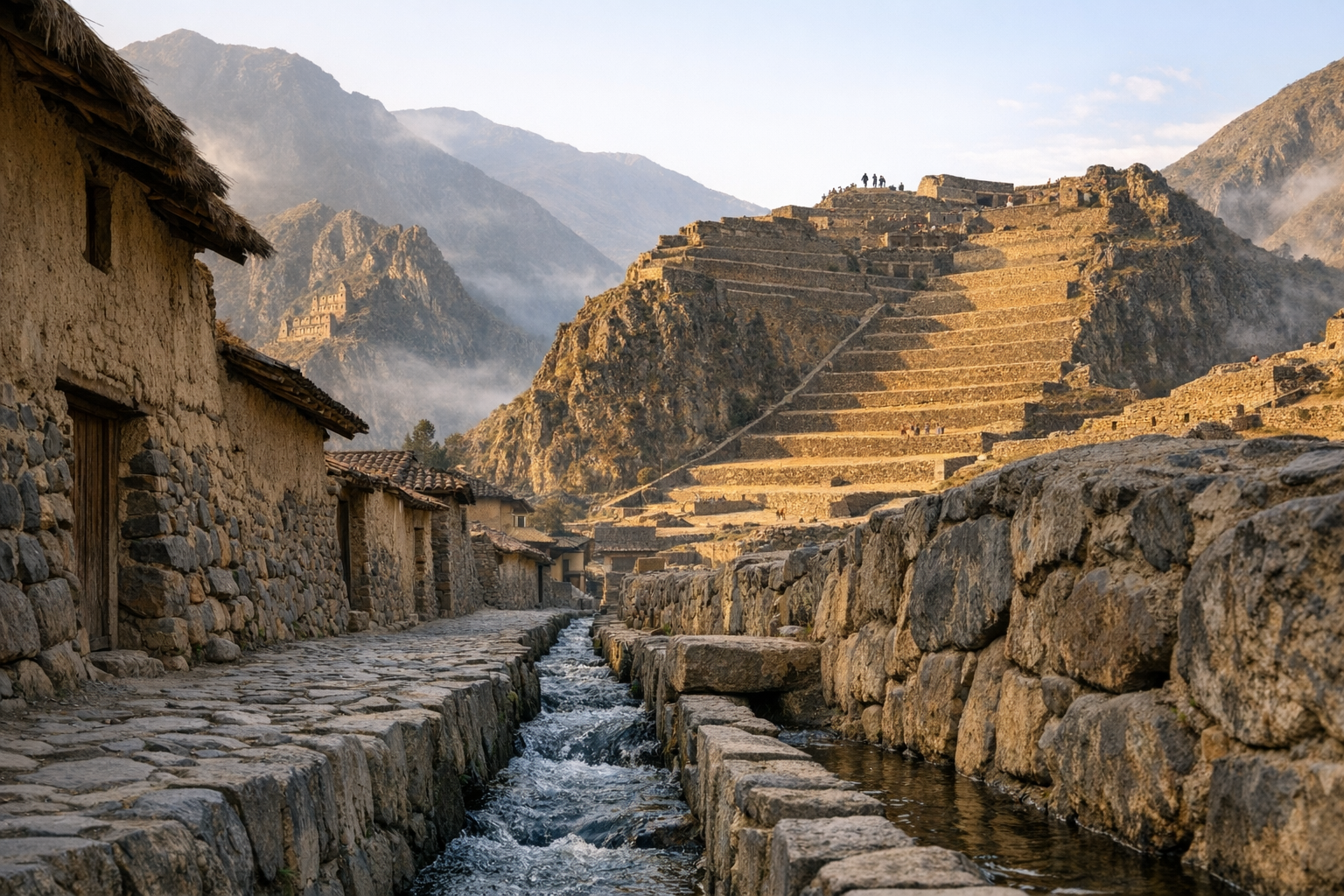
Ollantaytambo Peru Guide 2026: Inca Fortress & Sacred Valley Town
IncaVisit Ollantaytambo in Peru's Sacred Valley: explore the Inca fortress terraces, the Sun Temple, and...