Quick Info
Curated Experiences
Bath City Walking Tour with Roman Baths Entry
Stonehenge and Bath Day Trip from London
Private Bath Historical Highlights Tour
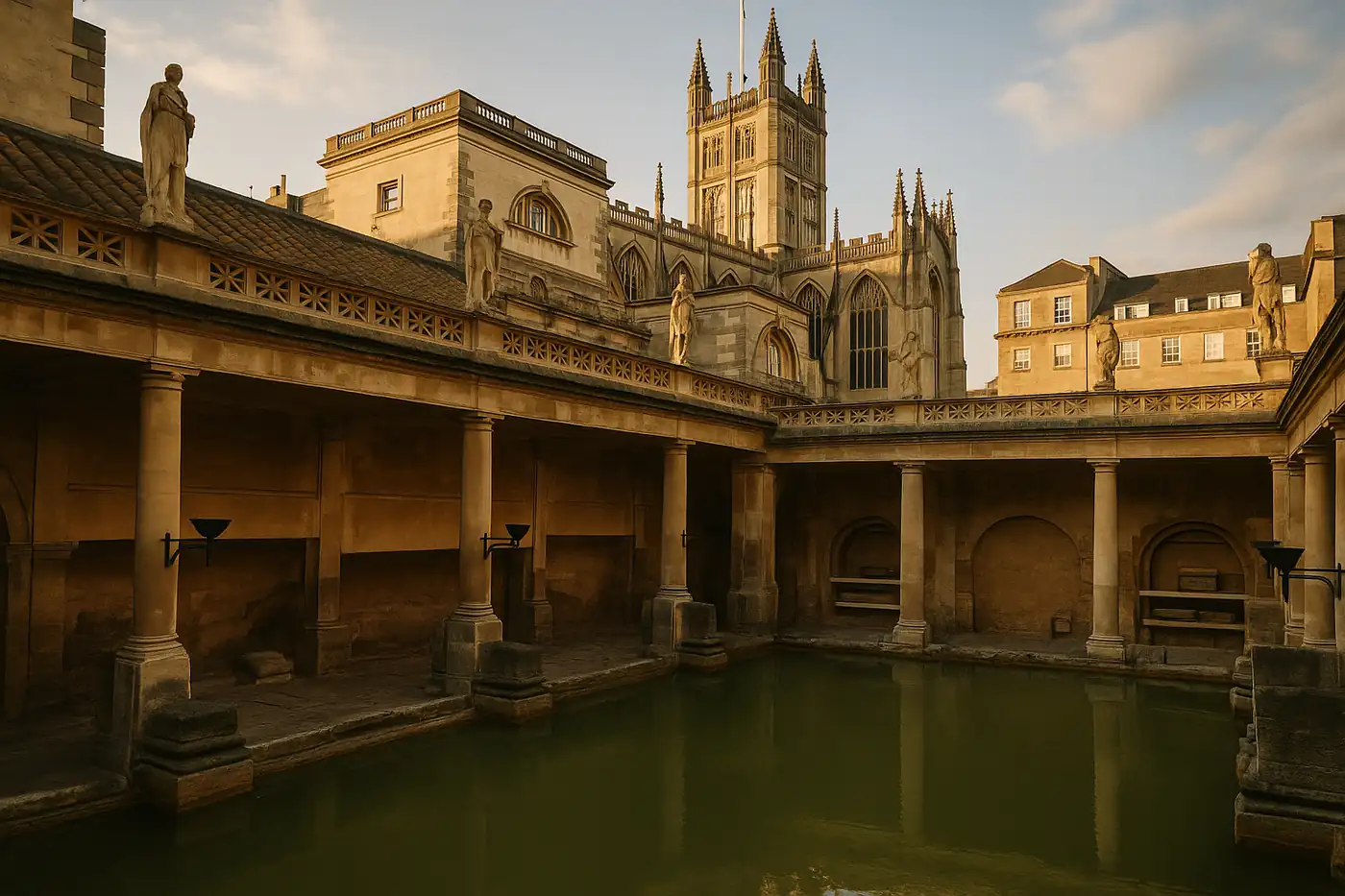
The Roman Baths in Bath rank among the best-preserved Roman religious and bathing complexes anywhere in northern Europe. This is not a site where you squint at foundation lines and try to imagine what stood here. The Great Bath still holds naturally heated water. The temple precinct still frames its sacred spring. The museum collection still speaks in first-person Latin inscriptions carved by soldiers, administrators, and pilgrims who traveled to this frontier province and found something worth recording.
For travelers building a UK itinerary around historical depth rather than greatest-hits tourism, Bath delivers a rare combination: a Roman site that functions as a complete narrative, set inside a Georgian city that itself became famous for bathing culture. The layers reinforce each other instead of competing.
Why the Roman Baths Matter
Most Roman sites in Britain survive as outlines. Hadrian’s Wall is monumental but largely structural. London’s Roman fragments are scattered beneath a modern city. Bath is different because the thermal spring created conditions for exceptional preservation, and because the site was rediscovered and excavated with enough care to keep its story intact.
What you walk through here is a system, not a single monument. Sacred spring, temple courtyard, bathing suites, drainage engineering, and a substantial collection of dedicatory objects all survive in relationship to each other. That makes Bath one of the few places in Britain where you can understand Roman public life as an integrated experience rather than assembling it from isolated fragments.
The site also carries unusual emotional texture. Curse tablets recovered from the sacred spring preserve complaints, grudges, and pleas addressed directly to the goddess Sulis Minerva. These are not official inscriptions - they are personal documents, and they make the site feel inhabited in a way that pure architecture cannot.
Historical Context
Roman Foundations
The hot springs at Bath were likely sacred to local Celtic populations before Rome arrived. Roman engineers recognized both the religious significance and the engineering potential. By the late first century CE, they had constructed a temple to Sulis Minerva - a hybrid deity blending the local spring goddess with Roman Minerva - and built an elaborate bathing complex fed by the naturally heated water.
The site grew through the second and third centuries into one of the most important religious and social centers in Roman Britain. Pilgrims came from across the province and beyond. The scale of offerings recovered from the spring suggests this was not a local shrine but a destination of regional and possibly empire-wide reputation.
Decline and Rediscovery
As Roman administrative control weakened in the fifth century, the bathing complex fell into disuse. Medieval Bath grew over and around the ruins. The site was partially rediscovered in the eighteenth century during construction work, but systematic excavation did not begin until the late nineteenth century. Major phases of archaeological work continued through the twentieth century, and the museum collection has been significantly expanded and reinterpreted in recent decades.
The Georgian city that grew up around the springs drew directly on the Roman precedent - Bath’s identity as a spa town is a conscious echo of its ancient function, which gives the streetscape an unusual continuity of purpose spanning nearly two thousand years.
What to Prioritize Onsite
The Great Bath
This is the visual and emotional center of the complex. The open-air pool still holds green, mineral-rich water fed by the thermal spring. Spend time here before moving through the rest of the site - it establishes the scale and atmosphere that makes everything else legible.
The Sacred Spring
The spring output is visible through a dedicated viewing area. This is where the connection between engineering and religion becomes clearest. The Romans did not simply exploit the hot water - they framed it as a divine phenomenon and built their entire complex around that interpretation.
Temple Precinct and Pediment
The reconstructed temple pediment, featuring a striking Gorgon-like male face surrounded by classical motifs, is one of the most important pieces of Romano-British sculpture. It captures the cultural blending that defined this site - neither purely Roman nor purely Celtic, but something specific to this province.
Museum Galleries
Do not rush through the museum. The curse tablets alone justify extended time. Everyday objects - hairpins, coins, gemstones lost in the bath drains - build a portrait of the people who used this place. The inscriptions and sculptural fragments reward slow reading, especially if you have visited other Roman sites and can compare dedicatory practices.
Practical Visit Strategy
Timing and Tickets
Book timed entry tickets in advance. This is not optional during peak season and strongly recommended year-round. Early morning slots on weekdays offer the best ratio of space to crowd. Late morning through mid-afternoon is consistently the busiest window.
Summer evenings, when the site sometimes offers torchlit visits, provide a dramatically different atmosphere but sell out quickly. Check the seasonal schedule before your trip.
Best Seasons
Spring and autumn deliver the most comfortable visit conditions. Summer brings heavy tourist traffic through central Bath. Winter is viable - the thermal water steams visibly in cold air, which adds a striking visual element - but daylight hours are short.
Getting There
Bath Spa station is a 10-minute walk from the Roman Baths. Direct trains from London Paddington run roughly every 30 minutes and take about 90 minutes. If you are basing yourself in London, this is one of the most efficient day trips available - but book your timed entry first and build your rail schedule around it, not the reverse.
What to Bring
Comfortable walking shoes are essential. Central Bath is compact and walkable but involves cobblestones and some inclines. Bring a light layer - the interior spaces can be cool even in summer. Photography is allowed throughout, and the Great Bath photographs well from multiple angles, so take your time framing shots rather than rushing.
Time Budget
Allow 90 minutes to two hours for the Baths themselves. Add 30 minutes for Bath Abbey, which sits directly adjacent. A half-day in central Bath covers the Baths, Abbey, Royal Crescent, and the Circus comfortably. A full day allows for the Jane Austen Centre, Pulteney Bridge, and a more relaxed pace.
Route Pairing and Nearby Sites
Bath anchors one of the strongest historical corridors in southern England. Combine it with Stonehenge for a direct contrast between Roman urban engineering and Neolithic monumental architecture - the two sites are roughly 40 miles apart and work well as a single-day pairing with a car or organized tour.
Add Avebury Stone Circle and Silbury Hill to build a deeper prehistoric layer. The Avebury complex is less crowded than Stonehenge and allows you to walk among the stones rather than viewing from a distance. West Kennet Long Barrow rounds out the Wiltshire Neolithic cluster.
For a broader UK heritage route, extend north to Hadrian’s Wall for the military dimension of Roman Britain, or east to London for the Tower of London and the medieval-to-modern layer. Travelers heading southwest can reach Glastonbury Tor and Tintagel Castle to explore the mythological and early medieval strands of British history.
Final Take
The Roman Baths reward the approach you bring to them. Rushed, they are a photogenic pool in a pretty city. Slowed down, they are one of the most complete and emotionally resonant Roman sites in northern Europe. The curse tablets, the engineering, the hybrid deity, the continuously flowing sacred spring - these are not abstract historical concepts. They are physically present, readable, and specific. Plan your timed entry, protect at least two unhurried hours, and let the museum collection do its work. This site earns its reputation.
Quick Facts
| Attribute | Details |
|---|---|
| Location | Bath, Somerset, United Kingdom |
| Country | United Kingdom |
| Region | Somerset |
| Civilization | Roman Britain |
| Historical Period | 1st-5th century CE |
| Established | 1st century CE |
| UNESCO Status | Part of the City of Bath World Heritage Site (1987) |
| Coordinates | 51.3811, -2.3590 |
Frequently Asked Questions
How long do you need at the Roman Baths in Bath?
Most travelers spend 1.5 to 2 hours in the Roman Baths museum and main bathing complex, then extra time nearby for Bath Abbey and central streets.
Should I book Roman Baths tickets in advance?
Yes, especially for weekends and summer. Timed entry slots can fill quickly, and advance booking makes your day easier to structure.
Can you swim in the Roman Baths?
No. The Roman Baths are a preserved archaeological monument and museum. Modern spa bathing in Bath is offered at separate facilities.
Nearby Ancient Sites
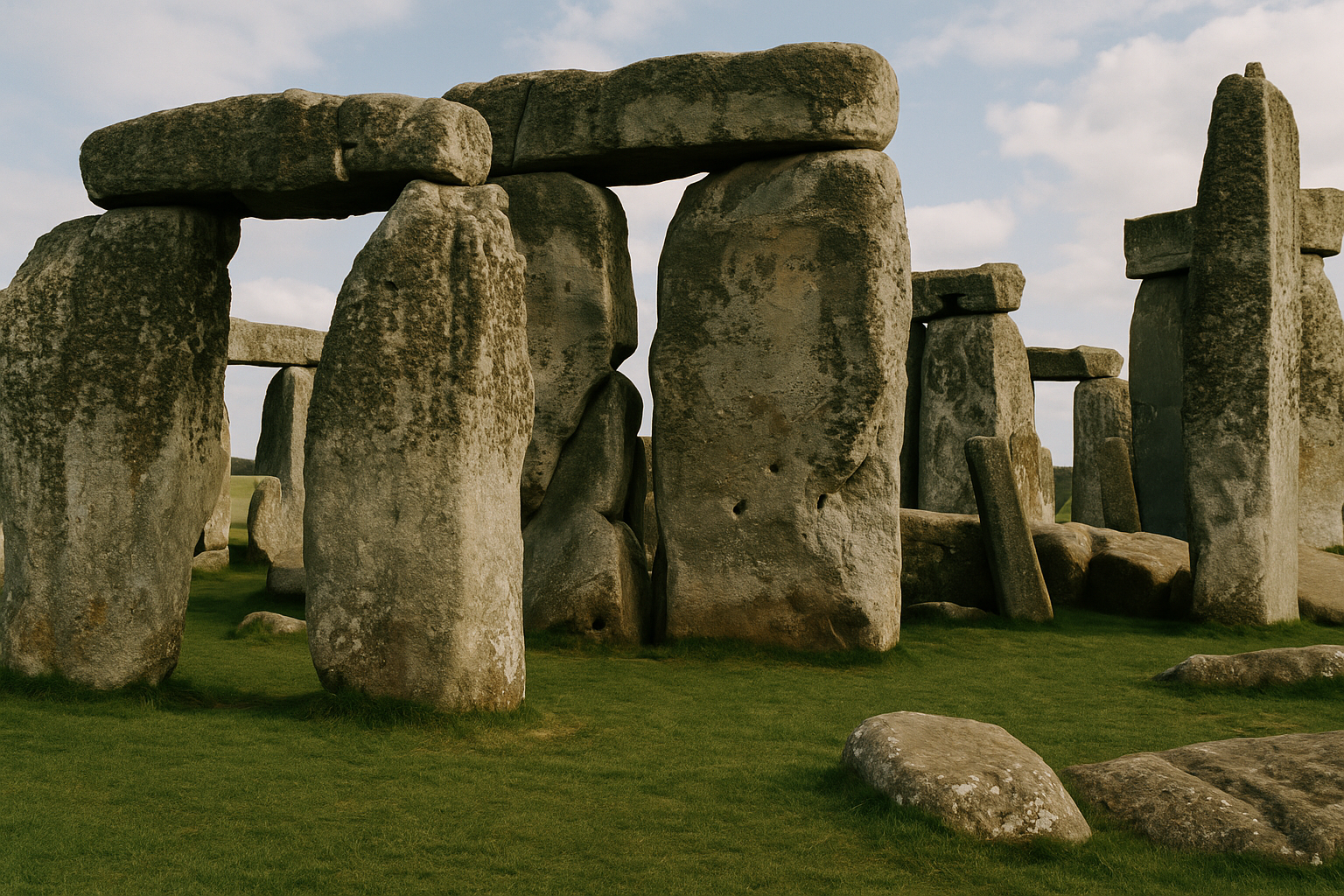
Stonehenge Travel Guide 2026: Solstice History, Tickets, and Day-Trip Planning
Neolithic and Bronze Age BritainPlan a smooth visit to Stonehenge with practical ticket timing, transport options from London and Ba...
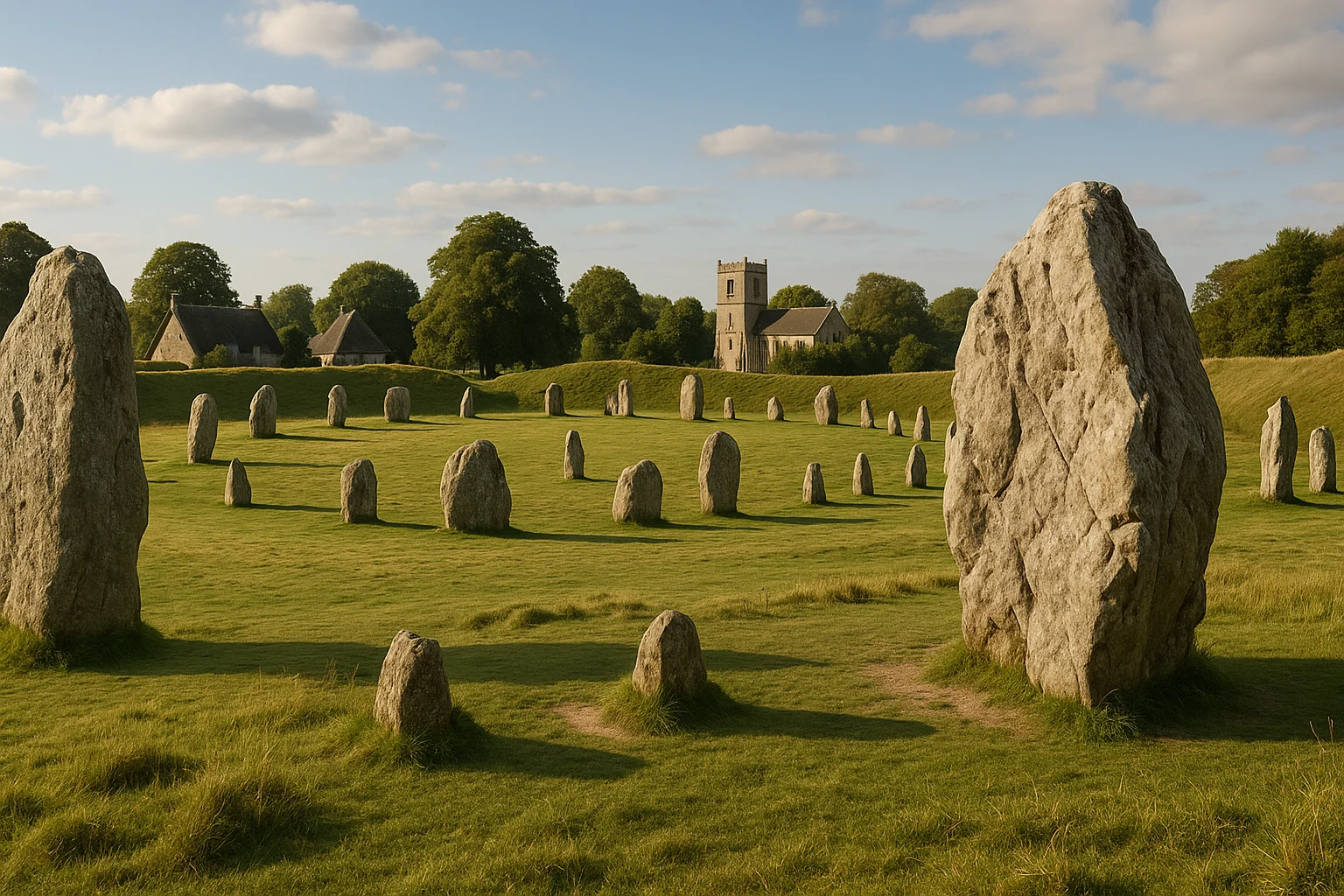
Avebury Stone Circle Travel Guide 2026: Best Walk Routes, History, and Visit Planning
Neolithic BritainPlan a stronger visit to Avebury Stone Circle with practical walking routes, landscape context, and ...
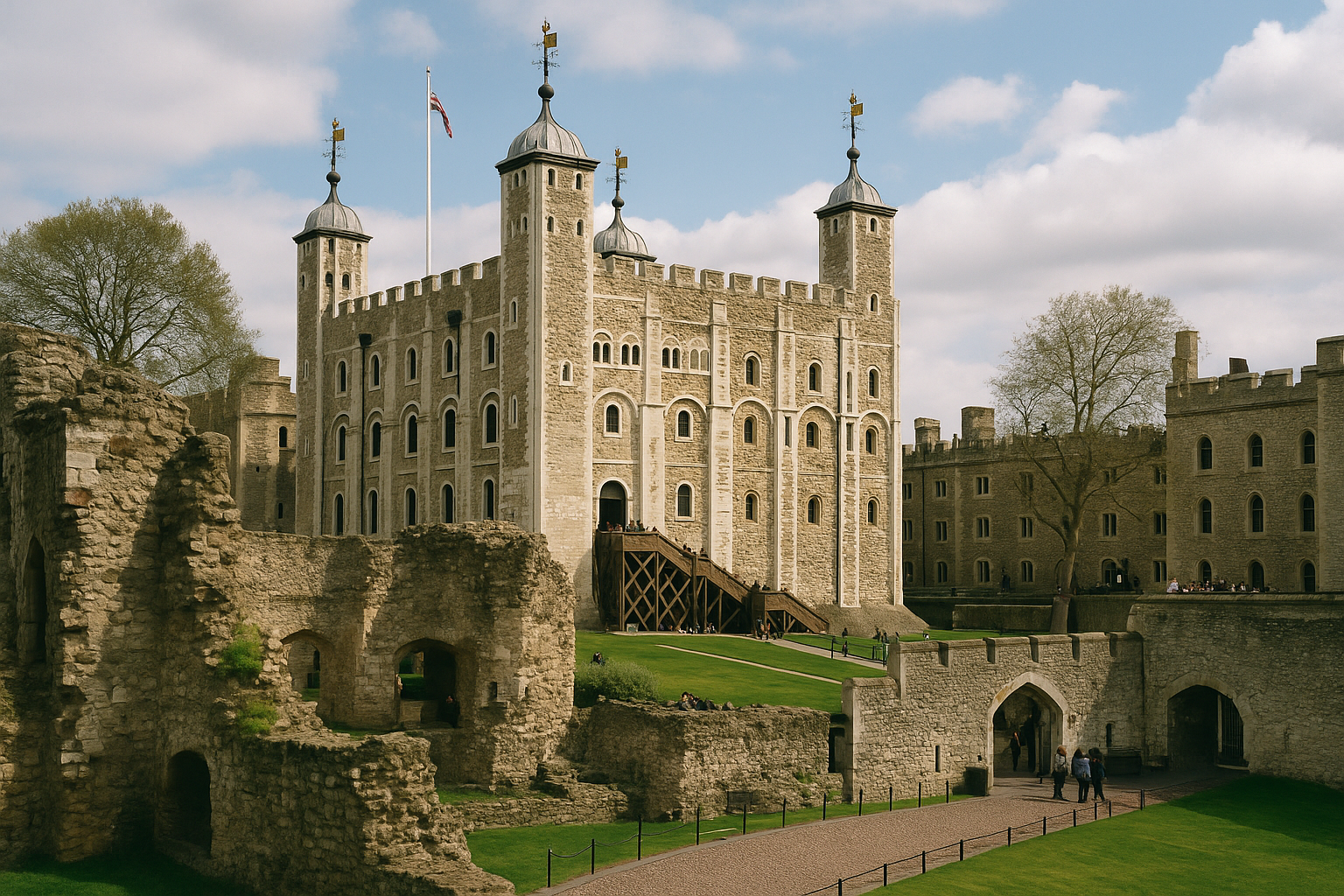
Tower of London Travel Guide 2026: Crown Jewels, History, and Visit Strategy
Norman and Medieval EnglishPlan a smart visit to the Tower of London with practical timing tips, must-see highlights, ticket st...