Quick Info
Curated Experiences
Full-Day Casma Valley Archaeological Tour from Lima
Private Casma and Chankillo Archaeological Day Trip
Northern Peru Archaeology Expedition: Chavin and Casma
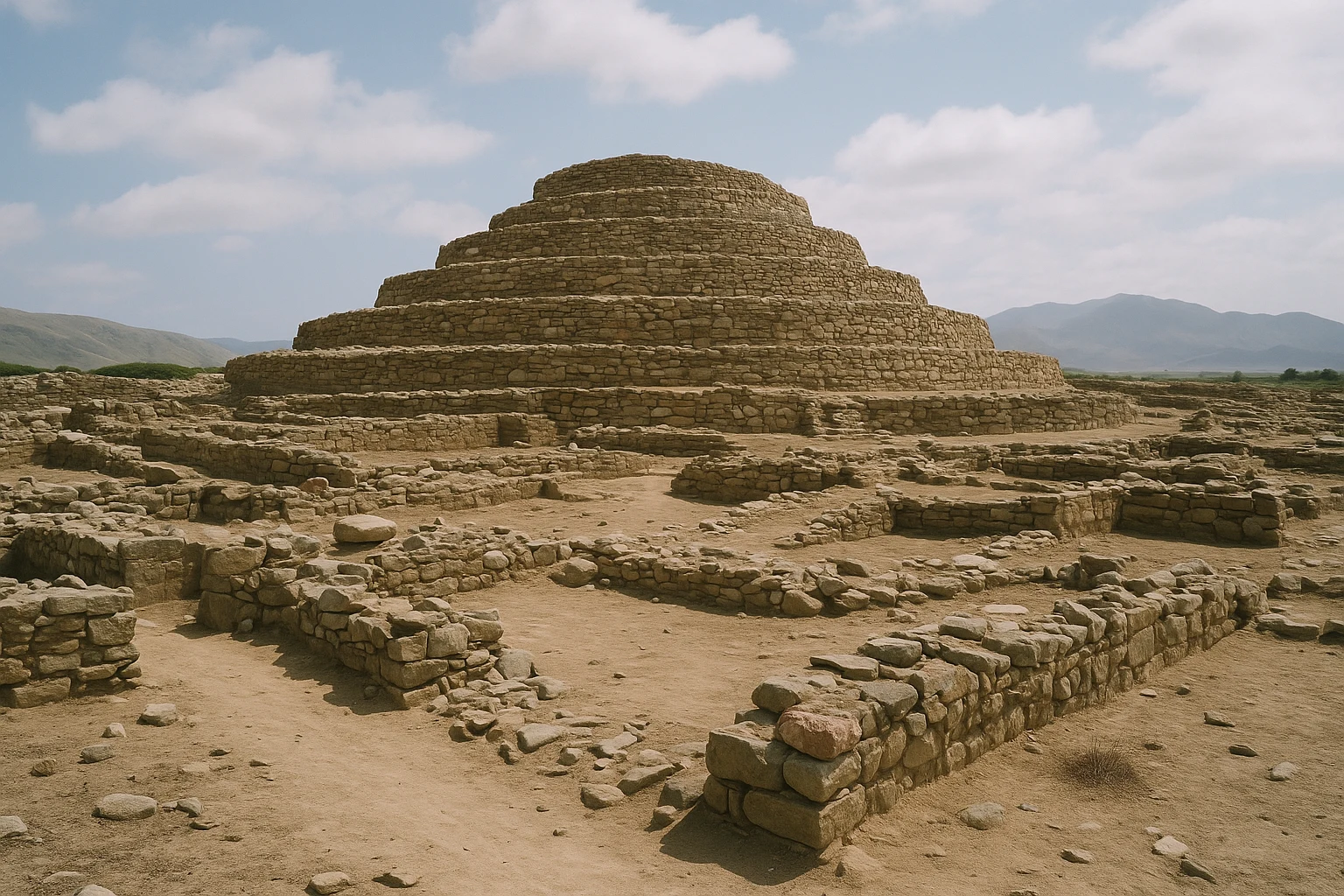
In Peru’s Casma Valley, where dry hills open into broad alluvial plains and the Pacific desert stretches inland like a pale stone sea, Sechin Alto rises from the earth with almost no theatrical flourish. There are no polished Inca walls, no dramatic mountain backdrop, no carved gateway that announces itself to passing travelers. Instead, this is one of those places where scale reveals itself slowly. As you walk farther into the complex, each platform and embankment extends beyond what your eye first measured, and the plan of the site begins to feel less like a ruin and more like a mapped intention on a monumental level. Sechin Alto Peru travel guide is not a keyword trick here; it is exactly what most visitors need, because the site’s significance is bigger than its surface impressions.
Sechin Alto is one of the great early ceremonial centers of coastal Peru, part of a wider archaeological landscape that includes Cerro Sechin, Sechin Bajo, and the later Chankillo complex nearby. What makes it extraordinary is not one surviving temple facade but an integrated architectural system that points to organized labor, ritual planning, and regional influence deep in the Preceramic and Formative periods. If Machu Picchu tells you how late pre-Hispanic statecraft looked in stone, Sechin Alto tells you how much older the Andean capacity for complex social life really is. This guide covers the site’s history, key monuments, transport from Casma and Lima, practical entry advice, and a smart one-day combination route.
History: Monumentality Before Empires
Early ceremonial beginnings (c. 2200-1800 BCE)
Archaeological work in the Casma-Sechin basin indicates that large ritual architecture appeared here far earlier than many travelers expect from Peru’s famous timeline. During the Late Preceramic era, communities in this valley developed ceremonial and administrative spaces tied to irrigation agriculture, exchange networks, and increasingly formal ritual life. At Sechin Alto, the earliest phases suggest planned construction rather than gradual village growth, with broad platform architecture laid out to structure collective gatherings. On first mention in modern scholarship, the Casma-Sechin tradition is often discussed alongside early monumental centers elsewhere on the coast, showing that social complexity in ancient Peru emerged through multiple regional trajectories rather than one single origin point.
Expansion of the Sechin complex (c. 1800-1200 BCE)
In the following centuries, Sechin Alto expanded and became one of the largest monumental complexes of its era in the Americas by footprint. Broad compounds, raised platforms, and processional alignments point to sustained labor mobilization over generations. This was architecture. It reflects leadership capable of planning and maintaining large works in a desert valley where water management was central to survival. Scholars still debate whether Sechin Alto was mainly ceremonial, political-administrative, or both, but there is little dispute that builders coordinated activity at a valley-wide scale.
Formative transitions and regional interaction (c. 1200-400 BCE)
As the Andean Formative world evolved, Casma Valley centers participated in broader patterns of cultural contact, ideological change, and local competition. Sechin Alto did not exist in isolation; it interacted with nearby ceremonial sites that show distinct artistic and architectural signatures, including the dramatic carved stone relief tradition at Cerro Sechin. During this period, the role of older monumental platforms may have shifted, with some sectors maintained, others modified, and some gradually abandoned as new ritual priorities emerged. Even where architecture fell out of active use, the landscape retained memory. Ancient pathways, visual alignments, and inherited sacred geography likely kept Sechin Alto meaningful long after its peak building phases.
Early Horizon echoes (c. 900-200 BCE)
By the Early Horizon, when highland-coastal religious interaction intensified and centers such as Chavin de Huantar became influential, Casma’s older ceremonial landscapes were part of a wider Andean conversation about authority, cosmology, and pilgrimage. Sechin Alto’s foundational role seems to belong mainly to earlier centuries, but its monumental presence continued to anchor local identity and spatial organization. In practical terms, this means modern visitors are seeing a place that was not simply “abandoned and forgotten” in one abrupt episode. Instead, like many major ancient centers, it appears to have experienced long transitions in use, meaning, and maintenance across generations.
Modern rediscovery and archaeology (20th century-present)
Systematic archaeological attention in the Casma region accelerated in the 20th century and expanded through interdisciplinary work in the late 20th and early 21st centuries. Survey, excavation, and radiocarbon programs transformed Sechin Alto from a little-understood mound complex into a globally important case study for early monumentality in the Andes. Researchers connected architectural sequencing, irrigation contexts, and regional settlement data to show how early coastal societies organized labor at impressive scales. Preservation remains an ongoing challenge because earthen architecture is vulnerable to erosion, informal traffic, and climate stress. Visiting respectfully today supports local stewardship and keeps public attention on one of Peru’s most consequential early archaeological landscapes.
The Key Monuments: What to See at Sechin Alto
The principal platform core
The central monumental platform at Sechin Alto is the feature that recalibrates your sense of scale. From a distance it can look like a set of low natural rises, but once you approach, the geometry becomes legible: deliberate elevations, broad retaining forms, and circulation spaces that guide movement toward ceremonial focal points. Built in phases, this core likely served repeated gatherings in which architecture framed ritual practice, elite visibility, and collective participation. What survives today is mostly earthen and stone massing rather than decorative surface treatment, yet the engineering logic is unmistakable. You are looking at planned monumentality built to endure in a coastal desert setting where every cubic meter of construction implied organized labor and leadership.
Processional plazas and open courts
One of Sechin Alto’s most compelling elements is its relationship between elevated architecture and open space. The plazas and courts around the main platforms were not empty leftovers; they were functional social stages. These broad open areas could host large numbers of participants while channeling movement toward raised ritual sectors. When you walk them now, try to imagine ceremonies not as isolated priestly acts but as choreographed public events involving sound, procession, and repeated patterns of approach. The site’s dimensions suggest gatherings on a scale larger than village ritual. That matters because it points to social integration across communities, with Sechin Alto acting as a central place in a wider valley system.
Peripheral mounds and architectural extensions
Beyond the most obvious monumental core, Sechin Alto includes peripheral mounds and architectural extensions that reveal long-term construction episodes. These sectors are easy to skip if you rush, but they help explain how the site grew over time. Rather than one short burst of building, the complex appears to record accumulated decisions: additions, reworkings, and spatial refinements responding to changing ritual and political needs. Some embankments and platforms align with circulation corridors that may have regulated who could access certain spaces and when. This broader footprint is one reason Sechin Alto is so important in comparative archaeology. It demonstrates that early complex societies on Peru’s coast could think in terms of large, integrated ceremonial landscapes.
Relationship with Cerro Sechin and Sechin Bajo
Sechin Alto makes the most sense when read as part of a connected archaeological constellation. Nearby Cerro Sechin is famous for its carved monolithic reliefs, while Sechin Bajo has yielded very early dates and deep stratigraphic sequences. Together, these sites show that Casma Valley was not a single-center civilization but a dynamic ceremonial network with shifting focal points through time. Visiting Sechin Alto first gives you the large-scale architectural context; moving to Cerro Sechin afterward provides iconographic intensity and close-up stone art that complements the broader landscape story. This pairing is one of Peru’s most rewarding day trips for understanding early Andean civilization.
Desert light, topography, and how to read the site
At Sechin Alto, topography and light are part of the monument. Early morning shadows define platform edges and reveal subtle slopes that midday sun tends to flatten. The surrounding valley floor, distant ridgelines, and dry channels help you understand why this location worked as a ceremonial hub tied to agriculture and movement corridors. Photography is best in low-angle light: arrive shortly after opening or in the final two daylight hours if temperatures permit. A wide frame captures the relationship between built forms and landscape, which is the real visual story here. Think less “single postcard monument” and more “ancient engineered terrain.” That mindset will make your visit far richer.
Getting There: Transportation and Access
Sechin Alto is accessible but rural, and the easiest strategy is to base yourself in Casma and visit with a driver who can connect multiple nearby archaeological sites in one route.
From Casma
Casma is the natural jumping-off point and gives you the shortest transfer times plus easy access to drivers familiar with the valley roads.
- Taxi or hired local car: Typically S/35-S/70 ($9.50-$19 USD) round trip depending on wait time, 20-30 minutes each way from central Casma.
- Mototaxi + local transfer: Budget option for short segments, often S/15-S/30 ($4-$8 USD) each leg, but less comfortable in heat and dust.
- Private day driver (multi-site): Usually S/150-S/280 ($41-$76 USD) for Sechin Alto + Cerro Sechin + Chankillo over 5-8 hours.
From Lima
From Lima, most independent travelers first reach Casma, then continue to the site with a local driver.
- Intercity bus to Casma: Around 5.5-7 hours depending on operator and traffic, commonly S/60-S/140 ($16-$38 USD).
- Taxi from Casma bus stop to Sechin Alto: Add S/35-S/70 ($9.50-$19 USD) round trip.
- Organized archaeology tour: Higher cost but logistically simple, usually includes transportation, guiding, and sometimes admissions.
Rental car access
Driving yourself is feasible if you’re comfortable with long-distance Peru highway travel and rural turnoffs.
- Rental car from Lima: Approximate daily rental S/170-S/330 ($46-$90 USD) before fuel/tolls.
- Road conditions: Main coastal highways are generally paved; local access roads can be dusty or uneven.
- Parking: Informal roadside parking near access areas; avoid leaving valuables visible.
Admission and Hours
Local entry policies can change, but travelers generally encounter low-cost admissions in the Sechin archaeological zone, often around S/5-S/15 ($1.35-$4.05 USD) per site. Some guided circuits include entry in the package, while independent visitors should carry small cash notes in soles. Typical visiting windows are daytime hours, roughly around 8:00 AM-4:00 PM, with occasional adjustments for staffing or conservation work. Card payment should not be assumed. The best visit window is early morning, when temperatures are lower and the low-angle light makes the architecture easier to interpret.
When to Visit: Seasonal Considerations
Spring (September-November)
Spring is one of the strongest seasons for Sechin Alto, with temperatures often around 18-27°C (64-81°F) and relatively manageable desert conditions in the morning. Crowd levels stay low to moderate, especially compared with Peru’s iconic highland destinations. Morning haze can soften visibility briefly, but by mid-morning the site’s forms read clearly. Bring a light layer for early hours and remove it as the sun climbs.
Summer (December-March)
Summer can be hot in the Casma Valley, commonly around 22-32°C (72-90°F) and occasionally warmer in exposed midday conditions. Visitor numbers remain moderate, but heat is the real challenge, not crowding. Plan to enter early, carry at least 1.5 liters of water per person, and avoid long unshaded walks between noon and 3:00 PM. A wide-brim hat and high-SPF sun protection are essential.
Autumn (April-June)
Autumn is arguably the ideal balance for most travelers, with typical ranges near 17-26°C (63-79°F), clear light, and easier walking comfort across open terrain. Crowds are generally light, and transport from Casma is straightforward outside major holiday weekends. This season is especially good for combining Sechin Alto with Cerro Sechin and Chankillo in one full-day route without severe heat stress.
Winter (July-August)
Winter on Peru’s central-northern coast is cooler and can feel overcast at times, often around 15-23°C (59-73°F). Conditions are still very visitable, and crowd levels are usually the lightest of the year. The flatter light can reduce dramatic shadows on the platforms, but temperatures are excellent for longer walks. Bring a thin wind layer for early starts and keep expectations flexible if marine cloud lingers.
Combining Sechin Alto with Casma Valley
The most rewarding day in this region starts with Sechin Alto by 8:00 AM, when low light gives the central platforms real depth and the open desert air is still manageable. Spend about two hours walking the principal core and outer sectors at a measured pace, then depart around 10:15 AM for nearby Cerro Sechin. The transfer is short enough that you can be standing in front of its carved monoliths by 10:45 AM, and the contrast is powerful: Sechin Alto gives you landscape-scale monumentality, while Cerro Sechin gives you dense iconographic detail. After about 75-90 minutes there, head back toward Casma for lunch around 12:45 PM.
For lunch, choose a simple cevicheria or set-menu spot in central Casma before the afternoon leg. By 2:30 PM, continue to Chankillo, whose hilltop fortification and tower line add another chapter to the valley’s ceremonial history. Stay until about 4:30 PM if weather is comfortable, then return to Casma before dusk.
If time is tight, a half-day version works well: Sechin Alto at 8:00 AM, Cerro Sechin at 10:30 AM, and lunch in Casma by 12:30 PM. Hiring one driver for the whole route is usually the smoothest option.
Practical Information
What to bring
- Sun protection: High-SPF sunscreen, sunglasses, and a brimmed hat are essential; shade is limited.
- Water: Bring at least 1-1.5 liters per person for a half-day, more in summer heat.
- Footwear: Closed, grippy shoes help on dusty paths and uneven embankments.
- Cash in soles: Carry small denominations for entry fees, local transport, and snacks.
- Dust layer: A light scarf or buff is useful if winds pick up on access tracks.
Dress code and etiquette
There is no formal dress code, but respectful, practical clothing is best: light fabrics, shoulder coverage, and footwear suited for archaeological terrain. Avoid climbing on fragile earthen features or standing on exposed edges for photos. This is an active research landscape, not a theme park set. Staying on clear paths protects the site.
Accessibility
Sechin Alto is more open and less stair-heavy than many mountain archaeological sites in Peru, but full accessibility remains limited. Surfaces are uneven, dusty, and sometimes sloped, with little built infrastructure for wheelchairs. Travelers with mobility constraints can still appreciate portions of the complex with a driver-assisted approach and selective walking stops, especially in cooler morning hours.
Why Sechin Alto Matters
Sechin Alto matters because it resets the timeline in your head. Many travelers arrive in Peru thinking monumental complexity begins with the later highland empires and reaches its peak at famous stone citadels. In the Casma Valley, that story stretches backward by millennia. Here, in an austere desert landscape, people organized labor, ritual authority, and civic space at extraordinary scale long before the imperial horizons most visitors already know.
What makes the site powerful is not visual ornament but intention. You can feel the planning in the way platforms hold the land, in the way open courts gather movement, and in the way the whole complex still commands the valley floor. Sechin Alto is evidence that early Andean societies were not experimenting at the margins; they were building durable systems of meaning, power, and collective memory.
When you leave, the strongest image may be simple: broad earthen monuments under hard coastal light, quiet and almost understated from afar, yet vast enough to suggest generations of coordinated human effort. That is the kind of place that changes how you read the rest of Peru.
Quick Facts
| Attribute | Details |
|---|---|
| Location | Casma Valley, Ancash, Peru |
| Ancient Name | Sechin Alto complex (local archaeological designation) |
| UNESCO Status | Not individually inscribed; part of a nationally protected archaeological landscape |
| Established | c. 1800 BCE ceremonial center |
| Distance from nearest hub | ~15 km from Casma (about 20-30 minutes by car) |
| Entry Fee | Typically S/5-S/15 ($1.35-$4.05 USD), cash recommended |
| Hours | Commonly daytime access around 8:00 AM-4:00 PM |
| Best Time | April-June and September-November; mornings for cooler weather |
| Suggested Stay | 1.5-2.5 hours (half day if combined with nearby sites) |
| Coordinates | -9.4636, -78.2342 |
Explore More Peru
- Cerro Sechin: Striking carved relief stones that complement Sechin Alto’s broader monumental landscape.
- Chavin de Huantar: Highland ceremonial center central to Early Horizon religious networks.
- Caral-Supe: Another foundational Peruvian civilization site with deeply early monumental architecture.
- Chan Chan: Vast adobe capital of the Chimu, showing later coastal urban complexity.
Plan your full archaeological route with our Peru Ancient Sites Guide. For route strategy and logistics, see our Peru transportation planning guide.
Frequently Asked Questions
How much time should I plan at Sechin Alto?
Plan 1.5-2.5 hours at Sechin Alto itself if you want to walk the central monumental core and perimeter mounds at a thoughtful pace. Most travelers combine it with Cerro Sechin and nearby valley sites, which turns the experience into a half-day or full-day archaeological circuit. Bring water and sun protection because shade is very limited.
What is the best time of day to visit Sechin Alto?
Early morning is best, usually between 8:00 AM and 10:30 AM, when temperatures are cooler and the low sun makes the earthen platforms easier to read visually. Late afternoon can also work for softer light, but midday heat in the Casma Valley is intense for much of the year.
Is there a single ticket for Sechin Alto and the other Sechin sites?
Ticketing can vary by season and local administration, but many visitors use low-cost local entry tickets at each site, often in the S/5-S/15 range ($1.35-$4.05 USD). If you go with a guided tour from Casma, admission is commonly bundled. Carry cash in Peruvian soles because card facilities are unreliable at archaeological gates.
How do I get to Sechin Alto from Casma?
The quickest option is a taxi or mototaxi arranged in Casma, usually 20-30 minutes depending on road conditions and your exact drop-off point. Independent drivers can often wait and continue with you to Cerro Sechin or Chankillo, which is the most efficient way to cover multiple ruins in one day.
What makes Sechin Alto important compared with other Peru ruins?
Sechin Alto is crucial because of its massive architectural footprint and very early date, showing large-scale social organization in coastal Peru long before the Inca period. Together with nearby Sechin sites, it helps scholars map how ritual authority, labor coordination, and monumental construction developed in the Andean world.
Is Sechin Alto suitable for families and older travelers?
Yes, but visitors should expect uneven terrain, open sun, and minimal on-site services. The walking is less steep than many mountain ruins in Peru, though loose soil and archaeological embankments can be tiring in heat. Good footwear, hats, and steady hydration make a major difference.
Nearby Ancient Sites
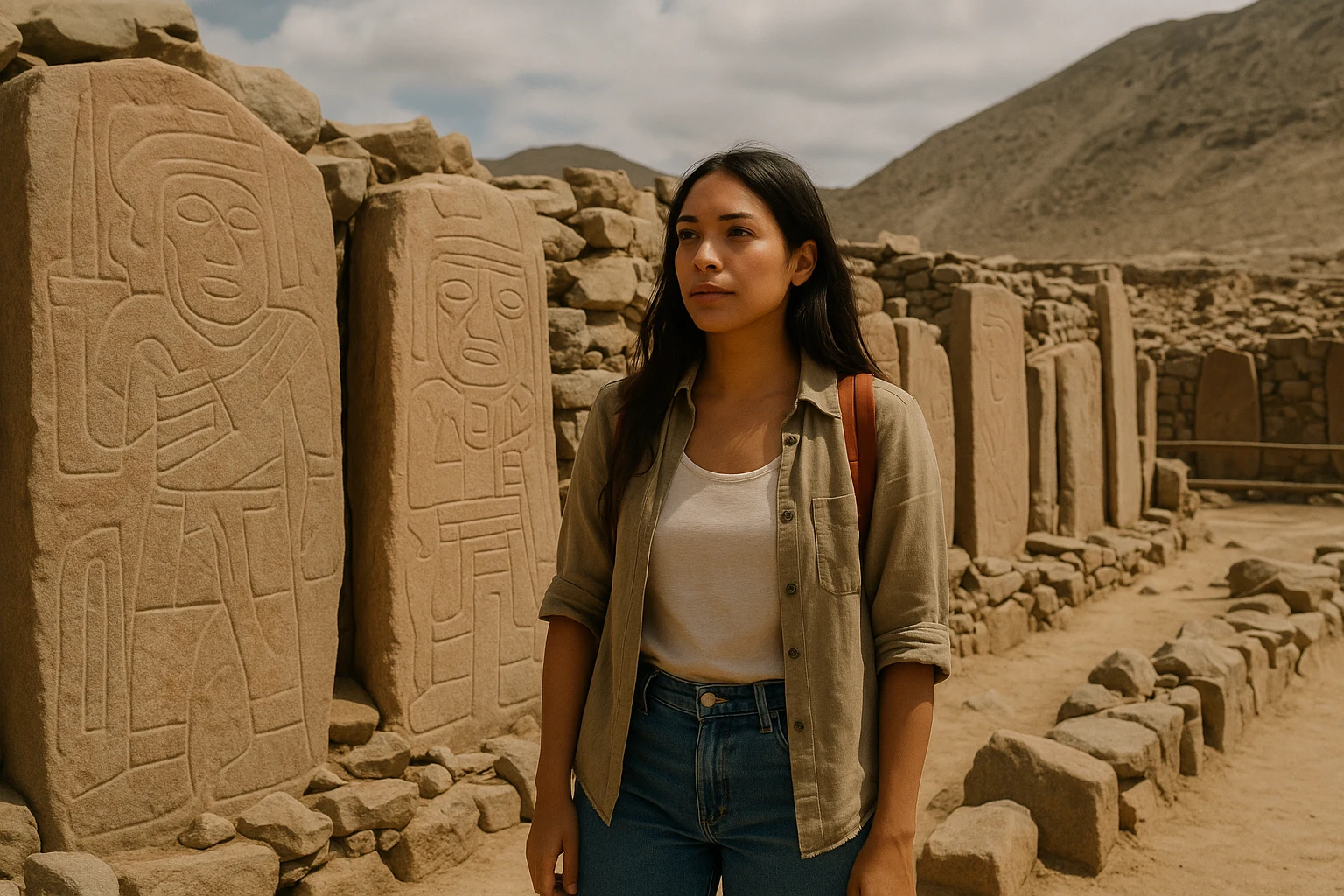
Cerro Sechín Peru Guide 2026: Relief Monoliths & Casma Valley
Sechin-Casma-initial-AndeanPlan your visit to Cerro Sechín in Peru with history, carved monolith highlights, transport from Cas...
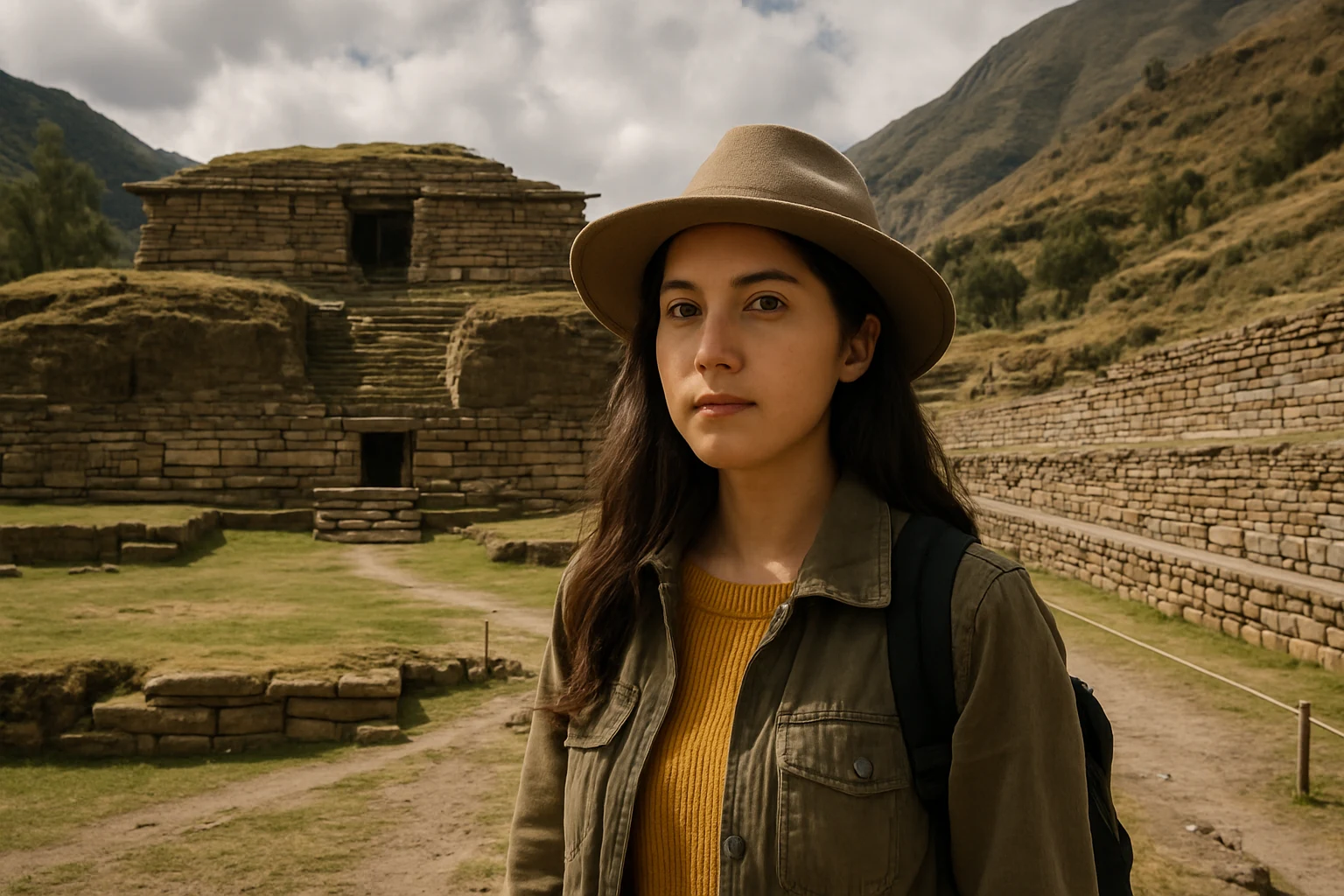
Chavin de Huantar Peru Guide 2026: Lanzon & Temple Galleries
Chavin-Highland Andean-Inca-Modern PeruvianPlan Chavin de Huantar, Peru: see the Lanzon and sunken plaza, reach the site from Huaraz, and time ...
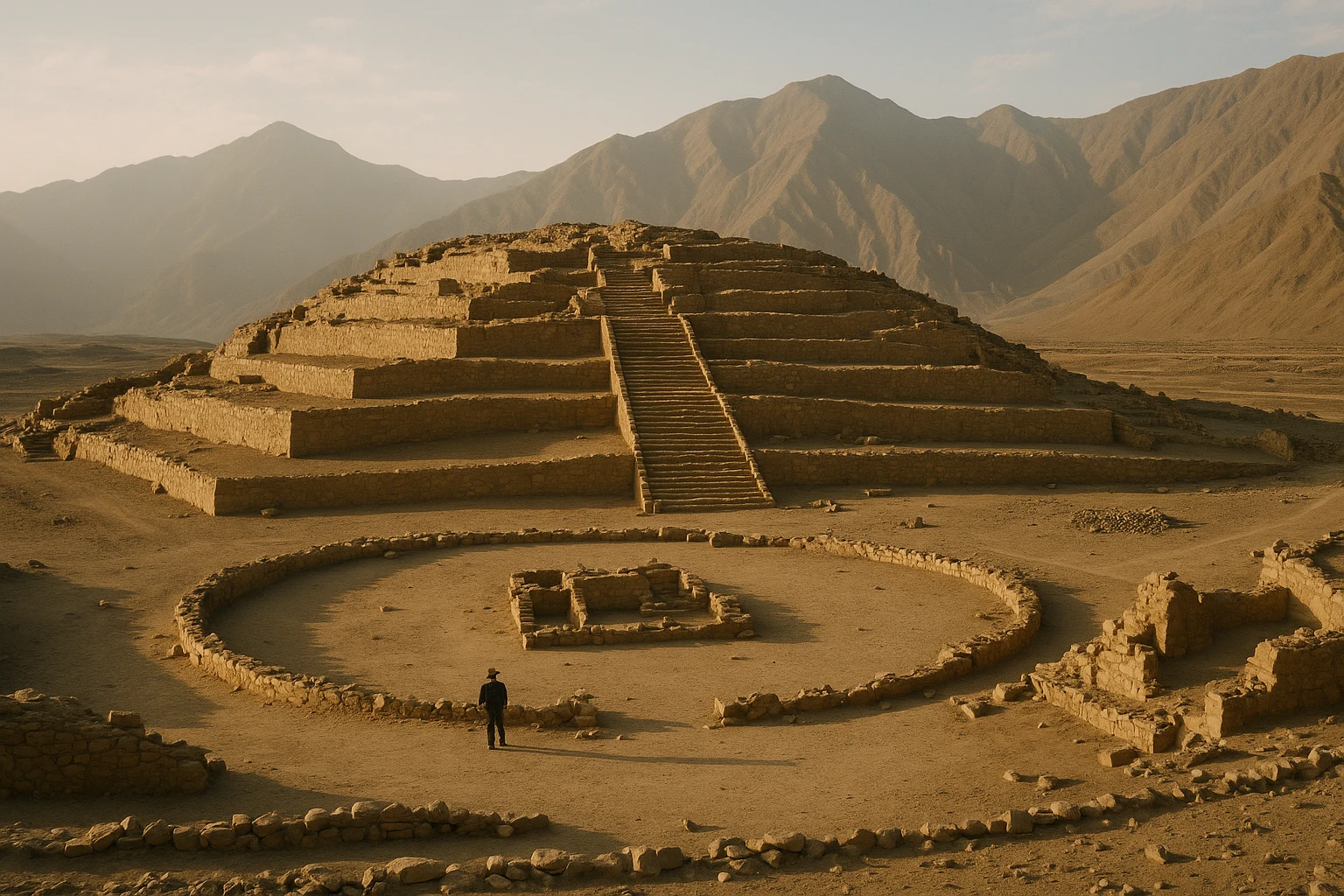
Caral-Supe Peru Guide 2026: Sacred Pyramids & the First Andean City
Norte-Chico-CaralVisit Caral-Supe in Peru, the oldest known city in the Americas, with practical transport from Lima,...