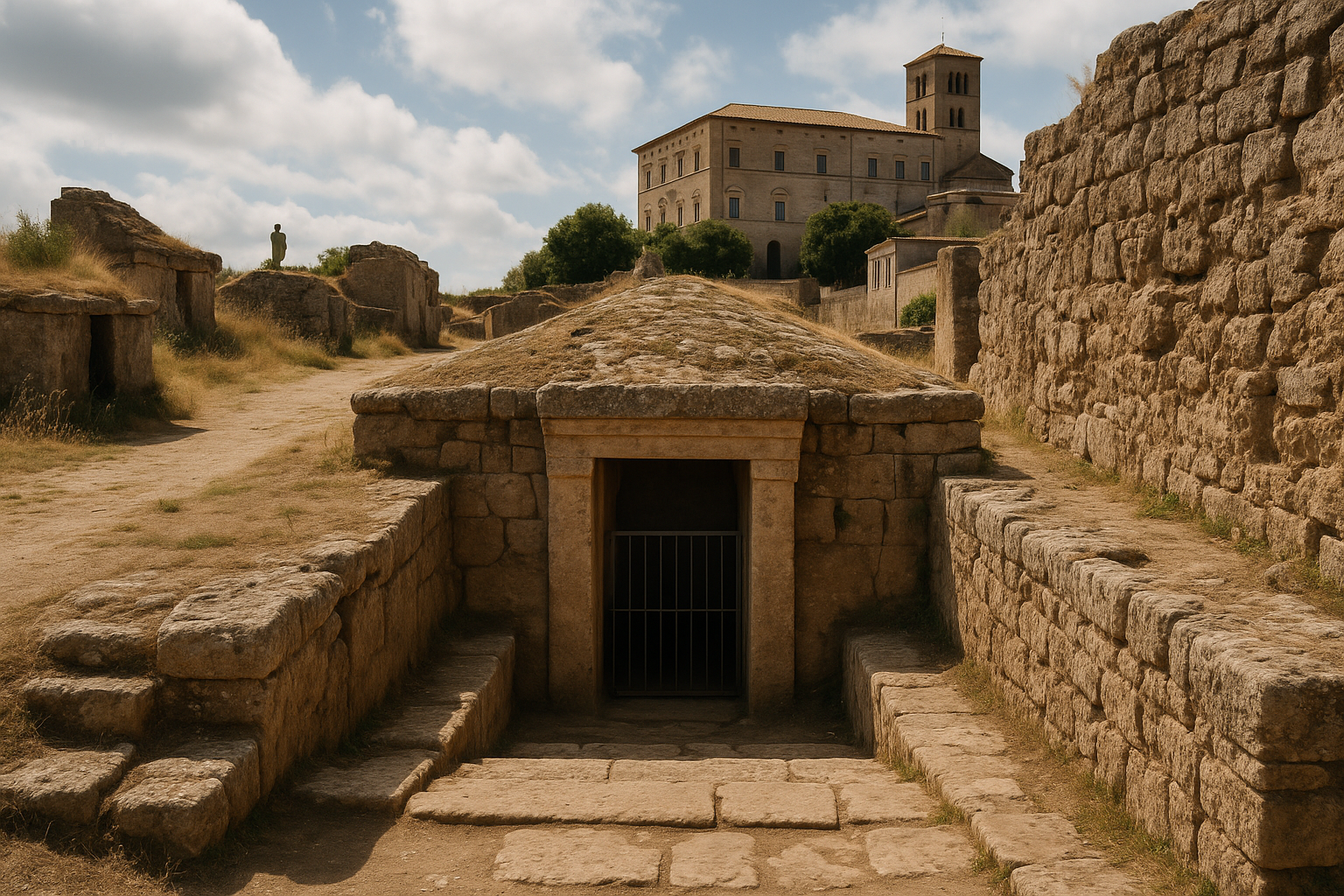
Quick Info
Curated Experiences
Tarquinia Etruscan Tombs and Museum Tour
Tarquinia and Cerveteri UNESCO Etruscan Day
Tarquinia preserves the most important concentration of Etruscan painted tombs in the Mediterranean. The Monterozzi necropolis, a UNESCO World Heritage Site shared with neighboring Cerveteri, contains over 6,000 tombs cut into the tufa plateau northwest of the modern town - roughly 200 of which retain painted decoration spanning four centuries. No other site offers this depth of visual evidence for pre-Roman Italian culture.
If your Italy itinerary leans heavily on imperial Roman monuments, Tarquinia supplies the essential earlier chapter. The Etruscans dominated central Italy for centuries before Rome absorbed their territory, religion, and civic practices. Spending a morning here before a later Colosseum visit makes that lineage tangible rather than abstract.
Why Tarquinia Matters
The painted tombs at Monterozzi are not decorative curiosities. They constitute the largest surviving body of pre-Roman painting in Italy and one of the most significant collections of ancient painting anywhere in the western Mediterranean. Greek painting from the same centuries is almost entirely lost; what survives at Tarquinia fills a gap that no museum collection can replicate.
The paintings document Etruscan elite ideology across a long arc - from the confident, outward-looking aristocratic culture of the 6th century BCE through the more anxious, underworld-focused imagery of the 4th and 3rd centuries as Roman pressure increased. You can literally watch a civilization’s self-understanding shift on the walls of these chambers.
Beyond art history, Tarquinia matters for what it reveals about daily life, ritual practice, gender roles, and cross-cultural exchange. Banquet scenes show men and women reclining together - a social arrangement that scandalized Greek and Roman commentators. Athletic competitions, musicians, dancers, fishing scenes, and elaborate funerary processions appear alongside mythological figures adapted from Greek sources but reinterpreted through Etruscan religious frameworks.
Historical Context
Tarquinia (Etruscan: Tarchna) was among the most powerful of the twelve major Etruscan city-states. Ancient sources credited it as the origin point of Etruscan religious practice, particularly haruspicy - the reading of divine will through animal entrails - which Rome later adopted wholesale.
The city’s prominence peaked between the 7th and 5th centuries BCE, when its aristocratic families controlled rich agricultural land, mineral resources from the nearby Tolfa hills, and active trade networks connecting them to Greece, Phoenicia, and the broader Mediterranean. The wealth generated by these networks funded the elaborate tomb construction and painting programs visible at Monterozzi.
Conflict with Rome intensified through the 4th century BCE. After a series of wars, Tarquinia was formally incorporated into the Roman sphere by the early 3rd century BCE. The city continued to function but never recovered its independent political status. The later tomb paintings reflect this decline - banquet scenes give way to darker underworld imagery populated by demons and psychopomps guiding the dead.
The necropolis was rediscovered systematically in the 19th century, though tomb robbery had been ongoing for centuries. Major painted tombs were catalogued and protected through the 20th century, and the site received UNESCO inscription in 2004 alongside Cerveteri.
What to Prioritize On Site
Monterozzi Necropolis
The necropolis occupies a broad, open plateau about a ten-minute walk from the town center. Only a rotating selection of painted tombs is open at any given time - typically six to twelve - accessible via covered walkways with viewing windows cut into the chamber entrances. You will not enter the tombs themselves; you look down or in through glass panels.
Key tombs to watch for (availability rotates):
- Tomb of the Leopards (c. 480-470 BCE): The most reproduced image from the entire site. A vivid banquet scene with reclining figures, musicians, and the paired leopards that give it its name. Exemplifies the confident, celebratory phase of Tarquinian painting.
- Tomb of the Augurs (c. 530 BCE): Features wrestlers, a figure identified as an augur or umpire, and a masked figure (the “Phersu”) with a dog on a leash - one of the most debated images in Etruscan studies.
- Tomb of Hunting and Fishing (c. 520-510 BCE): Rare landscape painting showing birds, dolphins, and a diver plunging into the sea. The naturalism here has no parallel in contemporary Mediterranean art.
- Tomb of the Lionesses (c. 520 BCE): Dancers and musicians in a scene of unusual energy and movement.
- Tomb of the Shields (c. 340 BCE): Later period, showing a darker palette and more somber banquet imagery as Etruscan autonomy waned.
Pay attention to recurring motifs across tombs: the egg as a symbol of rebirth, garlands marking sacred space, and the shift in color palette and emotional register between earlier and later periods.
National Archaeological Museum of Tarquinia
Housed in the Palazzo Vitelleschi in the town center, this museum is not optional. It holds the Winged Horses terracotta relief (4th century BCE), one of the finest surviving Etruscan sculptural works, along with extensive ceramic collections, sarcophagi with carved lids showing reclining figures, bronze mirrors, and gold jewelry.
The museum provides the material culture context that the tombs alone cannot deliver. Budget at least 60 to 90 minutes here. The chronological arrangement helps you track the same cultural shifts visible in the tomb paintings.
Comparative Visit with Cerveteri
If your schedule allows a full day, pairing Tarquinia with Cerveteri creates the most complete single-day Etruscan experience available. Tarquinia excels in painted decoration; Cerveteri’s Banditaccia necropolis excels in architectural tomb typology - tumulus mounds, carved interiors mimicking domestic architecture. The two sites complement rather than duplicate each other.
Practical Visit Strategy
Duration: Allow 90 minutes to 2 hours for the necropolis alone. Add 60 to 90 minutes for the museum. A combined Tarquinia visit runs 3.5 to 5 hours total. A Tarquinia-plus-Cerveteri day requires 8 to 10 hours including transit.
Getting there: Tarquinia is roughly 90 minutes northwest of Rome by car via the A12 motorway, or accessible by regional train to Tarquinia station (about a 2-hour ride from Roma Termini), followed by a local bus or taxi to the town center. A rental car is strongly recommended if combining with Cerveteri.
Timing: Visit the necropolis first thing in the morning, especially in summer. The plateau is fully exposed with minimal shade, and midday heat makes the experience significantly less comfortable. The museum in town provides a cooler afternoon alternative.
Tickets: A combined ticket covers both the necropolis and the museum. Purchase at either location. Check current opening days before visiting - the necropolis may have seasonal closures or reduced winter hours.
What to bring: Water (there is no vendor at the necropolis), sun protection, and sturdy shoes. The ground is uneven tufa and packed earth with occasional steps down to tomb viewing points. A small flashlight can help with dimmer viewing windows, though most are adequately lit.
Route Pairing and Nearby Sites
Tarquinia fits naturally into a Lazio-focused itinerary built around pre-Roman and Roman layers:
- Cerveteri - the essential Etruscan companion site, 70 km south
- Appian Way - Roman infrastructure and funerary monuments outside Rome
- Baths of Caracalla - imperial Roman contrast in the capital
- Colosseum - the Roman endpoint that Tarquinia contextualizes
- Italy Ancient Sites Hub - full country planning page
For a multi-day Etruscan-focused arc, consider adding Orvieto (Etruscan tombs and museum, not yet on site) and Vulci as secondary stops between Tarquinia and Rome.
Final Take
Tarquinia is not a spectacle site. There are no towering columns or massive amphitheaters. What it offers instead is rarer: direct visual contact with a civilization that shaped Rome but left almost no literary record of its own. The painted tombs are intimate, human-scaled, and unreproducible - you cannot get this anywhere else. For travelers building an Italy itinerary that reaches beyond the imperial Roman canon, Tarquinia is where the deeper story begins.
Quick Facts
| Attribute | Details |
|---|---|
| Location | Viterbo province, Lazio, Italy |
| Country | Italy |
| Region | Lazio |
| Civilization | Etruscan |
| Historical Period | 7th to 3rd centuries BCE |
| UNESCO Inscription | 2004 (with Cerveteri) |
| Key Features | Monterozzi necropolis painted tombs, Palazzo Vitelleschi museum |
| Coordinates | 42.2544, 11.7566 |
Frequently Asked Questions
Why is Tarquinia so important for Etruscan history?
Tarquinia preserves exceptional painted tombs that provide rare evidence for Etruscan ritual, elite identity, and visual culture.
Can you visit Tarquinia and Cerveteri in one day?
Yes, but start early and keep transitions tight; each site deserves focused time for interpretation.
Is the necropolis physically demanding?
Moderate walking is typical, with some uneven terrain and steps at tomb access points.
Do you need the museum, or are the tombs enough?
The museum is strongly recommended because it provides the social and material context that makes the painted tomb imagery easier to interpret.
Nearby Ancient Sites
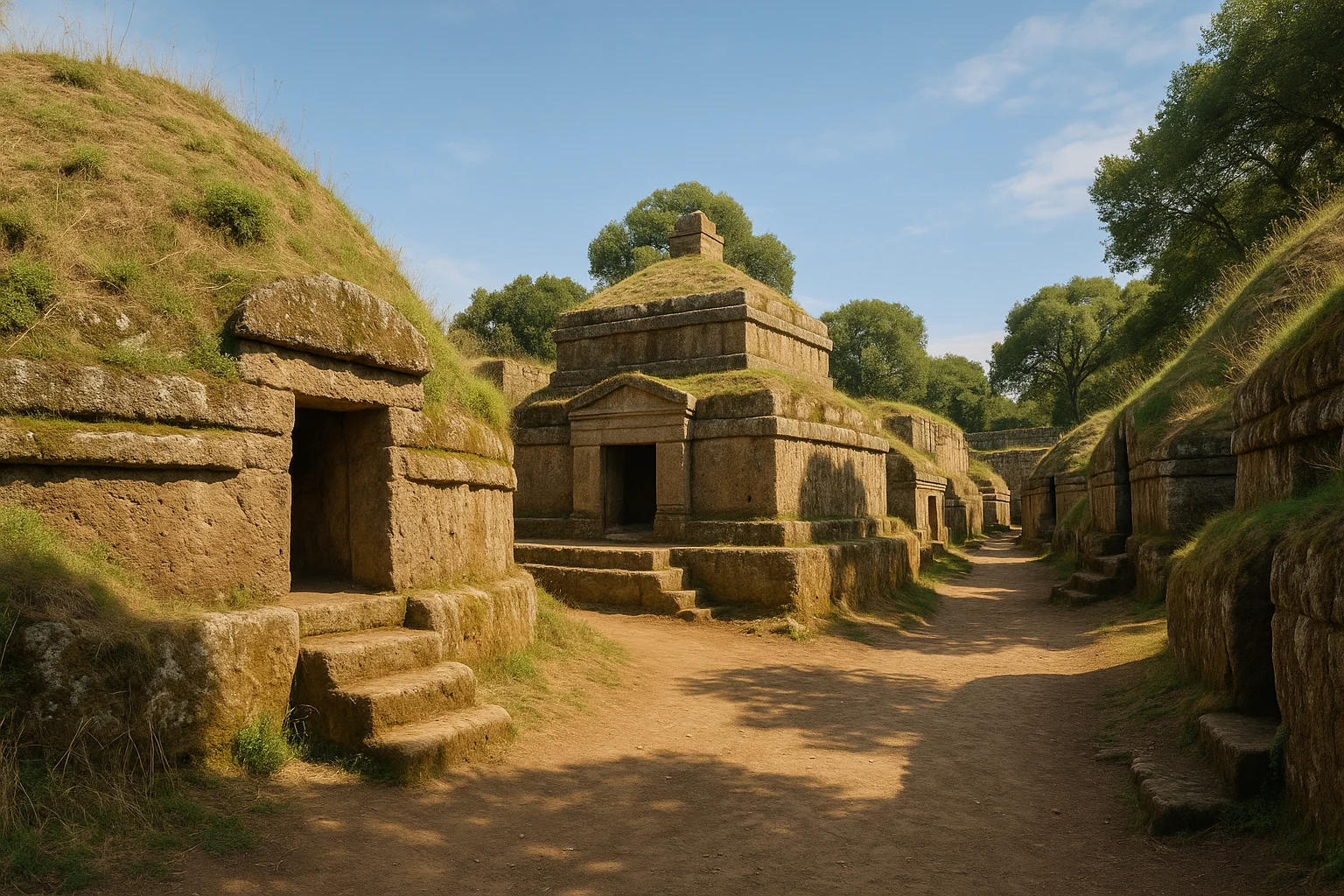
Cerveteri Guide 2026: Banditaccia Necropolis, Etruscan Urban Tombs, and Visit Flow
EtruscanPlan a high-clarity visit to Cerveteri's Banditaccia necropolis with tomb-zone priorities, transport...
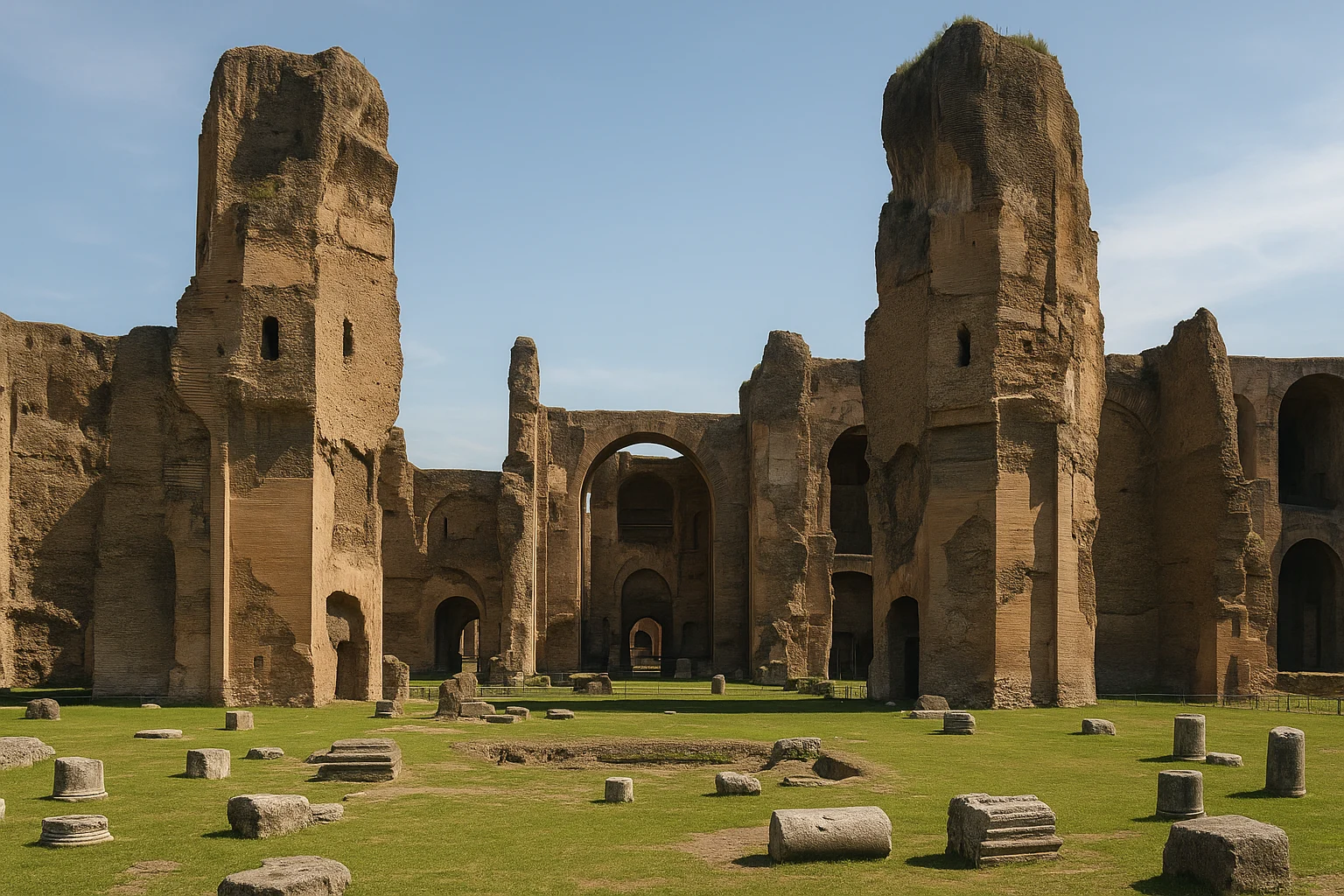
Baths of Caracalla Rome Guide 2026
RomanPlan your visit to the Baths of Caracalla with practical route advice, history context, timing, and ...
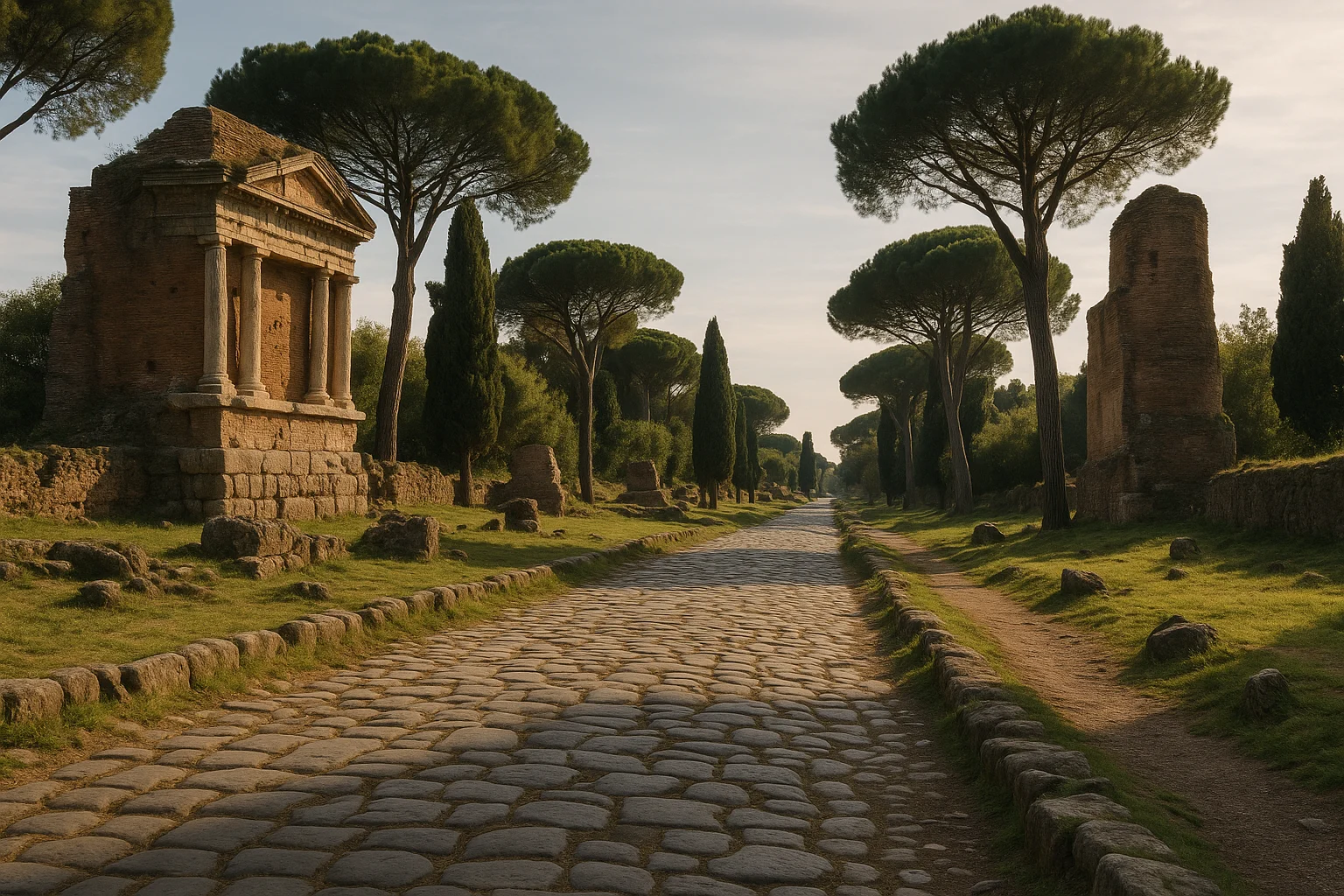
Appian Way Rome Guide 2026
RomanPlan a smart visit to the Appian Way with route choices, catacomb logistics, bike-vs-walk strategy, ...
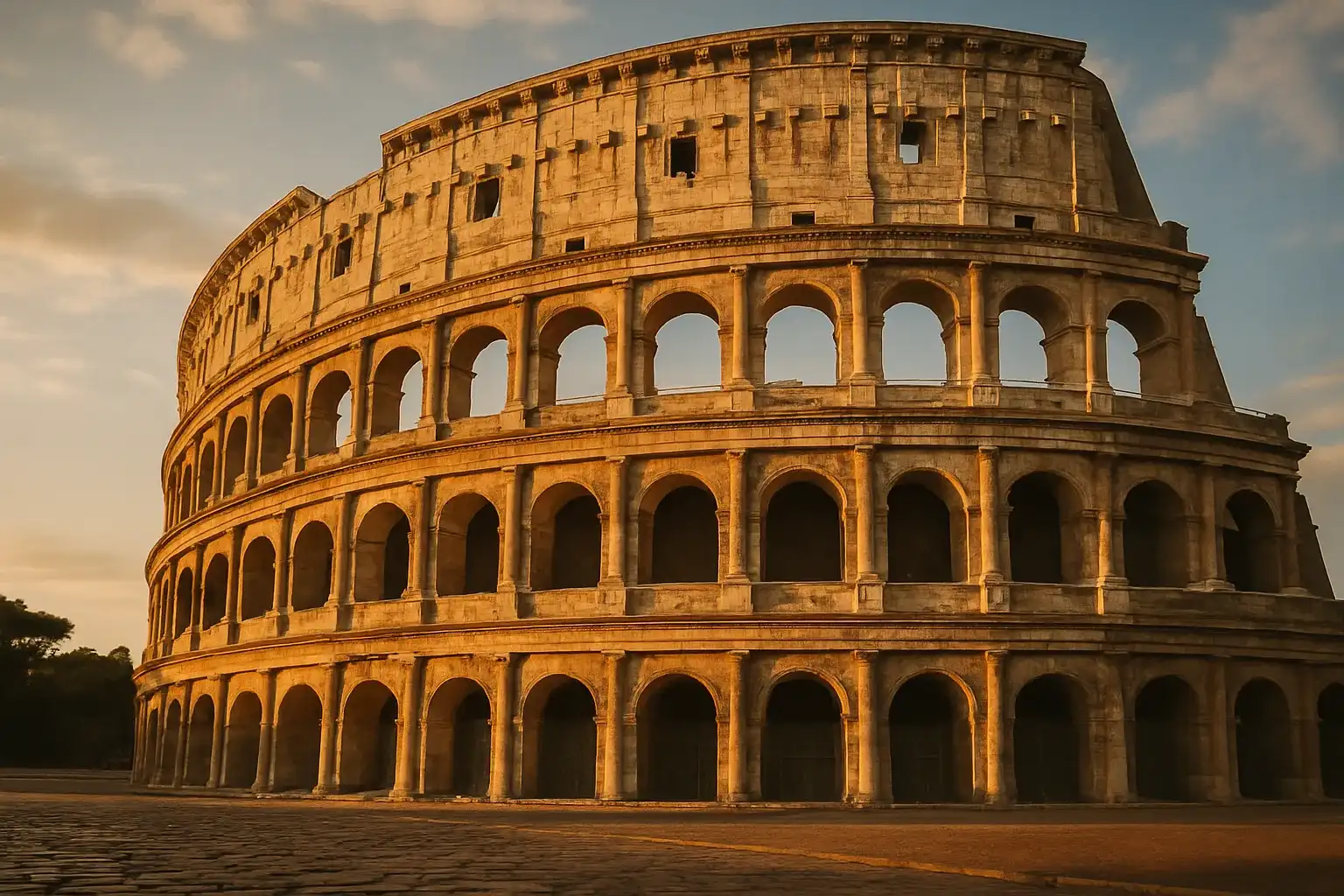
Colosseum Rome: Complete 2026 Guide to Arena Floor, Tickets, and Timing
Roman EmpirePlan the perfect Colosseum visit with timed-entry strategy, Arena Floor and underground access tips,...