Quick Info
Curated Experiences
Cusco South Valley Tour: Tipon, Pikillacta and Andahuaylillas
Private South Valley of Cusco: Tipon and Pikillacta
Cusco Cultural Day Tour with South Valley Sites
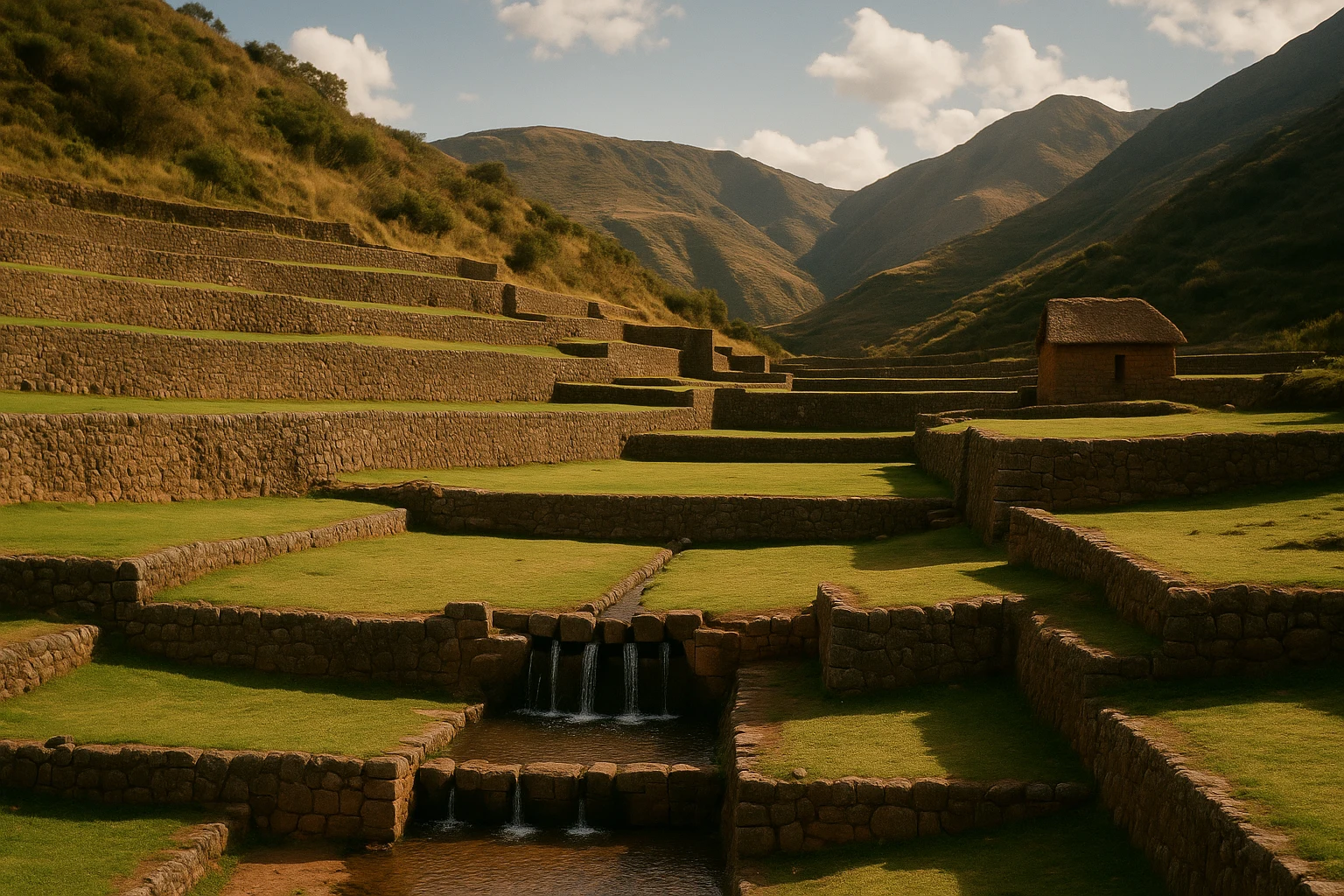
At Tipon, Peru, water is architecture. Before you notice the terraces themselves, you hear a bright, continuous rush moving through finely cut stone channels, across narrow runnels, and down fountain drops engineered so precisely that the system still works after centuries of weather, conquest, and neglect. Set in the South Valley near Cusco, Tipon does not overwhelm with one colossal monument; instead, it wins you through control, rhythm, and repeated evidence of technical intelligence. Here, the Inca transformed a steep Andean slope into a living hydraulic landscape where farming, ceremony, and political authority flowed through the same infrastructure.
For travelers who know Machu Picchu, Sacsayhuaman, or Ollantaytambo, Tipon opens a different window into imperial power. This is where you see what an empire does on ordinary days: moving water, stabilizing land, feeding people, and symbolically ordering nature. Ancient Travels recommends Tipon as the first stop on a South Valley route, ideally paired with Pikillacta and Andahuaylillas for a layered day that spans pre-Inca, Inca, and colonial history. In this guide, you will find a clear historical timeline, a detailed walkthrough of the site’s most important features, practical transport and ticket planning from Cusco, seasonal advice, and a realistic itinerary you can actually use.
History: Where Inca Power Meets Water
Valley occupation before imperial construction (before c. 1400 CE)
Long before the Inca built the hydraulic terraces visible today, the southern approaches to Cusco supported farming communities that knew how to work with slope, seasonal rainfall, and highland microclimates. Archaeological evidence across the region suggests occupation by local groups, often associated with Killke-era settlements and related pre-imperial traditions. These communities established pathways, field systems, and water-use practices that made later expansion possible. The valley’s value was obvious: productive land close to Cusco but far enough to function as a controlled agricultural corridor. When the Inca state expanded, it did not begin from a blank slate; it absorbed and reorganized an inhabited landscape.
Imperial Inca redesign and hydraulic planning (c. 15th century CE)
During the rise of the Inca Empire, Tipon was developed into a major royal-agricultural and ceremonial complex, traditionally associated with elite patronage and state demonstration projects. Stone-lined canals brought water from upstream sources and distributed it through terrace sectors with calibrated gradients that prevented destructive erosion. The result was not just irrigation. It was a display of political order: engineering discipline projected into terrain. Terraces increased agricultural capacity, while fountain complexes and carefully framed spaces likely supported ritual performances tied to fertility, seasonality, and imperial legitimacy. Tipon became a place where technical mastery and sacred meaning reinforced each other.
Spanish invasion, transformation, and partial decline (16th-18th centuries)
After the Spanish conquest, the social and political systems that sustained large Inca estates were dismantled or redirected. Landholding changed, labor obligations shifted, and many pre-Hispanic hydraulic installations across the Andes suffered from reduced centralized maintenance. At Tipon, portions of the water system continued functioning because gravity design and robust masonry made them resilient, but the integrated imperial landscape fragmented over time. Nearby colonial settlement patterns and church-centered institutions redirected regional life away from the older ceremonial-administrative framework. Even so, Tipon’s visible channels and terraces remained a durable memory of Inca capabilities, never fully erased from local geography.
Archaeological study and conservation (19th century to present)
Modern documentation and archaeological research gradually reframed Tipon from a picturesque ruin into one of the most important surviving examples of Inca hydraulic engineering near Cusco. Survey work mapped terrace alignments, canal gradients, and construction sequences, highlighting how carefully the site was planned rather than incrementally improvised. Conservation has focused on wall stabilization, drainage control, and visitor circulation, since running water is both the site’s defining asset and a long-term maintenance challenge. Today Tipon is protected within Peru’s cultural heritage system and increasingly recognized as essential for understanding how the Inca governed landscapes, not merely monuments.
The Key Monuments: What to See at Tipon
The main royal terraces
The first major sector most visitors encounter is the broad sequence of agricultural terraces stepping down the slope in elegant, near-symmetrical lines. Built with retaining walls of fitted stone and backed by engineered fill, these terraces created cultivable surfaces while controlling runoff and slope pressure. Their scale signals state investment: this is not village-level terracing, but coordinated imperial infrastructure likely tied to elite estates and demonstration agriculture. Stand at mid-level and look upslope to see how retaining lines mirror one another across the hillside. The geometry makes the whole complex legible in a single view. For photos, late morning or late afternoon light best reveals wall texture and channel edges.
The ceremonial fountain complex
Tipon’s most celebrated feature is the fountain zone, where water descends through finely shaped stone conduits into basins and stepped outlets. The precision here is extraordinary. Channels are cut to maintain stable flow velocity, and drops are designed to aerate and distribute water without collapsing the structure. Many travelers describe the space as meditative, and for good reason: the soundscape is controlled as carefully as the hydraulics. Archaeologists generally interpret these fountains as both practical and ceremonial, reflecting an Andean worldview where water management carried cosmological significance. Arrive early if possible. Morning quiet lets you hear the full acoustic pattern of running water before tour traffic increases.
The upper canals and intake routes
Beyond the most photographed sectors, Tipon’s upper zones reveal the logistical intelligence behind the visible fountains. Here you can trace feeder channels that brought water from source areas and distributed it across terrace levels through graded pathways. These lines are less theatrical but arguably more important for understanding the site as an integrated system. The Inca engineered redundancy: multiple channel paths reduced the risk of total failure during blockage or seasonal fluctuations. Walking these upper routes gives you a clearer sense of labor organization, maintenance requirements, and long-term planning. A guide is helpful in this area because subtle elevation differences carry major interpretive meaning.
Enclosure walls and elite-use spaces
Several architectural sectors at Tipon include enclosed compounds, gateways, and platforms that suggest controlled access rather than open farming alone. While not as monumental as fortress walls at other Cusco-area sites, these structures indicate social hierarchy within the complex. Certain spaces likely hosted elite oversight, administrative functions, or ritual activity linked to agricultural cycles. The Inca regularly fused governance with ceremony, and Tipon fits that pattern: infrastructure that feeds populations also stages authority. When you pass through narrow thresholds into wider courtyards, note how movement is choreographed. The architecture tells you who could enter where, and on what terms.
The hillside viewpoints and valley context
If you climb to one of Tipon’s upper viewpoints, the broader South Valley suddenly comes into focus. You see not only the terraced core but also the surrounding fields, routes, and settlement zones that made the complex economically meaningful. This perspective is key. Tipon was never an isolated monument; it functioned inside a managed regional network linking Cusco to downstream communities and other strategic sites. From above, the relationship between water intake, terraces, and transport corridors becomes obvious. End your visit here if you can. The panorama turns individual ruins into a coherent landscape system.
Getting There: Transportation and Access
Tipon is one of the most accessible archaeological excursions from Cusco, making it ideal for independent travelers and first-time visitors to the South Valley.
From central Cusco
Most routes begin in or near Plaza de Armas, then head southeast through urban traffic before opening into valley roads toward Oropesa and Tipon.
- Taxi/private driver: Usually 40-55 minutes each way; expect roughly S/120-200 round trip ($33-54 USD) depending on wait time and negotiation.
- Organized tour transport: Common on South Valley itineraries; hotel pickup is often included, and Tipon is typically the first stop.
- Public transport + transfer: Local buses toward Oropesa can cost around S/4-8 ($1-2 USD), followed by a short taxi ride or uphill walk to the entrance area.
From Cusco airport districts
If you are staying near Wanchaq or around Alejandro Velasco Astete Airport, you may save a little time compared with departures from the historic core.
- Direct taxi: Typically 35-50 minutes each way; around S/110-180 round trip ($30-49 USD) with waiting.
- Prebooked driver: Useful when combining Tipon with Pikillacta and Andahuaylillas on a custom timetable.
- Rental car: Practical for experienced drivers; roads are generally manageable, but watch for local traffic patterns in towns.
Admission and Hours
Tipon is generally visited with the Boleto Turistico del Cusco, with rates varying by circuit and traveler category. As a working planning range, many visitors spend about S/70-130 ($19-35 USD) on eligible ticket options covering multiple sites. Opening hours are commonly around 8:00 AM to 5:00 PM, with possible holiday adjustments. Carry cash in soles as backup even if card payment appears available at some locations. For best comfort and photography, arrive close to opening time or after about 3:00 PM when light softens and temperatures ease.
When to Visit: Seasonal Considerations
Spring (September-November)
Spring in the Cusco region often offers balanced conditions for Tipon, with daytime temperatures around 17-22°C (63-72°F). The landscape can remain green from earlier moisture, and crowd levels are usually moderate compared with peak dry-season weeks. Morning visits are especially pleasant, with crisp visibility and manageable sun exposure. Pack a light layer for variable afternoon weather.
Summer (December-February)
Summer is the rainy season, and temperatures near Tipon often sit around 18-23°C (64-73°F). Rain can arrive quickly, making stone paths slick and reducing contrast for long-distance views. Crowd pressure is often lower than winter peaks, but weather volatility requires flexibility. Start early, use shoes with grip, and carry rain protection for cameras and phones.
Autumn (March-May)
Autumn is often the sweet spot for many travelers. Temperatures commonly range from 16-22°C (61-72°F), with improving dryness and excellent visibility as the wet season recedes. Terrace walls and surrounding fields can still look vivid, and crowd levels are often moderate, especially on weekdays. If you want strong conditions for both walking and photography, this is an ideal window.
Winter (June-August)
Winter is the driest and most predictable season around Cusco, with daytime highs around 16-21°C (61-70°F) and cold early mornings near 1-4°C (34-39°F). This period also aligns with peak tourism, so expect more guided groups in mid-morning. The trade-off is reliable sunlight and clear skies. Arrive early, dress in layers, and plan for stronger UV exposure at altitude.
Combining Tipon with Cusco’s South Valley
Tipon works best as the opening chapter of a South Valley day, especially if you want to understand Inca engineering before moving into earlier and later historical layers nearby. A strong sequence begins with arrival at Tipon by 8:00 AM, when the terraces are quieter and the fountain acoustics are still dominant over group movement. Spend about 90 minutes moving from the lower terraces through the fountain sector and, if energy allows, into upper channel viewpoints. By 9:45 AM, continue to Pikillacta, roughly 25-35 minutes away depending on traffic and road conditions.
At Pikillacta, give yourself at least 75-90 minutes to compare its Wari urban grid with Tipon’s Inca hydraulic logic. This contrast is the intellectual core of the South Valley: two different imperial systems, two different ideas of control, one shared landscape. Around 12:30 PM, continue to Andahuaylillas for colonial art and architecture that reframes the region again through Spanish-era religious institutions. Lunch can be simple and excellent in local eateries along the route — trout, quinoa soup, and set menus are common and usually efficient for day-trip pacing.
If you only have half a day, you can still do Tipon well. Arrive by 2:30 PM, spend two focused hours on terraces and fountains, then return directly to Cusco for dinner in San Blas or near Plaza de Armas. This shorter plan preserves Tipon’s core experience without rushing internal circulation. Either version of the day benefits from practical preparation: carry water, a hat, sunscreen, and small cash. Once you leave central Cusco, convenience drops quickly, and a little readiness makes the route smoother.
Why Tipon Matters
Tipon matters because it shifts your definition of what great ancient architecture can be. Many sites impress through scale, ornament, or drama. Tipon impresses through precision. It proves that the Inca empire expressed power not only in walls and temples, but in calibrated flow — in channels cut to exact grades, terraces tuned to steep terrain, and systems built to function day after day rather than just symbolize authority from a distance.
Standing beside running water at Tipon, you are not looking at a static ruin. You are witnessing infrastructure designed as culture: practical, sacred, and political at once. That blend is rare and deeply Andean. It also reframes the broader Cusco journey. After Tipon, the region’s better-known monuments feel connected by a richer logic, one where statecraft means feeding people, organizing labor, and negotiating the mountain environment with intelligence and humility. If Machu Picchu is the image that captures imagination, Tipon is the site that explains capability. Visit with patience, and it stays with you long after the road back to Cusco.
Quick Facts
| Attribute | Details |
|---|---|
| Location | Tipon district, South Valley, Cusco Region, Peru |
| Ancient Name | Tipon (possible earlier local toponym uncertain) |
| UNESCO Status | Not individually inscribed; part of the wider Cusco cultural landscape |
| Established | c. 15th century CE royal Inca agricultural-hydraulic estate |
| Distance from nearest hub | ~24 km from Cusco (40-55 minutes by road) |
| Entry Fee | Via Boleto Turistico, roughly S/70-130 ($19-35 USD) by circuit |
| Hours | Typically daily around 8:00 AM-5:00 PM |
| Best Time | April-May and September-October; early morning for cooler light |
| Suggested Stay | 1.5-2.5 hours on site |
Explore More Peru
- Pikillacta: Wari-era planned city that contrasts beautifully with Tipon’s Inca engineering.
- Sacsayhuaman: Monumental Inca masonry above Cusco with panoramic city views.
- Ollantaytambo: Fortress-town in the Sacred Valley with major ceremonial terraces and temples.
Plan your full route with our Peru Ancient Sites Guide, and prepare for elevation with How to Acclimatize for Andes Archaeology Trips.
Frequently Asked Questions
How much time should I plan for Tipon?
Most travelers need 1.5 to 2.5 hours to walk the principal terrace levels, aqueduct channels, and fountain complexes at a comfortable pace. Add extra time if you plan to climb to upper viewpoints or photograph water details in changing light. If Tipon is part of a South Valley day trip, aim for at least 75-90 minutes on site.
Is Tipon included in the Cusco tourist ticket?
Yes, Tipon is generally included in the Boleto Turistico del Cusco circuits used for several regional archaeological sites. Buying the ticket is usually cost-effective if you are visiting multiple attractions in and around Cusco. Check current circuit options and eligibility discounts before your trip.
What is the best time of day to visit Tipon?
Early morning is ideal for cooler temperatures, gentler light on the terraces, and fewer tour groups. Late afternoon can also be excellent for photography as the angled sun gives stone channels stronger texture. Midday can be bright and hotter, especially in dry season.
How do I get to Tipon from Cusco without a tour?
The easiest independent option is a taxi or private driver from central Cusco, usually around 40-55 minutes each way depending on traffic. Budget travelers can take local transport toward Oropesa and continue by taxi or walk from the access point. Rental cars are feasible if you are comfortable driving regional two-lane roads.
What makes Tipon different from other Inca sites near Cusco?
Tipon is especially famous for hydraulic engineering: gravity-fed canals, precision-cut water channels, and fountain systems that still run centuries later. While many Inca sites emphasize defensive walls or ceremonial towers, Tipon demonstrates how the empire mastered water control in steep Andean terrain. It feels both technical and sacred at the same time.
Is Tipon suitable for families and older travelers?
Yes, many families and mixed-age groups visit Tipon comfortably, but terrain can be uneven with stone steps and sloped pathways. Visitors at altitude should pace themselves, carry water, and use sun protection. Hiring a guide or driver can reduce logistical stress and let you focus on the site.
Nearby Ancient Sites
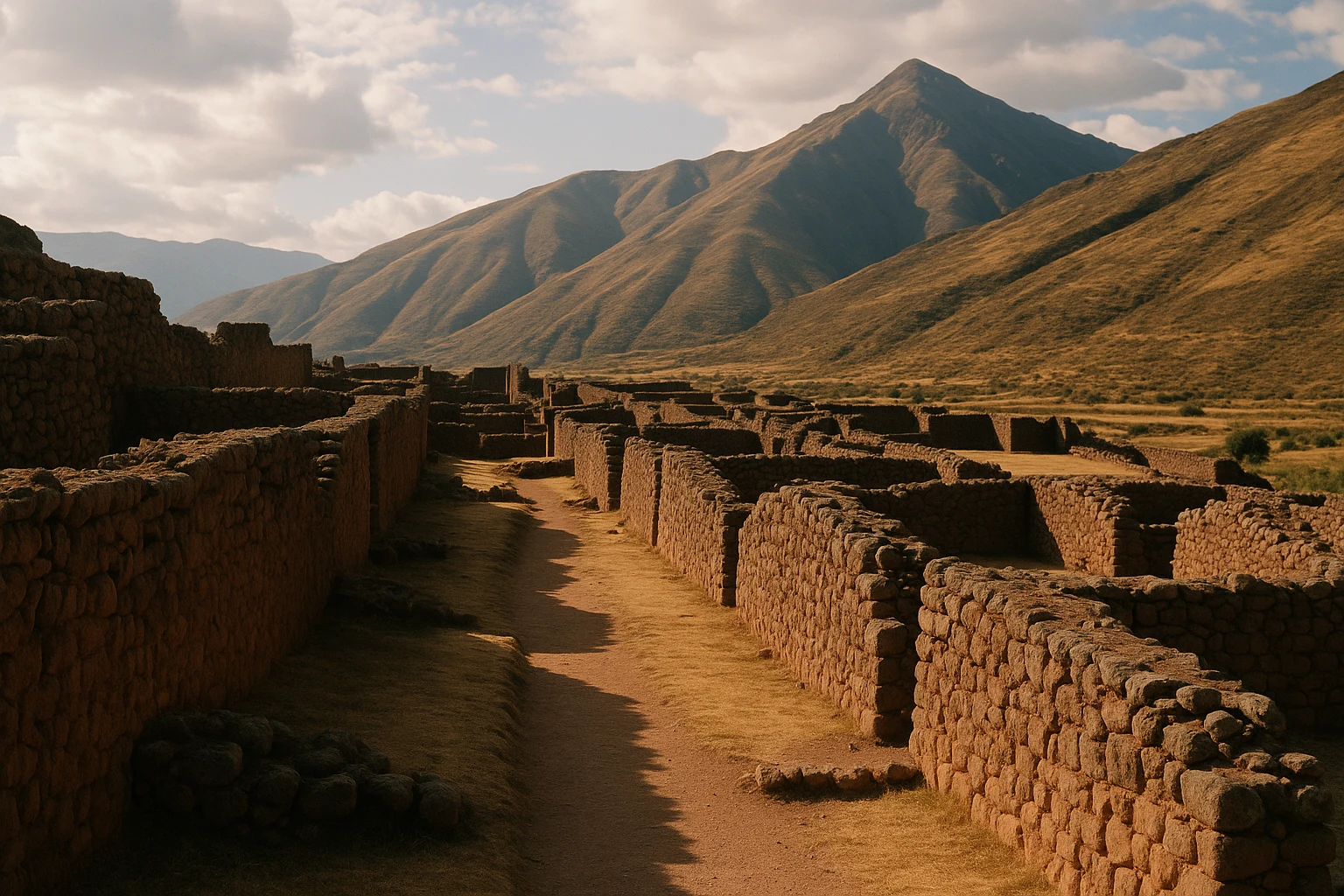
Pikillacta Peru Guide 2026: Wari Grid City & Andean Imperial Roads
Wari-Inca-Spanish colonialVisit Pikillacta in Peru's South Valley: Wari urban planning, major ruins, ticket logistics, transpo...
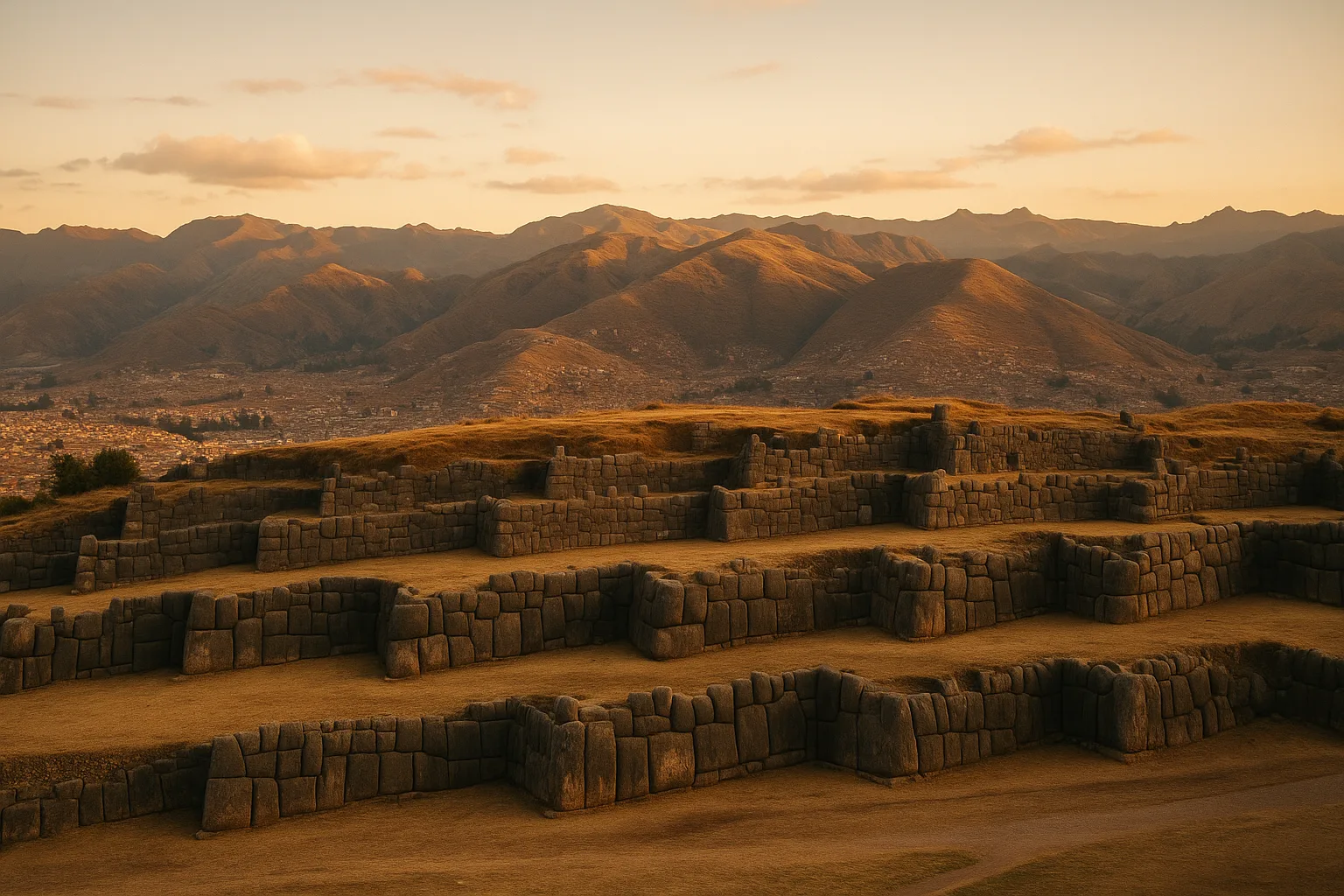
Sacsayhuaman Peru Guide 2026: Cyclopean Walls & Inca Ceremonial Fortress
IncaExplore Sacsayhuaman above Cusco: colossal Inca stonework, battle history, practical ticket logistic...
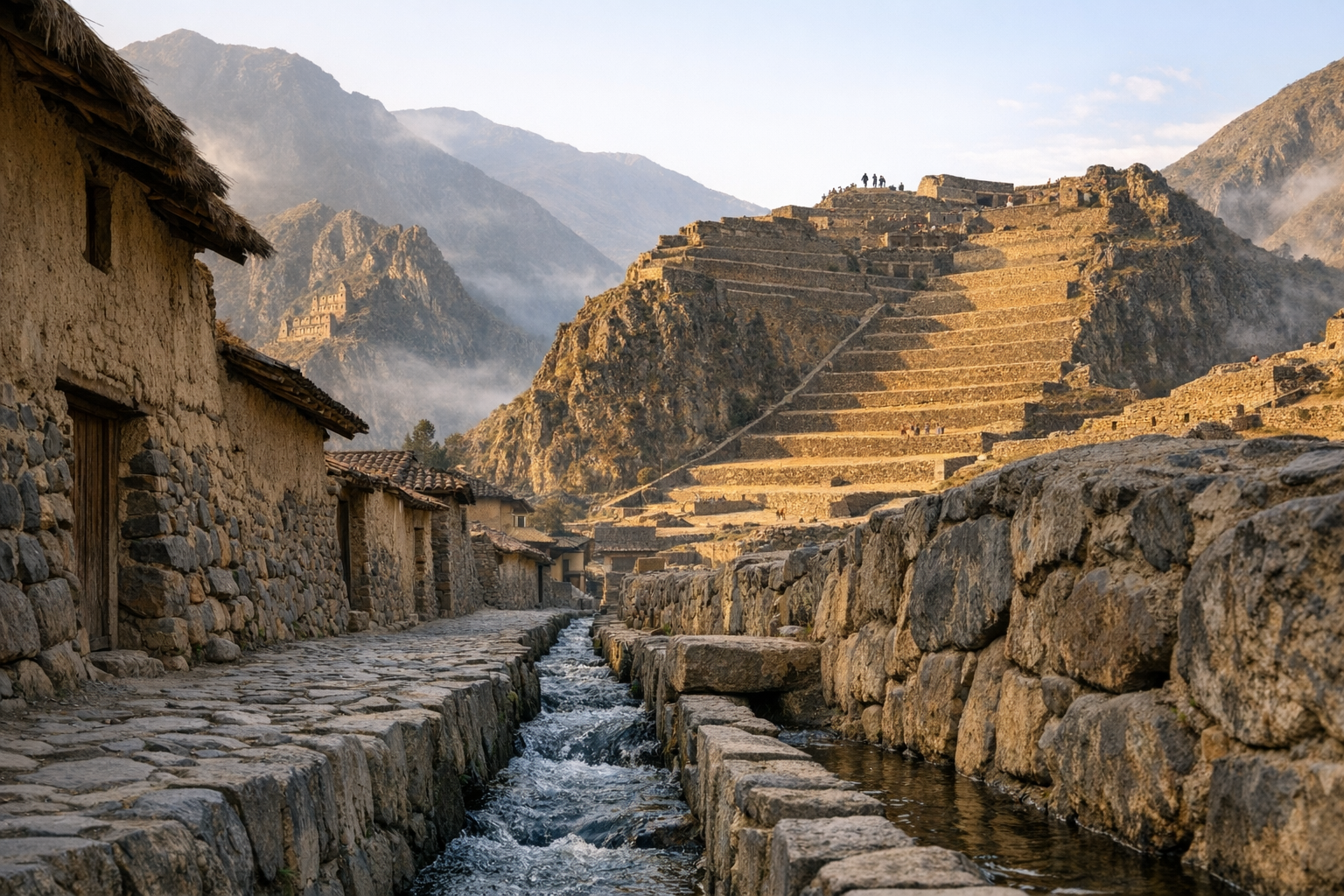
Ollantaytambo Peru Guide 2026: Inca Fortress & Sacred Valley Town
IncaVisit Ollantaytambo in Peru's Sacred Valley: explore the Inca fortress terraces, the Sun Temple, and...