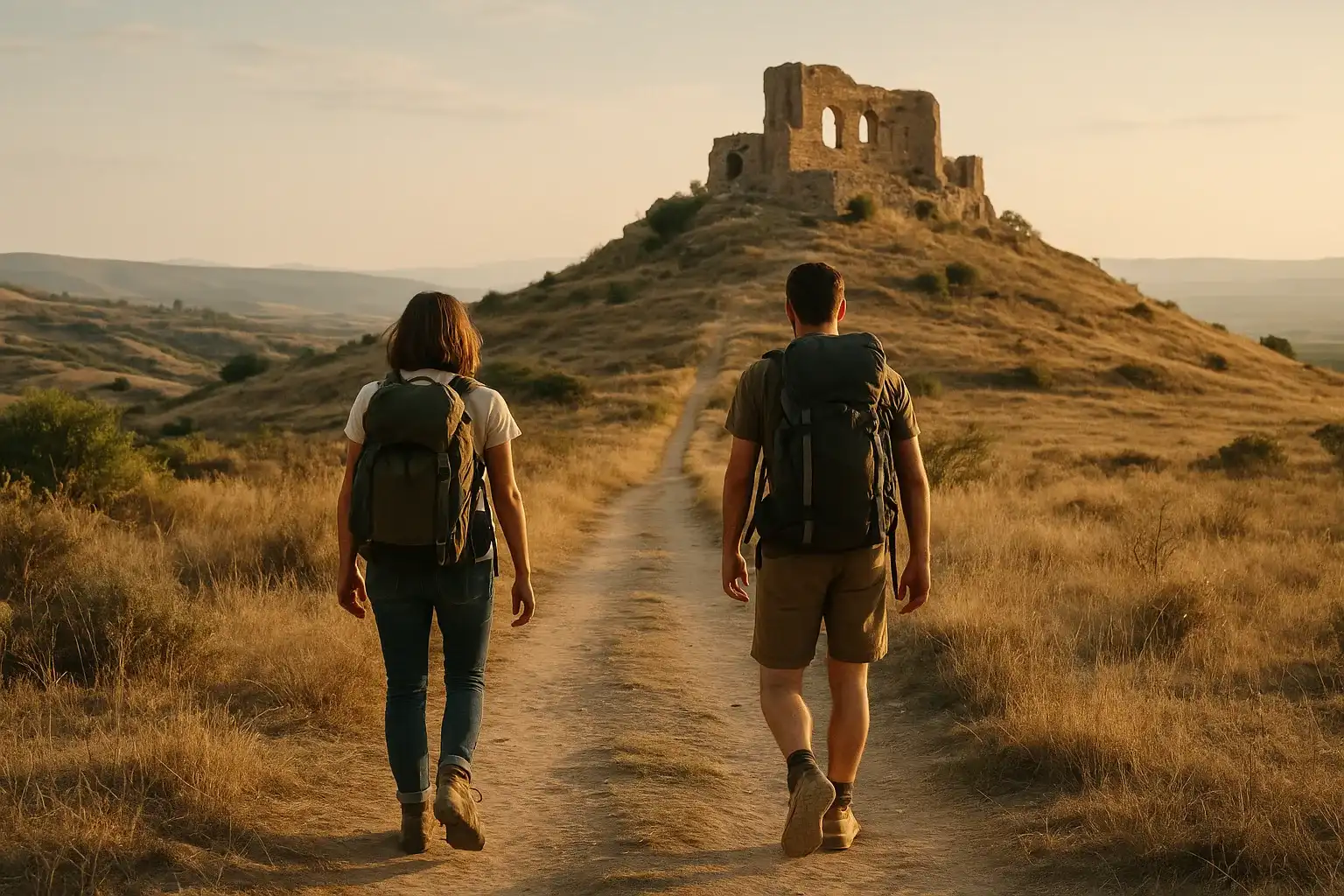
The wonders of the ancient world belong to everyone—not just luxury travelers on organized tours. From the mystical temples of Angkor Wat to the sun-baked ruins of Ephesus, from the jungle-shrouded pyramids of Tikal to the hidden Treasury of Petra, archaeological travel can be remarkably affordable with the right strategies.
This guide proves that budget constraints need not limit your exploration of human history. Whether you’re a student backpacking through Southeast Asia, a family watching costs on a Mediterranean holiday, or a retiree stretching a fixed income across multiple continents, ancient sites remain accessible. With smart destination choices, transportation hacks, and insider knowledge about passes and discounts, you can walk in the footsteps of pharaohs, emperors, and forgotten civilizations without emptying your wallet.
Why Archaeological Travel Doesn’t Have to Be Expensive
Archaeological sites themselves have existed for millennia without concern for modern economics. The entry fees, tour packages, and luxury accommodations surrounding them are recent additions. Strip away the tourism industry’s markup, and you’re left with stones, stories, and sunshine—all free or nearly so.
Furthermore, ancient sites tend to be located in regions with naturally lower costs of living. The same countries that host magnificent ruins—Cambodia, Guatemala, Turkey, Egypt—often offer inexpensive food, accommodation, and local transport. Your main expense becomes getting there; once arrived, daily costs can be remarkably low.
Finally, archaeological travel rewards preparation and independent exploration more than many other tourism niches. The budget traveler who reads history beforehand, walks rather than takes tours, and stays in local guesthouses often has a richer experience than the package tourist rushing past in air-conditioned buses.
Choosing Affordable Destinations: Best Value Ancient Sites
Southeast Asia: The Budget Traveler’s Paradise
No region offers better value for archaeological exploration than Southeast Asia. Your dollars stretch extraordinarily far here.
Cambodia - Angkor Wat:
- Daily budget: $25-40
- 1-day pass: $37, 3-day pass: $62, 7-day pass: $72
- Accommodation near Siem Reap: $8-15/night (hostels), $20-40/night (private rooms)
- Tuk-tuk for temple circuit: $15-25/day
Angkor alone justifies a Cambodian trip, but the country offers additional low-cost sites like Preah Vihear (stunning mountaintop temple) and Sambor Prei Kuk (pre-Angkorian ruins). Cambodia provides perhaps the world’s best ratio of archaeological splendor to expense.
Myanmar - Bagan:
- Daily budget: $30-45
- Bagan archaeological zone: $25 (one-time fee)
- E-bike rental for temple exploration: $5-8/day
- Accommodation: $10-25/night
Bagan’s landscape of thousands of temples offers a mystical experience rivaling Angkor at a fraction of the tourist crush. Myanmar requires more preparation due to political considerations, but archaeologically, it’s extraordinary value.
Indonesia - Borobudur:
- Daily budget: $25-40
- Borobudur temple: $25 (foreigners)
- Prambanan temple: $25 (foreigners)
- Combined ticket for both: $40
- Homestay accommodation: $10-20/night
Central America: Maya Ruins on a Shoestring
Mexico and Guatemala offer accessible, affordable ancient sites with fascinating Maya and Aztec ruins.
Mexico:
- Daily budget: $30-50
- Teotihuacan (Mexico City): $4.50 entry, $3-5 round-trip bus
- Chichen Itza: $25 entry, accessible by public bus from Merida
- Palenque: $3.50 entry, budget cabanas nearby from $15/night
- Tulum: Free to view from beach, $4 to enter (combining nicely with beach days)
Mexico’s excellent bus system (ADO, OCC) connects major archaeological zones inexpensively. First-class buses with A/C cost $20-40 for long journeys, while second-class buses are half the price.
Guatemala - Tikal:
- Daily budget: $35-50
- Tikal entry: $20
- Shuttle from Flores: $10 round-trip
- Accommodation in Flores: $8-20/night
Tikal offers a more wild, jungle-immersed experience than Mexican sites. Guatemala itself is more affordable but less developed than Mexico, suiting adventurous budget travelers.
The Middle East: Undervalued Archaeological Treasures
Some Middle Eastern countries offer exceptional archaeological value, particularly with multi-site passes.
Jordan:
- Daily budget: $35-55
- Jordan Pass is essential: JD70 ($99) includes visa + 40+ other sites
- Petra without Jordan Pass: $70/day (prohibitively expensive)
- Jerash: Included in Jordan Pass
- Amman citadel: Included in Jordan Pass
The Jordan Pass transforms an expensive destination into an affordable one. Budget accommodations in Petra ($15-30/night) and local restaurants (mansaf for $8-12) keep costs reasonable.
Turkey:
- Daily budget: $40-60
- Ephesus: €20
- Pamukkale/Hierapolis: €15
- Cappadocia underground cities: €5-10
- Museum Pass Turkey (€85): Most museums and sites, valid 15 days
Turkey offers incredible depth—Roman, Greek, Byzantine, and Ottoman layers—at moderate cost. Domestic buses (Metro Turizm, Kamil Koç) are comfortable and inexpensive.
Lebanon - Baalbek:
- Entry: $8
- Taxi from Beirut (split among travelers): $10-15/person
- Hostel accommodation in Beirut: $15-25/night
Baalbek’s Temple of Bacchus rivals the best-preserved Roman temples in the world at a fraction of the cost of comparable sites in Europe.
Mediterranean Europe: Budget Strategies
Greece and Italy host indispensable ancient sites but require higher budgets. Mitigate costs with strategic planning.
Greece:
- Daily budget: $60-80
- Combined Acropolis ticket: €30 (5 days, 7 sites)
- Individual site entries: €6-12 each
- Delphi: €12 (site + museum)
- Mycenae: €12
The combined Acropolis ticket pays for itself if visiting three sites. Free entry days (first Sunday November-March, specific holidays) offer savings opportunities. Our 10-day Greece itinerary provides budget-specific logistics for this route.
Italy:
- Daily budget: $70-100+
- State museums/sites: €5-15 each
- Free entry: First Sunday monthly, EU citizens under 18/seniors over 65
Italy is expensive but offers free entry opportunities. Visit on free Sundays, focus on less famous sites (Ostia Antica €10 vs. Colosseum €16), and stay in smaller towns near major sites.
Transportation Hacks for Budget Archaeological Travel
Bus Networks: The Backpacker’s Lifeline
Most archaeological regions have excellent, inexpensive bus networks:
- Greece: KTEL buses connect Athens to Delphi, Olympia, and the Peloponnese; routes are comfortable and reliable
- Turkey: Dense network of companies like Metro Turizm links all archaeological zones in luxury coaches
- Mexico: ADO and OCC buses are modern, cheap, and extensive
- Cambodia: Microbuses and shared taxis connect Siem Reap to remote temples
- Jordan: JETT buses serve Petra and other major sites from Amman
Always compare tourist shuttle prices to public bus options—tourist services often charge 2-3x more for marginal convenience gains.
Ride-Sharing and Hitchhiking
In some regions, informal ride-sharing saves money:
- Jordan: Shared taxis (service taxis) run fixed routes at fixed low prices
- Turkey: Dolmuş minibuses pick up passengers along routes
- Latin America: Colectivos (shared cars/vans) are ubiquitous and cheap
Hitchhiking is viable and generally safe in Turkey, Georgia, Armenia, and parts of Latin America, though always use judgment and local advice.
Budget Airlines to Archaeological Hubs
Budget carriers can get you to archaeological regions inexpensively:
- Ryanair/EasyJet: Mediterranean archaeological gateways (Rome, Athens, Malta)
- Pegasus: Turkey from European hubs
- AirAsia: Southeast Asia (Bangkok, Kuala Lumpur)
- Volaris: Mexico and Central America
Book 2-3 months ahead for best prices. Be aware of baggage restrictions that may complicate traveling with photography gear.
Rail Passes Where Applicable
Rail passes offer limited value for archaeological travel since most ancient sites aren’t on rail networks. However:
- Eurail Pass: Potentially useful for Italy’s archaeological cities
- Japan Rail Pass: If combining with visits to Kyoto temples
Generally, point-to-point bus tickets serve archaeological routes better than rail passes.
Local Transport vs Tourist Shuttles
Always compare options:
| Route | Tourist Shuttle | Local Transport | Savings |
|---|---|---|---|
| Athens to Delphi | €65 | €15 (KTEL) | €50 |
| Cusco to Ollantaytambo | $15 | $2 (colectivo) | $13 |
| Siem Reap to Angkor | $25 tour | $15 tuk-tuk hire | $10 |
| Merida to Chichen Itza | $50 tour | $8 (ADO bus) | $42 |
Local transport takes more planning but preserves your budget for actual site exploration.
Accommodation Strategies Near Ancient Sites
Hostels in Archaeological Towns
Most archaeological zones have nearby towns with budget accommodation:
- Siem Reap (Angkor): Hostels from $5-12/night
- San Ignacio (Xunantunich): Dorms $10-15
- Selçuk (Ephesus): Guesthouses $15-25
- Wadi Musa (Petra): Budget hotels $20-35
- Pompeii area: Hostels in Naples or Sorrento, $20-30
Guesthouses and Family Stays
Family-run guesthouses often offer better value than hostels:
- More included amenities (breakfast, WiFi, kitchen access)
- Local knowledge and sometimes home-cooked meals
- Support for local economies
Look for accommodations with kitchen access to save on restaurant meals.
Camping Near Sites
Some archaeological regions permit camping, dramatically reducing costs:
- Turkey: Camping near Pamukkale, Cappadocia
- Mexico: Camping at Chiapas sites (Palenque has nearby camping)
- USA: Dispersed camping near Southwest ruins (Mesa Verde, Chaco Canyon)
Always verify legality—never camp inside protected archaeological areas.
House-Sitting and Volunteering
For longer stays, consider:
- House-sitting: Watch homes while owners travel (TrustedHousesitters, HouseCarers)
- Archaeological volunteering: Participate in excavations—some offer accommodation (though often basic)
- WWOOFing: Work on organic farms near archaeological regions (common in Turkey, Greece, Italy)
These options require advance planning but enable extended travel on minimal budgets.
Booking Timing Strategies
- Book early for high season near major sites (Angkor, Machu Picchu, Petra)
- Walk and negotiate for low season—arrive and bargain in person for 30-50% discounts
- Stay slightly outside main tourist areas for significant savings (30-minute walk from Petra saves 50% on accommodation)
Eating Well on a Budget: Fuel for Site Exploration
Street Food and Local Markets
Archaeological sites often have nearby towns with excellent, cheap food:
- Mexico: Tacos ($1-2), tamales, fresh fruit
- Southeast Asia: Street noodles ($1-3), rice dishes, tropical fruit
- Turkey: Simit (sesame rings) ($0.50), gözleme, döner
- Greece: Gyros ($3-4), tiropita, fresh bread and olives
Eat where locals eat, not in restaurants facing tourist sites—prices drop 50% just by walking two blocks.
Cooking vs Eating Out
Accommodations with kitchen access save substantial money:
- Breakfast: Self-cooked eggs, bread, yogurt cost $2 vs. $8 at cafes
- Lunch: Packed sandwiches allow full days at remote sites without expensive on-site restaurants
- Dinner: Cooking 3-4 dinners per week saves $15-20/day
Local markets near archaeological zones offer fresh, cheap ingredients—and are cultural experiences themselves.
Water Bottle Refills
Archaeological exploration is dehydrating work, especially in hot climates. Buying bottled water constantly adds up:
- Carry a reusable bottle and purification method (tablets, filter bottle, UV pen)
- Refill at accommodation (hotels/hostels usually provide drinking water)
- If tap water is unsafe, buy large 5-liter jugs and refill your bottle
This saves $5-10/day in hot climates and reduces plastic waste at fragile sites.
Avoiding Tourist Restaurant Traps
Warning signs of overpriced food:
- Photo menus aimed at non-local languages
- Aggressive touts outside
- Location directly adjacent to major site entrances
- Prices not clearly displayed
Walk 5-10 minutes away, follow locals, and use apps like Google Maps to find highly-rated cheap eats.
Tickets, Passes, and Free Entry Opportunities
Regional Archaeological Passes
Smart pass usage saves hundreds of dollars:
Greece - Combined Acropolis Ticket:
- €30 for 5 days
- Includes Acropolis, Ancient Agora, Roman Forum, Kerameikos, more
- Breaks even at 3 sites
Turkey - Museum Pass:
- €85 for 15 days
- Covers most state museums and archaeological sites
- Pays for itself with intensive travel
Jordan - Jordan Pass:
- JD70 ($99) for Jordan Wanderer
- Includes visa (JD40 value) + 40+ attractions
- Essential if visiting Petra (otherwise $70/day)
Italy - Various city cards:
- Roma Pass: €34 (48hrs) or €45 (72hrs)
- Includes transportation + 1-2 free museums
- Value depends on your itinerary
Free Entry Days and Times
Many countries offer free museum/site days:
- Italy: First Sunday of each month, state sites free
- France: First Sunday monthly (Oct-March), many museums free
- Greece: First Sunday November through March
- UK: Many sites free year-round (National Trust/English Heritage have free days)
- Mexico: Sundays often free for citizens/residents; foreigners pay
Note that free days attract crowds—arrive early.
Student and Youth Discounts
The International Student Identity Card (ISIC) provides:
- 50% off at many archaeological sites in Europe
- Discounts on transportation and accommodation
- Worth the $25 annual fee for extensive archaeological travel
Under-26 discounts are common in Europe even without ISIC—always ask and bring ID.
Group Booking Savings
Some sites offer group rates for 10+ people. If traveling independently:
- Connect with other budget travelers at hostels
- Coordinate entry times to form ad-hoc groups
- Split the cost of private guides among group members
Guide Alternatives: Self-Guided and Low-Cost Learning
Free Audio Apps and Downloads
Avoid expensive audio guide rentals:
- Rick Steves Audio Europe: Free podcasts for major sites
- Google Arts & Culture: Virtual tours and information
- Official site apps: Many major sites now have free or cheap official apps
- YouTube walking tours: Watch before visiting for orientation
Download content on WiFi before visiting—mobile data is expensive and unreliable at remote sites.
PDF Guides and Research Papers
Academic resources provide depth:
- JSTOR/Open Access papers: Many archaeological papers are freely available
- Site excavation reports: Often published online by universities
- Project Gutenberg: Classic archaeology texts free and legal
Reading even one scholarly article before visiting adds layers of understanding.
Library Preparation Before Travel
Before departing, visit your local library:
- Check out guidebooks (Lonely Planet, Rough Guides for budget focus)
- Borrow historical overviews and archaeological surveys
- Watch documentaries (Kanopy is free with most library cards)
- Print maps and information
This preparation costs nothing and dramatically enriches your on-site experience.
YouTube Documentary Primers
Quality documentaries provide context:
- Timbuktu, Great Zimbabwe, Angkor Wat: BBC/National Geographic documentaries
- Pyramids, Petra, Machu Picchu: History Channel/Nova programs
- General archaeology: The Great Courses available through libraries
Watch during transit time to arrive prepared.
Connecting with Local Archaeology Students
University towns near major sites often have archaeology programs:
- Visit university bulletin boards for student guide services
- Offer language exchange (English practice for local guiding)
- Check if museums offer free student-led tours
This provides fresh perspectives and supports emerging archaeologists.
Technology That Saves Money on the Road
Offline Maps to Avoid Roaming
Download offline maps before travel:
- Google Maps: Download regional maps for offline use
- Maps.me: Detailed offline maps with GPS
- OsmAnd: OpenStreetMap-based, works entirely offline
Navigate confidently without expensive data charges or paper map purchases.
Translation Apps for Negotiating
Negotiating prices, reading signs, and understanding food:
- Google Translate: Download language packs for offline use
- Google Lens: Translate text in images (signs, menus)
- DeepL: Often more accurate than Google for European languages
Being able to communicate reduces being overcharged and increases confidence.
XE Currency for Real-Time Rates
Avoid mental math and scams:
- XE Currency: Real-time exchange rates, works offline with last update
- Prevents being overcharged by vendors using invented exchange rates
Splitwise for Group Travel
When traveling with others:
- Splitwise: Track shared expenses (transportation, accommodation, groceries)
- Settles debts fairly at trip’s end
- Avoids awkward financial conversations
Podcasts and Audiobooks as Free Education
Long bus rides between sites become learning opportunities:
- History of Rome Podcast: Free, comprehensive, entertaining
- Audible: Sign up for free trial before long trips
- LibriVox: Free public domain audiobooks
The Dan Carlin Hardcore History series on the Persian Wars is perfect preparation for Greek archaeological travel.
Sample Budget Breakdowns by Region
Southeast Asia (Cambodia, Myanmar)
Daily Budget: $25-40
| Category | Low | Mid |
|---|---|---|
| Accommodation | $8 | $20 |
| Food | $5 | $12 |
| Transport | $5 | $10 |
| Sites/Activities | $10 | $15 |
| Daily Total | $28 | $57 |
Two weeks: $400-800 total
Central America (Mexico, Guatemala)
Daily Budget: $30-50
| Category | Low | Mid |
|---|---|---|
| Accommodation | $12 | $25 |
| Food | $8 | $15 |
| Transport | $5 | $12 |
| Sites/Activities | $8 | $12 |
| Daily Total | $33 | $64 |
Two weeks: $460-900 total
Middle East (Jordan, Turkey)
Daily Budget: $35-55
| Category | Low | Mid |
|---|---|---|
| Accommodation | $15 | $30 |
| Food | $8 | $15 |
| Transport | $5 | $10 |
| Sites/Activities | $12 | $20 |
| Daily Total | $40 | $75 |
Two weeks: $560-1050 total
Mediterranean (Greece, Italy on budget)
Daily Budget: $50-80
| Category | Low | Mid |
|---|---|---|
| Accommodation | $25 | $45 |
| Food | $12 | $20 |
| Transport | $8 | $15 |
| Sites/Activities | $10 | $15 |
| Daily Total | $55 | $95 |
Two weeks: $770-1330 total
Building Long-Term Trips on Limited Budgets
Slow Travel Savings
The slower you travel, the less you spend:
- Weekly accommodation rates often 30% cheaper than nightly
- Cooking yourself saves massive amounts vs. restaurants
- You learn local prices and avoid tourist premiums
- Regional transport replaces long-distance flights
Base yourself near archaeological regions for 2-4 weeks rather than country-hopping.
Volunteer Opportunities
Some organizations offer archaeological volunteering:
- Earthwatch: Participate in digs (costs money but less than equivalent tours)
- Past Horizons: Lists archaeological opportunities worldwide
- Local museums: Sometimes accept volunteers for free entry
Working Holiday Visas
For longer archaeological travel:
- Working Holiday Visas: Available for citizens of many countries (Australia, New Zealand, Singapore offer to multiple nationalities)
- Teach English: TEFL positions in archaeological regions (Egypt, Turkey, Southeast Asia) fund explorations
- Remote work: Many hostel/hostel common spaces have WiFi for digital nomads
Ethical Budget Considerations
Paying Fair Prices
Budget travel shouldn’t exploit poverty:
- Don’t negotiate so hard that locals lose money
- Recognize when something is genuinely inexpensive vs. exploitatively cheap
- Tip appropriately in cultures where it’s expected
- Pay entry fees even when “no one is watching”—conservation funding matters
Supporting Local Guides When Possible
While this guide emphasizes self-guided travel, consider hiring local guides for at least one major site per country:
- Provides livelihood for local expertise
- Creates human connections
- Often teaches more than any book
Budget for one guided experience as a trip priority.
Respecting Paid Entry (Conservation Funding)
Entry fees fund essential conservation:
- Don’t sneak into paid sites
- Don’t use loopholes that compromise preservation
- Recognize that your fee maintains these places for future generations
Community-Based Tourism Benefits
Seek experiences that benefit local communities:
- Family-run guesthouses over international chains
- Local guides over international tour companies
- Restaurants employing local staff
- Shops selling locally-made crafts
Your spending can either extract value from communities or support their flourishing.
Your Ancient Adventure Awaits
The world’s ancient wonders don’t discriminate based on bank account balance. From the $3 entry fee at Palenque to the free walks through Volubilis, from the Jordan Pass making Petra accessible to the combined ticket stretching your euros at Greek sites, archaeological exploration remains democratic.
What budget travel requires in planning and flexibility, it repays in authentic experiences. The local bus to Ephesus carries you with Turkish families, not just tourists. The $8 hostel in Siem Reap introduces you to fellow adventurers from around the world. The self-guided reading you do beforehand deepens your understanding beyond what any tour guide could provide.
Pack your bags, charge your camera, and start reading. The ancients left their stories in stone for all of us—not just for those with deep pockets. Your budget archaeological adventure begins now.