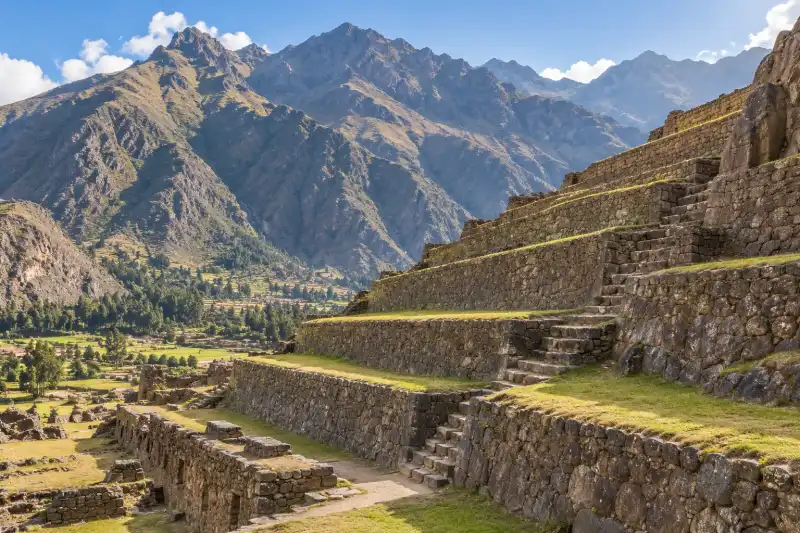
What this week is and is not
This is a southern Peru route built around the transition from coastal museum context to Inca landscapes. It is not a sprint across every archaeological region in the country. Seven days cannot responsibly include Nazca, the north coast, Lake Titicaca, and Cusco as if Peru were a theme park with teleporters.
Day 1: Lima museums and arrival
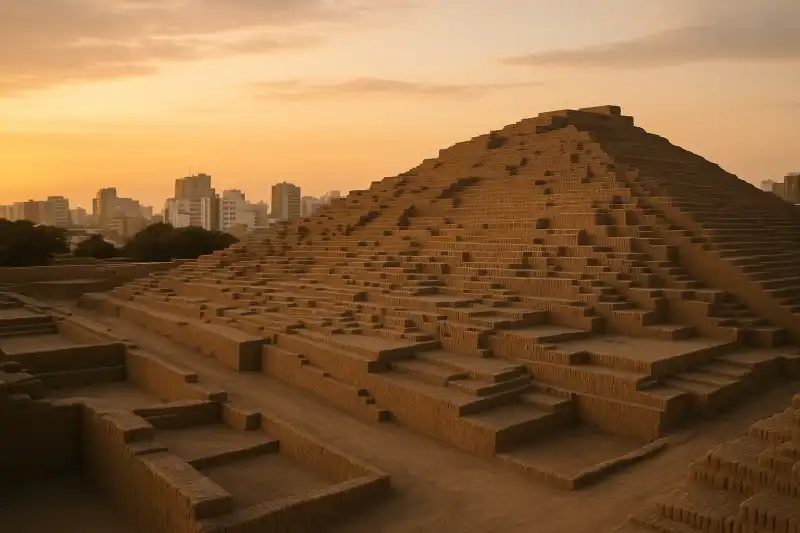
Use Lima for museum context and a calm arrival. Huaca Pucllana is a useful urban counterpoint, but do not make the first day too ambitious.
Day 2: Lima to the Sacred Valley
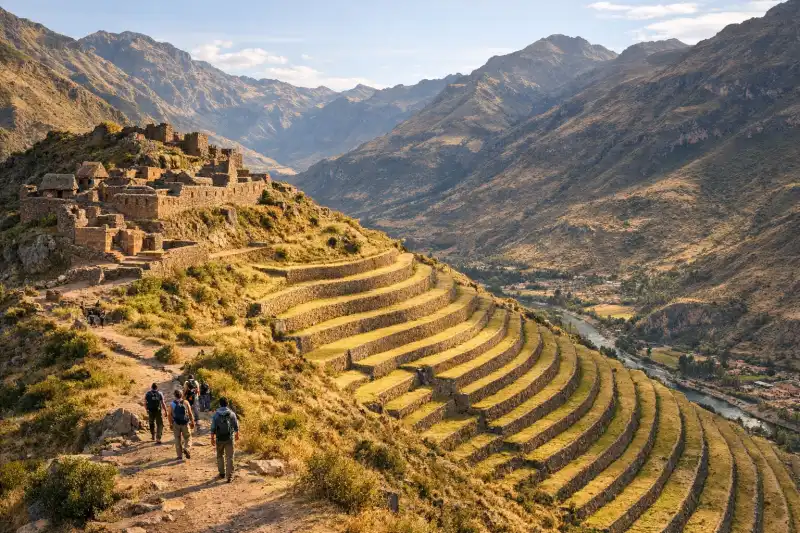
Travel to the Cusco region and sleep in the Sacred Valley rather than immediately pushing yourself through a major site. Altitude affects people differently, and a sensible arrival day gives the following days a much better chance.
Day 3: Pisac and Ollantaytambo
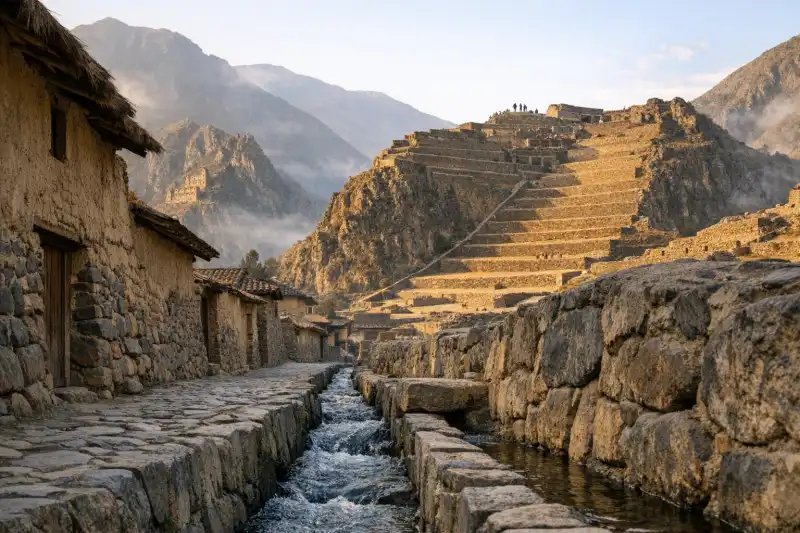
Visit Pisac with time to understand both the settlement and agricultural terraces. Continue to Ollantaytambo only after you have agreed on luggage and rail logistics. This is a good overnight because it reduces transfer friction before Machu Picchu. Keep current transport and ticket rules in the hands of the relevant operator, not an itinerary written months earlier.
Day 4: Machu Picchu
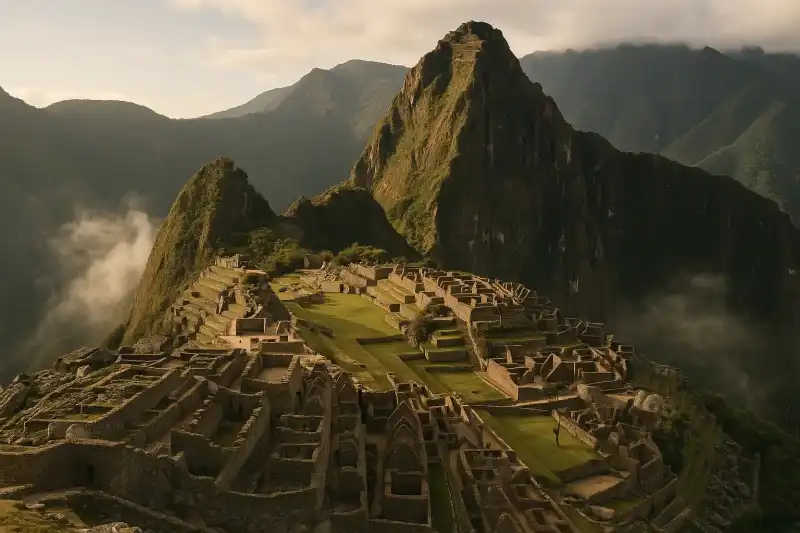
Machu Picchu needs a ticketed circuit, a timed transport plan, and a willingness to follow the route you are assigned. Use the official Machu Picchu information and official ticket channels before travel. Do not buy a route based on a social post, and do not assume a particular terrace, trail, or viewpoint is included in every circuit. Take the morning slowly. The site is more legible when you are not racing a return connection.
Day 5: Return to Cusco
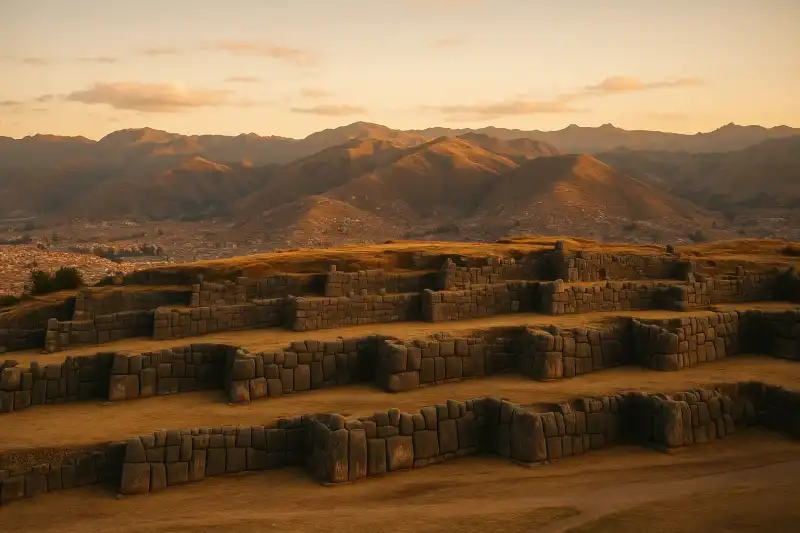
Return to Cusco and use the first afternoon gently. Leave space for Cusco itself, including Coricancha, because the colonial city sits directly on top of an Inca capital.
Day 6: The nearby Inca landscape
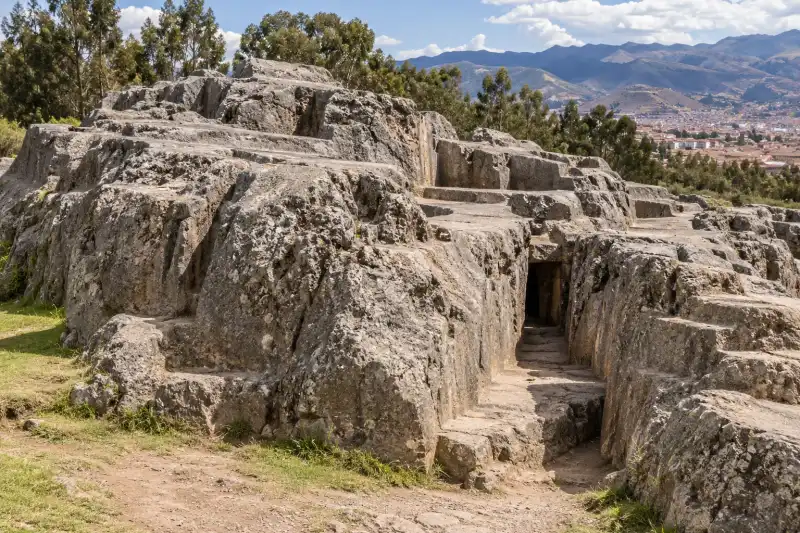
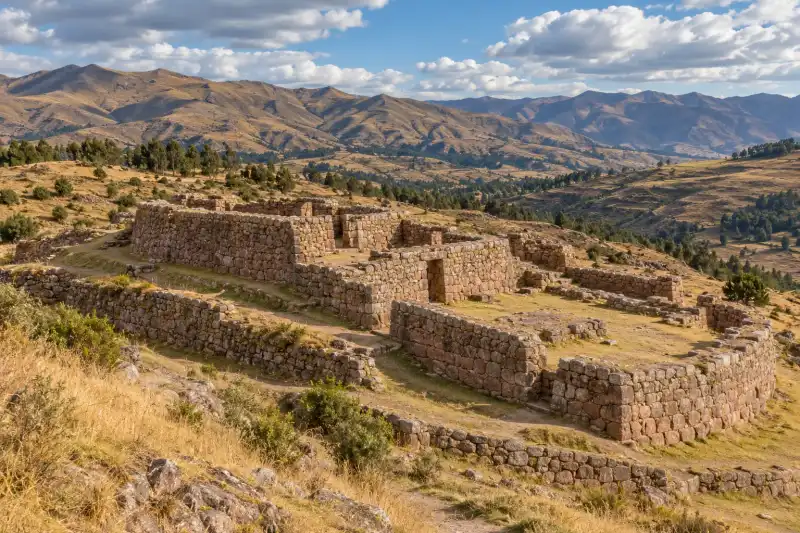
Group Sacsayhuaman, Qenqo, Puka Pukara, and Tambomachay according to current access and your energy. These places work as a landscape of roads, water, stonework, and ritual rather than four separate ticks.
Day 7: a buffer with purpose
Use the final day for a museum, a return to Coricancha, Qenqo if it was missed earlier, or a departure buffer. It is deliberately unheroic. Missed trains, weather, changing site controls, and altitude fatigue all happen. A flexible day is what keeps the rest of the week from collapsing like a badly stacked cairn.
Health and practical notes
For current altitude guidance, read the CDC Yellow Book. Acclimatization is not a test of toughness. If any altitude-illness symptoms appear, do not ascend higher. If symptoms worsen while resting at the same elevation, descend and seek urgent medical assessment. Confusion, loss of coordination, or shortness of breath at rest require urgent care and descent. This is travel planning, not personal medical advice. Confirm current entry conditions, circuits, transport, and weather with official providers immediately before each move.
Planning questions
Quick route summary
This itinerary uses practical overnight bases and one main archaeological priority each day. Recheck official access and transport information immediately before travel.
Who this itinerary is for
Travelers who want archaeological context, realistic transfers, and room to slow down at the major sites.
Route at a glance
- Day 1: Lima museums and early cultures. Overnight: Lima.
- Day 2: Lima to the Sacred Valley. Overnight: Sacred Valley.
- Day 3: Pisac and the valley. Overnight: Sacred Valley.
- Day 4: Machu Picchu. Overnight: Aguas Calientes or Cusco.
- Day 5: Return to Cusco. Overnight: Cusco.
- Day 6: Cusco and nearby Inca sites. Overnight: Cusco.
- Day 7: Cusco museum or departure. Overnight: Cusco.
Practical logistics before you go
Confirm tickets, local transport, weather, and any closure notices with the relevant official authority. No fixed fares, timetable times, capacity, or ticket availability are promised here.
The historical thread
The route connects individual monuments to the civic, religious, domestic, and landscape systems that made them meaningful.
Transportation notes
Protect each transfer day and choose the current rail, road, or local-transport option that best fits your dates.
Optional add-ons and swaps
Extend the trip or replace a day rather than stacking an extra major site onto a full archaeological visit.
Shorter and longer itinerary options
Shorten from the outermost excursion; lengthen with a museum or rest day, not a larger daily checklist.
Related ancient sites
FAQ
Use current official site and transport information close to departure; the route is a planning framework rather than a guarantee of access.