Quick Info
Curated Experiences
Cape Sounion and Temple of Poseidon Half-Day Trip from Athens
Sunset Tour to Cape Sounion and Temple of Poseidon
Private Tour: Cape Sounion and Temple of Poseidon from Athens
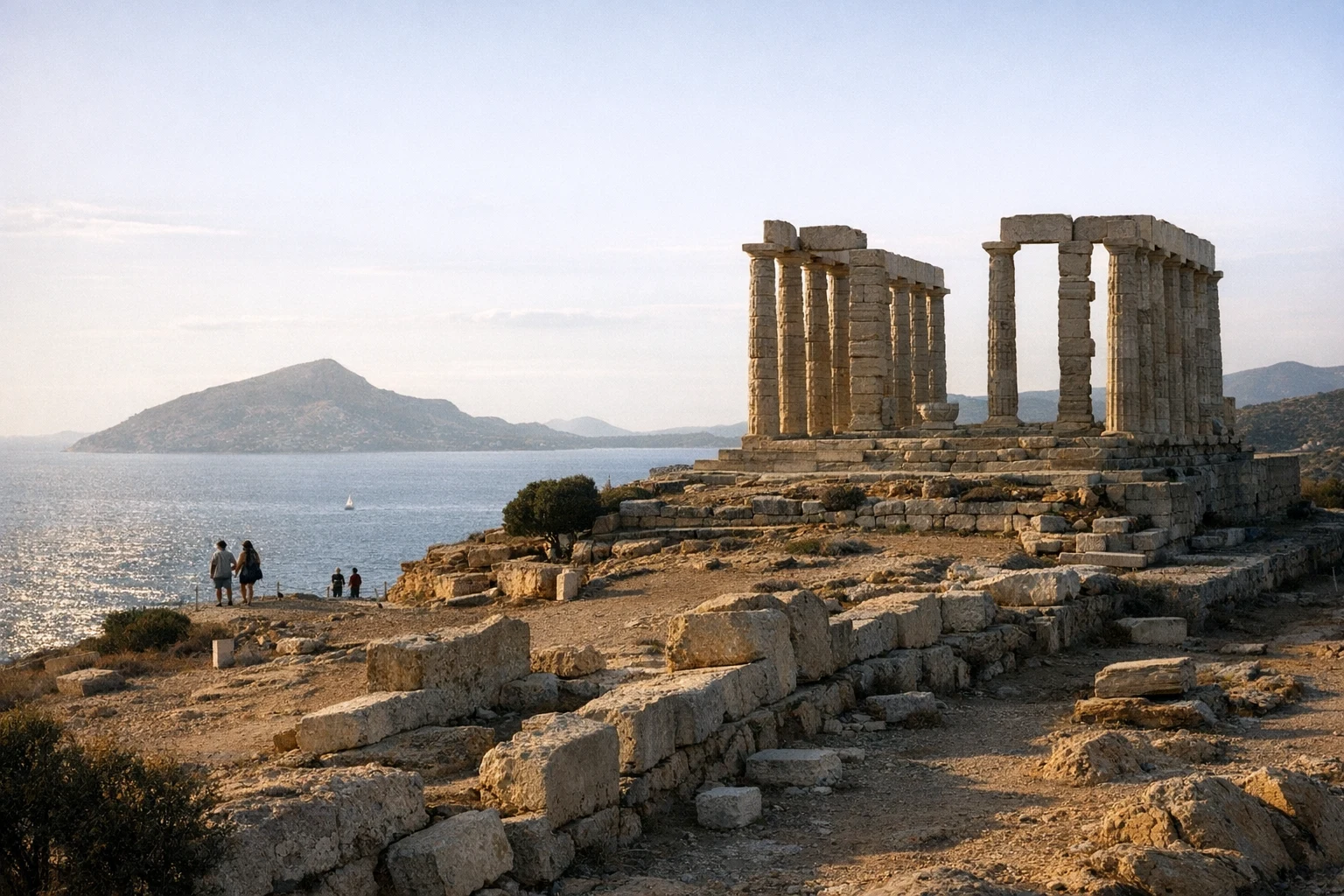
Perched boldly atop the steep cliffs of the Attica peninsula, Sounion in Greece commands one of the Mediterranean’s most breathtaking vistas. The legendary headland, rising majestically 60 meters above the cerulean sweep of the Aegean Sea, has enthralled travelers, artists, poets, and pilgrims since antiquity. As you approach Sounion, it is the gleaming white columns of the ancient Temple of Poseidon that immediately seize your attention, stark and luminous against an ever-changing sky. This hallowed sanctuary exists for those who love both natural drama and storied history, and it is no surprise that Sounion was a famed anchor point for sailors and adventurers returning to Athens. Here, past and present mesh in an intoxicating mix of myth, wind, sea spray, and dazzling sunlight.
Located at the southernmost tip of Attica and just an hour’s drive from the bustling heart of Athens, Sounion is more than a mere archaeological site; it is a place where the echoes of the classical world persist, and the romance of the Greek landscape is at its most passionate. The Temple of Poseidon, guardian over seafarers and desolate coasts since the 5th century BCE, was once a beacon for ancient Athenians and a marker for incoming ships. Today, the site attracts thousands who come not only to contemplate the ruins themselves, but also to witness the legendary sunsets that set the sea and stone aflame with gold, crimson, and indigo. The mythic association of the place, especially the poignant story of King Aegeus and his tragic leap, only deepens Sounion’s enchanting hold on the imagination.
For travelers seeking an experience that weaves together mythology, classical architecture, and the sheer elemental splendor of the Greek seascape, Sounion offers a destination where every visit feels singular and memorable. Whether standing in silent awe before the temple’s Doric columns or gazing across the horizon as the sun melts into the Aegean, you are sure to feel the ancient magic that has lingered here for millennia.
History
Mycenaean and Early Greek Era
The cliffs of Sounion have been a place of reverence and strategic significance since the dawn of recorded history. Archaeological evidence shows that as early as the Bronze Age (circa 13th–12th centuries BCE), Sounion was occupied by Mycenaean Greeks. Pottery shards, fragments of fortifications, and the remnants of an early shrine indicate that the headland was already recognized for its unique prominence and defensive advantages. Its proximity to the vital maritime routes running through the Saronic and Aegean Seas gave Sounion an outsized role in the ancient trade and communication networks that flourished throughout the Mediterranean basin.
By the Geometric and Archaic periods (9th–6th centuries BCE), Sounion had become a well-established sanctuary devoted to Poseidon, lord of the sea. It was at this time that the area’s religious and maritime associations were solidified, with sailors and naval commanders regularly stopping at the cape to honor the deity before embarking on perilous voyages. Early references in Homer’s “Odyssey” allude to Sounion as a resting point and a sacred station for returning Achaean heroes.
Classical Flourishing: The Temple of Poseidon
The most significant period of construction at Sounion came in the middle of the 5th century BCE, at the height of the Classical era. In the shadow of the Persian Wars and the subsequent ascendancy of Athens as a maritime power, the Athenians diverted considerable resources to the fortification and monumentalization of key sites around their territories. The current Temple of Poseidon was erected circa 444–440 BCE, replacing an earlier Archaic structure that may have been destroyed during the Persian invasion of 480 BCE.
This new temple, constructed from locally quarried white marble, was designed in the Doric order, with fluted columns and a peristyle typical of the austere elegance cherished by classical architects. The sanctuary complex included altars, votive offerings, and even a smaller temple dedicated to Athena Sounias, reflecting Sounion’s role as a religious crossroads. Inscriptions from the period reveal offerings left by both private citizens and Athenian generals giving thanks for safe passage or naval victories.
Simultaneously, the strategic and military functions of Sounion were reinforced. Fortifications and lookout points were constructed to secure Athens’ vital grain and trade convoys from piracy and hostile fleets navigating the nearby straits. The promontory thus became not only a spiritual haven but also a lynchpin in the defense of Athens and its empire. The temple’s placement allowed departing Athenian sailors to view their city’s final landmark, and returning mariners recognized that home was close at hand.
Hellenistic, Roman, and Medieval Periods
Following the decline of Athenian power after the Peloponnesian War, Sounion retained its local significance but receded from the broader political stage. During the Hellenistic and Roman eras, the site continued to host religious rituals, and its evocative setting drew the attention of writers and travelers, including the famed geographer Strabo and Roman tourists. Inscriptions and graffiti from these later visitors—some still visible on the marble columns—offer fascinating glimpses into Sounion’s enduring appeal as a touchpoint for adventurers and poets.
By the Byzantine and medieval periods, the temple complex was largely abandoned, though its ruins remained a reference point for passing ships, a beacon for the superstitious and the hopeful alike. Legends attached to Sounion, particularly that of King Aegeus, whose sorrowful leap into the sea gave the Aegean its name, maintained the site’s mythological resonance throughout the centuries.
Rediscovery and Modern Era
European travelers and philhellenes of the 17th to 19th centuries “rediscovered” Sounion, inspired by the evocative verse of Lord Byron—who famously carved his name into a temple column—and the Romantic fascination with ancient Greece. Systematic archaeological investigation began in the 19th and early 20th centuries, revealing the extensive sanctuary area, defensive walls, and myriad artifacts that provide insights into daily life at Sounion through the ages.
Today, the Temple of Poseidon stands as one of the best-preserved classical monuments in Greece, symbolizing not only the artistic achievements of the ancient Athenians but also the enduring allure of the legendary Greek landscape. The site is managed by the Hellenic Ministry of Culture and is a centerpiece of Greek heritage, attracting archaeologists, historians, and tourists from all over the world.
Key Features
Rising stark and proud against the Attic sky, the Temple of Poseidon at Sounion is a masterpiece of ancient Greek architecture and a testament to the artistry of its builders. Its setting alone—perched high above sheer cliffs with the Aegean roaring below—ensures an unforgettable first impression. But the temple also offers much to see and savor once you pause to explore its defining features and the surrounding ancient sanctuary.
The heart of the site is the Temple of Poseidon itself, whose gleaming marble columns have withstood two and a half millennia of wind, salt, and sun. Of the original Doric temple, sixteen columns remain standing today, each nearly 6 meters in height. Though the roof and inner sanctum are long lost, the powerful symmetry and proportion of the structure are as impactful now as they were in antiquity. The columns, with their characteristic flutes and robust capitals, echo the aesthetic ideals that made Athens’ Golden Age so influential: harmony, strength, and clarity. Walking among them, you feel the mighty connection between land, sea, and sky that inspired their creation.
Scattered around the main temple are traces of the larger sanctuary complex. The foundations of altars, boundary walls, and subsidiary shrines hint at the wider religious life of Sounion, while the remnants of a small temple dedicated to Athena Sounias, just a short walk to the north, reveal the peninsula’s spiritual diversity. Votive pits and inscriptions discovered here speak to thousands of years of worship, with offerings from merchants, sailors, and statesmen alike.
Equally captivating are the defensive works that surround Sounion’s peak. The ancient fortifications—substantial walls built to guard against pirates and invaders—demonstrate the location’s strategic significance to Athens. Bastions, towers, and gates still trace the outline of the promontory, and the view from atop them is little changed since antiquity: endless blue sea dotted with islands and passing ships.
For many visitors, the standout experience is witnessing the interplay of light and landscape. At dawn and twilight, the marble takes on subtle hues of rose and gold; on clear days, the islands of the Cyclades hover on the horizon. The legendary “Sounion Sunset” is justly famous—watching the sun slip behind the columns and the Aegean spread its colors is a rite of passage in itself. The drama of the setting inspired not only the ancient Greeks, but also generations of artists and writers, Lord Byron chief among them, who immortalized his visit in verse and etched his name into the soft marble.
Surrounding the sanctuary, accessible footpaths allow you to wander further afield, soaking in fragrant thyme and wild herbs underfoot. The descent to nearby beaches—although steep—is worthwhile for a cooling swim in the same crystalline waters once sacred to Poseidon. A modern visitor center, small museum, and café provide context, comfort, and an opportunity to pause and enjoy the scenery with a drink or snack.
In every direction, Sounion offers an evocative blend of human achievement and natural splendor. Whether you come as an admirer of ruins, a seeker of myth and legend, or simply someone in search of profound beauty, the site delivers an experience that lives long in memory.
Getting There
Reaching Sounion from Athens and other parts of Attica is straightforward, with a variety of transport options to match different travel styles. The site’s proximity to the Greek capital—roughly 70 kilometers (about 44 miles) southeast—makes it ideal for a half-day or full-day excursion, either independently or as part of a guided group.
The most popular and convenient way to reach Sounion is by car. The coastal drive along the Athens-Sounion road (Leoforos Poseidonos and Leoforos Souniou) is regarded as one of the most scenic routes in Greece, hugging the Saronic Gulf and passing a string of picturesque beach towns, coves, and seaside tavernas. Rental cars are widely available in Athens; a day’s hire typically costs between €30 and €60, with the journey to Sounion taking about 75–90 minutes depending on traffic. Ample parking is available at the site’s entrance, with a small fee during peak season.
For those preferring not to drive, several public transportation options exist. KTEL Attikis buses depart regularly from Athens’ Pedion Areos terminal, with up to 5–6 daily departures during the tourist season and slightly reduced schedules in winter. The trip takes approximately two hours and costs around €6–€7 each way. Check schedules in advance, especially if visiting outside peak months, as service may finish before sunset.
Guided tours are a popular alternative, offering the convenience of organized transport, informative commentary, and often combined stops at beaches or nearby sites. Prices for half-day tours from Athens typically range from €40 to €70 per person, depending on group size and inclusions (such as meals or museum tickets). Sunset tours are especially in demand and should be booked ahead, especially in summer.
Adventure enthusiasts and cycling aficionados occasionally opt for bike rides down the coast, though the route is long and demands good fitness and road awareness. For the truly ambitious, private transfers and chauffeured vehicles are also available, ensuring a comfortable and personalized journey.
However you travel, bear in mind that the return back to Athens—especially after sunset tours—can involve some traffic along the narrow coastal road, so plan accordingly. Overall, the journey to Sounion is a delight in itself, offering glimpses of the Attic countryside and the sparkling blue expanse of the Aegean at every turn.
When to Visit
Sounion welcomes visitors year-round, but timing your trip can greatly enhance the experience. Each season brings its own unique charm and practical considerations, making it essential to weigh your travel priorities before setting out.
Spring (March to May) is widely regarded as the ideal time to visit Sounion. Mild temperatures, lush wildflowers, and relatively thin crowds make exploring both the temple and the surrounding landscape especially pleasant. Clear skies and lengthening days mean you can comfortably linger for sunset without feeling rushed. Early summer (June) is also a wonderful period, with vibrant blue seas and manageable visitor numbers.
Summer, particularly July and August, is the busiest season. Under the Mediterranean sun, temperatures frequently reach 30°C (86°F) or higher, and both tourists and locals flock to the temple for either day trips or the legendary sunset viewing. While the crowds can be substantial, the long evenings allow for later visits, and the adjacent beaches invite refreshing swims. Do bring plenty of water, sunscreen, and a hat, as the exposed site offers minimal shade.
Autumn (September to early November) provides an excellent alternative to the peak summer rush. The Aegean remains warm for swimming, the countryside is still green, and the number of visitors begins to drop. Days are generally clear, light is softer, and sunsets can be particularly atmospheric. Off-season (November to February) sees the fewest visitors, and while the site becomes quieter and the ruins all the more atmospheric, some facilities—including the on-site café and public transport schedules—may be reduced. Winter weather can be unpredictable and occasionally rainy, but the experience of near solitude among the ancient columns has its own magic.
Whenever you visit, sunset remains the most celebrated and memorable time at Sounion. The temple framed against cobalt and fire-lit seas makes for splendid photography and enduring memories. Arrive at least an hour before sunset for the best spots and to explore before the light fades. If visiting in the heat of summer or the cool of winter, plan your wardrobe accordingly, with sturdy shoes for the rocky paths and extra layers as breezes on the headland can be brisk at any time of year.
| Quick Facts | Details |
|---|---|
| Location | Cape Sounion, Attica, Greece |
| Distance from Athens | ~70 kilometers (44 miles) southeast |
| Architectural Style | Classical Greek Doric |
| Date Built | Circa 444–440 BCE |
| Main Deity Worshipped | Poseidon, god of the sea |
| Site Facilities | Parking, café, restrooms, small museum/info center |
| Entrance Fee | ~€10 adults (reduced rates for students, seniors) |
| Opening Hours | Daily, generally 9:00 am to sunset (last entry 20–30 min before) |
| Best Time to Visit | Sunset; spring and early autumn for mild weather |
| Accessibility | Moderate climb; some areas accessible, but uneven paths |
| Notable Nearby Sites | Acropolis (Athens), Ancient Agora, Corinth, Delphi |
| Famous Visitors | Lord Byron, many artists and writers |
| Return Transport | Bus to Athens (~€7), car hire, or guided tour |
| Swimming Opportunities | Yes; beaches at the foot of the cape |
Frequently Asked Questions
Is it possible to visit Sounion as a day trip from Athens?
Yes, Sounion is a popular day trip destination from Athens, located about 70 km southeast of the city. Various tours and regular buses operate between Athens and Sounion.
What is the main attraction at Sounion?
The iconic Temple of Poseidon, perched high above the Aegean Sea, is the main attraction at Sounion. It's famous for its breathtaking seaside views and ancient history.
What are the opening hours and entry fees?
The archaeological site is typically open from 9:00 am until sunset, with last entry 20-30 minutes before closing. Tickets for adults usually cost around €10, and discounts are available for students and seniors.
Is Sounion accessible for visitors with reduced mobility?
The access to the temple involves a moderate climb on an uneven path, which may be challenging for those with limited mobility. Some areas near the parking and viewpoint are accessible.
What is the best time to visit the Temple of Poseidon?
Sunset is considered the most spectacular time to visit Sounion, as the temple is illuminated against the colors of the Aegean and the coastline.
How long should I plan to spend at Sounion?
Most visitors spend 1–2 hours exploring the temple, enjoying the views, and possibly relaxing at nearby beaches or tavernas.
Are there facilities like food and restrooms at the site?
Yes, there is a café and restroom facilities near the entrance to the archaeological site.
Nearby Ancient Sites
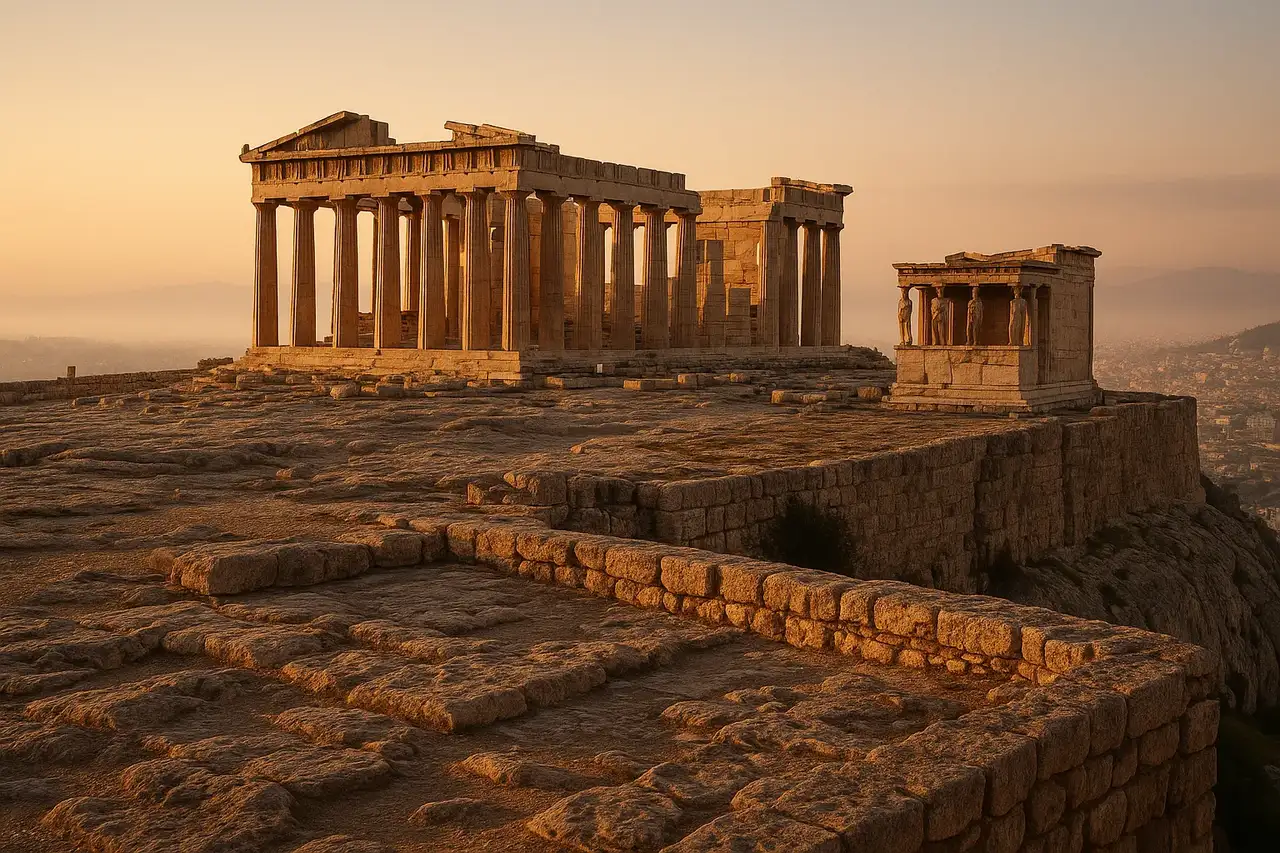
Acropolis Travel Guide 2026: Parthenon, Tickets, and Best Time
Ancient GreecePlan an efficient Acropolis visit with practical ticket timing, key monuments, and museum pairing ti...
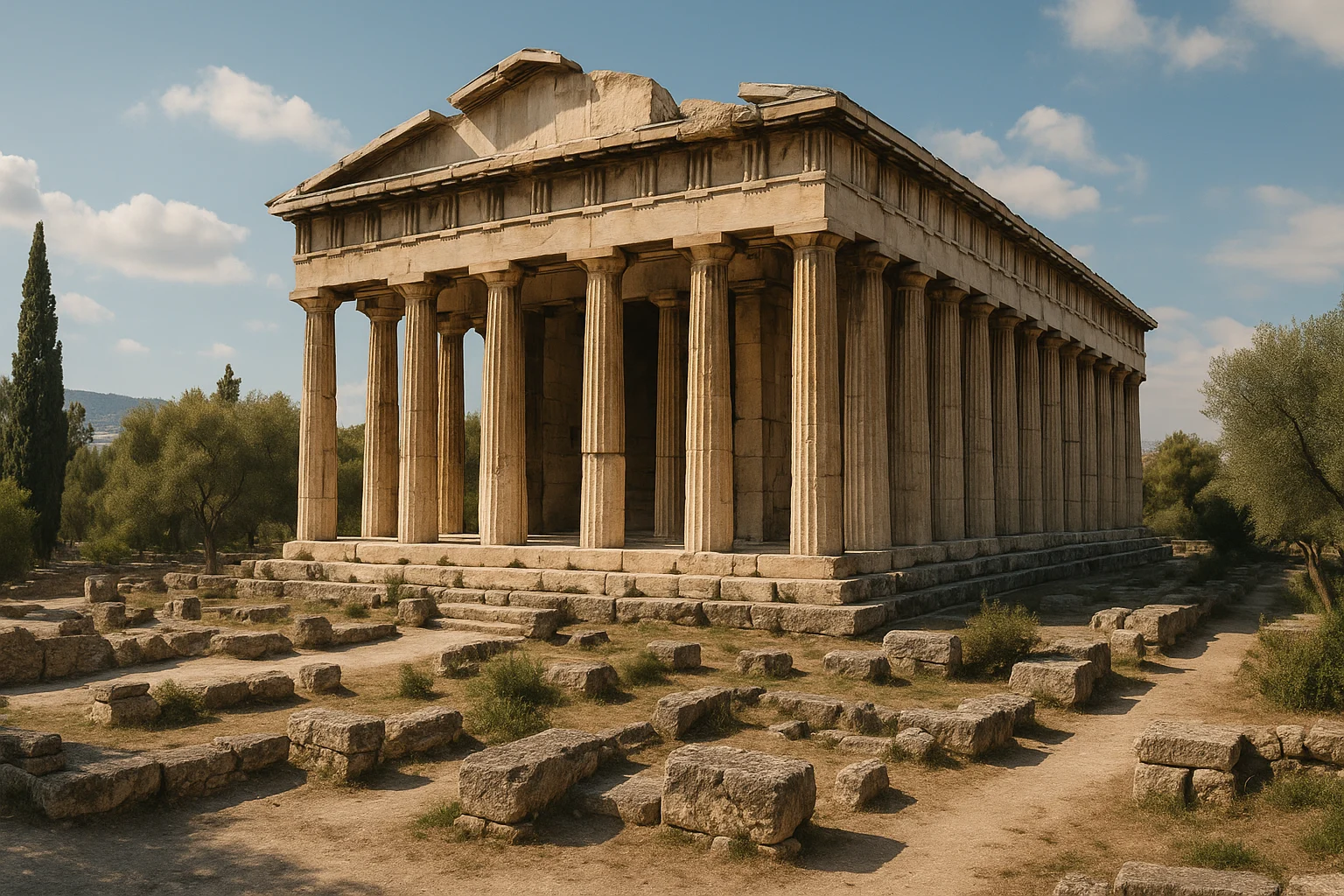
Ancient Agora of Athens Travel Guide 2026: Route, Tickets, and Context
Classical GreekPlan a better Ancient Agora visit with practical timing, monument priorities, and clear historical c...
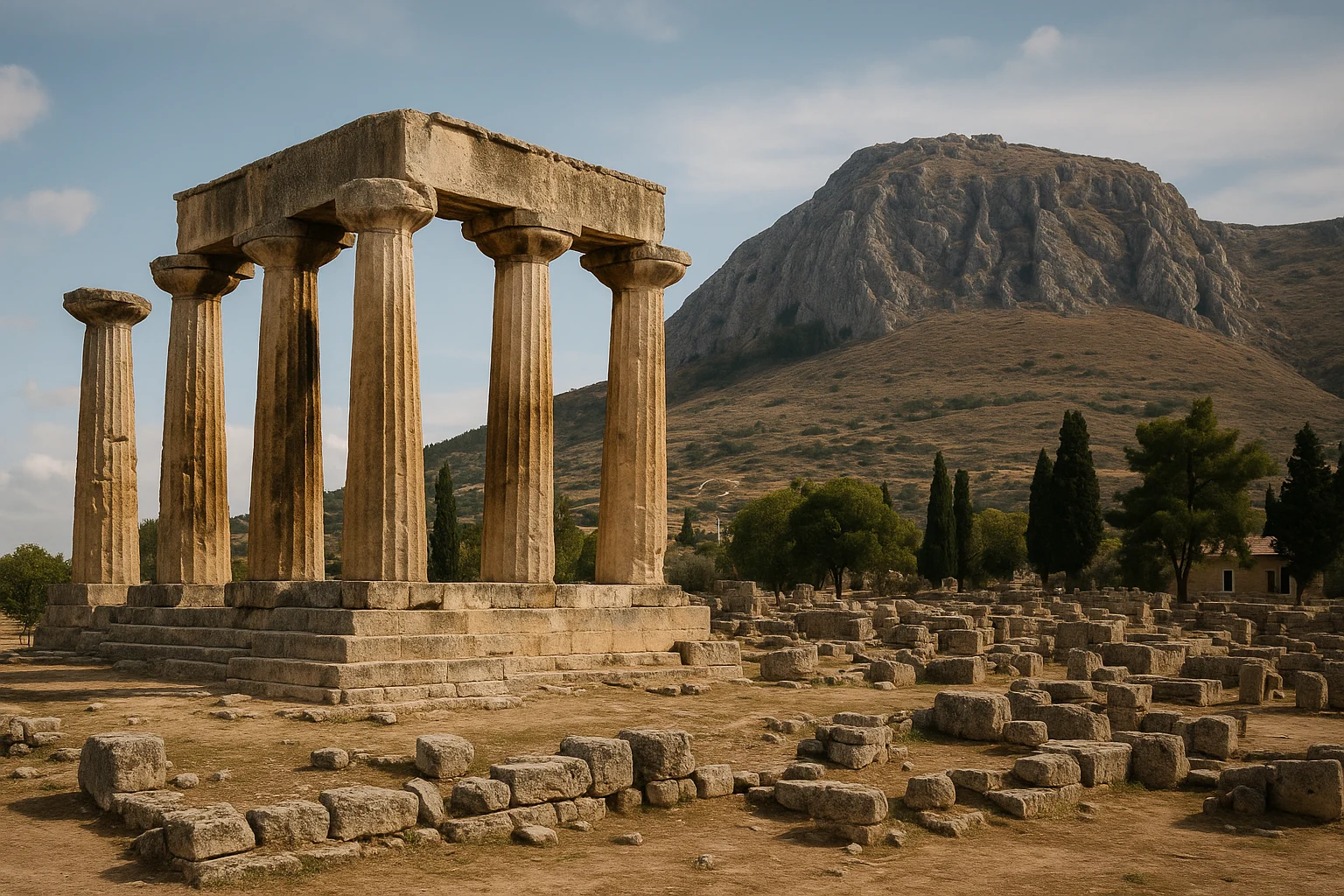
Ancient Corinth Travel Guide 2026: Ruins, Museum, and Visit Strategy
Classical GreekPlan a focused Ancient Corinth visit with practical timing, monument priorities, and route context f...
Delphi: The Navel of the Ancient World and Greece's Most
Ancient GreeceExplore Delphi, Greece's most mystical archaeological site. Walk the Sacred Way, discover the Oracle...
The Complete Acropolis Athens Travel Guide: Temples
Ancient GreecePlan the perfect visit to the Acropolis of Athens with our 2026 guide. Discover the Parthenon, best ...