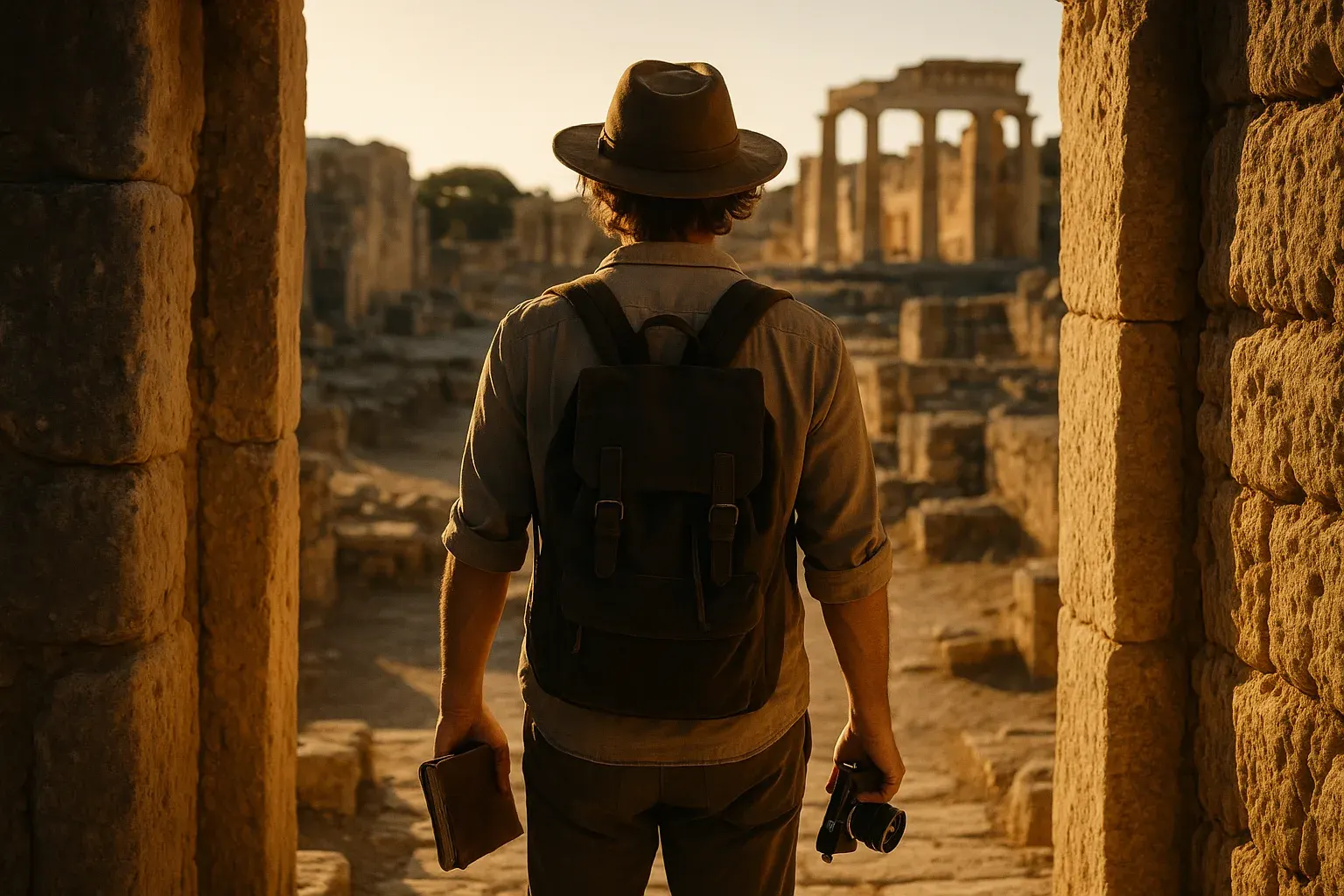
Standing before the weathered stones of a civilization thousands of years gone is one of travel’s most profound experiences. Whether you’re gazing up at the Acropolis in Athens, walking through the Siq to Petra, or contemplating the mysteries of Machu Picchu, ancient sites connect us to our shared human heritage in ways that modern destinations simply cannot match.
But visiting these sites requires more than just booking a ticket and showing up. Thoughtful preparation transforms a casual visit into a meaningful journey—one that respects the fragile remnants of our past while enriching your understanding of human history. This guide will prepare you for your first archaeological adventures, covering everything from practical logistics to the mindset shifts that will make your visits truly memorable.
Why Ancient Sites Deserve Thoughtful Preparation
Ancient sites are not amusement parks or Instagram backdrops—they are finite, irreplaceable windows into human history. Many have survived centuries of natural disasters, wars, and looting only to face their greatest threat in the modern era: mass tourism. Angkor Wat receives over two million visitors annually. The Colosseum welcomes millions more. Each footstep on fragile stone, each touch of weathered column, contributes incrementally to deterioration.
Beyond conservation concerns, preparation dramatically enhances your experience. Arriving at Delphi knowing something of the Oracle’s significance transforms a pile of marble ruins into a place where kings once sought divine guidance. Understanding the astronomical alignments of Chichen Itza allows you to appreciate the sophisticated knowledge of Maya civilization. The sites reward the prepared visitor with depth that casual tourists never experience.
Finally, ancient sites often present unique challenges: remote locations, harsh climates, uneven terrain, and limited facilities. The traveler who prepares properly can focus on the wonder of discovery rather than discomfort or safety concerns. A little planning goes a remarkably long way.
Before You Go: Research and Planning Essentials
Checking Site Accessibility and Conditions
Not all ancient sites are created equal in terms of visitor infrastructure. Before booking your trip, research the current state of the sites you plan to visit. Some, like Ephesus and Pompeii, have extensive visitor centers, paved paths, and clear signage. Others, like remote ruins in Turkey, Jordan, or Guatemala, may require hiking through difficult terrain with minimal facilities.
Check official websites and recent visitor reviews for up-to-date information on:
- Current opening hours and any seasonal closures
- Entry fees and available pass options
- Accessibility features (or lack thereof)
- Required permits for remote or protected sites
- Any ongoing restoration work that may limit access
Reading Up on History and Context
You don’t need to become an archaeologist before your trip, but a basic understanding of what you’re visiting will transform your experience. Read or watch something about the civilization that built the site, the historical period, and the site’s significance. Documentaries, historical podcasts, and quality historical fiction can engage your imagination in ways academic texts might not.
For site-specific preparation, download PDF guides, purchase reputable guidebooks, or bookmark quality online resources. Many official site websites offer downloadable maps and historical overviews. The investment of a few hours of reading will pay dividends when you’re standing before something thousands of years old.
Understanding Entry Requirements and Logistics
Major ancient sites increasingly require advance booking, especially in the post-pandemic era. The Acropolis now requires timed entry slots during peak season. Machu Picchu has strict daily visitor limits that sell out months in advance. Check reservation requirements early in your planning process.
Also research:
- Whether tickets are available online or only at the gate
- Accepted payment methods (some remote sites are cash-only)
- Whether backpacks or large bags are permitted
- Dress code requirements (some religious sites require covered shoulders/knees)
- Locker facilities at the entrance
What to Pack for Archaeological Site Visits
Essential Footwear: Your Most Important Decision
The right shoes can make or break your ancient site experience. You’ll likely encounter uneven stone surfaces, steep staircases, loose gravel, and possibly muddy or slippery conditions. Leave the fashion sneakers and sandals at the hotel.
For most sites, comfortable hiking shoes or walking boots with good ankle support and aggressive tread patterns are ideal. They should be well broken-in before your trip—never wear new shoes to an ancient site. For hot climates, look for breathable mesh uppers. For wet conditions, waterproof materials are worth the investment.
Sun Protection and Climate Preparation
Many archaeological sites offer minimal shade and long walking distances in exposed conditions. Pack:
- A wide-brimmed hat (caps leave your neck exposed)
- High-SPF, broad-spectrum sunscreen
- UV-blocking sunglasses with a strap
- A light, breathable long-sleeve shirt for sun protection
- Electrolyte packets for water bottles
- A collapsible sun umbrella for extreme heat locations
Water and Snacks: Don’t Rely on Vendors
Ancient sites are often located far from modern amenities, and on-site vendors may be overpriced or nonexistent. Carry more water than you think you’ll need—dehydration sneaks up quickly when you’re concentrating on exploration in hot weather. A reusable water bottle with a filter is invaluable in regions where tap water isn’t potable.
Pack lightweight, high-energy snacks like nuts, dried fruit, or protein bars. Avoid messy foods that require hand-washing, as facilities may be limited.
Camera Gear: Capturing Without Disturbing
Your smartphone is likely sufficient for most casual photography, but if you’re serious about photos, bring a camera with a zoom lens. Tripods are often prohibited at ancient sites, so plan for handheld shooting. For detailed photography tips, see our dedicated guide to photographing ruins.
Remember: your camera should never take priority over respectful behavior. Never climb on structures, block pathways, or inconvenience other visitors for a photo opportunity.
Understanding Site Etiquette and Conservation Ethics
Staying on Marked Paths
It may be tempting to step off the path for a closer look or a better photo, but those ropes and barriers exist for good reason. Ancient sites are carefully mapped by archaeologists, and unmarked areas may contain unexcavated artifacts, fragile subsurface structures, or sensitive archaeological deposits. Foot traffic off designated paths accelerates erosion and can literally destroy irreplaceable history.
Respecting Restricted Areas
Areas marked as off-limits, closed for restoration, or restricted to researchers should be respected absolutely. These restrictions protect both fragile remains and ongoing archaeological work. Even if you see other visitors ignoring barriers, do the right thing and stay out.
The Touching Question
We’ve touched on this briefly, but it bears emphasis: resist the urge to touch ancient stone. The oils and acids on human skin contribute to long-term deterioration. This is especially true for carved reliefs, inscribed surfaces, and painted areas (yes, some ancient sites still retain traces of original pigment). Look with your eyes, not your hands.
Leaving No Trace
Ancient sites are not the place for picnics, headphone parties, or leaving offerings (a practice that has damaged some sites). Pack out everything you pack in. If the site has no restrooms and you’re on a guided backcountry tour, follow Leave No Trace principles for human waste.
Navigating Sites: Maps, Guides, and Self-Guided Exploration
Hiring Local Guides: Worth Every Penny
At complex sites like Petra, Angkor Wat, or the Colosseum, a knowledgeable local guide is invaluable. Good guides provide historical context, point out details you’d miss on your own, and often share local legends and stories that bring the stones to life. They also support the local economy and help preserve oral historical traditions.
When hiring guides:
- Use official site guides or reputable tour companies
- Ask about their credentials and experience
- Agree on price and duration in advance
- Specify your interests (architecture, daily life, religious practices) so they can tailor the tour
Audio Tours vs. Human Guides
Many major sites offer audio guides in multiple languages, which provide flexibility to move at your own pace while still getting expert commentary. They’re usually cheaper than human guides and are excellent if you prefer solitary contemplation. However, they lack the interactivity and local color of a good human guide.
Reading and Using Site Maps
Most significant sites provide maps at the entrance or have downloadable versions on their websites. Study the map before entering to plan your route and identify must-see highlights. At sprawling sites like Pompeii or Ephesus, a map is essential for efficient navigation.
Self-Guided Exploration Techniques
If exploring without a guide, read signage carefully, use a guidebook or app for context, and take time to simply observe. Sit on a fallen column (where permitted) and imagine the lives lived there. Look for details—the tool marks on stone, the vegetation growing from cracks, the way light falls through ancient doorways. Take your time; rushing through ancient sites defeats their purpose.
Timing Your Visit: Seasons, Crowds, and Golden Hours
Peak Season vs. Off-Season Considerations
High season (generally summer in Europe, winter in Southeast Asia) brings the best weather but brutal crowds. The Acropolis can feel like a theme park in July. Shoulder seasons—spring and fall—often offer the best balance of decent weather and manageable crowds.
Off-season visits can be magical for atmosphere but come with trade-offs: shorter opening hours, reduced transportation options, and potentially inclement weather. Some remote sites may be effectively inaccessible in winter.
Morning vs. Afternoon Visits
Early morning visits (arriving at opening time) offer multiple advantages: cooler temperatures, soft morning light for photography, and fewer crowds. Many tour groups arrive mid-morning, so beating them to the site makes a dramatic difference in your experience.
Late afternoon visits can also work well, especially for photography, as golden hour approaches. However, be mindful of closing times—you don’t want to be rushed.
Special Events and Astronomical Alignments
Some sites offer unique experiences on specific dates. The spring and autumn equinoxes at Chichen Itza create dramatic shadow effects on the Temple of Kukulcan. Angkor Wat aligns spectacularly with sunrise during certain periods. Research whether your visit might coincide with special archaeological phenomena.
Photography Basics: Capturing Without Disturbing
Ancient sites present unique photographic challenges: harsh midday light, crowds of tourists, and the technical difficulty of capturing stone textures and vast scale. For comprehensive photography guidance, refer to our ruins photography guide, but here are the basics:
- Shoot during golden hour for warm, dimensional lighting
- Use HDR mode or bracket exposures for high-contrast scenes
- Include human figures for scale (with their permission)
- Focus on details—weathered stone, carvings, textures
- Be patient and wait for crowds to clear rather than pushing through
Safety Considerations for Remote and Rugged Sites
Traveling Solo: Precautions and Preparation
Solo travel to ancient sites can be deeply rewarding but requires extra preparation. Inform someone of your plans, carry a fully charged phone with local emergency numbers saved, and consider a personal locator beacon for remote hikes to sites like Machu Picchu via alternative routes.
Health Preparations
Ancient sites often require significant walking in hot, exposed conditions. Consider your fitness level honestly and build up stamina before your trip if needed. Carry a basic first aid kit, any personal medications, and know the location of the nearest medical facilities.
In areas with disease risks (malaria in some regions, tick-borne encephalitis in others), take appropriate precautions. The heat at desert sites like Petra or Baalbek can be brutal—recognize heat exhaustion symptoms and carry electrolytes.
Emergency Contacts and Communication
Save local emergency numbers, your accommodation’s contact information, and the nearest embassy or consulate number before heading to remote sites. If traveling internationally, consider travel insurance that covers medical evacuation.
Connecting with Local Culture and Context
Ancient sites don’t exist in isolation—they’re part of living communities with their own traditions, cuisines, and contemporary concerns. Take time to:
- Eat at local restaurants near sites rather than tourist chains
- Shop at local markets and artisan stalls
- Attend cultural performances or festivals if timing allows
- Visit local museums that contextualize the ancient site within regional history
- Engage respectfully with local residents and learn about how they view their ancient heritage
Building Your Ancient Travel Skills Over Time
Your first archaeological trip is just the beginning. Each site teaches you something about preparation, observation, and appreciation that carries forward to the next destination. Consider:
- Keeping a travel journal specifically for archaeological observations
- Photographing similar architectural elements across sites to compare
- Learning basic archaeological terminology to enhance your reading
- Following archaeological news and recent discoveries
- Joining archaeological societies or following excavation blogs
Start with well-preserved, visitor-friendly sites like Pompeii or Ephesus before tackling remote locations like Gobekli Tepe. Build your skills and comfort level progressively.
Your Journey Begins
Visiting ancient sites is a privilege that connects you to the full span of human history. With thoughtful preparation, respect for these fragile places, and an open mind ready for wonder, your first archaeological journey will be the foundation for many more. The stones have waited thousands of years to tell their stories—prepare yourself to hear them.
Ready for your first major trip? Our 10-day Greece archaeological itinerary provides a bookable route through some of the classical world’s most accessible and rewarding sites. If budget is a concern, our budget archaeological travel guide proves that ancient wonders are accessible at any price point.