Quick route summary
This 5-day route starts in Luxor and ends in Aswan, using two bases and following the Nile temple corridor south. Begin with Karnak Temple Complex and Luxor Temple on the East Bank, then spend two days on Luxor’s West Bank with the Valley of the Kings, Temple of Hatshepsut, Medinet Habu, and Deir el-Medina. From there, travel south through Edfu and Kom Ombo Temple before finishing at Philae in Aswan.
The pace is full, but not frantic. This is not a whole-country Egypt itinerary. It is a concentrated temple route for travelers who want to understand Thebes, royal tomb landscapes, Ptolemaic ritual, and the southern Nile without racing from Cairo to Abu Simbel in one breath.
Who this itinerary is for
This itinerary is for travelers who already know they want temples, tombs, reliefs, and Nile logistics more than a beach resort or a pyramid-first trip. It works well if you can handle early starts, hot exposed sites, private drivers or guided transfers, and several days of dense ancient history.
It is not the best plan if you want a slow Luxor stay with long hotel afternoons, or if Abu Simbel is non-negotiable and you only have five days. You can add Abu Simbel, but something has to give. The route is strongest when Luxor gets three proper days and Aswan gets more than a quick departure morning.
Route at a glance
- Day 1: Overnight in Luxor. Visit Karnak early, rest midday, then see Luxor Temple in softer light.
- Day 2: Overnight in Luxor. Cross to the West Bank for the Valley of the Kings, Hatshepsut’s temple, and the Colossi of Memnon.
- Day 3: Overnight in Luxor. Use a driver for Medinet Habu, Deir el-Medina, the Ramesseum, and selected noble tombs.
- Day 4: Overnight in Aswan. Travel from Luxor to Aswan, stopping at Edfu and Kom Ombo on the way.
- Day 5: Overnight in Aswan. Visit Philae by boat, then add Elephantine Island or the Tombs of Aswan if energy allows.
Practical logistics before you go
Use Luxor for the first three nights and Aswan for the final two. Staying in Luxor for the whole trip and day-tripping south wastes time. Moving to Aswan on Day 4 makes Philae easier and gives you a cleaner onward departure.
A private driver is the most practical tool for the West Bank and the Luxor to Aswan temple-transfer day. Trains between Luxor and Aswan can be useful, but they do not solve Edfu and Kom Ombo unless you arrange separate transport. Nile cruises often include those stops, but the pace and docking times vary, so read the schedule carefully.
Guides make sense on most days of this route. Karnak is huge, the West Bank is spread out, and Ptolemaic temple reliefs are easy to admire without understanding. A good guide can explain why a wall scene matters instead of reciting every pharaoh in sight.
Heat is the planning problem. Start early, carry water, wear a hat, and build in midday breaks. Tombs and temples may be stone, but the visitor experience is still sun, dust, stairs, tickets, guards, and fatigue. Do not schedule a major evening activity after a long West Bank day unless you know your own energy well.
Day 1: Karnak and Luxor Temple
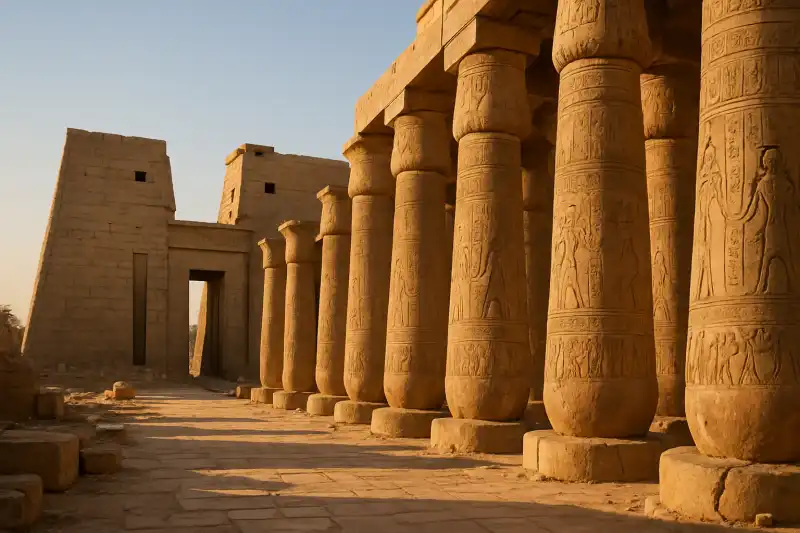
Start at Karnak Temple Complex as early as practical. Karnak is not one temple in the simple sense. It is a vast sacred precinct expanded by many rulers over many centuries, especially around the cult of Amun-Ra. The Hypostyle Hall is the attention-grabber, but the point of Karnak is accumulation: pylons, courts, chapels, obelisks, sacred lake, processional routes, and political memory built in stone.
A Karnak and Luxor Temple guided tour is useful because the two sites belong together. They were linked by processional movement, especially during festivals, and seeing them as a pair makes Luxor’s East Bank feel less like isolated monuments.
If open and included in your ticket plan, give the Karnak Open Air Museum time. Reconstructed chapels and relief blocks show that Karnak was constantly revised. Egyptian temples were not static. Kings inserted themselves into older sacred landscapes, reused space, and made architecture argue for legitimacy.
Rest in the middle of the day, then visit Luxor Temple late afternoon or evening. Luxor Temple is more compact than Karnak and often easier to read. Amenhotep III and Ramesses II shaped much of what visitors notice, and later Roman and Islamic layers show how long the site remained part of the living city. The stones are ancient, but the urban setting is still very present.
Day 2: Valley of the Kings and Hatshepsut’s temple
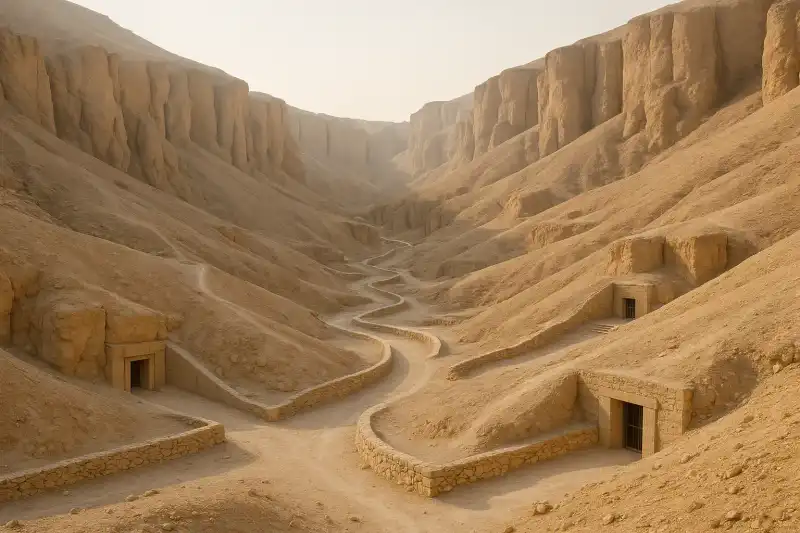
Cross to the West Bank early for the Valley of the Kings. Choose tombs carefully rather than trying to enter every open option. Ticket rules, open tombs, and special tickets change, so check current conditions before you go. The best visit is the one where you still care by the final chamber.
The Valley of the Kings was not designed for easy modern tourism. It was a royal burial landscape tucked into the western desert, with tomb corridors painted and carved to guide kings through the afterlife. If you add the Tomb of Tutankhamun, keep expectations realistic. Its fame comes from the discovery and treasures more than the size of the tomb itself.
Continue to the Temple of Hatshepsut. Its terraces and cliff setting feel almost severe after the valley tombs. Hatshepsut’s reign in the 18th Dynasty produced a monument that speaks through controlled lines, ramps, colonnades, and the desert backdrop. The architecture is doing the persuasion quietly.
Stop at the Colossi of Memnon on the way back or between visits. The statues once stood before Amenhotep III’s enormous mortuary temple, now mostly gone. That absence is the useful detail. The West Bank is full of monuments that survive unevenly, and sometimes the missing scale matters as much as the stones still standing.
Day 3: Medinet Habu, Deir el-Medina, and the quieter West Bank
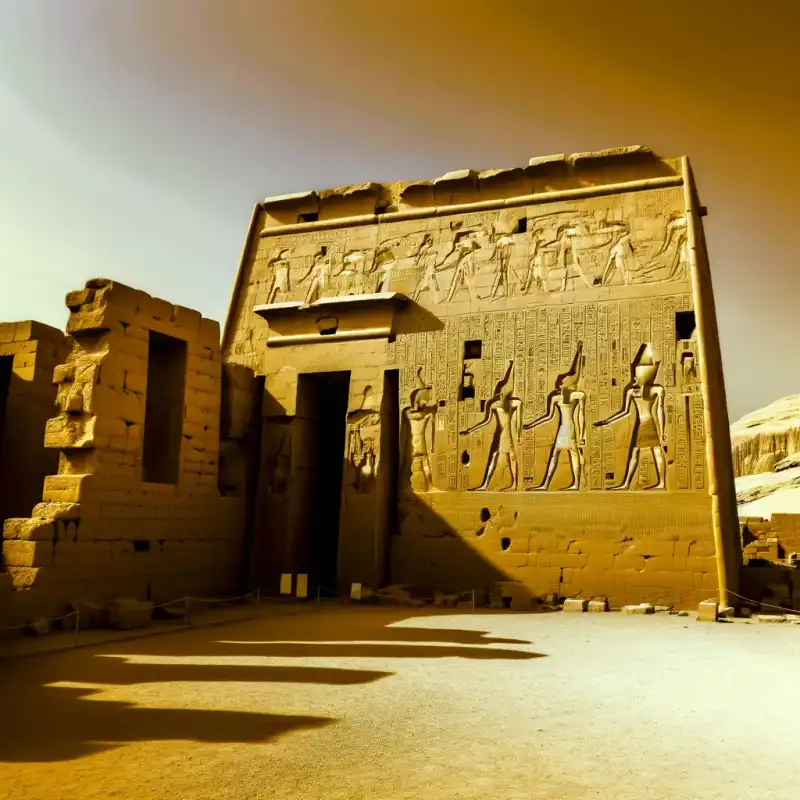
Use Day 3 for the West Bank sites that many rushed itineraries skip, keeping a driver or taxi for the day instead of bouncing between isolated stops. Start at Medinet Habu, the mortuary temple of Ramesses III. It is one of the best places in Luxor to see large-scale reliefs, preserved color, and political messaging without quite the same crowd pressure as the Valley of the Kings.
The Sea Peoples battle reliefs often get attention, but do not reduce Medinet Habu to war scenes. The temple also shows ritual, kingship, offering scenes, fortified enclosure walls, and later reuse. It feels like a monument built to impress, protect, and narrate royal authority.
Continue to Deir el-Medina, the village of the workers who built and decorated royal tombs. This is a good corrective after two days of kings. The village and nearby tombs bring artisans, families, work routines, disputes, and private devotion into the picture. Ancient Egypt becomes more interesting when the people making royal eternity get some attention too.
Add the Ramesseum or Tombs of the Nobles in Luxor depending on time. The Ramesseum gives you Ramesses II’s broken colossal ambition. The noble tombs give you daily-life details, banquets, fields, crafts, and status display. Do not force both if the heat is winning. This is a day for depth, not trophy collecting.
Day 4: Edfu and Kom Ombo on the road to Aswan
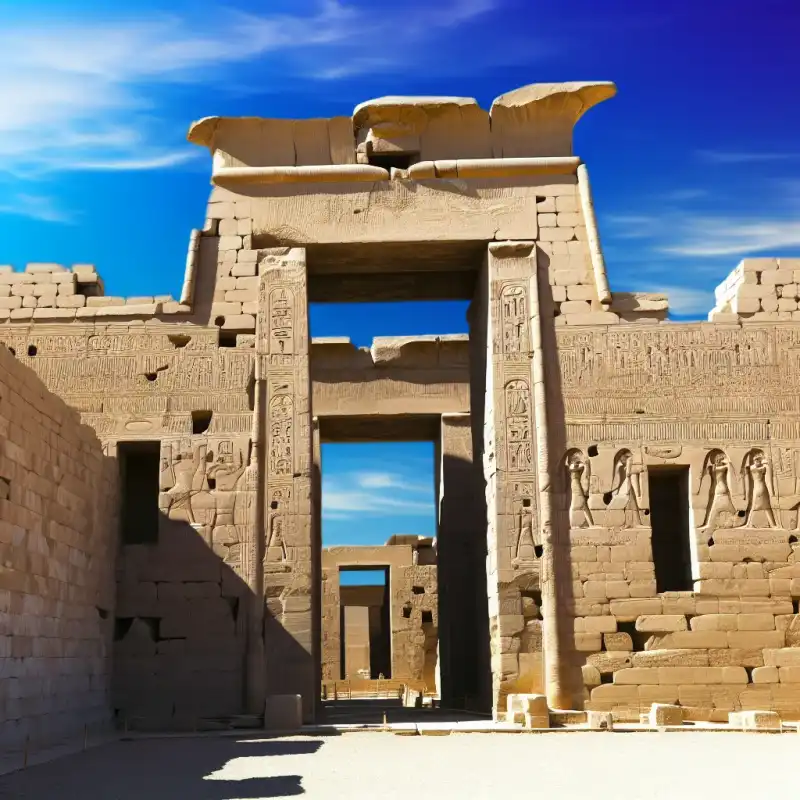
Leave Luxor early for Aswan, stopping first at Edfu. The Temple of Horus at Edfu is one of Egypt’s best-preserved Ptolemaic temples, which makes it especially useful after Luxor. Here, the temple plan, pylons, courts, hypostyle halls, sanctuary spaces, and relief programs are unusually legible.
A Luxor to Aswan transfer with Edfu and Kom Ombo solves the day’s main problem: the sites sit on the route, but they are awkward if you are trying to piece together casual transport.
Edfu’s reliefs include the mythic conflict of Horus and Seth, temple ritual, and formal scenes that can look repetitive until someone explains the logic. Ptolemaic rulers were Greek-speaking monarchs, but the temple presents them through Egyptian religious language. That tension is one of the reasons the site matters.
Continue to Kom Ombo Temple, also known through the Ptolemaic Temple at Kom Ombo. Its double dedication to Sobek and Haroeris gives the building an unusual symmetry. The crocodile cult, Nile-side setting, and medical-instrument reliefs make it a memorable stop, but keep your timing honest. Arrive in Aswan before the day collapses into road fatigue.
Day 5: Philae and ancient Aswan

Start with Philae, reached by boat. The Temple of Isis at Philae is one of the strongest final stops for a Nile temple route because it carries Egyptian religion into a later world of Ptolemaic and Roman rule. The cult of Isis traveled widely, and Philae remained sacred long after many older temple centers had changed beyond recognition.
The island setting is part of the experience, but remember that Philae was relocated because of modern dam projects and rising water. The temple you visit is ancient and also carefully rescued. That modern preservation story does not weaken the site. It adds another layer to how Egypt’s monuments survive.
If you have energy after Philae, add Elephantine Island for a slower look at Aswan’s ancient frontier role, Nile measurement, and layered settlement history. Elephantine is not as visually dramatic as Philae, but it is historically rich because Aswan sat near routes, stone sources, Nubian contact zones, and river control points.
Another option is the Tombs of Aswan if you want cliff views and funerary context. Keep the afternoon flexible. After five temple-heavy days, a good finish may be a felucca ride, a museum stop, or simply stopping before your interest turns numb.
The historical thread: Thebes, temple ritual, and the southern Nile
This route works because it follows power and worship along the Nile rather than treating temples as disconnected stops. Luxor shows Thebes at its strongest: Karnak and Luxor Temple on the East Bank, royal tombs and mortuary temples on the West Bank. Edfu and Kom Ombo shift the story into Ptolemaic temple building, where Egyptian religious forms continued under Greek-speaking rulers. Philae carries the line farther south, with Isis worship, island ritual, and late antique survival.
The historical arc is also practical. The Nile was not scenery. It was the route, the calendar, the transport line, the agricultural engine, and the axis that made these sacred landscapes possible. Moving from Luxor to Aswan by road or river helps the temples make sense as part of a corridor.
Transportation notes
Use Luxor and Aswan as your two bases. Luxor needs three nights because the East Bank and West Bank both deserve time. Aswan needs two nights if you want Philae without rushing the transfer day.
For Luxor’s West Bank, hire a driver or book a guided route. The sites are spread out, and heat makes inefficient transfers feel worse. Cycling can work for experienced travelers in cooler conditions, but it is not the default recommendation for this itinerary.
For Day 4, arrange transport from Luxor to Aswan with Edfu and Kom Ombo stops. This can be a private driver, a cruise segment, or an organized transfer. A normal train ride may be convenient, but it skips the very temples that make the day worthwhile.
Do not try to do Luxor West Bank, Edfu, Kom Ombo, and Philae in two days unless you are prepared for a very thin visit. The route works because it gives the Nile temples enough oxygen.
Optional add-ons and swaps
If Abu Simbel is a priority, add Abu Simbel as an early trip from Aswan. Remove Elephantine and the Tombs of Aswan, or better, add a sixth day. Abu Simbel is extraordinary, but the drive or flight logistics make it more than a casual add-on.
If you want more temples north of Luxor, add Dendera and Abydos as a full extra day. Remove Day 3’s quieter West Bank focus only if you are comfortable trading artisan and mortuary context for more temple reliefs.
If you want a smaller stop between Luxor and Edfu, add the Temple of Esna if transport and opening hours work. Remove one Aswan afternoon option or shorten the Edfu and Kom Ombo day accordingly.
If quarrying and temple building interest you, add Gebel el-Silsila between Edfu and Kom Ombo with a specialist driver or cruise route. It gives the route a useful industrial dimension, but it requires planning.
Shorter and longer itinerary options
For a shorter version, use three days in Luxor: Day 1 for Karnak and Luxor Temple, Day 2 for the Valley of the Kings and Hatshepsut’s temple, Day 3 for Medinet Habu and Deir el-Medina. Skip Aswan, Edfu, and Kom Ombo.
For a longer route, use the 7 Days in Ancient Egypt: Cairo, Luxor, Edfu, Kom Ombo, and Aswan itinerary. That adds Cairo and the pyramid landscape before the Nile temple sequence.
For the deepest version, use the 10 Days in Ancient Egypt: Cairo to Abu Simbel route. That is the right format for Abu Simbel, Dendera, Abydos, and more breathing room across Luxor and Aswan.
Related ancient sites
- Luxor
- Karnak Temple Complex
- Karnak Open Air Museum
- Luxor Temple
- Valley of the Kings
- Tomb of Tutankhamun
- Temple of Hatshepsut
- Colossi of Memnon
- Medinet Habu
- Deir el-Medina
- Edfu
- Temple of Horus at Edfu
- Kom Ombo Temple
- Philae
- Elephantine Island
FAQ
The most common planning questions for this route are answered below.