Quick Info
Curated Experiences
Stonehenge Half-Day Tour from London
Stonehenge and Bath Full-Day Guided Tour
Private Stonehenge and Salisbury Experience
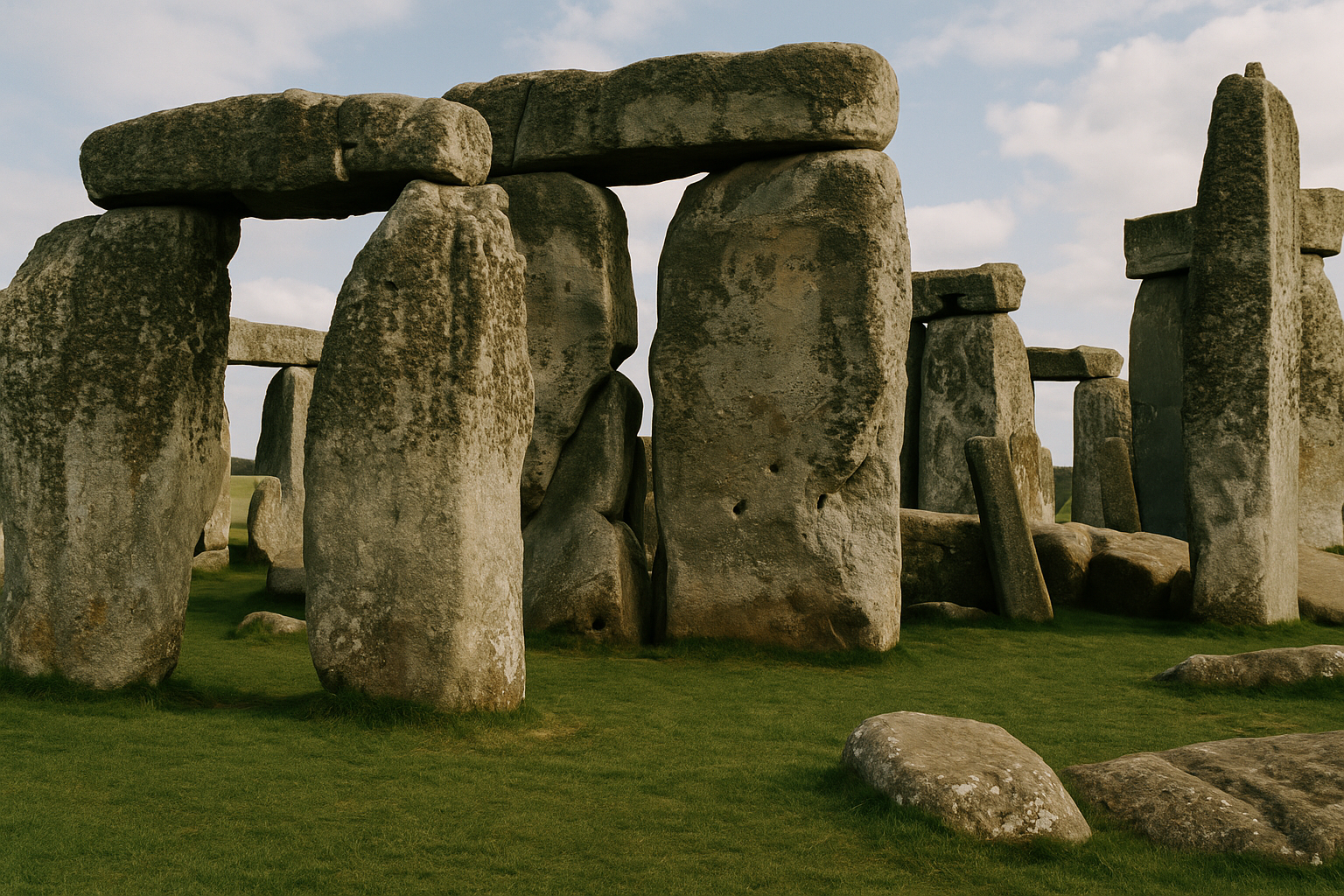
Stonehenge is one of the most recognizable archaeological monuments in the world - and one of the easiest to underestimate if you show up without context. Most visitors treat it as a quick photo stop on the way to Bath. That approach misses nearly everything worth seeing.
The stone circle is the centerpiece, but the real site is a vast ceremonial landscape stretching across Salisbury Plain. Ritual processional routes, burial mounds, and earthwork enclosures surround the stones on every side. Once you frame your visit around that bigger picture, Stonehenge stops being a roadside attraction and becomes one of Europe’s most important prehistoric complexes.
Why Stonehenge Matters
Stonehenge is the most architecturally sophisticated stone circle in existence. Other Neolithic sites across Britain and Brittany use standing stones, but none achieved what the builders accomplished here: shaped sarsen blocks weighing up to 25 tons, raised upright and capped with horizontal lintels using mortise-and-tenon joints - a woodworking technique applied to stone on a monumental scale.
Its astronomical alignment is precise and deliberate. The main axis points to the midsummer sunrise in one direction and the midwinter sunset in the other. That alignment does not answer every question about the monument’s purpose, but it proves the builders had sophisticated knowledge of solar cycles and encoded that knowledge in permanent architecture.
UNESCO inscribed Stonehenge and Avebury together as a World Heritage Site in 1986, recognizing the entire Wiltshire landscape as a single zone of outstanding prehistoric significance. The designation covers not just the stones but the surrounding barrows, cursus monuments, and processional avenues that give the circle its meaning.
Historical Context
Stonehenge was not built in a single campaign. Construction unfolded in phases spanning roughly 1,500 years, from about 3000 BCE to 1500 BCE, each stage reflecting shifts in ritual practice, engineering ambition, and social organization.
Phase One (c. 3000 BCE)
The earliest structure was a circular ditch-and-bank enclosure (a henge) roughly 100 meters in diameter. Inside the bank, builders dug a ring of 56 pits - the Aubrey Holes - which held timber posts or small standing stones and later received cremation burials. At this stage, the site functioned as a ceremonial enclosure and cemetery, not yet the stone monument visitors recognize today.
Phase Two (c. 2500 BCE)
The bluestones arrived. These smaller stones, some weighing around four tons each, were transported approximately 150 miles from the Preseli Hills in southwest Wales. Whether moved by human effort, glacial action, or some combination remains debated, but their presence at Stonehenge proves long-distance resource mobilization on a remarkable scale. The bluestones were arranged in patterns that were later dismantled and rearranged.
Phase Three (c. 2500-2000 BCE)
The sarsen stones were brought from the Marlborough Downs, roughly 25 miles north. Builders shaped them with stone hammers, erected them in the familiar circle-and-horseshoe arrangement, and fitted lintels on top using tongue-and-groove and mortise-and-tenon joints. This phase produced the iconic silhouette. The Avenue, a ceremonial processional route, was also constructed during this period, linking the monument to the River Avon.
Later Modifications (c. 2000-1500 BCE)
Bluestones were rearranged into their final positions inside the sarsen circle. Activity at the site gradually declined as Bronze Age ritual practices shifted to other forms and locations.
What to Prioritize on Your Visit
The Stone Circle Walking Route
The standard visitor experience follows a circular path around the stones at a set distance. Do not rush this. Walk the full circuit and stop at multiple viewpoints. The monument’s geometry reads differently from the northeast (aligned with the Avenue) versus the southwest, and the interplay of uprights and lintels only makes sense when you see it from several angles.
The Visitor Center Exhibition
The exhibition hall at the visitor center is essential, not optional. It houses excavated artifacts (tools, pottery, cremated remains), explains the construction chronology with clear timelines, and includes a reconstructed Neolithic house that contextualizes daily life during the building phases. Budget at least 30 to 45 minutes here before heading to the stones.
The Wider Landscape
If you have time beyond the standard circuit, pay attention to the barrow groups visible from the walking path. The Cursus, a long rectangular earthwork enclosure predating the stone circle, stretches east-west across the landscape north of the monument. These features are easy to overlook but critical for understanding that Stonehenge was designed as part of a larger ritual zone, not as an isolated structure.
Practical Visit Strategy
Timing and Tickets
Book timed-entry tickets online in advance through English Heritage. Summer weekends and school holidays sell out, and walk-up availability is not guaranteed. Early morning slots (first entry of the day) offer the smallest crowds and the best light for photography. Late afternoon slots can also be quieter, especially on weekdays.
For a more intimate experience, English Heritage offers special access visits (Stone Circle Experience) at dawn and dusk, which allow small groups inside the stone circle itself. These sell out months ahead and cost more, but they are the only way to stand among the stones rather than viewing from the perimeter path.
Getting There
From London, the most practical day-trip option is driving (roughly two hours via the M3 and A303) or joining a guided coach tour. Public transport works but requires a connection through Salisbury, where the Stonehenge Tour bus runs regularly to the site. If you are renting a car, the on-site parking is free with a valid ticket.
What to Bring
Salisbury Plain is exposed and weather shifts quickly. Bring a windproof outer layer and dress in sections you can add or remove. Comfortable walking shoes are essential - the path is mostly level but can be muddy after rain. Sunscreen matters in summer even on overcast days. There is a cafe at the visitor center, but bringing water and a snack saves time.
Visit Duration
Plan for 2 to 2.5 hours total: 30 to 45 minutes in the exhibition, 45 minutes to an hour on the stone circle route, and time for the shuttle between the visitor center and the monument (roughly 10 minutes each way, or a 20-minute walk if you prefer).
Route Pairing and Nearby Sites
Stonehenge sits within a concentrated belt of prehistoric and historic sites across southern England. For a Neolithic focus, pair it with Avebury Stone Circle, 25 miles north. Avebury is larger, less manicured, and allows you to walk among the stones freely - a useful contrast. Add Silbury Hill and West Kennet Long Barrow, both within minutes of Avebury, for a full day in the Wiltshire prehistoric landscape.
For a chronological arc through British history, continue to the Roman Baths in Bath (40 minutes west), then pair with Hadrian’s Wall or the Tower of London on a broader UK itinerary. If you are heading east instead, Sutton Hoo in Suffolk offers a compelling jump from prehistory to the early medieval period.
From Salisbury itself, the cathedral (housing one of the four surviving copies of the Magna Carta) and the medieval Old Sarum site are both worth a stop if your schedule allows.
Final Take
Stonehenge rewards visitors who arrive with a plan. Book timed entry early, start at the exhibition rather than skipping it, walk the full circuit instead of stopping at the first viewpoint, and treat the monument as part of a landscape rather than an isolated circle of stones. Do that, and even a two-hour visit delivers genuine depth - not just a photo you have already seen a thousand times.
Quick Facts
| Attribute | Details |
|---|---|
| Location | Salisbury Plain, Wiltshire, United Kingdom |
| Country | United Kingdom |
| Region | Wiltshire |
| Civilization | Neolithic and Bronze Age Britain |
| Historical Period | c. 3000-1500 BCE |
| Construction Began | c. 3000 BCE |
| UNESCO Inscription | 1986 (with Avebury) |
| Managed By | English Heritage |
| Coordinates | 51.1789, -1.8262 |
Frequently Asked Questions
How long should I spend at Stonehenge?
Most visitors spend 1.5 to 2.5 hours including the visitor center, shuttle transfer, and time around the stone circle route.
Can you walk among the stones at Stonehenge?
Standard admission uses a perimeter path near the monument. Special access visits at restricted times may allow closer entry, subject to availability.
Is Stonehenge worth visiting from London as a day trip?
Yes, especially if you book transport in advance and pair Stonehenge with Bath or Salisbury to make the travel time more worthwhile.
Nearby Ancient Sites
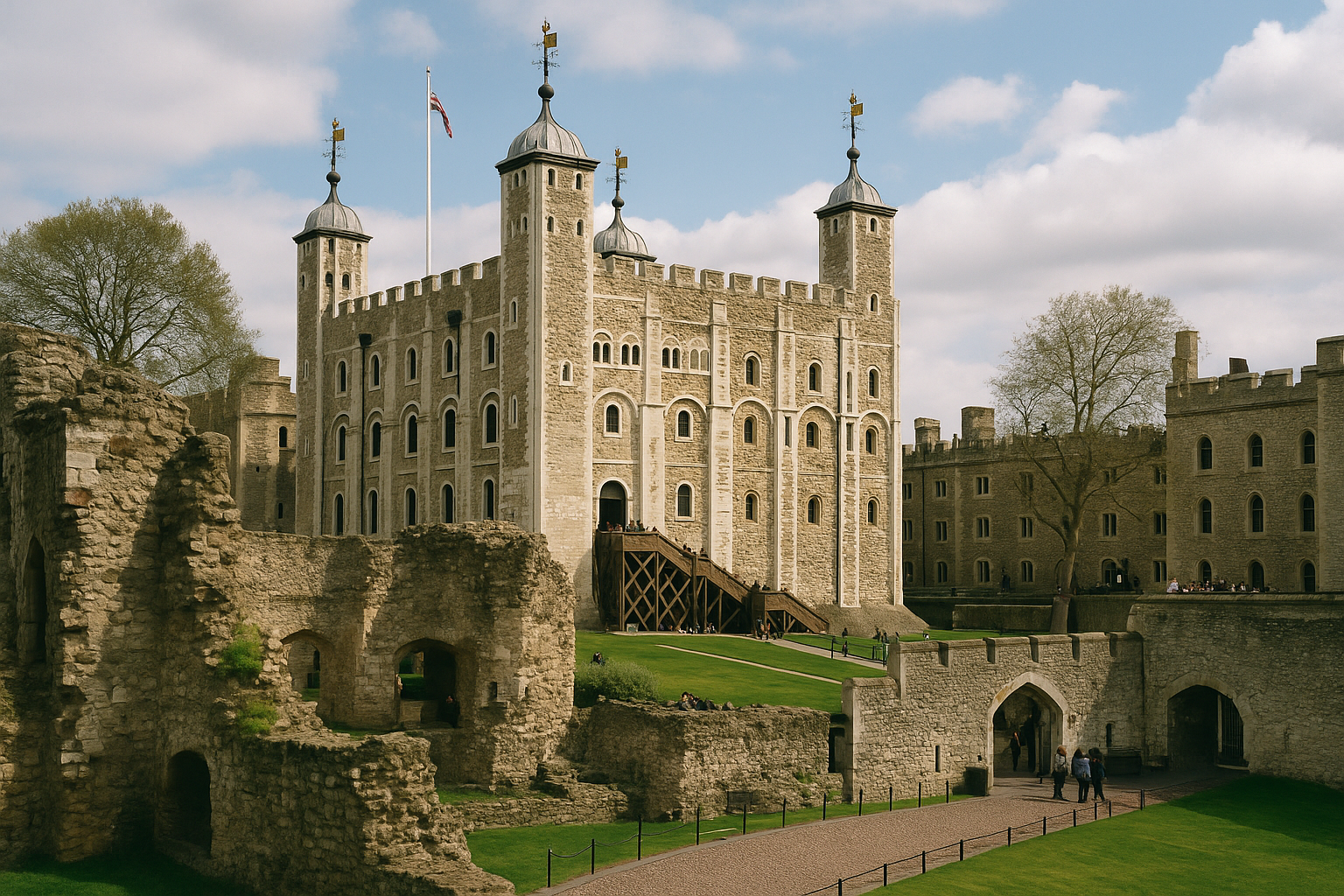
Tower of London Travel Guide 2026: Crown Jewels, History, and Visit Strategy
Norman and Medieval EnglishPlan a smart visit to the Tower of London with practical timing tips, must-see highlights, ticket st...
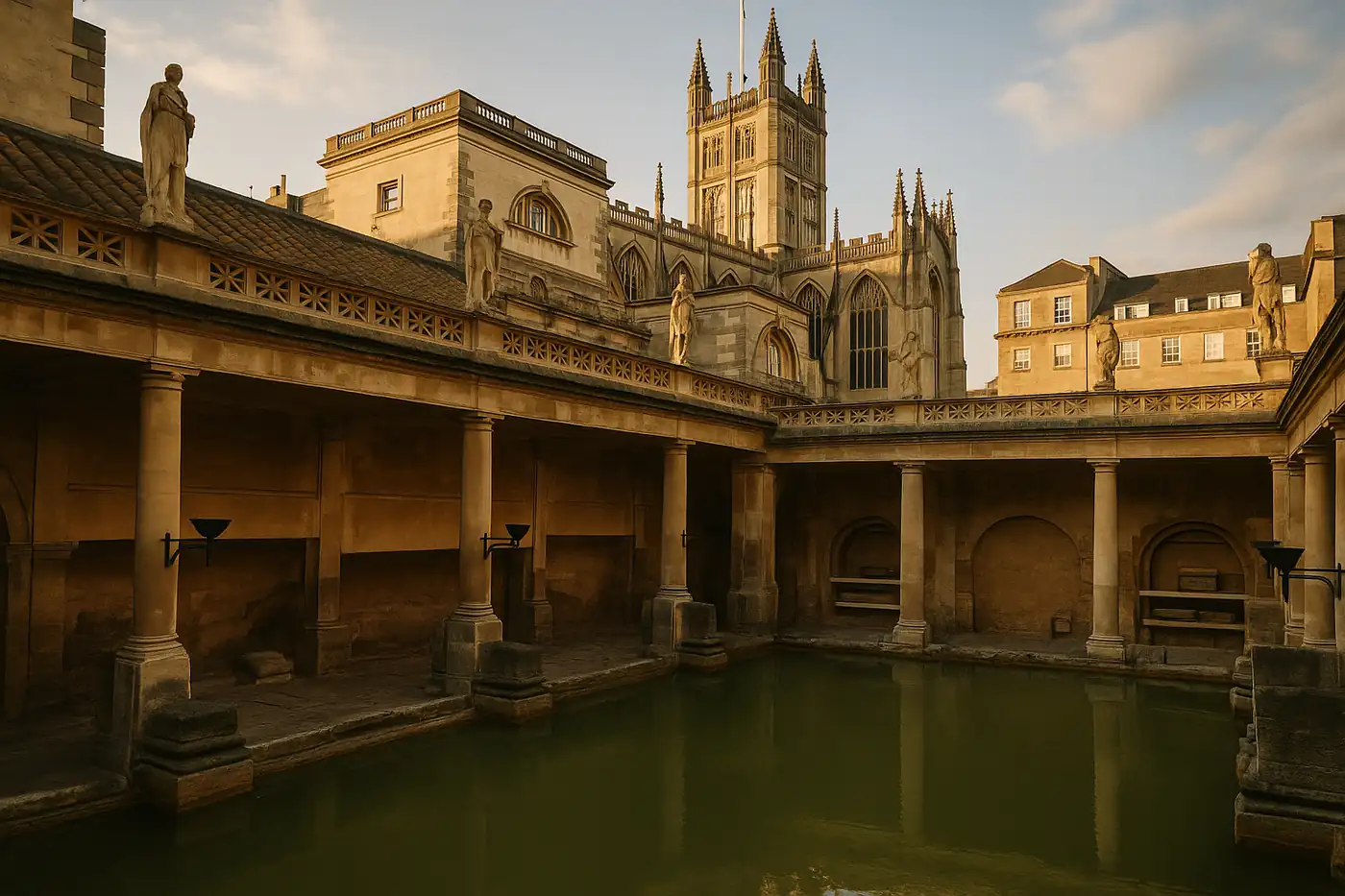
Roman Baths Bath Travel Guide 2026: Tickets, History, and Smart Visit Tips
Roman BritainPlan a better visit to the Roman Baths in Bath with clear ticket strategy, historical context, and p...
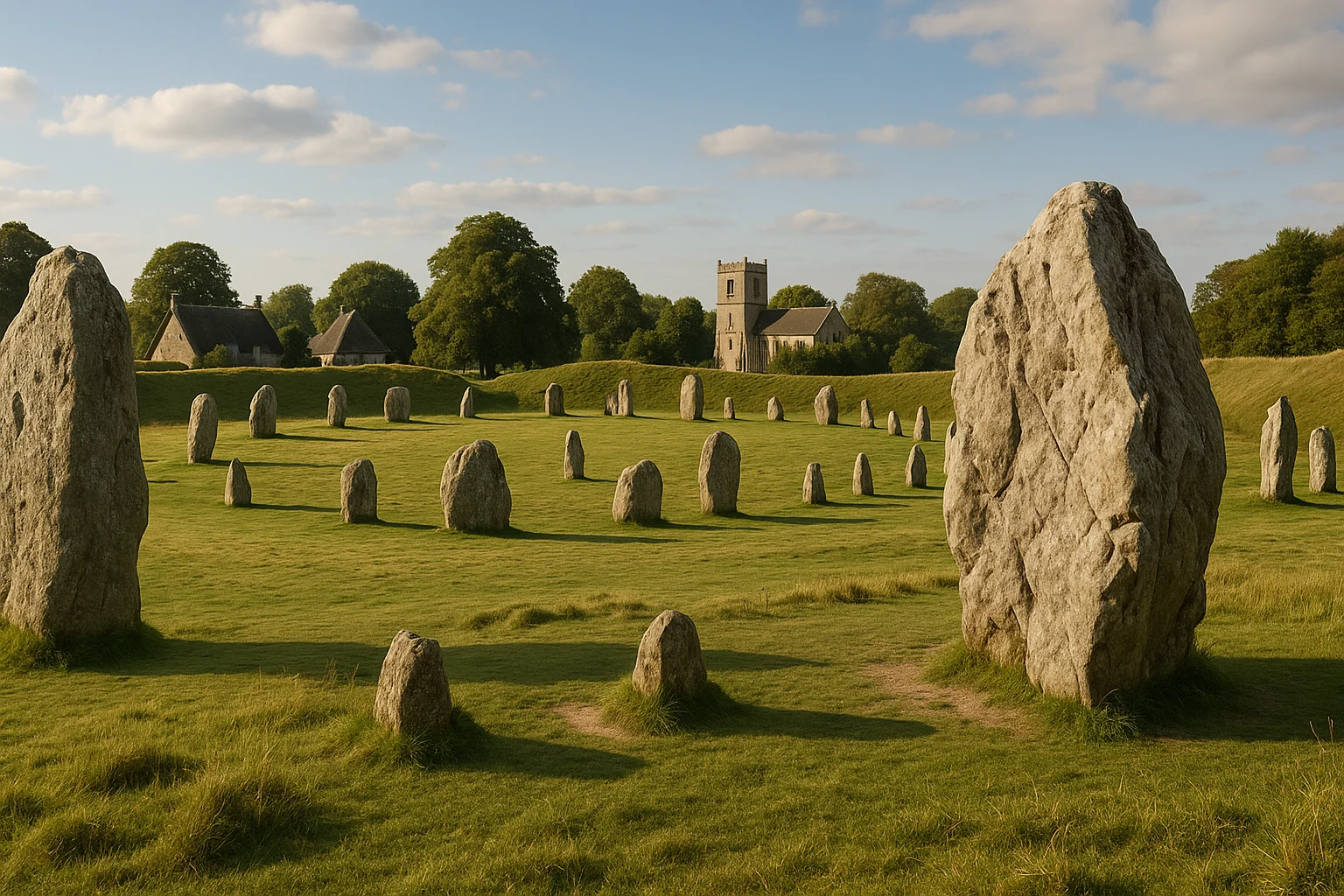
Avebury Stone Circle Travel Guide 2026: Best Walk Routes, History, and Visit Planning
Neolithic BritainPlan a stronger visit to Avebury Stone Circle with practical walking routes, landscape context, and ...